




129 South US 221, Mount Vernon, GA 30445
For more information about senior living options: (866) 208-4318
Overall Review of Duncan Mcrae House
Pros
 Jimmie Sue is very friendly.
- Lynda Powell is often seen cooking and engaging with residents.
- They appear to care about the residents.
- They make the residents' stay pleasant.
Review
This community is best suited for families seeking a small, homelike, hands-on living option in Mount Vernon, GA, where care feels personal and residents interact closely with the people who run the place. Duncan Mcrae House relies on the daily involvement of the owner, Jimmie Sue, and the resident-facing presence of Lynda Powell, who is described as actively cooking and engaging residents in activities they enjoy. For seniors who prize interpersonal warmth, familiar faces at meals, and a sense of being part of a family daily routine, this setting delivers a compelling sense of belonging and security. The atmosphere is plainly intimate, not clinical, and the emphasis on relationship-driven care can make a meaningful difference in mood and engagement.
Those evaluating alternatives should consider that this is not pitched as a large-scale, highly medicalized facility. Families needing formal medical oversight, 24/7 licensed nursing, dementia-specific programming, or a broad, regimented activity calendar may want to look elsewhere. Similarly, residents requiring substantial assistance with daily living activities plus constant clinical monitoring, or those seeking transportation coordination and a wide array of on-site therapies, are likely to find more structured options in larger assisted living communities. In short, this setting favors personal touch and manageable pace over comprehensive clinical infrastructure.
The strongest pros are the direct, visible commitment from the owner and the family-like atmosphere that accompanies it. The owner’s friendliness and hands-on involvement, paired with Lynda Powell’s active participation in cooking and shared activities, create a vivid impression of attentiveness and genuine care. These factors translate into predictable daily rituals, intimate conversations, and meals that feel crafted with residents in mind. When every day includes familiar faces who know residents’ preferences, concerns, and histories, it is easier to feel safe, content, and socially connected, which can offset the absence of a formal, clinical care matrix.
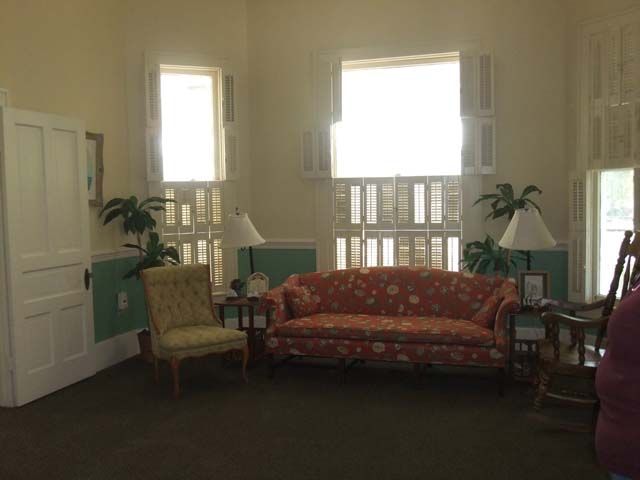
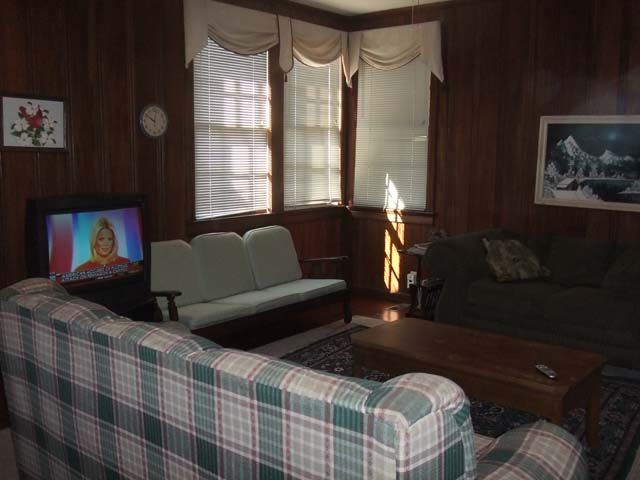
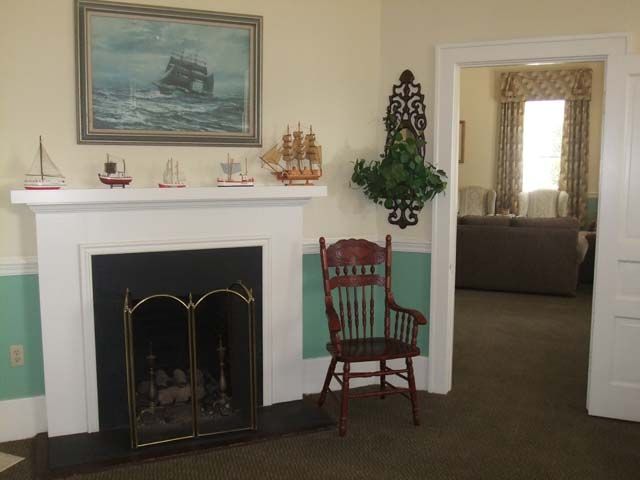
Another significant pro is the homey, low-key environment. The reviews emphasize pleasant stays and a sense that residents are not merely accommodated but loved, with daily life centered around comfort, companionship, and simple pleasures. Small-scale operations often enable quicker communication with staff, more flexible scheduling around individual tastes, and the opportunity for residents to contribute to routines (such as helping with meals). For families prioritizing peace of mind through visible, personal engagement, these attributes are powerful advantages that can outweigh the lack of a bustling activities schedule or a large team.
However, the same strengths imply certain limits. The lack of documented, formal care protocols, and the absence of explicit information about licensing, staff-to-resident ratios, and emergency procedures create a need for careful verification during a visit. Prospective families should inquire about who handles medical needs, how medications are administered, what happens after hours, and whether there is backup coverage if the owner or primary caregivers are unavailable. While the warmth and familiarity are compelling, the practical coverage for complex health situations remains an open question that must be addressed before making a long-term commitment.
For decision-making, this community shines for families prioritizing personal connection, a familiar routine, and a warm, home-bound feel. It is a strong fit where residents thrive on daily companionship, individualized attention, and meals prepared by someone who understands their tastes. Conversely, alternatives should be seriously considered by those whose priorities include formal medical supervision, dementia-specific programming, or expansive support services. A measured approach, visiting in person, meeting Jimmie Sue and Lynda Powell, observing mealtime interactions, and discussing care plans, will illuminate whether Duncan Mcrae House aligns with the specific health needs, safety expectations, and financial arrangements of the prospective resident.
 22 resident community capacity
 Assisted Living
 Hospice Agency
 Beauty salon
 Cable or satellite TV
 Dining room
 Fully furnished
 Garden
 Housekeeping services
 Kitchenette
 Move-in coordination
 Outdoor space
 Restaurant-style dining
 Small library
 Telephone
 Wi-Fi/high-speed internet available
 24-hour call system
 Activities of daily living assistance
 Assistance with bathing
 Assistance with dressing
 Assistance with transfers
 Diabetes diet
 Medication management
 Mental wellness program
 Special dietary restrictions





 Is Assisted Living Deductible on Your Taxes? Understanding the Complexities of Assisted Living Expenses and Deductions
 Assisted Living Support for Veterans: A Complete and Detailed Overview
 Exploring the Contrasts Between Assisted Living and Skilled Nursing