

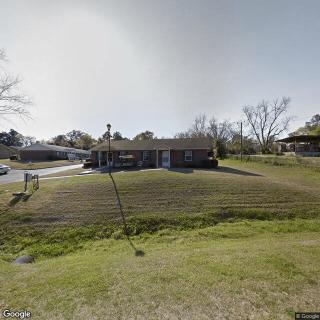
195 Charles Street, Mount Vernon, GA 30445
For more information about senior living options: (866) 208-4318
Overall Review of Mount Vernon Respite Home
Pros
 The staff at Mount Vernon Towers PCC are competent, pleasant, and caring.
- The PCC fosters a sense of community while providing space for residents’ recovery.
- Afoune Remy is noted for responsive leadership and ensuring things run smoothly.
- Families report peace of mind knowing their loved ones receive the care they need.
- The nursing staff is outstanding, and leadership is a definite asset to the organization.
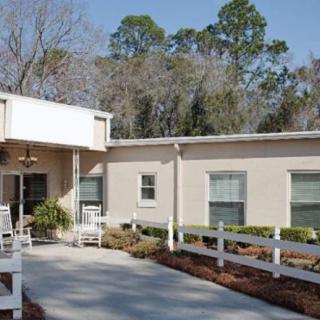
- The facility offers well-maintained public and private spaces and a welcoming environment.
- The organization comes highly recommended by families with long-standing positive experiences.
Review
Mount Vernon Respite Home in Mount Vernon, GA is best suited for seniors who require post-acute recovery support or steady assisted-living supervision within a warm, family-like care culture. It works exceptionally well for individuals who have recently fallen or undergone rehab and now need 24/7 oversight, medication help, and daily living assistance while still preserving a degree of independence. The PCC unit within Mount Vernon Towers stands out as a model of attentive care, where residents are encouraged to build community but also given space to recover privately. Families seeking a home-like atmosphere with consistently responsive professionals will find this setting aligns with those priorities, especially when a loved one benefits from continuous nursing attention without feeling institutional.
Those who should consider alternatives are families prioritizing formal memory-care programming or a broader continuum of services beyond a private-PCC arrangement. The facility has begun moving residents toward memory care, and while the staff and leadership are praised for genuine, compassionate care, a true, dedicated memory-care environment with specialized programming may be preferred for residents with advanced cognitive needs. Additionally, households needing a larger campus with expanded clinical capabilities or more aggressive rehabilitation resources might explore other communities that offer a wider range of skilled-nursing options on-site. In short, for people who expect a comprehensive memory-care ecosystem or more extensive specialized services, alternatives deserve consideration.
The core strengths here, competent, caring staff; a leadership team that is genuinely responsive; and a culture that treats families like partners, strongly offset the practical downsides. Reviews consistently highlight staff who are attentive, pleasant, and reliable, and the PCC director Afone is repeatedly described as proactive and supportive, ensuring that operations run smoothly and that family questions are answered promptly. The ability to arrange visiting-nurse practitioner services and pharmacy support directly through the campus is a meaningful convenience that reduces coordination headaches for families juggling multiple care vendors. In effect, the warmth and reliability of the team lessen the impact of routine paperwork and procedural steps, transforming potential friction into manageable, well-communicated processes.
From a care-quality perspective, the experience translates into tangible, confidence-boosting outcomes. Residents receive help with medications and activities of daily living while retaining reasonable independence within a one-bedroom, in-unit layout that includes a separate living space. The dining options, meals served in the PCC dining room or the main dining room, along with the opportunity to participate in campus events and activities, contribute to a sense of belonging and normalcy. The combination of a well-maintained environment, accessible social life, and a consistent, capable nursing presence provides peace of mind for families, who repeatedly express gratitude for how well their loved ones are treated. This is not a bare bones support scenario; it is a well-rounded, resident-centered approach that preserves dignity and daily rhythm.
Operationally, the community presents a pragmatic blueprint for families weighing decisions. The transition from hospital or rehab to the PCC is described as smooth, with staff actively accommodating individual requests and guiding families through paperwork that can otherwise feel burdensome. The presence of a dependable leadership figure who can coordinate ancillary services, and the demonstrated willingness of the team to integrate visiting professionals, means that a loved one can settle in without the sense of lost control that accompanies less cohesive setups. The strongest message is that Mount Vernon Respite Home delivers steady, compassionate care, with enough clinical backbone to reassure families who must balance recovery goals with daily-life logistics.
The bottom line is clear: Mount Vernon Respite Home excels for families seeking a high-quality, closely supervised post-acute or assisted-living experience anchored by responsive, caring staff and a leadership team that treats families as partners. It delivers genuine reassurance that a loved one is in capable hands, with ample opportunities for social engagement and meaningful routines. Pros offset cons through predictable, proactive care, excellent interpersonal connections, and a seamless blend of independence within support. For families prioritizing a warm, resident-focused PCC environment and a care team that consistently rises to meet needs, this is a compelling, practical choice. For those whose needs tilt toward formal, dedicated memory-care programming or broader on-site clinical depth, it remains prudent to compare alternatives before committing.
 3 resident community capacity
 Assisted Living
 Board and Care Home
 Beauty salon
 Cable or satellite TV
 Dining room
 Fully furnished
 Garden
 Housekeeping services
 Kitchenette
 Move-in coordination
 Outdoor space
 Restaurant-style dining
 Small library
 Telephone
 Wi-Fi/high-speed internet available
 24-hour supervision
 Activities of daily living assistance
 Assistance with bathing
 Assistance with dressing
 Assistance with transfers
 Diabetes diet
 Medication management
 Mental wellness program
 Special dietary restrictions



 Assisted Living Expenses and Long-Term Care Insurance: A Comprehensive Exploration
 Securing Financial Support for Assisted Living: A Comprehensive Overview
 Social Security Benefits and Assisted Living: Navigating Options Across the U.S.