

213 SR-124, Lawrenceville, GA 30045
To contact a resident: (770) 963-5275
For more information about senior living options: (866) 208-4318
Medical Arts Health Facility Costs & Pricing
At the Medical Arts Health Facility, the costs for accommodation reflect a significant investment in quality care and amenities. The monthly fee for a semi-private room stands at $4,875, which is substantially higher than the average rates in Gwinnett County ($2,530) and across Georgia as a whole ($2,529). For those opting for increased privacy, the facility offers private rooms at a cost of $5,275, again surpassing both county and state averages - Gwinnett County's private room rate is $2,551 while Georgia's is slightly higher at $2,864. These figures highlight the premium associated with the specialized services and environment provided by Medical Arts Health Facility compared to regional norms.
| Floor plans | Medical Arts Health Facility | Gwinnett County | Georgia |
|---|---|---|---|
| Semi-Private | $4,875 | $2,530 | $2,529 |
| Private | $5,275 | $2,551 | $2,864 |
Skilled Nursing Facilities with a similar price nearby
-
from +$800 / mo

Cumming Nursing Center
$5,675 / month19.7 miles away -
from -$780 / mo
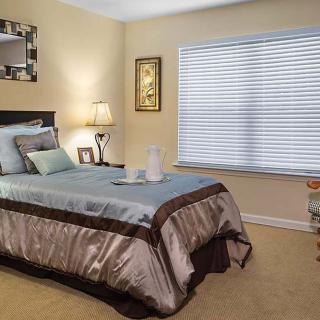
Atria Park Of Tucker
$4,095 to $4,795 / month11.5 miles away -
from +$675 / mo

Orchard at Brookhaven
$5,550 to $6,850 / month20.3 miles away -
from +$375 / mo
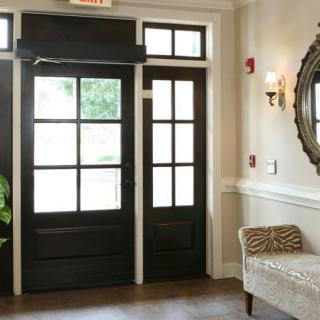
Dogwood Forest of Dunwoody
$5,250 to $6,275 / month21.0 miles away -
About the same
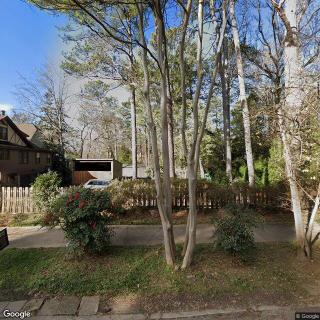
Budd Terrace At Wesley Woods
$5,000 to $6,000 / month22.2 miles away
Overall Review of Medical Arts Health Facility
Pros
 The building is brand new.
- Parking is conveniently located in the attached parking garage.
- The staff is wonderful.
- Several employees went above and beyond to help patients find their appointments.
- The imaging center is easy to find.
- The facility operates seamlessly and efficiently.
- The staff were happy and upbeat, which helped ease the patient’s nerves.
- The surgery went well.
Review
Medical Arts Health Facility in Lawrenceville is best suited for seniors and families that need streamlined outpatient medical care, procedures, imaging, and perioperative support, in a modern, easy-to-navigate setting. The reviews consistently point to a brand-new campus with an attached parking garage that makes arrival and parking straightforward. For families seeking a calm, efficient process around a procedure, this facility delivers from check-in through discharge. The experience is anchored by staff who are described as wonderful, professional, and upbeat, with a level of attentiveness that reduces nerves and helps patients feel cared for from the moment they arrive to the moment they leave.
Those considering alternatives are likely families whose goals include long-term housing, 24/7 daily living assistance, or specialized memory care. This site functions as a medical hub rather than a residential community, so it isn’t designed to provide ongoing housing or 24/7 caregiving. For seniors who require continuous support, social programming, or a built-in living environment, dedicated assisted living communities or post-acute care facilities with on-site housing will offer a more complete solution. The facility shines in its lane, but it does not replace the lifeworld of a true senior living community.
The strongest pros cohere into a compelling value for procedural experiences. A brand-new facility often translates to up-to-date equipment, clean lines, and efficient workflows, all of which minimize delays and anxiety. Parking in the attached garage removes the stress of finding a space and reduces the hassle of a medical visit. Staff excellence stands out in multiple accounts: nurses, anesthesiologists, aides, and surgeons are described as professional, friendly, and approachable, with a knack for easing nerves and maintaining a positive atmosphere. The result is a smoother, more confident patient journey, where the focus remains on care and outcome rather than logistics.
Where the reviews reveal a natural limitation, it’s the scope of care rather than a fault in execution. The facility’s strengths address acute care needs effectively, but there is no emphasis on long-term living, ongoing personal assistance, or social programming within a residential setting. That lack is not a flaw so much as a category mismatch: for families seeking an all-in-one living environment with healthcare support, alternatives should be explored. The positives, efficiency, clear navigation, and compassionate staff, do offset the absence of housing by delivering a reassuring, well-coordinated medical experience when a procedure or imaging is the central objective.
Practical guidance follows from these realities. For families moving a loved one through a procedure, inquire about discharge planning, post-acute rehabilitation partners, and how results are communicated back to the primary care team. Confirm parking logistics for the day of a procedure and whether imaging services are integrated with the surgical workflow to minimize trips between departments. Since staff kindness and professionalism are repeatedly highlighted, prepare questions about anesthesia plans, potential recovery needs, and whom to contact if post-visit questions arise. This environment rewards proactive coordination and clear expectations.
In the end, Medical Arts Health Facility earns a confident recommendation for those prioritizing a modern, efficiently run medical setting with exceptional bedside manner. It is a strong choice for seniors facing elective procedures, diagnostic imaging, or perioperative care where comfort and streamlined processes matter most. Families seeking a residential, social, or long-term care community should look elsewhere to fulfill those needs, as this facility’s strengths are best leveraged when the goal is high-quality medical care in a brand-new, supportive environment. In that context, the decision is straightforward and well-supported by real-world experiences.
 Skilled Nursing Facility
 Private
 Wheelchair accessible showers
 High acuity care

 Navigating the Tax Landscape of Caregiving: Credits, Deductions, and Beyond
 Highly Beneficial Low-Impact Exercises for Senior Living Residents
 Is In-Home Healthcare Tax Deductible? Your Comprehensive Guide