Overall Review of Ross Memorial Health Care Center
common
Caring staff is a constant
Residents and families consistently describe staff as caring, attentive, and friendly.
Across the reviews, people repeatedly praise the day-to-day attitude of the nursing team, CNAs, therapists, and housekeeping—often highlighting how staff checked in, helped with tasks, and treated residents with dignity. Several reviewers also connect that care to smoother rehab experiences, including support with mobility, bathing, and recovery progress. A few reviews note occasional delays or rough moments, but even those comments generally return to the idea that staff members try to help and communicate as best they can.
differentiator
Concierge support stands out
Concierge team members are repeatedly credited with making stays easier.
Multiple reviews call out concierge staff by name and describe them as welcoming, responsive, and helpful with practical needs. Residents and families mention concierge support during therapy coordination and helping resolve issues that came up during a stay. Reviewers also describe concierge as part of the reason they felt informed and supported, including when families were visiting or navigating next steps.
common
Food is repeatedly praised
Meal quality is one of the more consistent positives in reviews.
Many reviews focus on the food, describing it as tasty and satisfying, including praise for portion sizes and meals served on time. Several reviewers mention specific meal moments and commend the kitchen staff, with a number of comments tying food to comfort during rehab. The community also describes serving meals designed around special dietary needs, aligning with what reviewers mention about food preferences during recovery.
caveat
Communication can fall short
Some reviews describe problems with responsiveness and family communication.
A subset of reviews raises concerns about communication—such as unanswered phone calls or difficulty getting information from staff. Other critical comments mention communication gaps around medical updates and follow-through on requested care tasks. While many reviews describe helpful staff, these complaints point to situations where families felt left waiting or uninformed.
How we summarize
We summarize when many written reviews mention each theme; a review can touch several themes, and only frequently mentioned themes are displayed.
Features
Housing
100 resident community capacity
Types of Care
Skilled Nursing Facility
Amenities
Air-conditioning
Beauty salon
Cable or satellite TV
Computer center
Dining room
Fitness room
Fully furnished
Gaming room
Garden
Housekeeping services
Kitchenette
Move-in coordination
Outdoor space
Private bathrooms
Restaurant-style dining
Small library
Telephone
Wellness center
Wi-Fi/high-speed internet available
Transportation
Community operated transportation
Transportation arrangement
Transportation arrangement (non-medical)
Transportation to doctors appointments
Care Services
12-16 hour nursing
24-hour call system
24-hour supervision
Activities of daily living assistance
Assistance with bathing
Assistance with dressing
Assistance with transfers
Diabetes diet
Meal preparation and service
Medication management
Mental wellness program
Special dietary restrictions
Dining
Diabetes diet
Special dietary restrictions
Activities
Community-sponsored activities
Concierge services
Fitness programs
Planned day trips
Resident-run activities
Scheduled daily activities
Nearby Places of Interest
Pharmacies
Pharmacy Partners Of Ga (0.6 miles)
Pharmacy Resource Network (2.2 miles)
Walgreens (2.3 miles)
Innovation Compounding (2.3 miles)
CVS Pharmacy (2.4 miles)
CVS Pharmacy (3.1 miles)
Walgreens (3.7 miles)
Restaurants
Olde Towne Tavern & Grille (1.5 miles)
Chick-Fil-A (1.6 miles)
Culver's (1.6 miles)
Golden Corral (1.7 miles)
Dq Grill & Chill (1.7 miles)
Dry County Brewing Company (1.7 miles)
Pisano's Pizzeria (1.9 miles)
Parks
Aviation Park Kennesaw (1.5 miles)
Adams Park (2.4 miles)
Laurel Park (3.6 miles)
Swift-Cantrell Park (3.7 miles)
Shaw Park (4.8 miles)
Theaters
AMC Barrett Commons 24 (2 miles)
NCG Cinemas (5.5 miles)
Places of Worship
Kennesaw United Methodist Church (2.3 miles)
Northstar Church (4.1 miles)
Due West United Methodist Church (4.5 miles)
Calvary Chapel Woodstock (5.8 miles)
Church of Jesus Christ of Latter Day Saints (5.9 miles)
Burnt Hickory Baptist Church (6.2 miles)
Transfiguration Catholic Church (6.4 miles)
Hospitals
Kennesaw Hospital (2.9 miles)
WellStar Kennestone Hospital (3.3 miles)
Physicians
Marietta Dermatology & the Skin Cancer Center (3 miles)
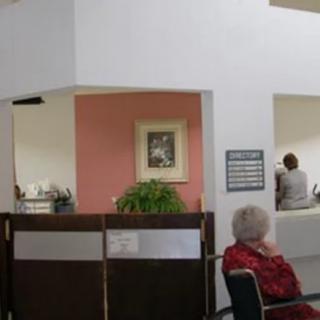
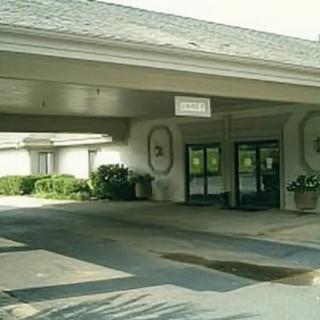
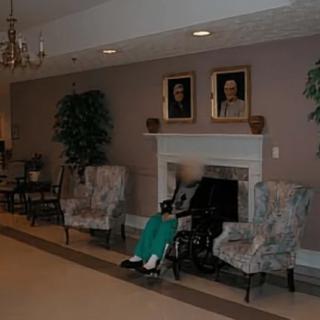
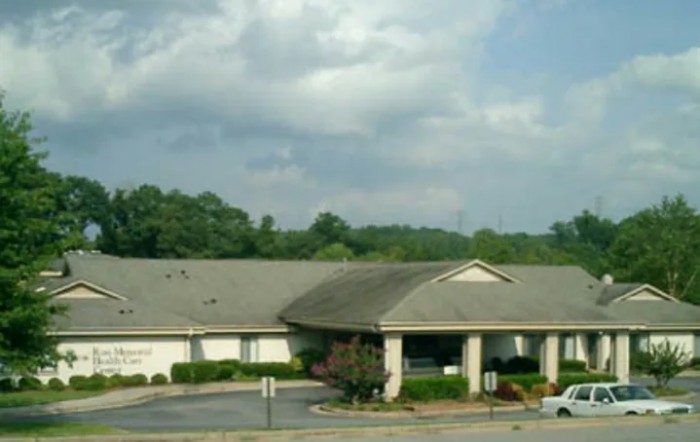
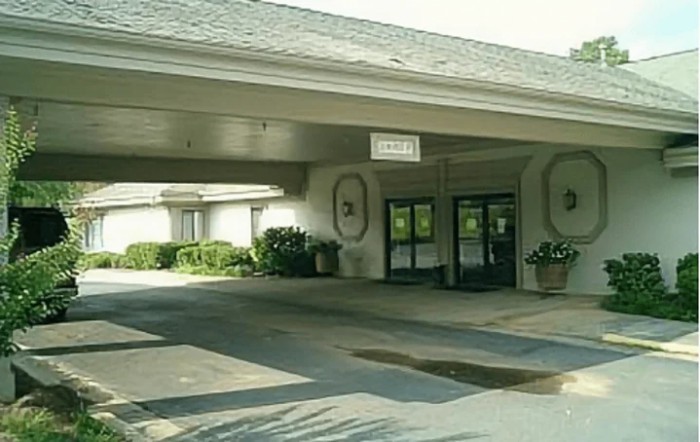
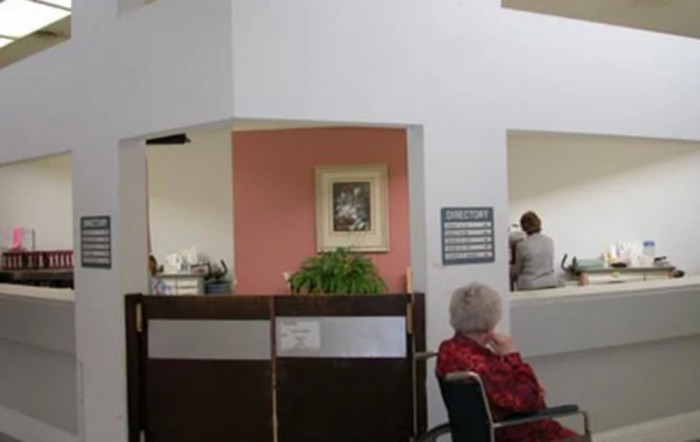
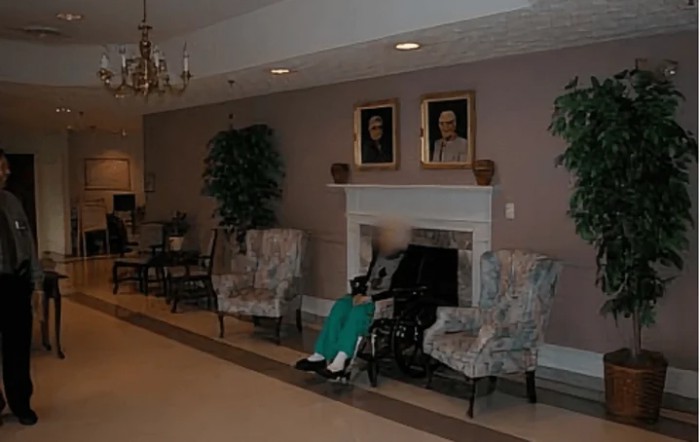
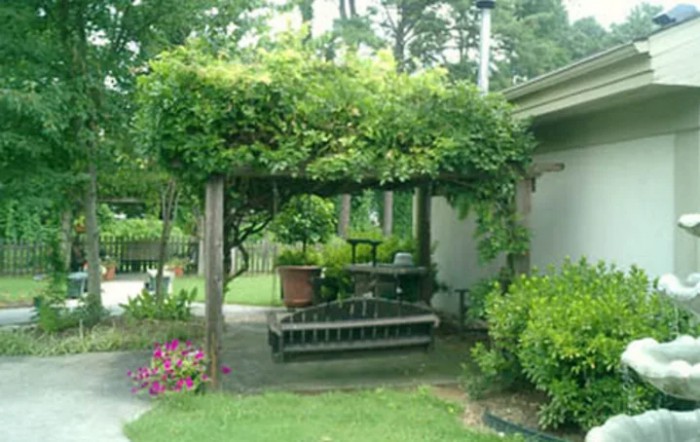
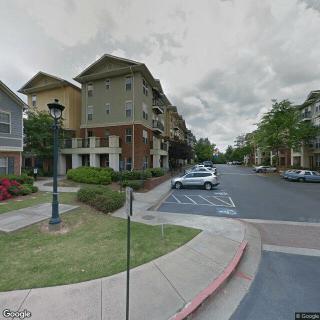
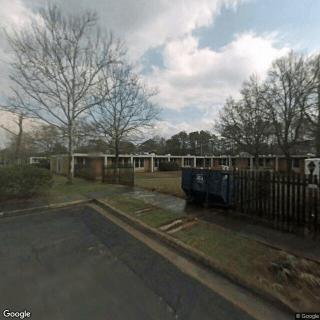
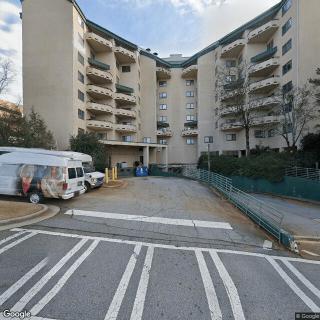
Ross Memorial Health Care Center on seniors.fyi includes 5 photos including images showing landscaping, building, waiting area, interior, trees, entrance, reception, lobby, and more.
Nearby Communities
Shady Grove Manor
Kennesaw, GA
$6,825 to $8,248 / month
Premium service with abundant nearby amenities and pet-friendly accommodations.
Gaines Park Senior Living
Kennesaw, GA
4.2 from 69 reviews
$2,195 to $4,310 / month
Clean, well-maintained, home-like setting with attentive staff and engaging daily activities.
Overture Barrett
Kennesaw, GA
4.4 from 102 reviews
Comprehensive amenities and care with transportation, dining, fitness, and wellness programs.
Alta Ridenour Senior Apartments
Kennesaw, GA
4.1 from 42 reviews
Convenient location with abundant nearby amenities and healthcare options.
Alta Ridenour
Kennesaw, GA
4.1 from 63 reviews
$880 to $1,165 / month
Clean, peaceful, well-maintained with modern amenities and friendly staff; convenient location near shops and dining.
Amicus Home Healthcare
Kennesaw, GA
5 from 9 reviews
Comfortable, caring environment with extensive nearby healthcare, dining, and parks.
Signature HealthCARE of Marietta
Marietta, GA
2.2 from 30 reviews
Caring day staff with helpful PT/OT.
The Legacy at Walton Heights
Marietta, GA
4.6 from 50 reviews
$535 to $632 / month
Competitive pricing (1BR from $535, 2BR from $632) with extensive nearby amenities.
Atherton Place
Marietta, GA
4.3 from 17 reviews
$2,200 to $3,315 / month
Friendly staff, warm community, convenient location, pet-friendly, and affordable pricing.
The VA Aid and Attendance program offers financial assistance to veterans needing help with daily activities due to health issues, available through a pension for low-income wartime veterans or an allowance for 100% disabled individuals. Eligibility depends on medical documentation of care needs and navigating guidelines about income and service history, with funds being usable for various healthcare-related expenses.
Linda's caregiving journey for her elderly mother, Joan, is marked by deep love and challenges as she navigates health changes, emotional support, and practical arrangements while learning to prioritize self-care and utilize community resources. Their evolving relationship highlights resilience and the universal themes of empathy and preparedness in caregiver experiences.
Get PricingAsk A QuestionSchedule A TourContact Senior Advisor
By clicking submit, you agree to our Partner's Terms of Use. You
also consent to receive calls and texts, which may be autodialed, from our Partner. Your consent is not a condition to
using our Partner's service. Please visit our Partner's Privacy Policy for information about their privacy practices.

 100 resident community capacity
 Skilled Nursing Facility
 Air-conditioning
 Beauty salon
 Cable or satellite TV
 Computer center
 Dining room
 Fitness room
 Fully furnished
 Gaming room
 Garden
 Housekeeping services
 Kitchenette
 Move-in coordination
 Outdoor space
 Private bathrooms
 Restaurant-style dining
 Small library
 Telephone
 Wellness center
 Wi-Fi/high-speed internet available
 Community operated transportation
 12-16 hour nursing
 24-hour call system
 Activities of daily living assistance
 Assistance with bathing
 Assistance with dressing
 Assistance with transfers
 Diabetes diet
 Medication management
 Mental wellness program
 Special dietary restrictions
 Concierge services
 Planned day trips
 Premium service with abundant nearby amenities and pet-friendly accommodations.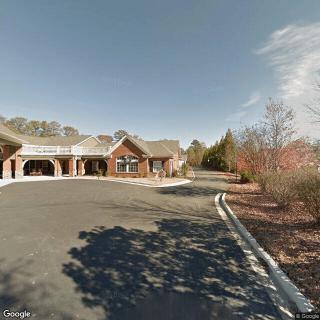


 In-Depth Look at the VA Aid and Attendance Program
 Nurturing Our Loved Ones: A Daughter's Journey in Caring for Her Mother
 Nurturing Our Elders: Linda's Journey of Supporting Her Mother