Anderson Mill Health And Rehabilitation Center in Austell, GA

Save

  • Interior

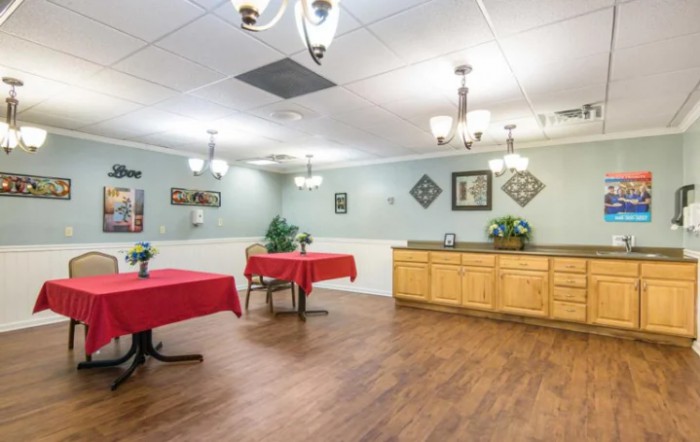
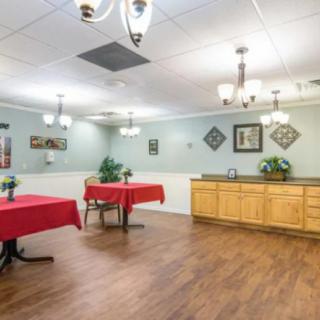
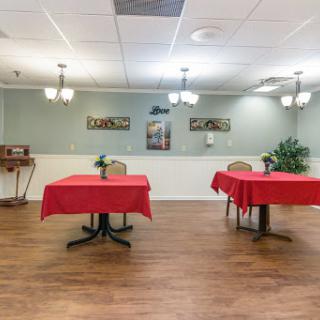
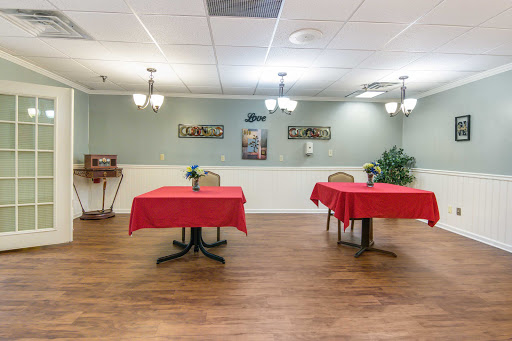
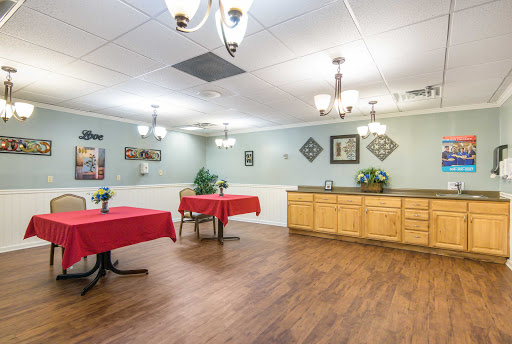
    A well-lit dining area with red tablecloths and wooden flooring.
  • Decor

    A spacious dining area featuring tables with red tablecloths and warm wooden accents.
  • Building

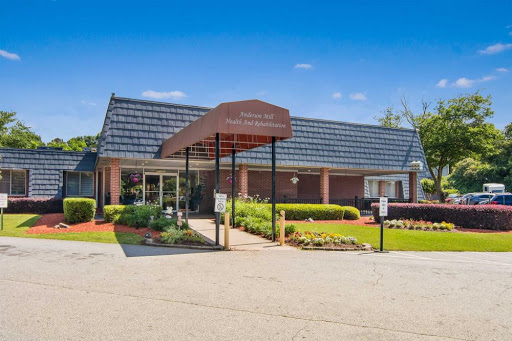
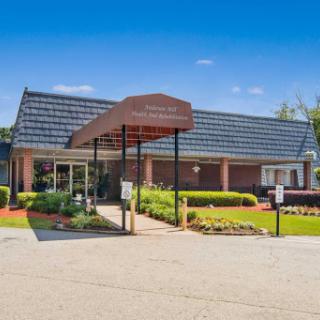
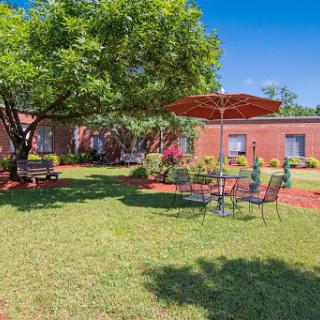
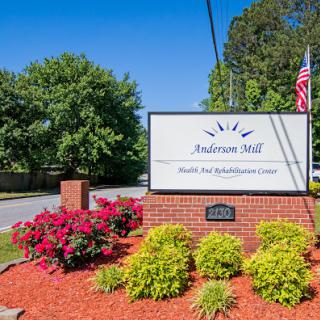
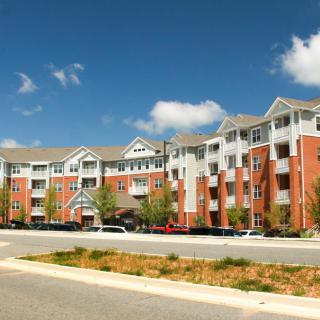
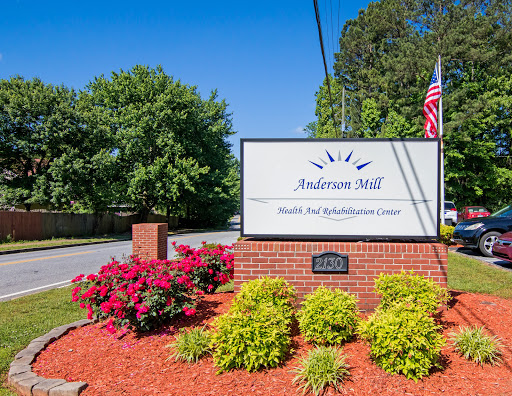
    A welcoming entrance of a facility surrounded by well-maintained gardens under a clear blue sky.
  • Bedroom

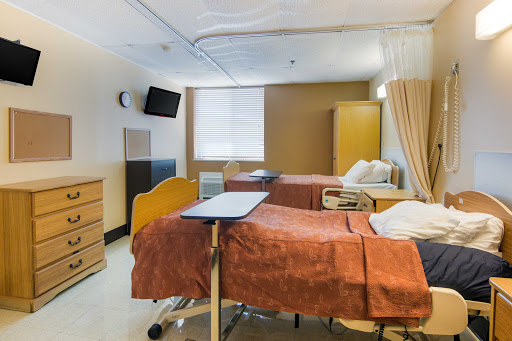
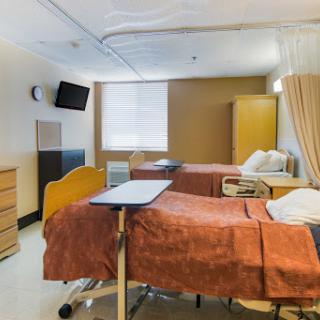
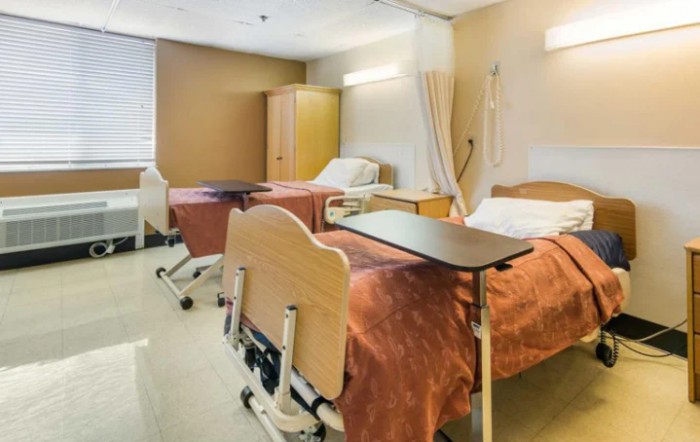
    A view of a hospital patient room featuring two beds, bedside tables, and a television.
  • Trees

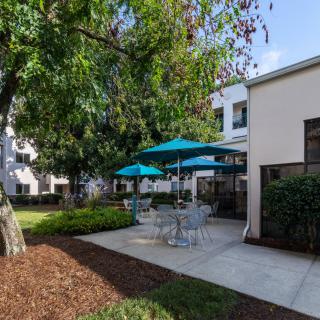
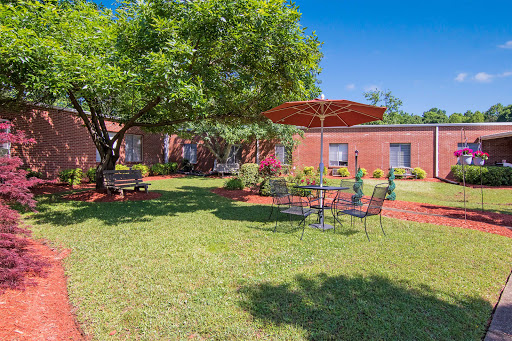
    A serene outdoor garden space featuring a seating area under an umbrella, surrounded by lush greenery and a charming brick building.
  • Windows

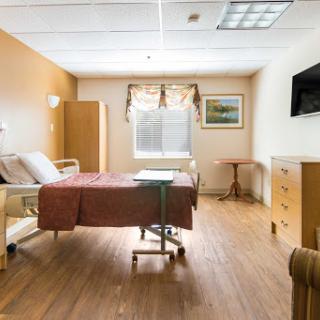
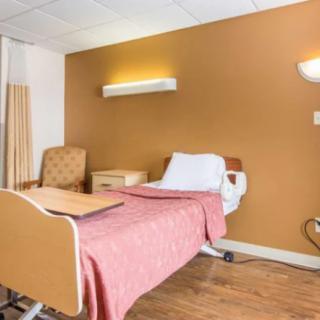
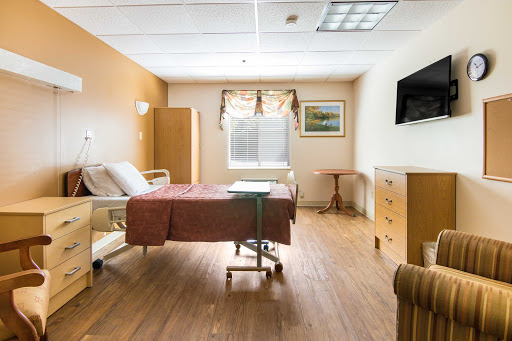
    A clean and well-lit hospital patient room equipped with essential furniture.
  • Dining

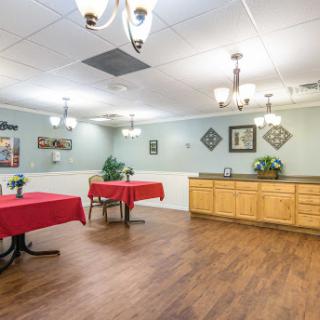
    A spacious restaurant interior featuring two tables with red tablecloths, decorative artwork on the walls, and warm lighting.
  • Landscaping

    Entrance sign for Anderson Mill Health Care Administrative Center surrounded by vibrant landscaping.
  • Lighting

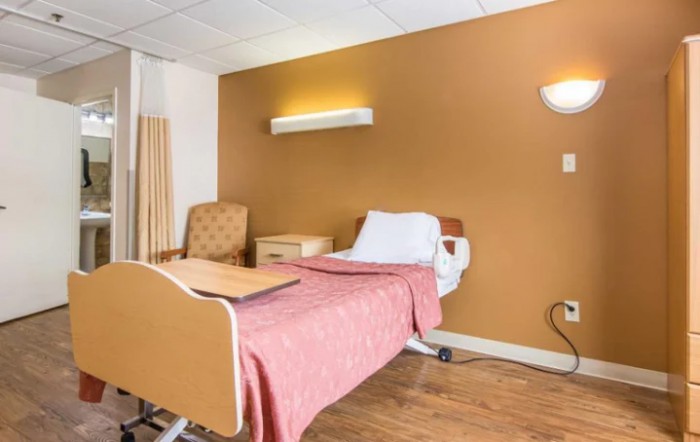
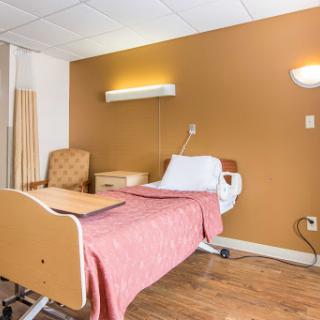
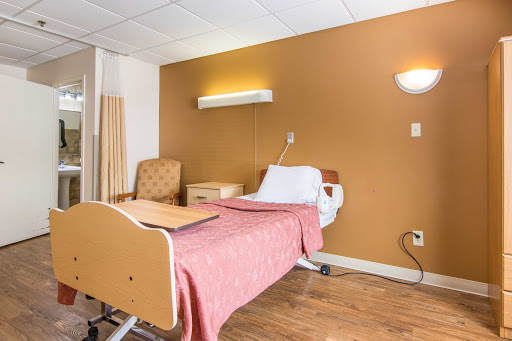
    A clean and well-lit hospital patient room with a bed, armchair, and bedside lighting.
  • Exercise Equipment

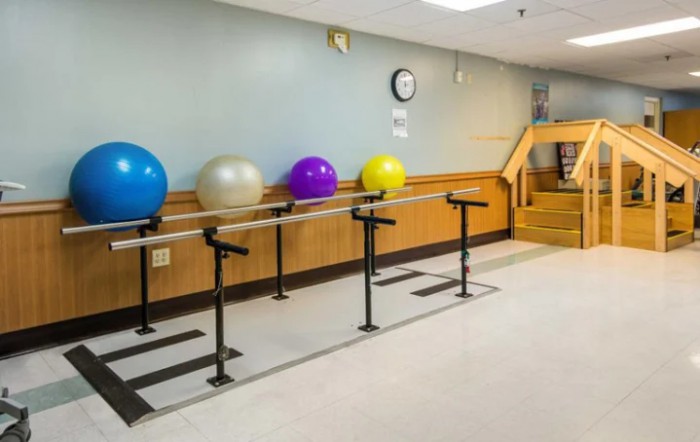
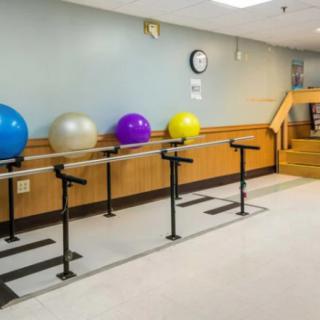
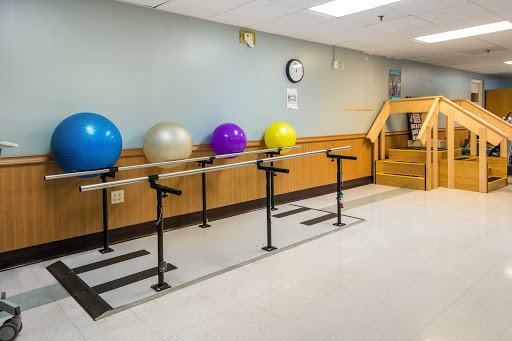
    A physical therapy clinic with parallel bars and colorful exercise balls.
  • Gym

    A well-equipped physical therapy room featuring colorful balance balls and a barre for exercises.
  • Healthcare

    A hospital room with a bed and chair, featuring a warm color scheme.

Anderson Mill Health And Rehabilitation Center in Austell, GA

Information last verified:

2130 Anderson Mill Road, Austell, GA 30106

For more information about senior living options: (844) 490-3973

4.1 from 139 reviews
5 stars
93
4 stars
17
3 stars
6
2 stars
2
1 stars
21

Seniors.FYI Elite Community Awards

Top 5% Senior Living Community in 2026

Add this award to your website

Overall Review of Anderson Mill Health And Rehabilitation Center

Pros

  • pro The staff are friendly, attentive, and go above and beyond for residents.
  • pro The facility feels like home, with a bright and welcoming atmosphere.
  • pro The rehabilitation and therapy teams are outstanding, patient, and professional.
  • pro The activities department creates engaging programs that bring joy and smiles to residents.
  • pro Jasmine, the Admissions Director, is lovely, friendly, and extremely helpful.
  • pro The administration is wonderful, with knowledgeable, responsive staff like Keke in the Business Office.
  • pro The facility is clean, well-maintained, and upholds a dignified standard of care.
  • pro The therapy spaces and equipment are well-equipped, supporting recovery.
  • pro The staff communicate well with families and are genuinely caring.
  • pro The staff’s dedication, kindness, and professionalism are repeatedly praised by families.

Cons

  • pro The facility was the worst decision for her mother.
  • pro The staff’s negligence led to her mother being back admitted to the hospital with more health issues.
  • pro The reviewers urge others not to admit a loved one to this facility, calling it a terrible and horrible experience.
  • pro Patients were largely unattended, with long waits after someone pressed the call button.
  • pro The building was old and dirty, with an odor and sanitation concerns.
  • pro The food did not meet dietary needs and was often inappropriate for medical diets.
  • pro Shared bathrooms were frequently dirty and slow to get cleaned.
  • pro Some staff were unprofessional and unresponsive, compromising patient safety.
  • pro Medications were misplaced or not delivered on time, risking proper treatment.
  • pro Multiple reviews stated the facility should be shut down and not recommended.

Review

Anderson Mill Center for Health and Healing in Austell, GA is best suited for families that prioritize rehabilitation outcomes and an actively engaged, compassionate therapy team. This community tends to work best for short- to moderate-term rehabilitation where therapists, nurses, and activity staff demonstrate real dedication and warmth, and where residents can benefit from structured programs and social engagement. It suits those who can tolerate an older, well-used building and occasional maintenance quirks in exchange for a genuinely attentive rehab pathway and the feeling of a smaller, home-like environment. For families who require meticulous daily oversight, pristine facilities, or a consistently uniform level of care across all shifts, alternatives merit serious consideration.

The strongest and most consistently praised dimension is the rehab and activity ecosystem. Therapists are frequently described as patient, professional, and capable, with credible traction in pushing residents toward meaningful recovery milestones. The staff across nursing and support roles are often characterized as kind, approachable, and genuinely invested in residents’ well-being, with the activities department earning particular commendation for creativity, energy, and engagement. Families repeatedly note that when staff members lean in, whether in therapy sessions, daily routines, or social programs, the resident experience improves markedly. In many reviews, the facility’s cleanliness and the home-like atmosphere contribute to a sense of comfort that sustains residents through the rehab journey.

Those positives, however, sit alongside persistent and substantial concerns that families must weigh with caution. A frequent theme is variability in care quality driven by staffing levels and morale, which shows up as delayed responses to call bells, uneven bedside attentiveness, and inconsistent adherence to care plans. A number of readers describe aging infrastructure, with outdated furnishings and shared bathrooms contributing to a sense of crowding and friction in daily routines. Cleanliness and sanitation, at times, are flagged as real concerns, and several accounts recount odor, infrequent room cleaning, or difficult-to-maintain bathroom conditions. Medication management and communication gaps also appear in multiple reviews, with some families reporting missed doses or lack of timely updates about a resident’s progress or changes in treatment. Across the board, these cons are not minor anecdotes; they represent real risk factors that can undermine the benefits of strong therapy when not actively managed.

The decisive question becomes whether the rehab strengths can offset the safety and quality variability. The answer depends on how care is structured and who is watching the ship day-to-day. When families stay actively involved, insist on clear daily updates, and demand timely response to concerns, the atmosphere often shifts toward a higher level of attentiveness and accountability. In scenarios where staffing is steady and morale is higher, the standout therapists and the warm interpersonal approach of many aides can produce excellent outcomes and a genuinely encouraging environment. For residents able to participate fully in therapy and social activities, and for families capable of sustained oversight or rapid escalation when issues arise, Anderson Mill can deliver meaningful recovery and a sense of belonging that many facilities struggle to achieve.

For decision-making, certain due-diligence steps are essential. Prospective admittees should request a direct briefing with the therapy team to understand the cadence of sessions, goals, and expected outcomes; observe a therapy session if possible; and ask to speak with the director of nursing or a floor supervisor about staffing ratios, shift coverage, and escalation pathways. Inspect rooms and bathrooms to assess space, cleanliness, and accessibility, particularly if a long-term stay is contemplated. Review the dining plan for dietary restrictions and ensure that menus can accommodate cardiac or diabetic needs, since some reviews flag inconsistent meal service. Seek a candid discussion about renovations or updates to the building, and inquire about the facility’s process for incident reporting, care plan updates, and family communication. Finally, verify the admissions process and documentation, and consider arranging a trial period for rehab with defined milestones to gauge whether the balance of pros and cons holds steady.

In sum, Anderson Mill Center offers a compelling rehab-focused proposition crowned by a caring, capable therapy team and a warm, engaged atmosphere. Yet the site’s aging physical plant, uneven care consistency, and variability in cleanliness and operational reliability cannot be ignored. For families who can leverage strong clinical staff, maintain close oversight, and value the social vitality and activity-rich environment, this center can be a solid choice for rehab and recuperation. For those whose top priorities are immaculate facilities, uniform daily care, and guaranteed consistency across all shifts, alternatives should be pursued. The prudent path is to visit with a concrete checklist, probe for current staffing realities, and insist on transparent communication and measurable progress while weighing the rehab potential against the facility’s enduring shortcomings.

Features

Housing

  • 170 resident community capacity 170 resident community capacity

Types of Care

  • Skilled Nursing Facility Skilled Nursing FacilitySkilled Nursing Facilities are crucial for seniors as they provide round-the-clock medical care, rehabilitation services, and assistance with daily activities. These facilities ensure that seniors receive the specialized care they need to maintain their health and well-being as they age.

Amenities

  • Air-conditioning Air-conditioningAir conditioning is important for seniors as they are more vulnerable to heat-related illnesses and may have underlying health conditions that make it difficult for them to regulate their body temperature. It helps to keep them comfortable, safe, and healthy in hot weather.
  • Beauty salon Beauty salonBeauty salons are important for seniors because they provide a space for them to feel pampered, socialize, and maintain their personal grooming and hygiene. Regular visits to a beauty salon can help boost seniors' self-esteem and overall well-being.
  • Cable or satellite TV Cable or satellite TVCable or satellite TV is important for seniors because it provides entertainment, news, and companionship, helping to combat loneliness and boredom. It also offers a wide range of programming options tailored to different interests and preferences.
  • Computer center Computer centerA computer center is essential for seniors as it provides access to technology, communication tools, and resources that can enhance their daily lives. It allows them to stay connected with loved ones, engage in online activities, and learn new skills, ultimately promoting socialization and mental stimulation.
  • Dining room Dining roomDining rooms are important for seniors as they provide a space for socialization, connection, and nutritious meals. They offer opportunities for residents to bond over shared meals, foster a sense of community, and promote healthy eating habits. Dining rooms also ensure that seniors have access to well-balanced meals tailored to their dietary needs and preferences.
  • Fitness room Fitness roomHaving a fitness room in a senior living community is essential for seniors to stay active, maintain their physical health, and improve their overall well-being. Regular exercise can help prevent falls, reduce the risk of chronic diseases, and promote mental sharpness. It also provides social opportunities for residents to connect with others and enjoy a sense of community.
  • Fully furnished Fully furnishedFully furnished senior living communities are important for seniors because they provide convenience, comfort, and a hassle-free moving experience. Seniors can easily settle into their new living space without the stress of having to buy and move furniture. This allows them to focus on enjoying their new home and community.
  • Gaming room Gaming roomGaming rooms are important for seniors as they provide a fun and engaging environment for socializing, cognitive stimulation, and physical activity. Games can improve memory, problem-solving skills, and overall mental well-being while fostering friendships and reducing feelings of isolation.
  • Garden GardenGardens are important for seniors as they provide a peaceful and therapeutic environment for relaxation, physical activity, and socialization. Being in nature has been shown to reduce stress, improve mood, and promote overall well-being. Gardens also offer opportunities for seniors to engage in gardening activities, which can improve mobility, flexibility, and cognitive function. Additionally, gardens create a sense of community and connection with others who share a passion for plants and outdoor spaces.
  • Housekeeping services Housekeeping servicesHousekeeping services are important for seniors because they help maintain a clean and safe living environment, promote independence, and reduce the risk of accidents or illnesses. Additionally, having assistance with household chores can alleviate physical strain and allow seniors to focus on other aspects of their well-being.
  • Kitchenette KitchenetteKitchenettes are important for seniors living in senior living communities because they provide the convenience and independence of being able to prepare simple meals and snacks in the comfort of their own living space. This can help promote a sense of autonomy and well-being for seniors, allowing them to maintain some level of control over their dietary choices and daily routines.
  • Move-in coordination Move-in coordinationMove-in coordination is important for seniors because it helps ease the transition into their new living environment. It ensures that all logistics, such as packing, organizing movers, and setting up utilities are taken care of, allowing seniors to focus on settling in and adjusting to their new home. Having a smooth move-in process can alleviate stress and anxiety, making the transition smoother and more enjoyable for seniors.
  • Outdoor space Outdoor spaceOutdoor spaces are important for seniors as they provide opportunities for physical activity, social interaction, exposure to natural light and fresh air, and a sense of connection to nature. Having access to outdoor spaces can improve overall well-being and quality of life for older adults living in senior communities.
  • Private bathrooms Private bathroomsPrivate bathrooms are important for seniors in senior living communities because they provide independence, dignity, and comfort. Having a private bathroom allows seniors to maintain their personal hygiene routines without the need for assistance, promoting a sense of autonomy and privacy. Additionally, private bathrooms help prevent the spread of infections and provide a safe and clean environment for seniors to navigate safely.
  • Restaurant-style dining Restaurant-style diningRestaurant-style dining is important for seniors because it allows them to enjoy delicious, nutritious meals in a social and upscale setting. This enhances their dining experience, promotes healthy eating habits, and fosters socialization with fellow residents, ultimately contributing to their overall well-being and quality of life.
  • Small library Small librarySmall libraries are important for seniors as they provide access to a variety of reading materials, including books, newspapers, and magazines. This can help stimulate their minds, keep them engaged, and provide a sense of community through book clubs and other social activities. Additionally, reading has been shown to improve cognitive function and overall mental well-being in older adults.
  • Telephone TelephoneTelephones are important for seniors as they provide a lifeline for communication with loved ones, emergency services, and healthcare providers. They offer a sense of security and independence, enabling seniors to stay connected and access assistance when needed.
  • Wellness center Wellness centerWellness centers are important for seniors because they offer a variety of programs and services that promote physical, mental, and emotional well-being. These centers provide opportunities for exercise, socialization, education, and relaxation, helping seniors maintain their overall health and quality of life.
  • Wi-Fi/high-speed internet available Wi-Fi/high-speed internet availableWi-Fi/high-speed internet is important for seniors to stay connected with loved ones, access online resources, and participate in virtual activities to combat feelings of loneliness and isolation. It also allows them to easily manage healthcare needs, access entertainment, and engage in lifelong learning opportunities.

Transportation

  • William B Hartsfield-Atlanta International (18 miles away) William B Hartsfield-Atlanta International (18 miles away)
  • Community operated transportation Community operated transportationCommunity operated transportation is crucial for seniors as it provides them with the means to access essential services, social activities, and medical appointments. It allows seniors to maintain their independence and quality of life by ensuring they can participate in activities outside of their homes. Additionally, community-operated transportation services offer a safe and reliable way for seniors to travel without having to rely on family or friends for assistance.
  • Transportation arrangement Transportation arrangementTransportation arrangements are crucial for seniors as they may face challenges with driving, mobility, or access to public transportation. Having reliable transportation services ensures that seniors can easily attend appointments, social activities, and maintain their independence and quality of life.
  • Transportation arrangement (non-medical) Transportation arrangement (non-medical)Transportation arrangements are essential for seniors as they provide access to essential services, activities, and social interactions outside the home. This service helps maintain independence, mobility, and overall well-being for seniors who may have limited transportation options.
  • Transportation to doctors appointments Transportation to doctors appointmentsTransportation to doctors appointments is crucial for seniors as it ensures they have access to necessary medical care and support, promoting their health and well-being. It allows them to receive timely treatment, monitor existing conditions, and address any new health concerns efficiently. Additionally, transportation services can help seniors maintain their independence and quality of life by enabling them to stay connected with their healthcare providers.

Care Services

  • 12-16 hour nursing 12-16 hour nursing12-16 hour nursing care is crucial for seniors in order to ensure around-the-clock monitoring, timely medication administration, and prompt response to any health concerns or emergencies. This level of care helps to promote the overall well-being and safety of seniors living in senior living communities.
  • 24-hour call system 24-hour call system24-hour call systems are important for seniors because they provide peace of mind and immediate assistance in case of emergencies. This technology ensures that help is always available, promoting safety and security for elderly individuals living alone or in assisted living facilities.
  • 24-hour supervision 24-hour supervision24-hour supervision is important for seniors to ensure their safety, well-being, and access to immediate assistance in case of emergencies or health issues. This constant support provides peace of mind for both seniors and their loved ones, allowing them to age in place with dignity and security.
  • Activities of daily living assistance Activities of daily living assistanceActivities of daily living assistance are important for seniors because they provide essential support with tasks such as eating, bathing, dressing, and mobility. This assistance helps seniors maintain their independence, dignity, and overall quality of life as they age.
  • Assistance with bathing Assistance with bathingAssistance with bathing is crucial for seniors as it helps maintain personal hygiene, prevents infections, and ensures their overall well-being and comfort. It also provides a sense of dignity and independence for seniors who may struggle with this task on their own.
  • Assistance with dressing Assistance with dressingAssistance with dressing is important for seniors because it helps maintain their independence, promotes personal hygiene, prevents accidents and injuries, and improves overall quality of life. This service ensures that seniors can continue to dress comfortably and confidently, despite any physical limitations they may have.
  • Assistance with transfers Assistance with transfersAssistance with transfers is crucial for seniors as it helps prevent falls and injuries, maintains their independence, and ensures they can safely navigate their living environment. It also provides peace of mind for both seniors and their loved ones.
  • Diabetes diet Diabetes dietA diabetes diet is crucial for seniors as it helps manage blood sugar levels, reduce risks of complications, and improve overall health and well-being. By following a balanced and nutritious diet tailored to their specific needs, seniors can better control their diabetes and enhance their quality of life.
  • Meal preparation and service Meal preparation and serviceMeal preparation and service are crucial for seniors as they may have limited mobility or energy to cook nutritious meals. Having access to healthy and convenient food options can ensure they are getting the proper nutrition needed to maintain their overall health and well-being.
  • Medication management Medication managementMedication management is crucial for seniors to ensure they are taking the right medications at the correct dosages and times. This helps prevent adverse drug interactions, reduces the risk of medication errors, and promotes overall health and well-being. Proactive management also allows for adjustments as needed based on changing health conditions or new prescriptions.
  • Mental wellness program Mental wellness programMental wellness programs are essential for seniors as they promote cognitive stimulation, emotional support, and social engagement. These programs help prevent isolation, depression, and cognitive decline, ultimately enhancing the overall quality of life for older adults.
  • Special dietary restrictions Special dietary restrictionsSpecial dietary restrictions are important for seniors because age-related changes in metabolism and health conditions can make it difficult for their bodies to process certain foods. By following a diet tailored to their specific needs, seniors can maintain their overall health and well-being, manage chronic conditions, and reduce the risk of complications such as malnutrition or food interactions with medications.

Dining

  • Diabetes diet Diabetes dietA diabetes diet is crucial for seniors as it helps manage blood sugar levels, reduce risks of complications, and improve overall health and well-being. By following a balanced and nutritious diet tailored to their specific needs, seniors can better control their diabetes and enhance their quality of life.
  • Special dietary restrictions Special dietary restrictionsSpecial dietary restrictions are important for seniors because age-related changes in metabolism and health conditions can make it difficult for their bodies to process certain foods. By following a diet tailored to their specific needs, seniors can maintain their overall health and well-being, manage chronic conditions, and reduce the risk of complications such as malnutrition or food interactions with medications.

Activities

  • Community-sponsored activities Community-sponsored activitiesCommunity-sponsored activities are important for seniors as they provide opportunities for social interaction, mental stimulation, and physical activity. These activities can help improve overall well-being, combat loneliness and isolation, and promote a sense of belonging and purpose among older adults.
  • Concierge services Concierge servicesConcierge services are essential for seniors as they provide assistance with daily tasks and errands, enhance their quality of life by offering convenience and personalized care, and promote a sense of safety and security.
  • Fitness programs Fitness programsFitness programs are crucial for seniors as they help improve strength, flexibility, balance, and overall well-being. Staying active can reduce the risk of chronic diseases, improve mental health, and enhance quality of life in older adults.
  • Planned day trips Planned day tripsPlanned day trips are important for seniors because they offer opportunities for socialization, mental stimulation, and physical activity. They provide a change of scenery and help seniors stay engaged and connected to their community, promoting overall well-being and quality of life.
  • Resident-run activities Resident-run activitiesResident-run activities are important for seniors as they encourage social interaction, creativity, and a sense of autonomy. These activities empower seniors to stay engaged and active in their community while fostering meaningful connections with their peers.
  • Scheduled daily activities Scheduled daily activitiesScheduled daily activities are important for seniors because they provide structure, socialization, mental stimulation, and physical activity. Engaging in regular activities can improve overall well-being and quality of life for seniors living in a community setting.

Description

Anderson Mill Health and Rehabilitation Center in Austell, GA offers a welcoming and comfortable assisted living community for seniors. Our goal is to create an environment where residents can enjoy their retirement years while receiving the care they need.

Our community boasts a range of amenities designed to enhance the lives of our residents. Our beauty salon ensures that they can always look and feel their best, while our cable or satellite TV keeps them entertained. We also provide community-operated transportation for outings and appointments, as well as a computer center for those who want to stay connected.

Residents can dine in our spacious dining room, where restaurant-style meals are prepared and served with special attention to dietary restrictions. In addition, they can take advantage of our fitness room and wellness center to stay active and maintain their overall well-being. For relaxation, our gaming room, small library, and outdoor space offer plenty of options.

The care services at Anderson Mill Health and Rehabilitation Center are comprehensive. We have 24-hour call systems in place to ensure that assistance is always readily available for daily living activities such as bathing, dressing, and transfers. Our staff is trained in medication management and can provide supervision as needed.

We understand the importance of social engagement in maintaining mental wellness. That's why we offer a variety of activities including fitness programs, planned day trips, resident-run activities, and scheduled daily activities. Our concierge services are available to help plan outings or answer any questions residents may have.

Furthermore, Anderson Mill Health and Rehabilitation Center is conveniently located near various amenities. With multiple cafes, parks, pharmacies, physicians' offices, restaurants, places of worship nearby, our residents have easy access to everything they may need.

At Anderson Mill Health and Rehabilitation Center in Austell, GA - we strive to provide excellent care within a supportive community that encourages independence and enriches the lives of all our residents.

Nearby Places of Interest

Physicians

  • Resurgens Orthopaedics (0.3 miles)
  • Wellstar Cobb 1700 Building (0.8 miles)
  • Cobb Women's Center (0.8 miles)
  • Georgia Plastic & Reconstructive Surgery (1 miles)
  • Smyrna Family Medicine (5.9 miles)
  • Smyrna Eye Group (6.5 miles)
  • Atlanta Behavioral Care (6.5 miles)

Pharmacies

  • Walgreens (0.7 miles)
  • CVS Pharmacy (2.3 miles)
  • Walgreens (2.5 miles)
  • CVS Pharmacy (2.8 miles)
  • Mableton Pharmacy & Uniforms (2.9 miles)
  • Walgreens (3.6 miles)
  • CVS Pharmacy (3.7 miles)

Restaurants

  • McDonald's (0.9 miles)
  • Chick-Fil-A (1.1 miles)
  • Bojangles' Famous Chicken 'n Biscuits (1.5 miles)
  • McDonald's (2.4 miles)
  • Domino's Pizza (3.1 miles)
  • McDonald's (3.2 miles)
  • Taco Bell (3.3 miles)

Hospitals

  • USA Vein Clinics (1.1 miles)

Cafes

  • Starbucks (2 miles)
  • Starbucks (5.1 miles)
  • Starbucks (6.7 miles)
  • Rev Coffee (6.8 miles)
  • Starbucks (7.2 miles)
  • Chattahoochee Coffee (7.3 miles)
  • Starbucks ThD (7.8 miles)

Parks

  • Hurt Road Park (2.3 miles)
  • Southwest Baseball At Clarkdale Park (2.5 miles)
  • Florence Rd. Trailhead Silver Comet Trail (5.1 miles)
  • Cobb Park (5.7 miles)
  • Sweetwater Creek State Park (6.5 miles)
  • Laurel Park (7.3 miles)
  • Lost Mountain Park (7.8 miles)

Places of Worship

  • Linked UP Church (4.5 miles)
  • Lithia Springs United Methodist Church (4.7 miles)
  • Atlanta West Pentecostal Church (4.9 miles)

Transportation

  • Signature Flight Support FTY - Fulton County Airport (7.4 miles)

Theaters

  • Movies 278 (7.5 miles)

Frequently Asked Questions

Where is Anderson Mill Health And Rehabilitation Center?
What photos are available for Anderson Mill Health And Rehabilitation Center in Austell, Georgia?

Nearby Communities

  • Yellow Rose Manor Pch

    Yellow Rose Manor Pch

    Austell, GA

    5 from 13 reviews
    $1,200 to $1,500 / month

    pro Affordable rates with personalized, comprehensive care and on-site amenities.

  • Latulippe Personal Care Home

    Latulippe Personal Care Home

    Austell, GA

    4 from 1 review
    $1,850 to $2,250 / month

    pro Well-maintained, clean facility with friendly, accommodating staff and pleasant outdoor spaces.

  • Latulippe Pch Svcs

    Latulippe Pch Svcs

    Austell, GA

    4 from 5 reviews
    $1,750 to $2,150 / month

    pro Affordable pricing for the area with clean facilities and attentive staff.

  • Angel II - Community Living Arrangement

    Angel II - Community Living Arrangement

    Austell, GA


    pro Comprehensive care and amenities in a fully furnished, intimate setting with meals, housekeeping, activities, and transportation support.

  • Presbyterian Village

    Presbyterian Village

    Austell, GA

    3.8 from 57 reviews
     

    pro Strong rehab services and dedicated staff in a pleasant, well-maintained setting.

  • Kephart House

    Kephart House

    Austell, GA

     
    $2,500 to $5,700 / month

    pro Competitive studio pricing with comprehensive, tailored assisted living services.

  • Silver Comet Senior Village

    Silver Comet Senior Village

    Powder Springs, GA

    4.4 from 77 reviews
    $2,750 to $3,650 / month

    pro Friendly, attentive staff in a clean, well-maintained facility with engaging activities and dining.

  • Legacy at Walton Village

    Legacy at Walton Village

    Marietta, GA

    4.3 from 113 reviews
    $786 / month

    pro Clean, well-maintained community with friendly staff and ample on-site amenities.

  • Delmar Gardens of Smyrna

    Delmar Gardens of Smyrna

    Smyrna, GA

    4.1 from 93 reviews
    $2,425 to $3,995 / month

    pro Friendly staff, clean, well-designed facility with engaging activities.

Related Resources

  • tax implications of parent living with youNavigating the Tax Landscape of Caregiving: Credits, Deductions, and Beyond

    Caregiving for an aging parent entails emotional and financial responsibilities accompanied by significant tax implications, including potential benefits from claiming them as dependents and deductions for medical expenses and caregiving costs. Caregivers must understand eligibility requirements, maintain thorough documentation, and consider consulting a tax professional to navigate these complexities effectively.

  • low impact exercises for seniorsHighly Beneficial Low-Impact Exercises for Senior Living Residents

    Low-impact exercises are vital for seniors as they promote health, independence, and social interaction while reducing joint strain. These adaptable activities, guided by healthcare professionals, enhance strength, flexibility, and emotional well-being.

  • is home health care tax deductibleIs In-Home Healthcare Tax Deductible? Your Comprehensive Guide
    The guide details the tax deductibility of in-home healthcare expenses according to IRS guidelines, differentiating between medically necessary services and non-medical assistance, while emphasizing the need for proper documentation and itemization requirements. It also highlights state-level variations, the importance of record-keeping, and encourages seeking professional tax help to understand evolving regulations.