
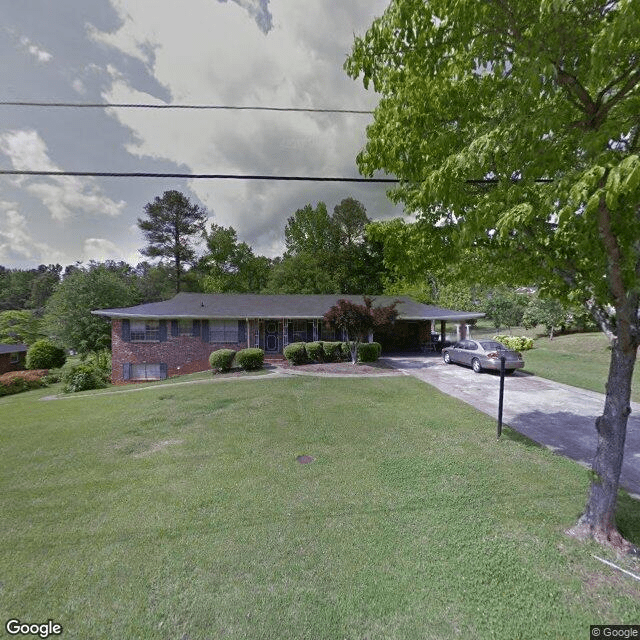
2130 Plum Lane, Austell, GA 30106
For more information about senior living options: (866) 208-4318
Latulippe Pch Svcs Costs & Pricing
Latulippe Pch Svcs offers competitive pricing for care services, particularly when compared to average costs within Douglas County and the broader state of Georgia. For semi-private accommodations, residents can expect a monthly fee of $1,750, which significantly undercuts both the county average of $2,318 and the state average of $2,529. Similarly, for private rooms, Latulippe Pch Svcs charges $2,150 - again lower than both Douglas County's average of $2,587 and Georgia's average of $2,864. This positioning not only highlights the affordability of Latulippe Pch Svcs but also underscores its commitment to providing quality care while being mindful of financial considerations for families seeking assisted living solutions.
| Floor plans | Latulippe Pch Svcs | Douglas County | Georgia |
|---|---|---|---|
| Semi-Private | $1,750 | $2,318 | $2,529 |
| Private | $2,150 | $2,587 | $2,864 |
Memory care communities with a similar price nearby
-
About the same
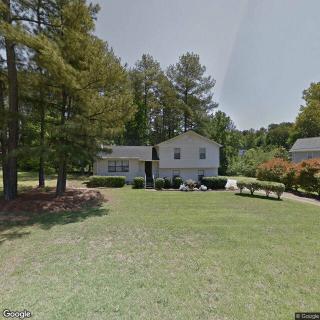
Agape Haven Personal Care Home
$1,800 to $2,000 / month3.5 miles away -
About the same
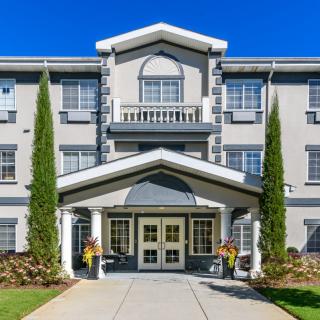
Villa Palazzo Senior Living Community
$1,800 to $3,850 / month18.5 miles away -
About the same
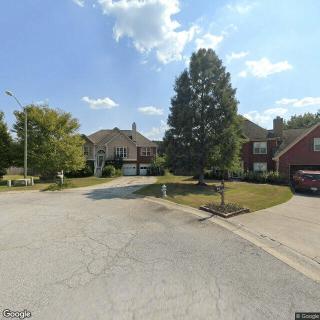
Clover Senior Living
$1,750 to $4,700 / month5.4 miles away -
from -$150 / mo
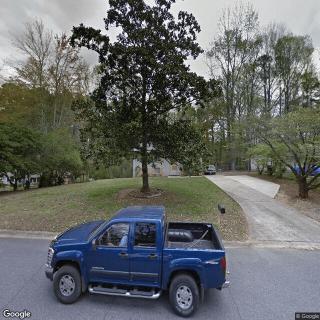
My Care Your Care Home
$1,600 to $1,900 / month2.8 miles away -
from +$250 / mo
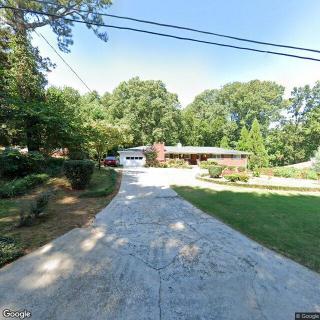
Orion Star Personal Care Home
$2,000 to $5,295 / month23.0 miles away
Overall Review of Latulippe Pch Svcs
Pros
 The mother was extremely well taken care of and loved.
- The proprietor is well liked and the facility seems like a good place.
- Latulippe is excellent.
- The place was spotless, odor-free, and the people seemed nice.
- Caregivers provide regular updates and maintain good communication with families.
- The food looks excellent and the resident eats it well.
- Latulippe is highly recommended to others.
Cons
 They felt the home care center looked like a personal residence.
- They believed the facility did not offer nursing care or skilled care.
- They were disappointed that they were not expected during the visit.
Review
Latulippe Pch Svcs in Austell, GA is best suited for families seeking a small, intimate, home-like setting where an older adult can receive remarkably personal attention, steady caregiver relationships, and reliable family updates without needing heavy clinical support on site. This community shines for residents who thrive in a warm, well-kept environment: spotless, odor-free, and inviting, with meals that satisfy picky eaters and staff who cultivate a loving, comfortable daily routine. For families, the standout value is the sense that a loved one is genuinely cared for and protected by caregivers who know their preferences and routines, reducing the constant worry that often accompanies senior transitions.
There are clear reasons to consider alternatives, especially for residents with greater medical or rehabilitative needs. The most frequently voiced caveat is the lack of explicit on-site skilled nursing and around-the-clock clinical oversight. One reviewer underscored the need for a facility with a nurse and skilled care, noting a mismatch between appearance and medical capability. For families prioritizing robust nursing services, rehab availability, or memory-care specialties, Latulippe may not deliver the required level of medical infrastructure, and a larger, more clinically oriented community would be a better fit.
The strongest pros here speak directly to the resident experience and family peace of mind. Caregivers are described as loving, attentive, and consistently communicative, with staff-given updates that can ease parental worry when a health issue arises. The atmosphere is consistently praised as friendly and safe, and the proprietor’s involvement is noted, an asset for families seeking stability and hands-on leadership. The preference for a high-quality, appealing dining experience also stands out; food is described as attractive and satisfying, an important factor for daily satisfaction and routine. Taken together, these strengths create a reliable scaffolding of daily comfort that can offset the absence of robust clinical services for many residents.
That said, the potential con remains a meaningful constraint for decision-makers facing medical complexity. The absence (or at least the unclear presence) of on-site nursing means that Latulippe is best evaluated as an assisted-living option with strong day-to-day caregiving rather than a medical or post-acute facility. The “home-like” appearance, while comforting, can raise questions about whether medical emergencies can be managed onsite without delays. Families must consider whether continuous nursing presence, on-site LPNs/RNs, medication management, and access to therapy services align with the resident’s current and anticipated needs. In short, the pros deliver remarkable day-to-day quality, but the con is a real contraindication for those requiring formal clinical coverage.
To navigate this decision effectively, pursue a focused tour and exact confirmations. Ask about staffing patterns, including whether licensed nurses are available on-site, how medications are managed, and what levels of medical oversight exist after hours. Inquire about emergency response protocols, coordination with outside healthcare providers, and the availability of therapy or hospice services if future needs arise. Request a thorough meal plan and a review of daily activity calendars to assess whether cognitive engagement, social opportunities, and physical activity match the resident’s preferences. Finally, engage a candid discussion with the staff about family updates, response times, and how concerns are escalated, the best facilities translate care into transparent, reliable communication.
Ultimately, Latulippe Pch Svcs earns a thoughtful, confident recommendation for residents who value warmth, attentiveness, and daily quality of life in a compact, home-like setting. It is a solid fit for families seeking a supportive, loving environment where caregivers know the resident well and the dining and living routines feel natural and comforting. For families prioritizing strong on-site medical nursing, routine skilled care, or specialized dementia support, exploring alternatives with a more robust clinical footprint is prudent. The community’s overall rating reflects solid performance across most experiences, tempered by a single reviewer’s clear preference for greater medical capability. For the right resident, Latulippe offers peace of mind and genuine daily quality; for those with higher medical needs, it should be weighed against facilities that foreground clinical staffing.
 6 resident community capacity
 Assisted Living
 Board and Care Home
 Memory Care
 Activities on-site
 Cable or satellite TV
 Devotional services on-site
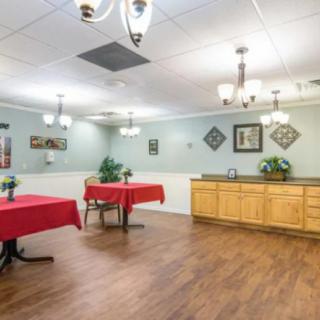
 Dining room
 Fully furnished
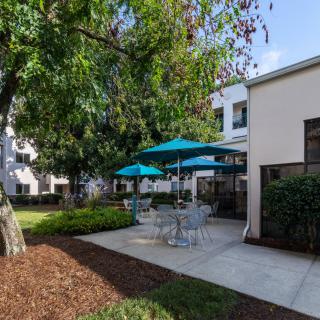
 Garden
 Housekeeping services
 Indoor common areas
 Move-in coordination
 Outdoor common areas
 Private
 Private bathrooms
 Respite or short term stays offered
 Telephone
 Wi-Fi/high-speed internet available
 William B Hartsfield-Atlanta International (18 miles away)
 24-hour supervision
 Ambulatory care
 Assistance with bathing
 Assistance with dressing
 Assistance with transfers
 Diabetes diet
 Incontinence care
 Meal preparation and service
 Medication management
 Special dietary restrictions
 Transportation arrangement (medical)
 Transportation to doctors appointments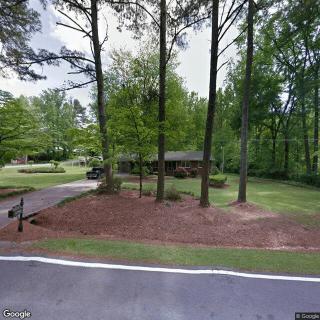

 Dementia, Paranoia, and Caregiver Guidance: Understanding the Connection
 Engaging Memory Care Activities That Enhance Quality of Life
 When to Transition from Assisted Living to Memory Care: Key Indicators, Steps, and Finding the Right Community