Delmar Gardens of Smyrna offers competitive pricing for its various room types when compared to both Cobb County and the broader state of Georgia. The cost for a semi-private room at Delmar Gardens is $2,425, which is slightly higher than the county average of $2,367 but remains lower than the state average of $2,529. For a studio, residents will find the monthly rate at Delmar Gardens to be $2,495, significantly more affordable than both Cobb County and Georgia's averages of $3,482 and $3,520, respectively. Similarly, the one-bedroom unit is priced at $3,325 - just above the county's figure of $3,303 while still being more budget-friendly than Georgia's statewide average of $3,412. Lastly, for those seeking more space with two bedrooms, Delmar Gardens' rate of $3,995 sits comfortably within reach compared to Cobb County's cost of $3,824 and Georgia's average of $3,921. Overall, Delmar Gardens presents a range of options that strike a balance between quality and affordability in comparison to local and state averages.
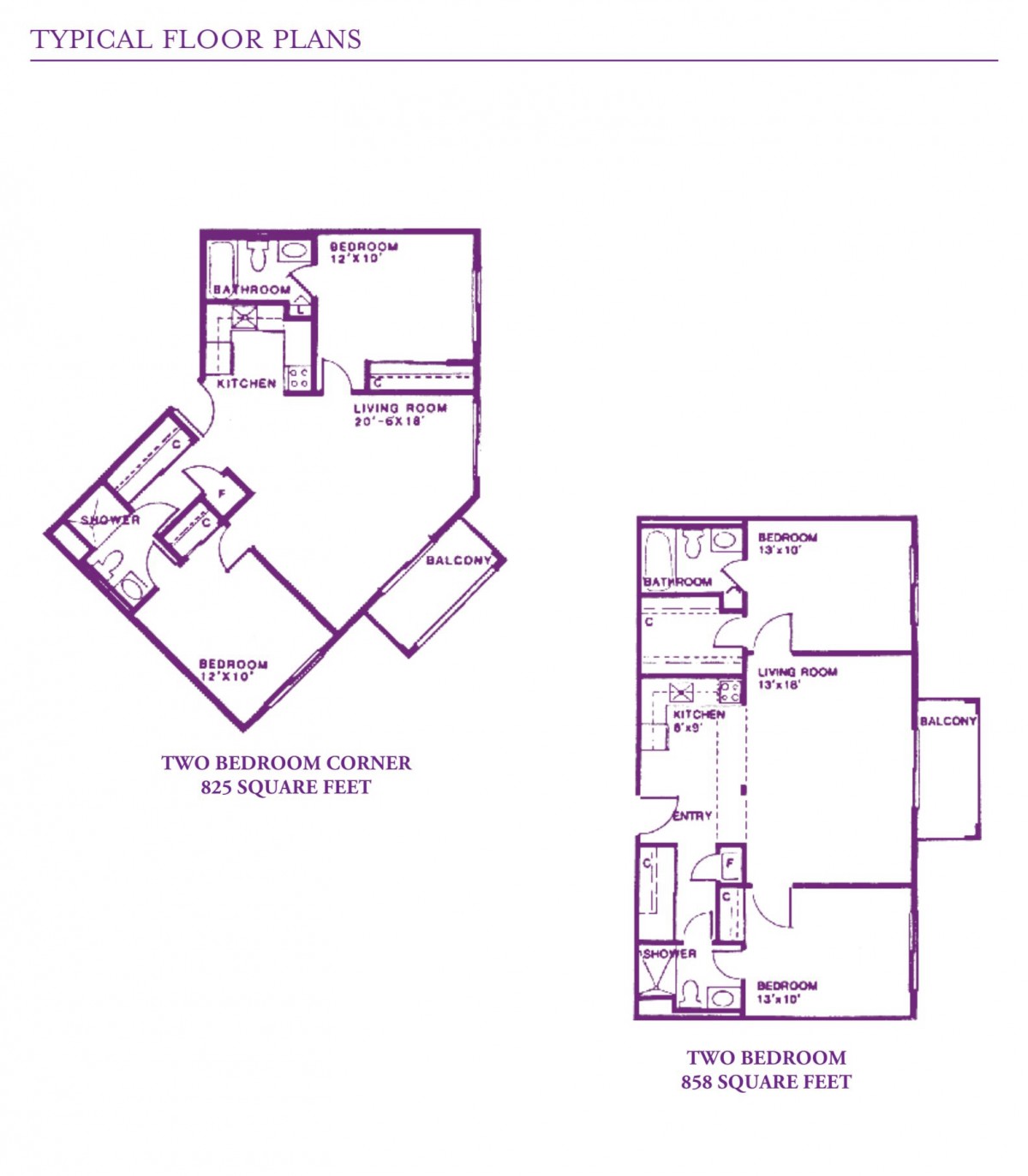
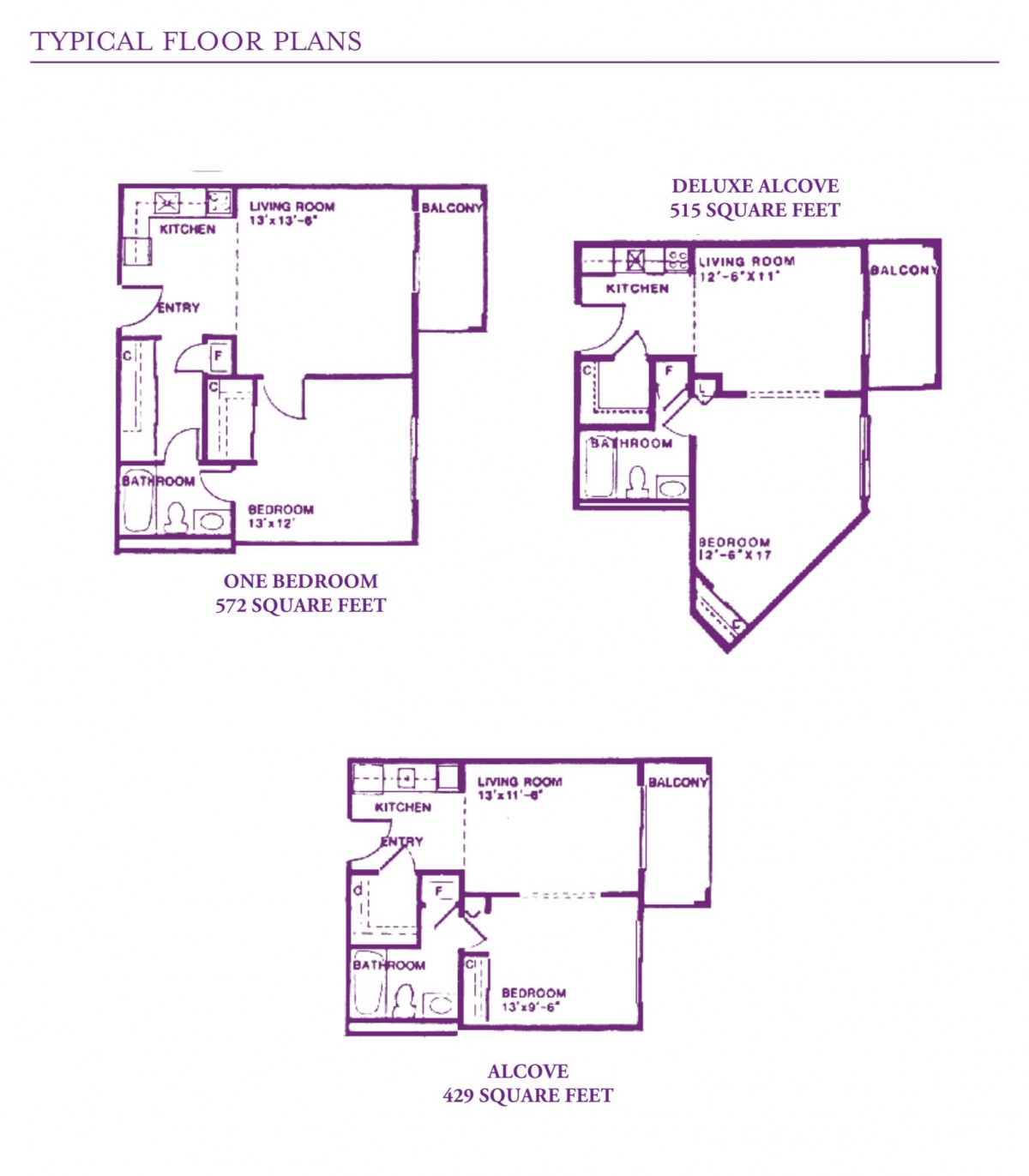
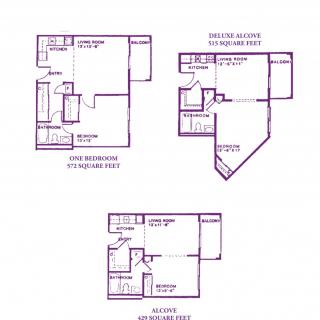
Floor plans
Delmar Gardens of Smyrna
Cobb County
Georgia
Semi-Private
$2,425
$2,367
$2,529
Studio
$2,495
$3,482
$3,520
1 Bedroom
$3,325
$3,303
$3,412
2 Bedrooms
$3,995
$3,824
$3,921
Assisted Living communities with a similar price nearby
Residents and families frequently describe staff as caring, responsive, and professional.
A large number of reviews highlight staff attentiveness and kindness, with residents or families saying needs are met and concerns get addressed. Some reviewers also single out specific people as supportive during moving in or day-to-day care, and others mention staff working hard to maintain a good living standard.
At the same time, several reviews are sharply negative, describing rude interactions, poor follow-through, and a lack of help at key moments. Taken together, the reviews point to a wide range of experiences with communication and reliability.
common18 reviews mention this
Activities keep residents engaged
Many residents benefit from frequent scheduled activities and entertainment.
Reviews repeatedly mention daily or frequent activities, including group events, performances, and outings, along with residents appearing engaged and content. Several people describe a social environment where it is easier to meet others, and they also mention religious or spiritual programming as part of the activity calendar.
A few reviews add nuance: some people say there are activities but not always enough later in the day, and others mention that the size of the community can make it feel hard to stay connected for everyone. Overall, activities are a consistent part of the day-to-day experience described in the reviews.
common12 reviews mention this
Dining is praised and criticized
Dining gets both positive comments and complaints about meal quality and service.
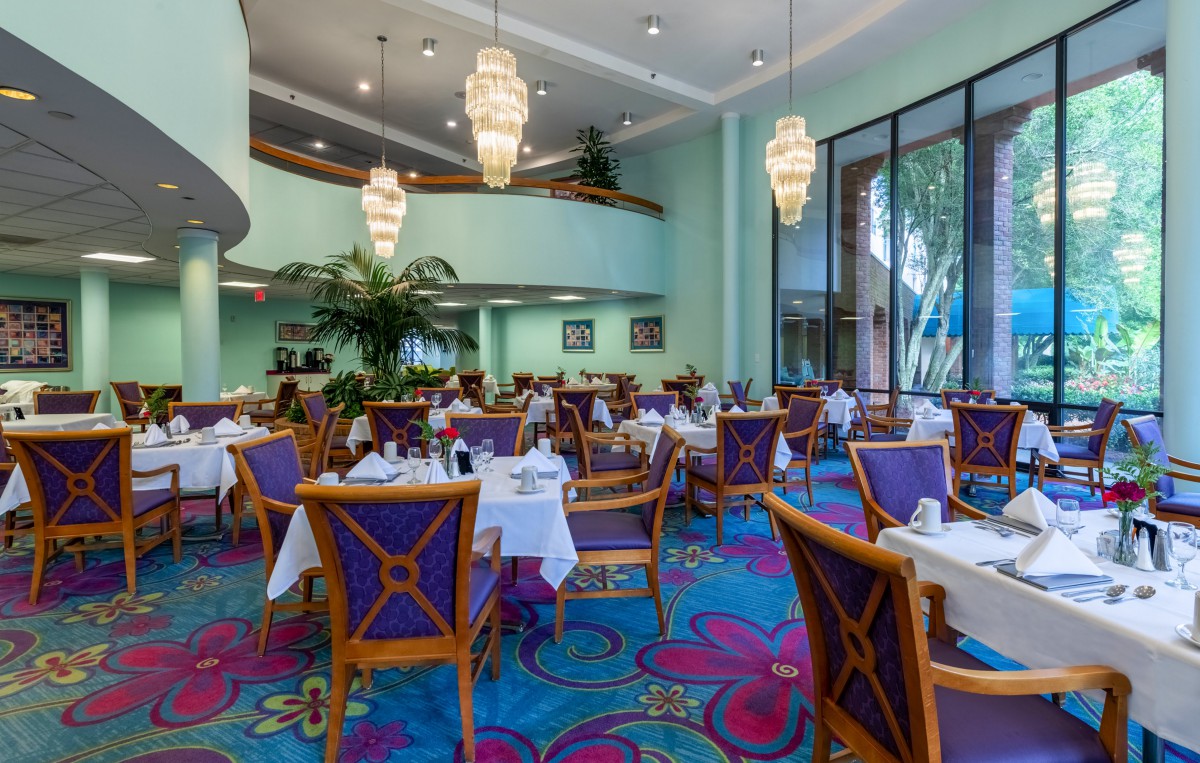
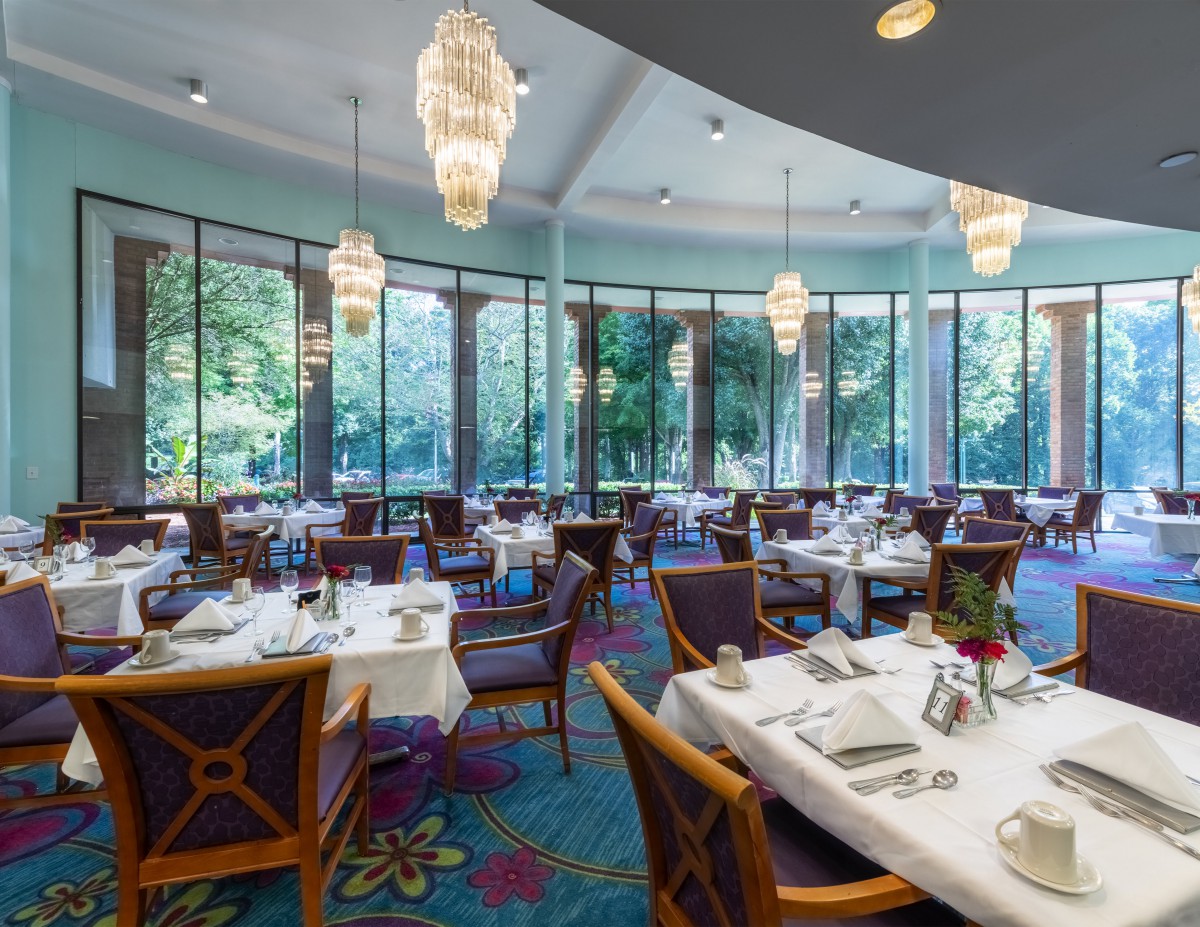
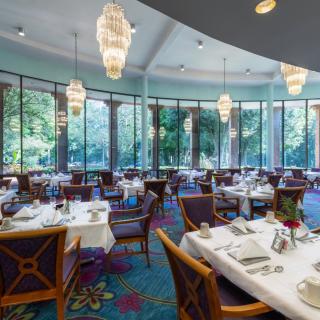
Many reviews say meals are good and that dining spaces feel pleasant, with some families noting regular meals and dietary accommodations. A few reviewers also describe a restaurant-style dining setup and mention staff or residents enjoying shared dining experiences.
Other reviews take issue with the food and meal service, describing meals as cold and saying meal quality varies. There are also comments about desserts not being available when offered and about food not meeting expectations during visits.
caveat6 reviews mention this
Pricing feels high for some
Some reviews say the community is getting more expensive than expected.
A few reviews explicitly raise cost concerns, with at least one person saying the facility is starting to cost more and another noting the move-in decision involved balancing location and price. One review also contrasts what is included (only one meal in basic rent) versus what they were expecting when touring.
The pricing is also positioned as above county levels across multiple unit types in the listed ranges, while some unit categories fall below state comparisons. For shoppers, the reviews suggest you may want to confirm what is included versus what becomes an add-on based on your needs.
caveat10 reviews mention this
Cleanliness and maintenance concerns
Multiple reviews report hygiene and maintenance problems that affected comfort.
Several reviews describe unpleasant odors and hygiene-related issues, including urine-related smells and concerns about cleanliness in common areas and hallways. Other reviewers mention pest problems such as roaches and bugs.
There are also complaints about maintenance follow-up and the time it takes to address issues, plus reports of dirty or worn surroundings. While other reviews say the building is clean, the negative reviews suggest it may be important to ask how quickly maintenance issues are handled and what cleanliness standards are being maintained consistently.
How we summarize
Counts show how many written reviews mention each theme; a review can touch several themes, and only frequently mentioned themes are displayed.
Features
Housing
1-bedroom apartments
2-bedroom apartments
Studio apartments
Types of Care
Assisted Living
Independent Living
Pets
Cats allowed
Dogs allowed
Amenities
Activities off-site
Activities on-site
Air-conditioning
Bath tubs
Beautician on-site
Cable or satellite TV
Devotional services off-site
Devotional services on-site
Dining room
Full kitchen
Garden
Garden view
Golf
Ground floor units
Handicap accessible
Housekeeping services
Indoor common areas
Kitchenette
Outdoor common areas
Private patio, deck, or balcony
Respite or short term stays offered
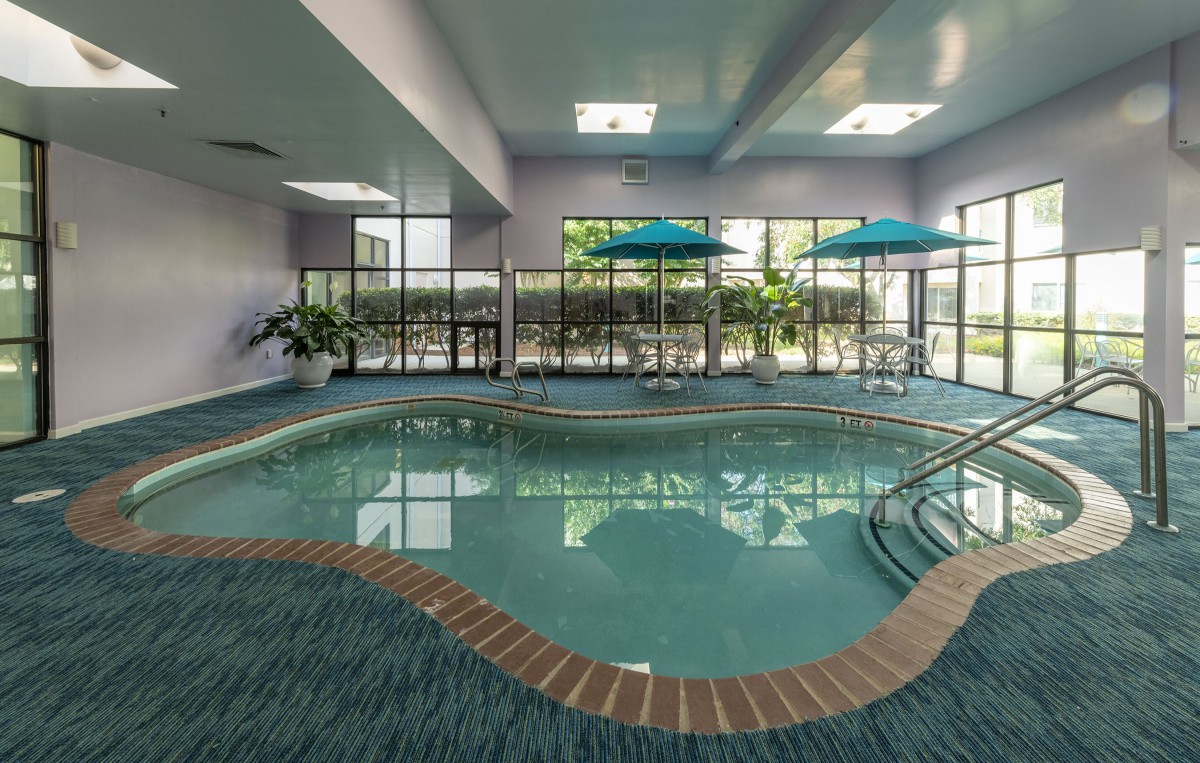
Swimming pool
Swimming pool / hot tub
TV room
Wheelchair accessible showers
Wi-Fi/high-speed internet available
Transportation
William B Hartsfield-Atlanta International (16 miles away)
Transportation & parking
Care Services
Ambulatory care
Diabetic care
High acuity care
Incontinence care
Medication management
Dining
Gluten-free
Guest meals
International cuisine
Kosher
Low / no sodium
Meals provided
No Sugar
Professional chef
Restaurant style dining
Room service
Vegan
Vegetarian
Activities
Activities off-site
Art classes
Catholic services
Cooking classes
Day trips and outings
Devotional activities offsite
Devotional activities on-site
Educational speakers / life long learning
Karaoke
Live well programs
Protestant services
Visiting chaplain or priest
Wine tasting
Nearby Places of Interest
This part of Smyrna, Georgia offers a convenient and diverse range of facilities and amenities for seniors looking to settle in the area. There are several physicians' offices and pharmacies within close proximity, making healthcare easily accessible. Additionally, there are various restaurants catering to different tastes, as well as cafes for socializing with friends or enjoying a quiet cup of coffee. Nearby parks provide opportunities for leisurely walks or outdoor activities, while theaters offer entertainment options. The presence of hospitals and places of worship ensures that essential services are readily available. Overall, this area boasts a balance of convenience and recreation, making it a desirable location for seniors seeking a comfortable and vibrant community.
Physicians
Smyrna Family Medicine (0.2 miles)
Smyrna Eye Group (1.3 miles)
Atlanta Behavioral Care (1.4 miles)
Eye Consultants of Atlanta (3.5 miles)
Wellstar Medical Group Northwest Women's Care (3.7 miles)
Cobb Women's Center (5.1 miles)
Wellstar Cobb 1700 Building (5.1 miles)
Pharmacies
CVS Pharmacy (0.8 miles)
Walgreens (0.9 miles)
CVS Pharmacy (1.5 miles)
CVS Pharmacy (1.7 miles)
Walgreens (2.4 miles)
CVS Pharmacy (3 miles)
Walgreens (3 miles)
Restaurants
Los Bravos Mexican Restaurant (1.1 miles)
Monterrey Restaurant (1.4 miles)
Varners Restaurant & Tavern (1.5 miles)
Zama Mexican Cuisine & Margarita Bar (1.5 miles)
McDonald's (1.6 miles)
Chick-Fil-A (1.8 miles)
Chick-Fil-A (2.4 miles)
Cafes
Starbucks (1.6 miles)
Starbucks (1.7 miles)
Rev Coffee (1.9 miles)
Starbucks ThD (2.1 miles)
Starbucks (3.8 miles)
Chattahoochee Coffee (3.9 miles)
Starbucks (5 miles)
Parks
Cobb Park (2.1 miles)
Hurt Road Park (3.8 miles)
Cochran Shoals - Chattahoochee River (5.2 miles)
Westside Park (6.9 miles)
Laurel Park (7.1 miles)
Theaters
Silverspot Cinema (3.4 miles)
AMC Parkway Pointe 15 (3.8 miles)
Hospitals
USA Vein Clinics (4.8 miles)
Northwest Medical Center (5.1 miles)
Places of Worship
The Church of the Apostles (5 miles)
St John United Methodist Church (6.6 miles)
Transportation
Signature Flight Support FTY - Fulton County Airport (5.6 miles)
Delmar Gardens of Smyrna offers competitive pricing for its various room types when compared to both Cobb County and the broader state of Georgia. The cost for a semi-private room at Delmar Gardens is $2,425, which is slightly higher than the county average of $2,367 but remains lower than the state average of $2,529. For a studio, residents will find the monthly rate at Delmar Gardens to be $2,495, significantly more affordable than both Cobb County and Georgia's averages of $3,482 and $3,520, respectively. Similarly, the one-bedroom unit is priced at $3,325 - just above the county's figure of $3,303 while still being more budget-friendly than Georgia's statewide average of $3,412. Lastly, for those seeking more space with two bedrooms, Delmar Gardens' rate of $3,995 sits comfortably within reach compared to Cobb County's cost of $3,824 and Georgia's average of $3,921. Overall, Delmar Gardens presents a range of options that strike a balance between quality and affordability in comparison to local and state averages.
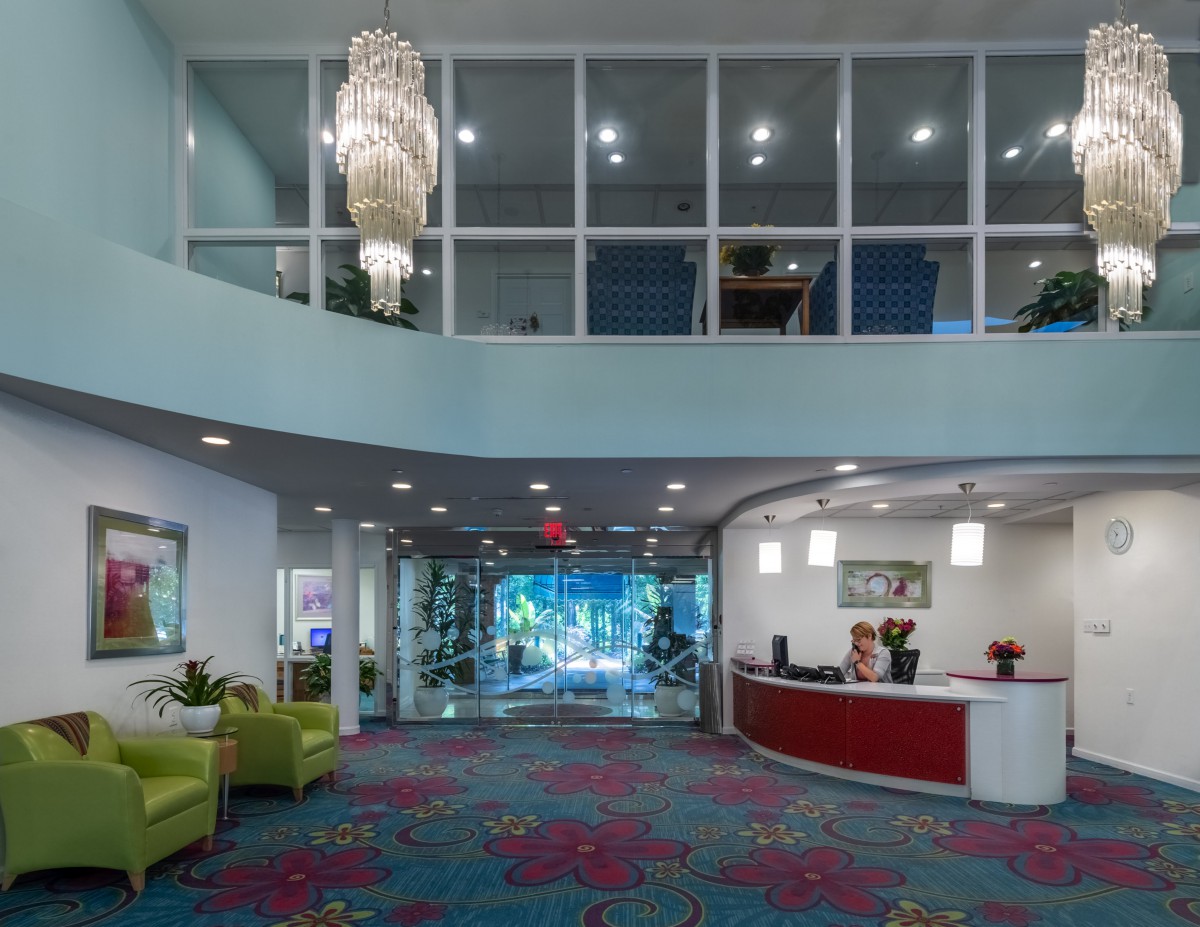
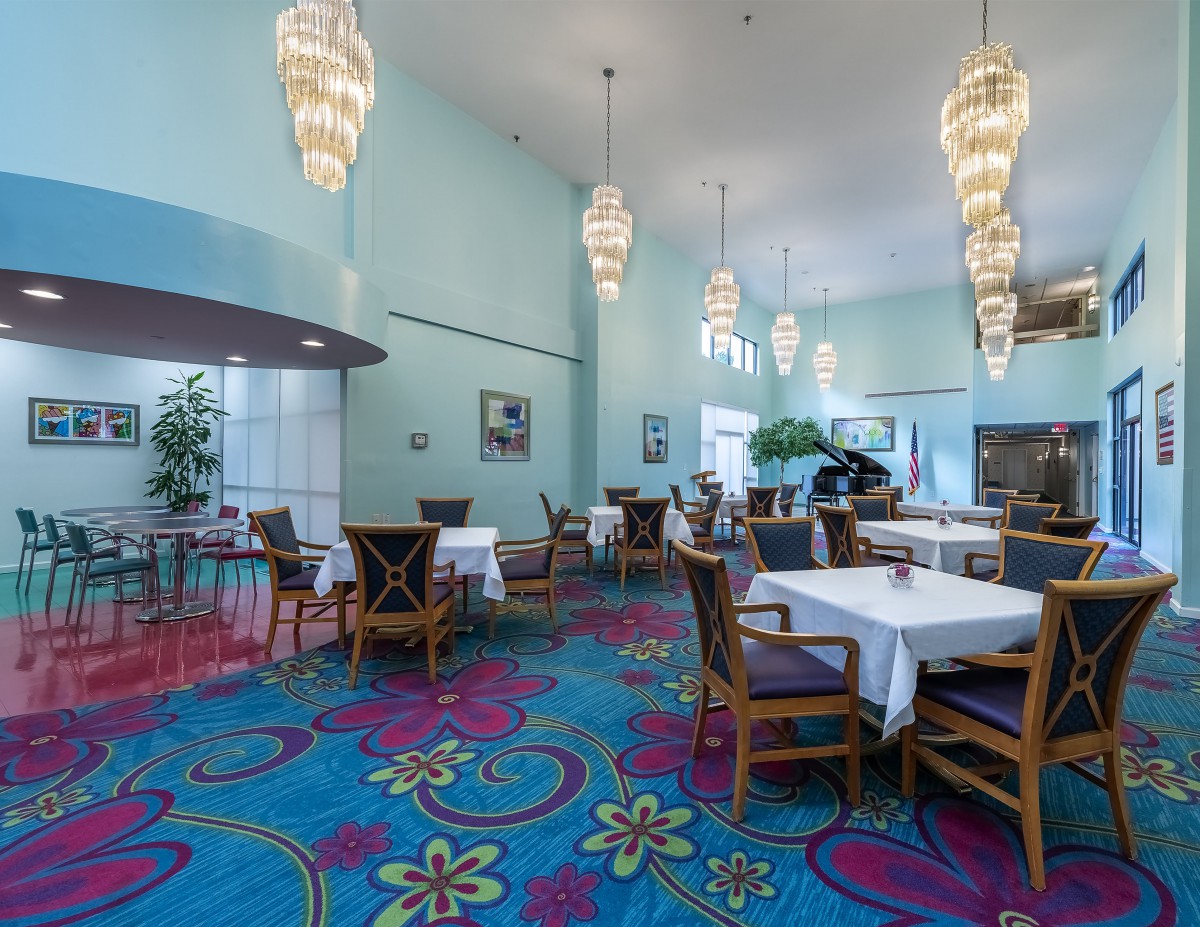
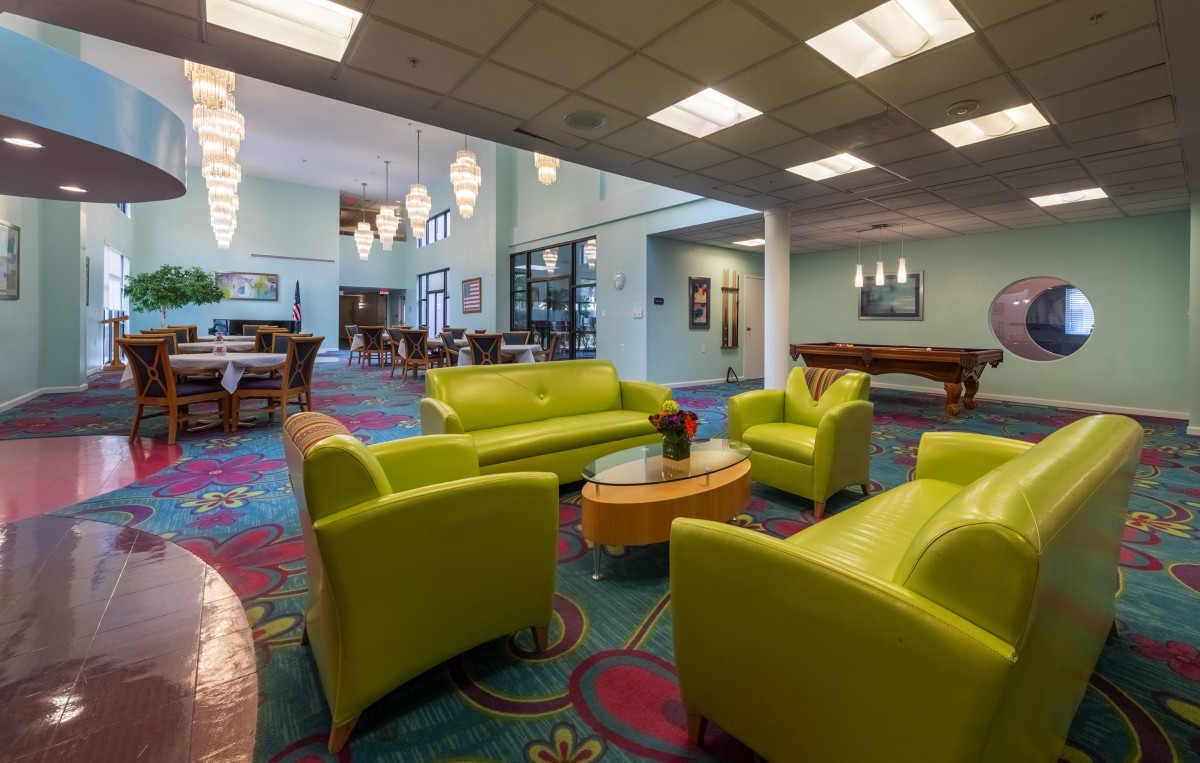
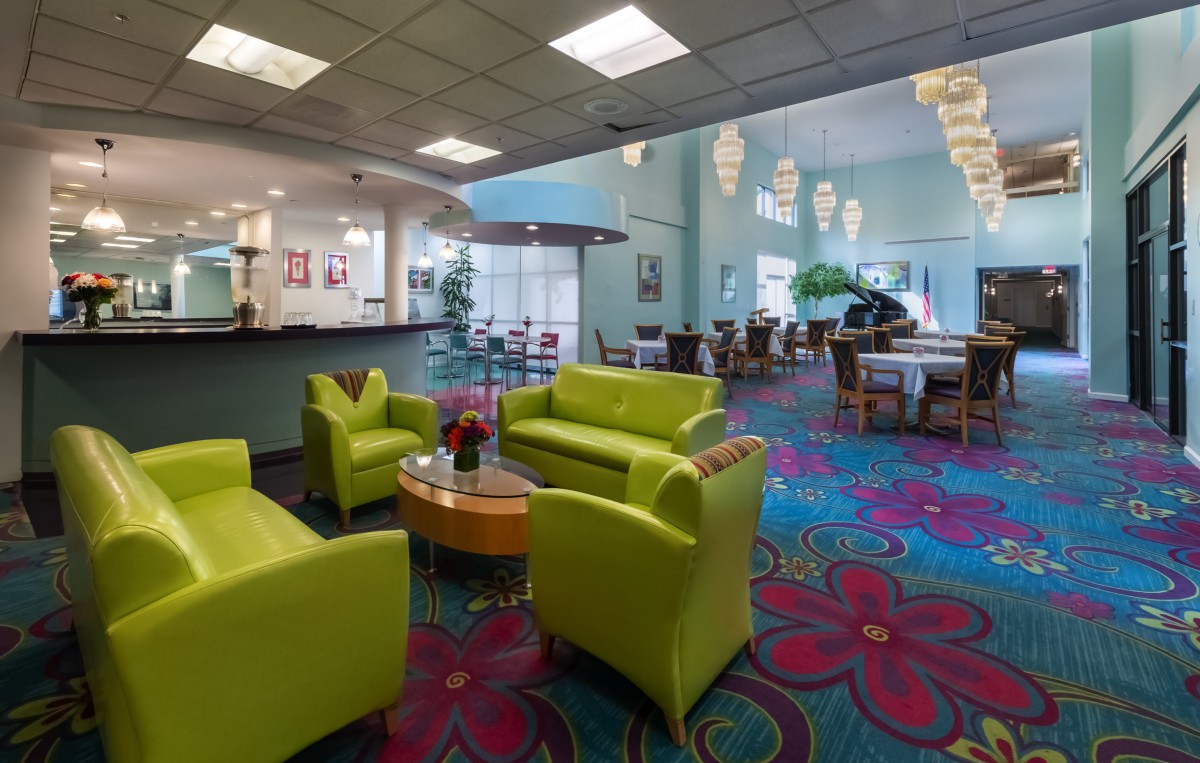
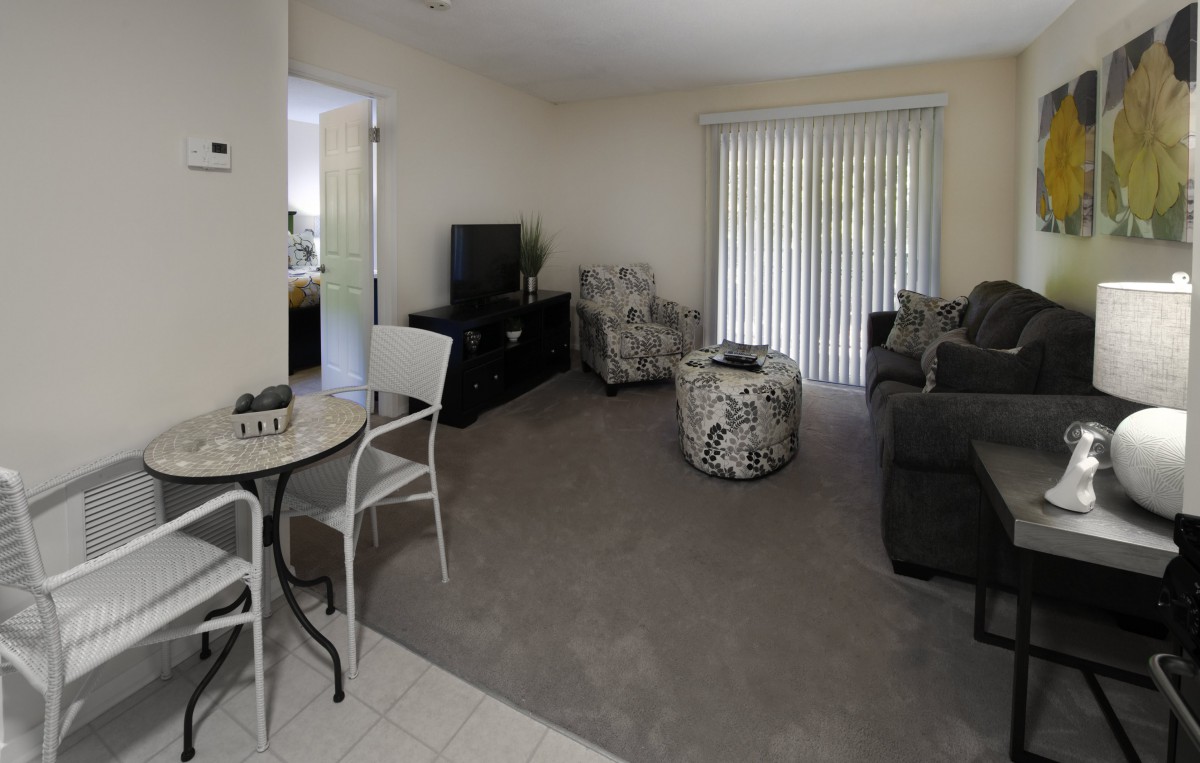
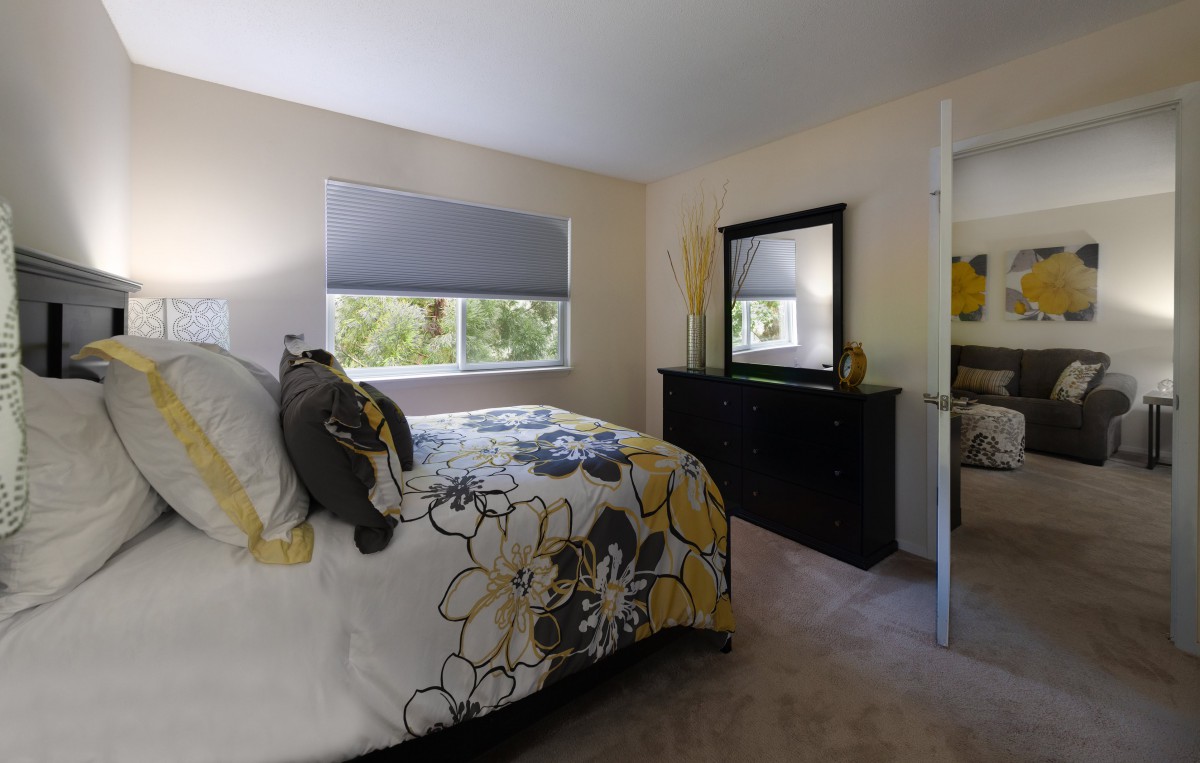
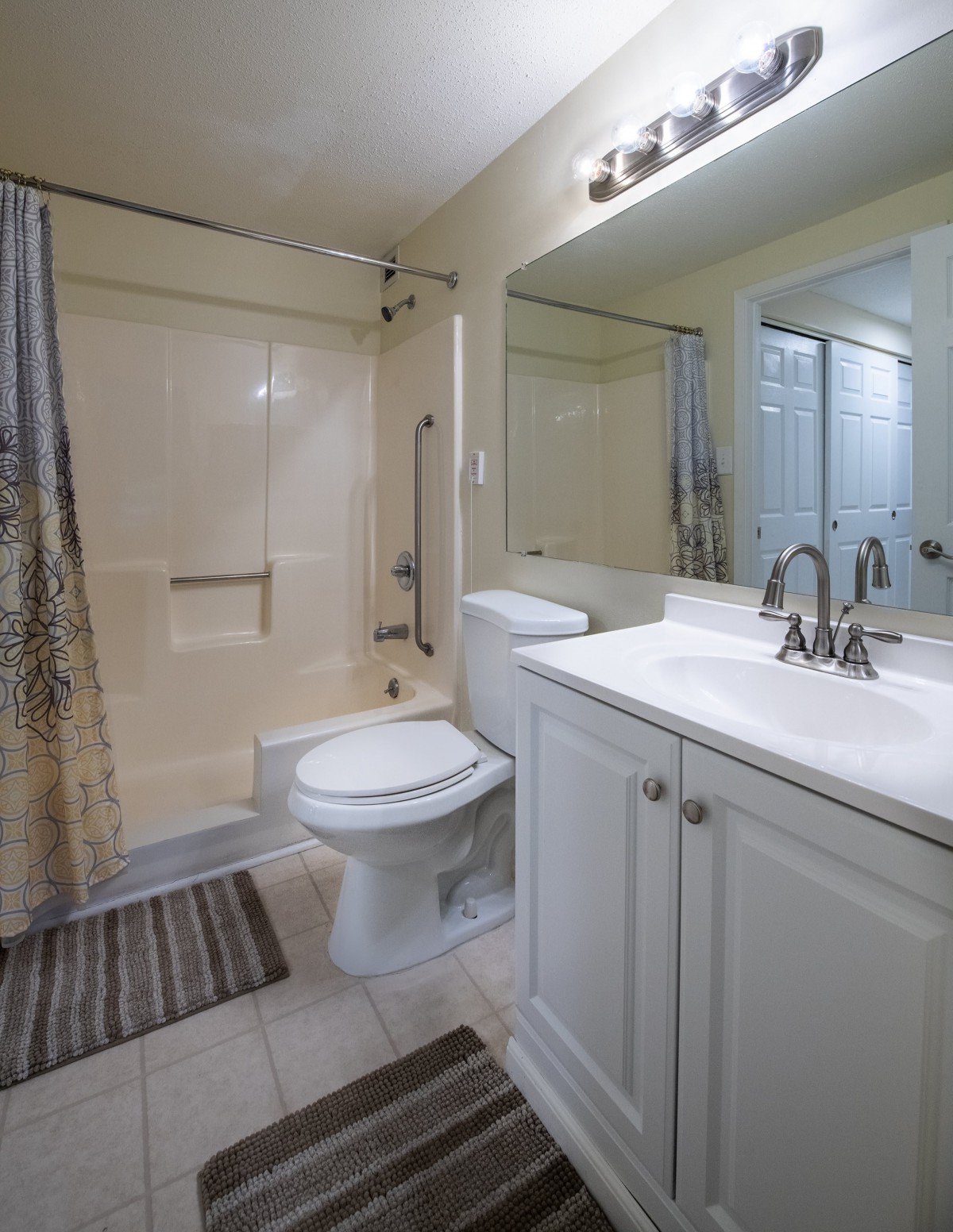
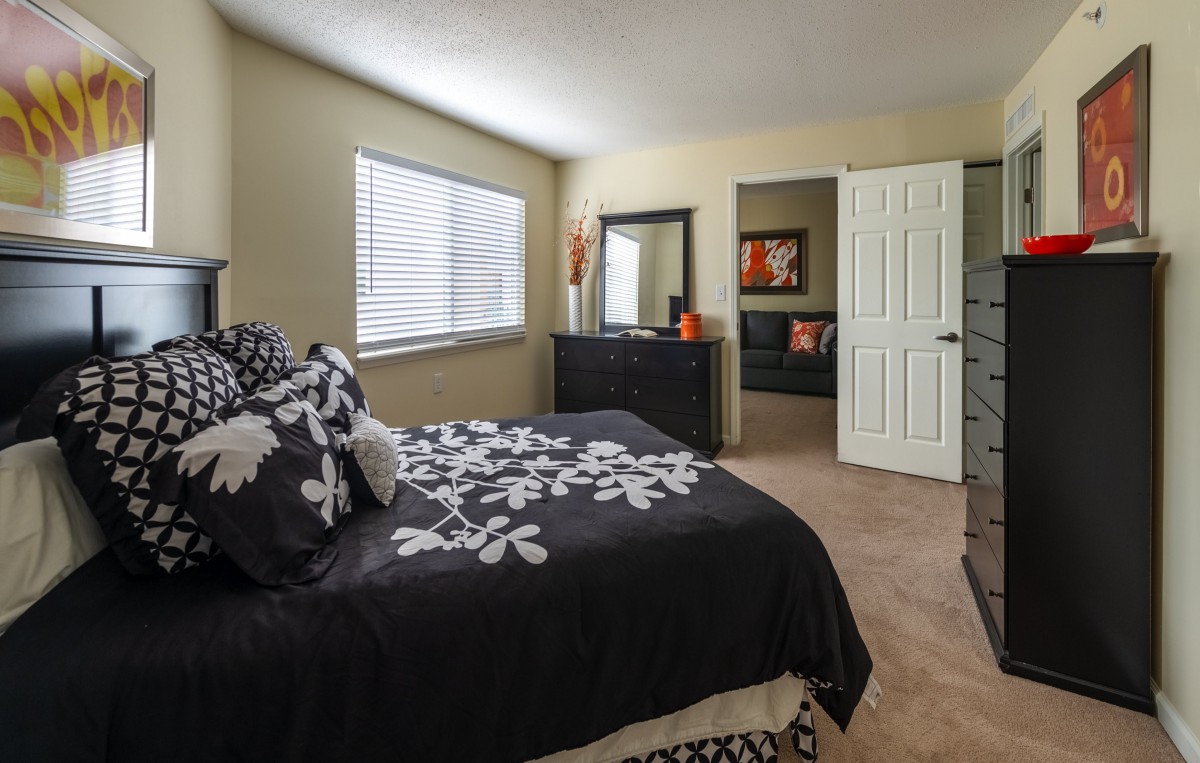
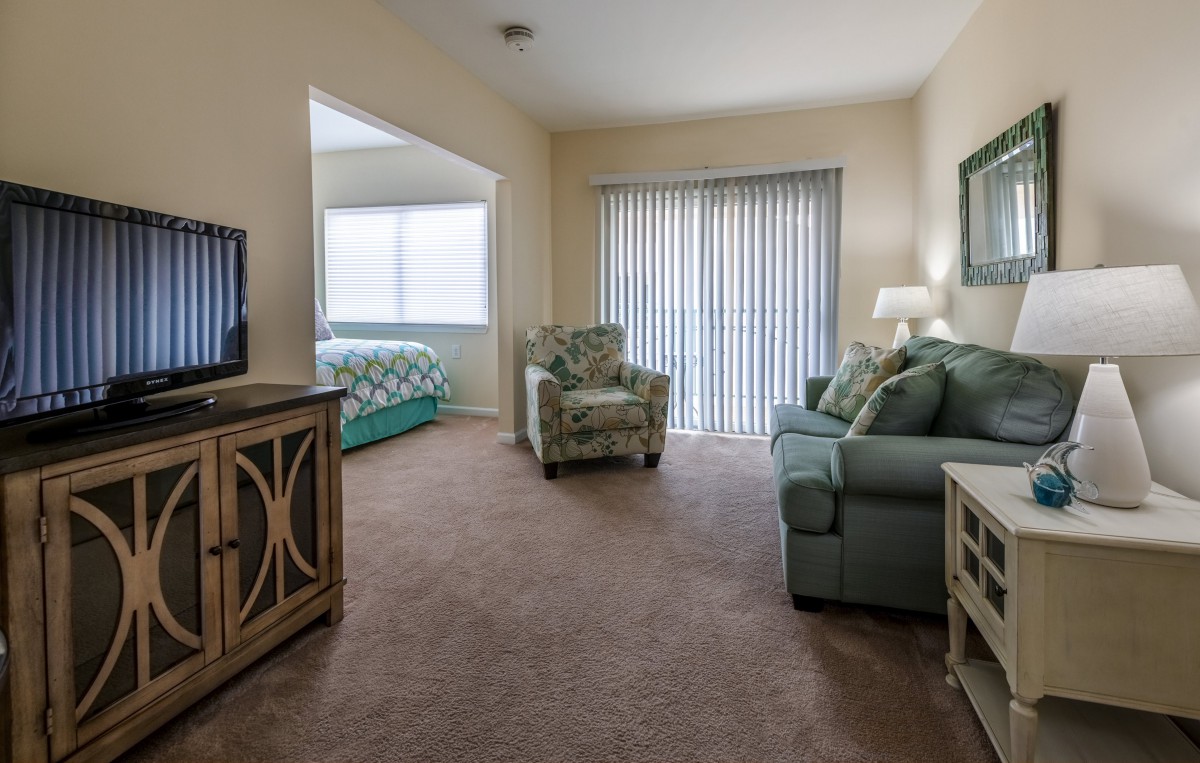
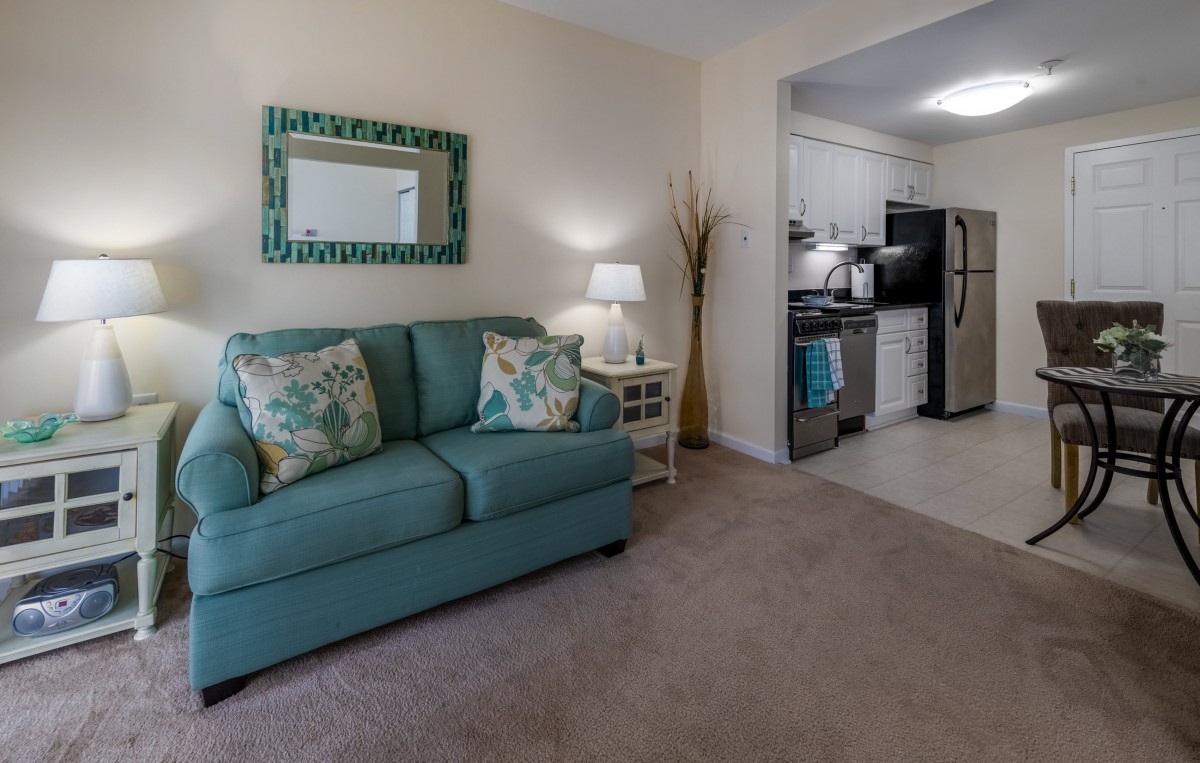
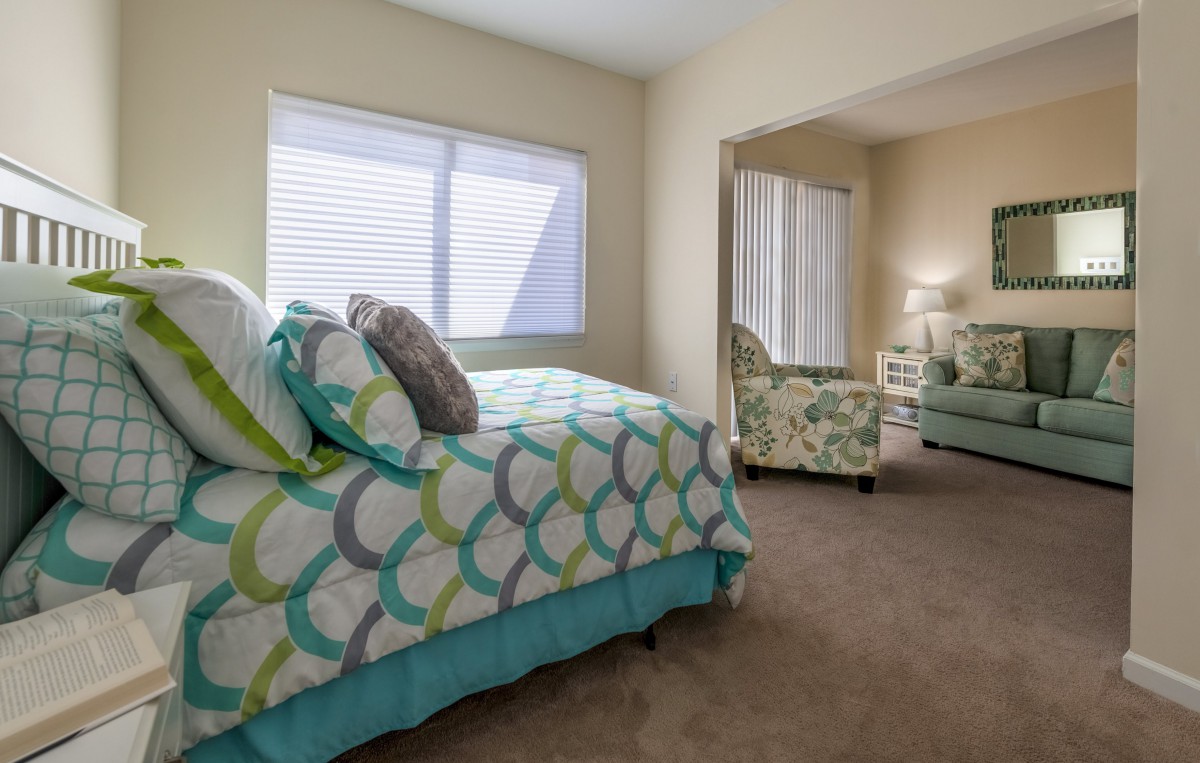
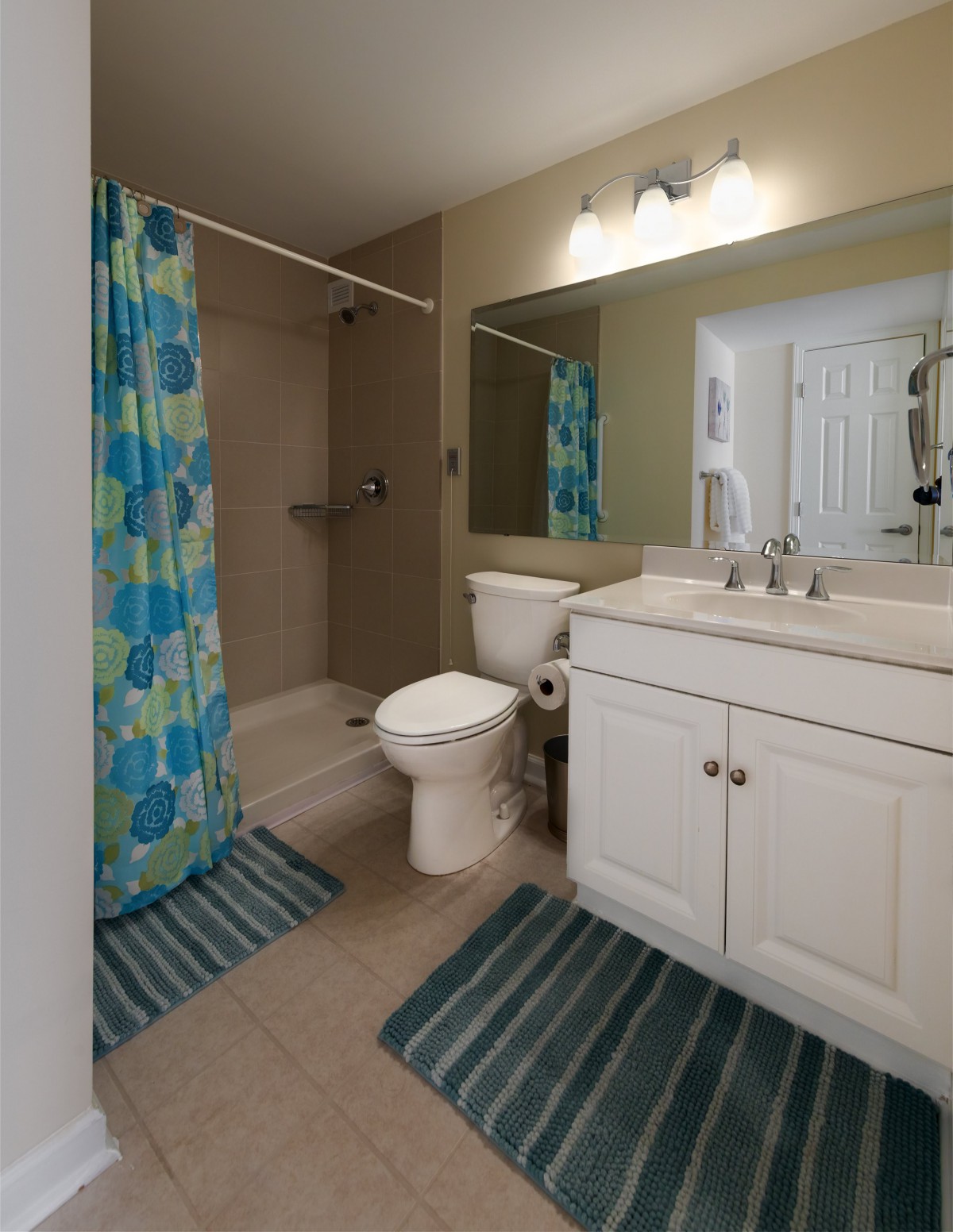
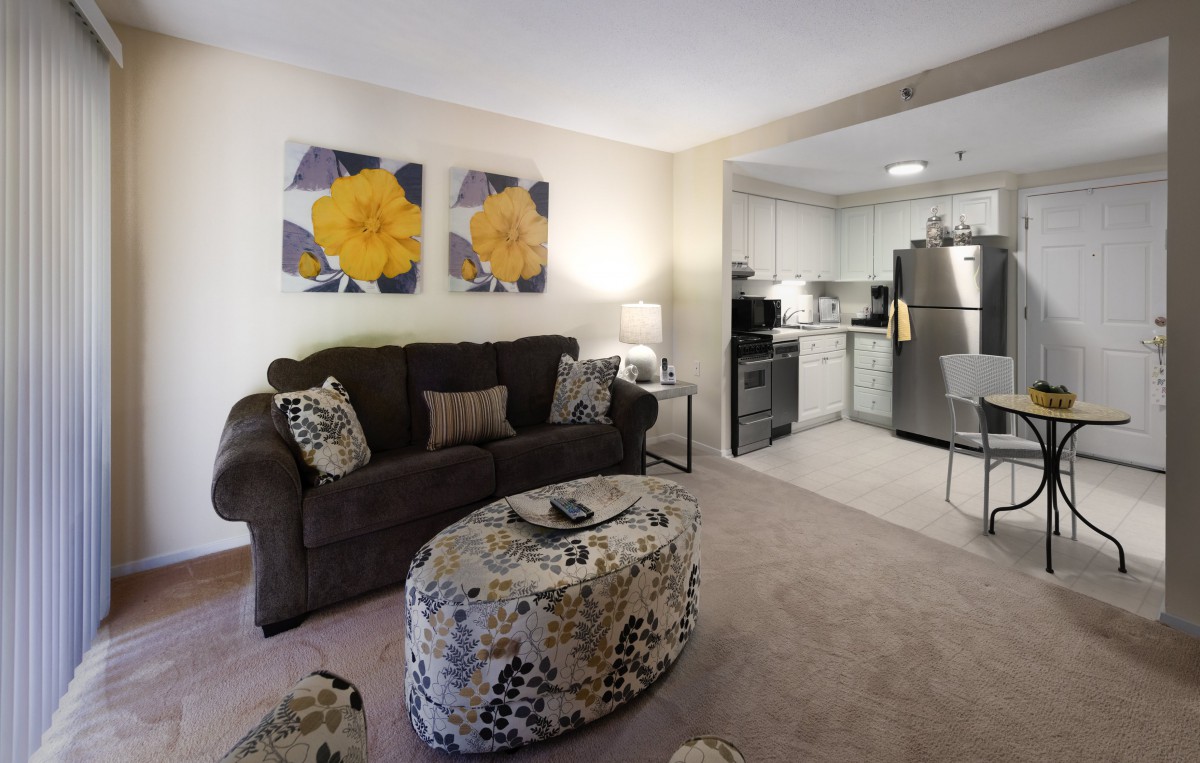
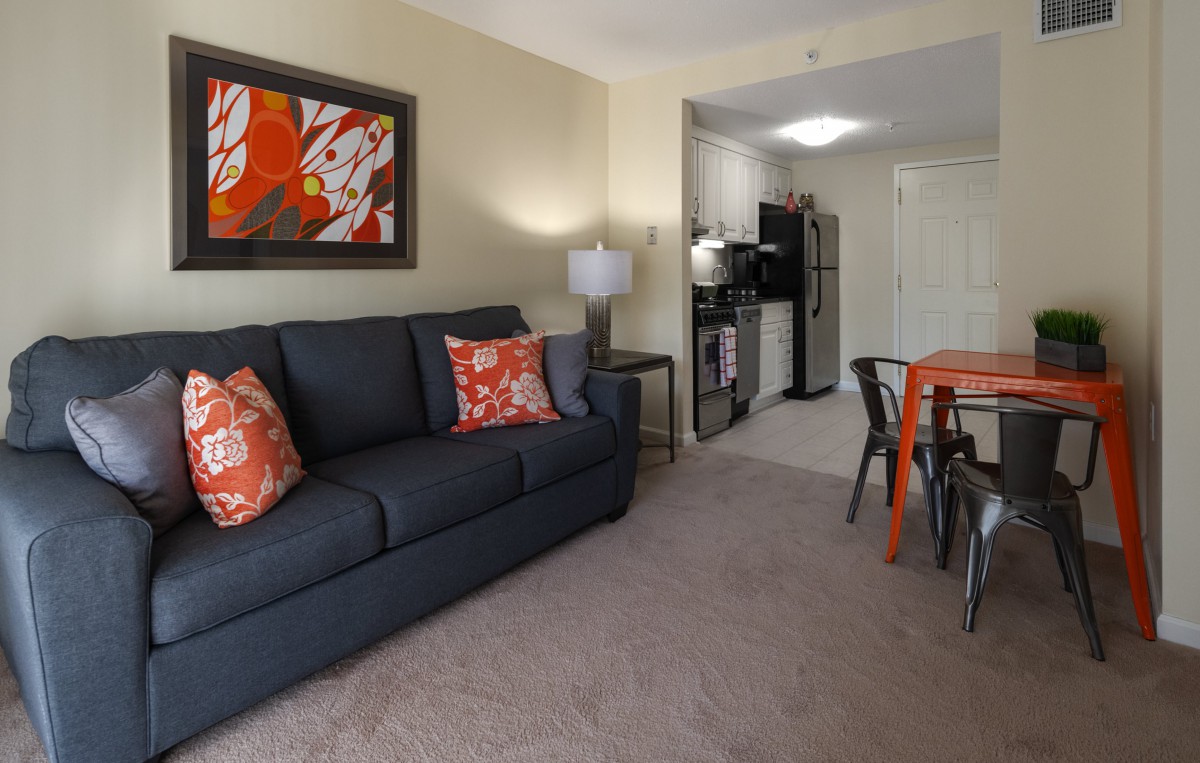
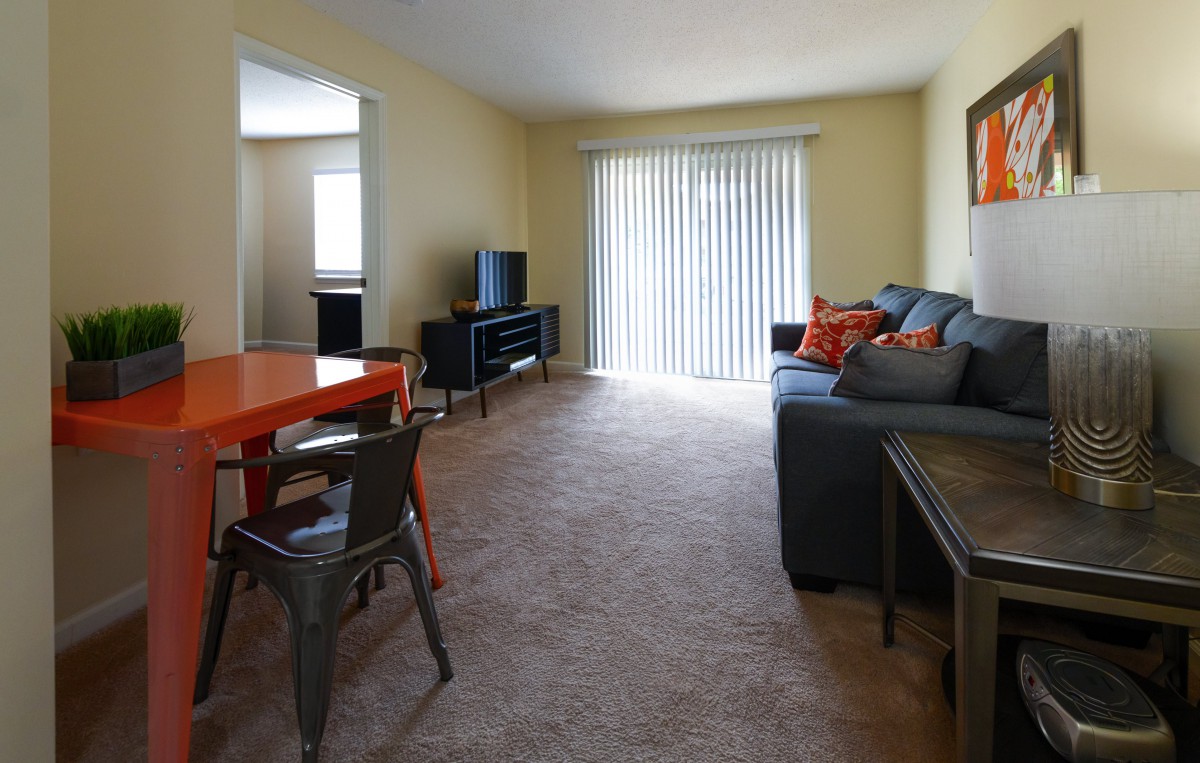
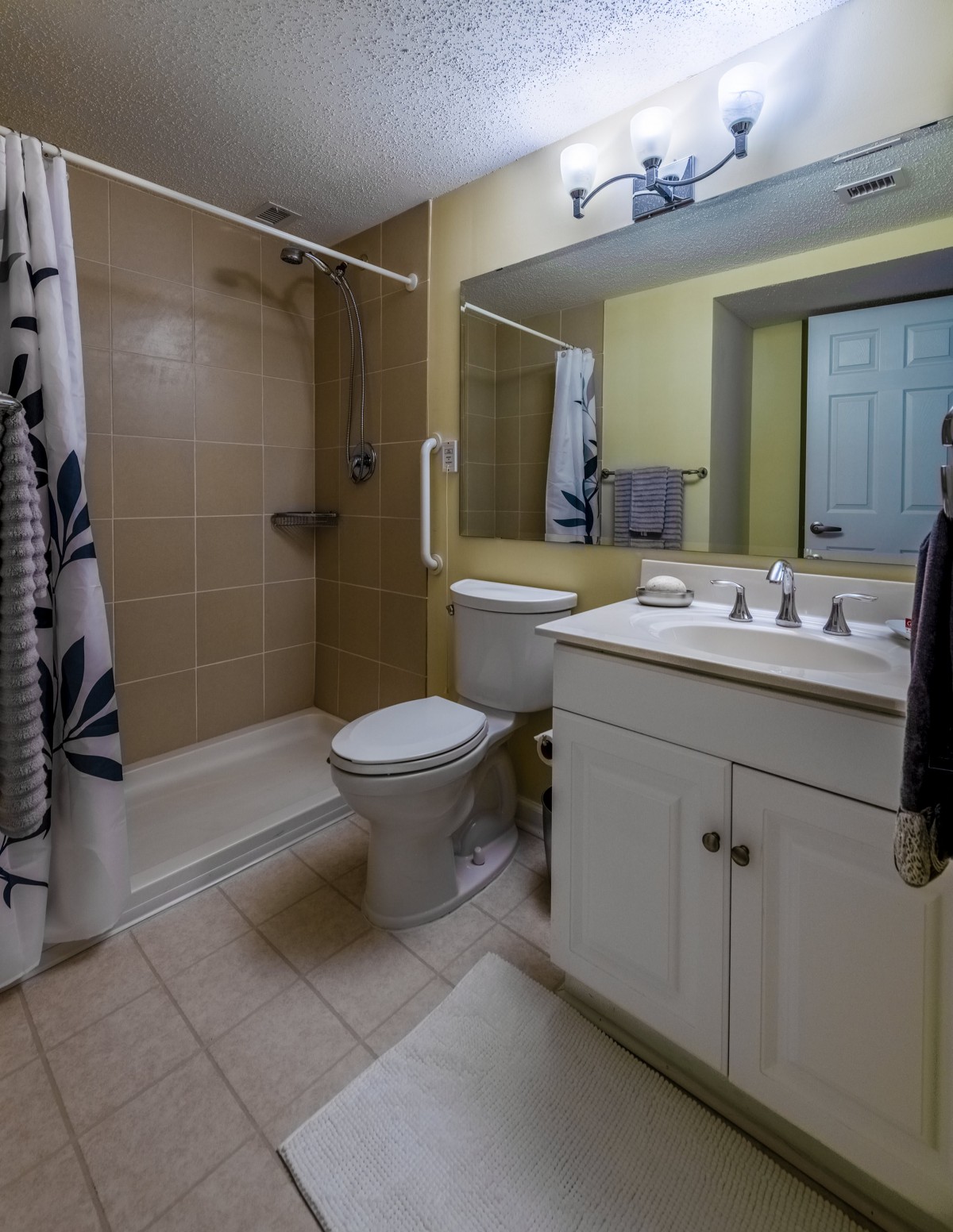
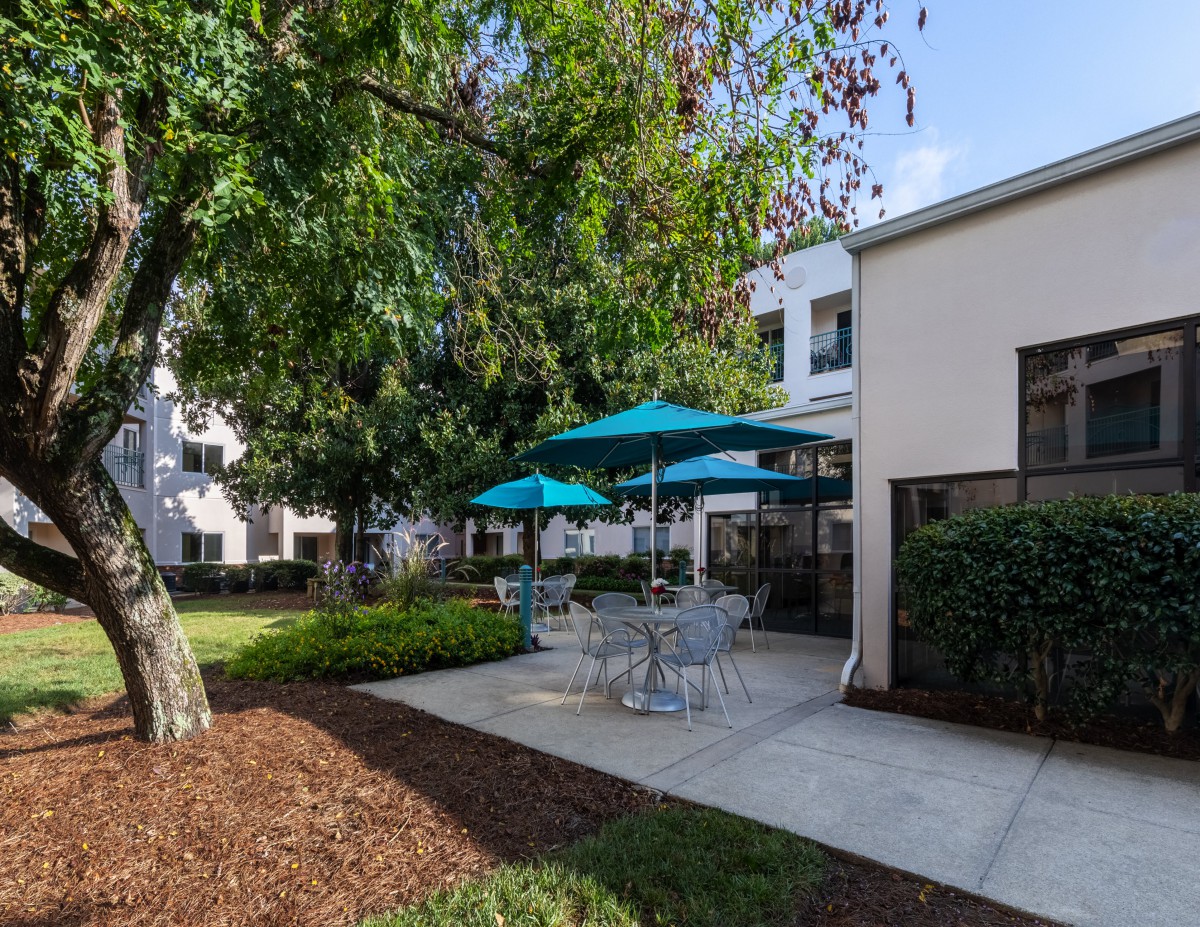
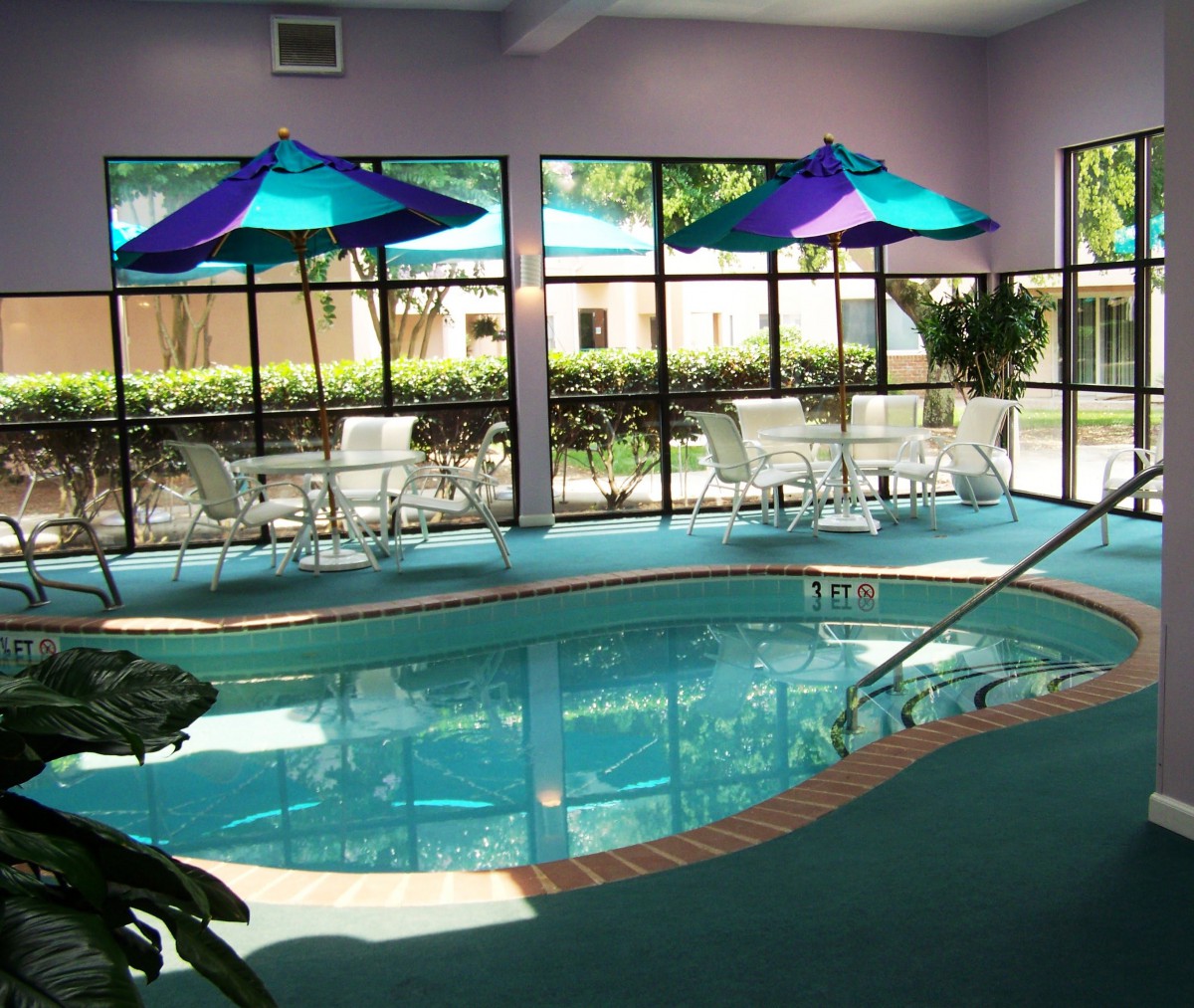
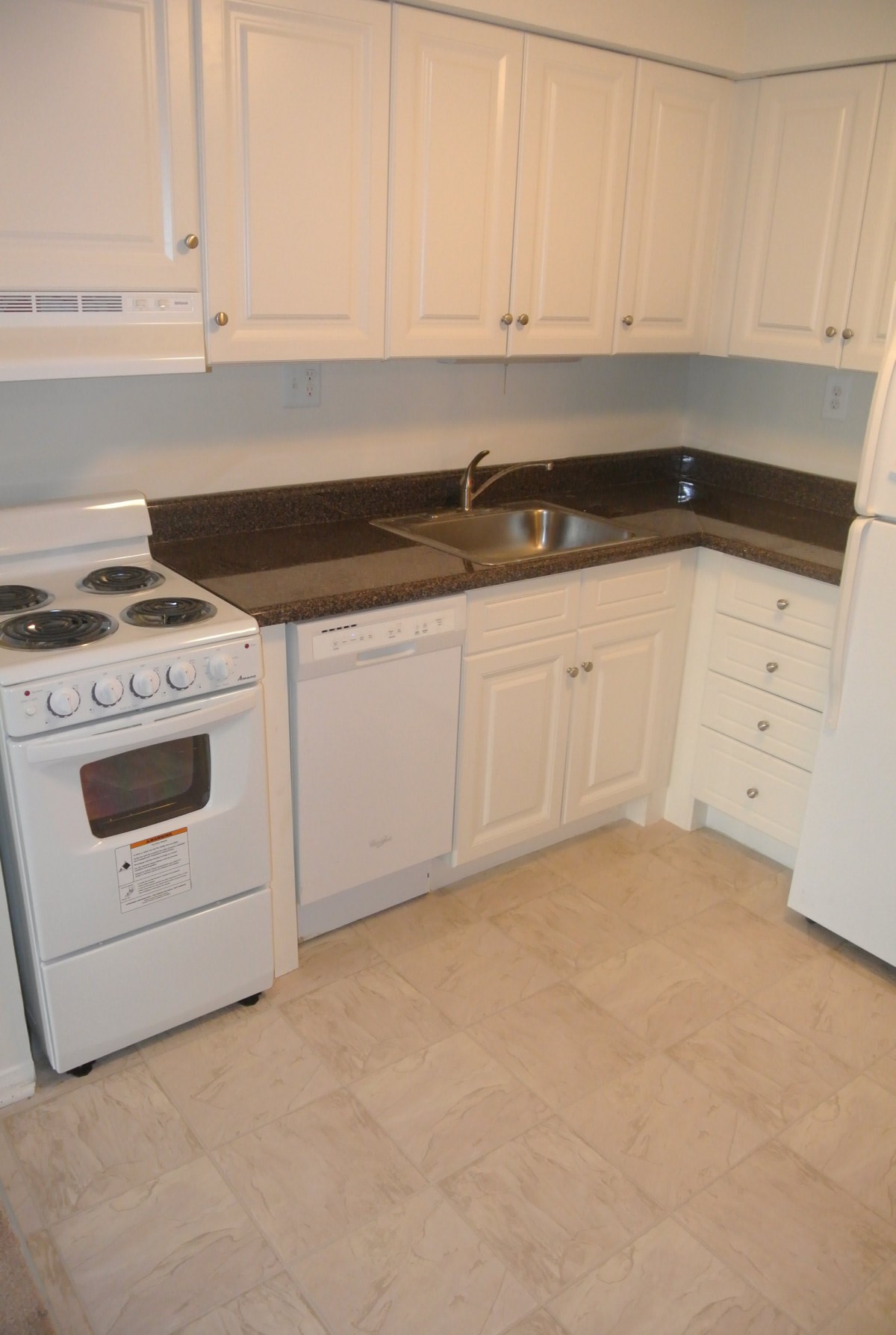
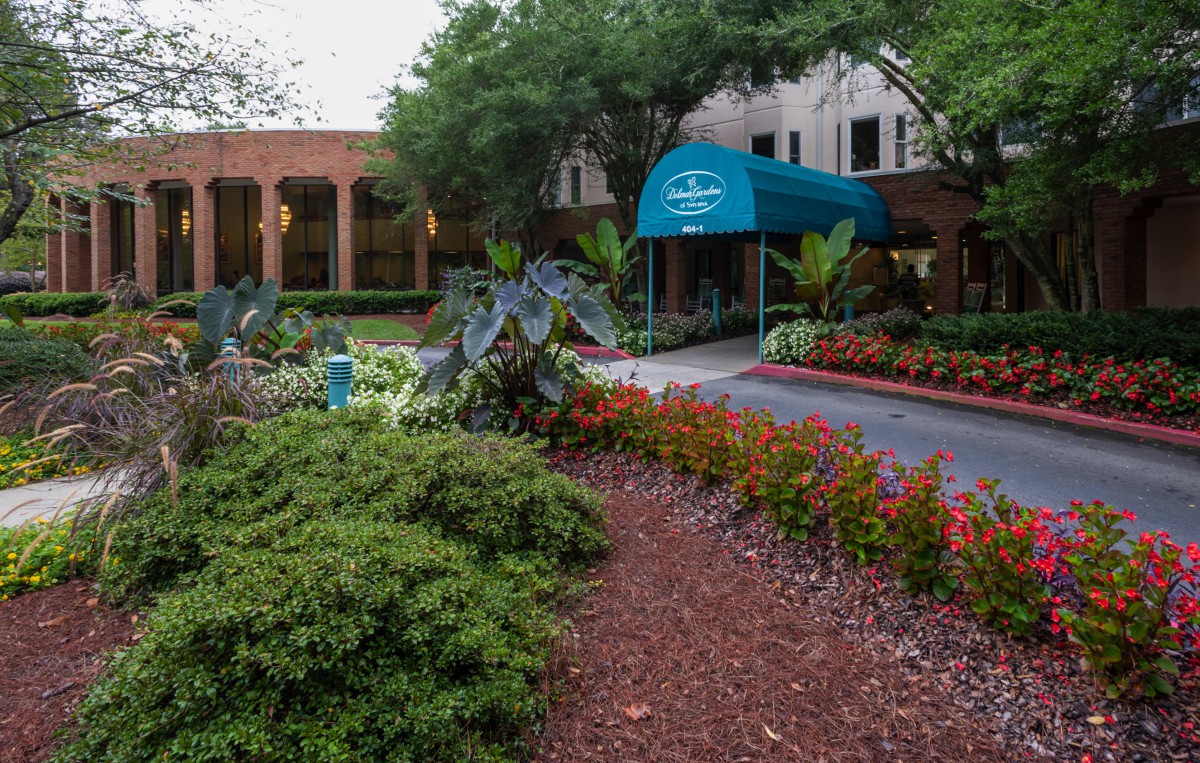
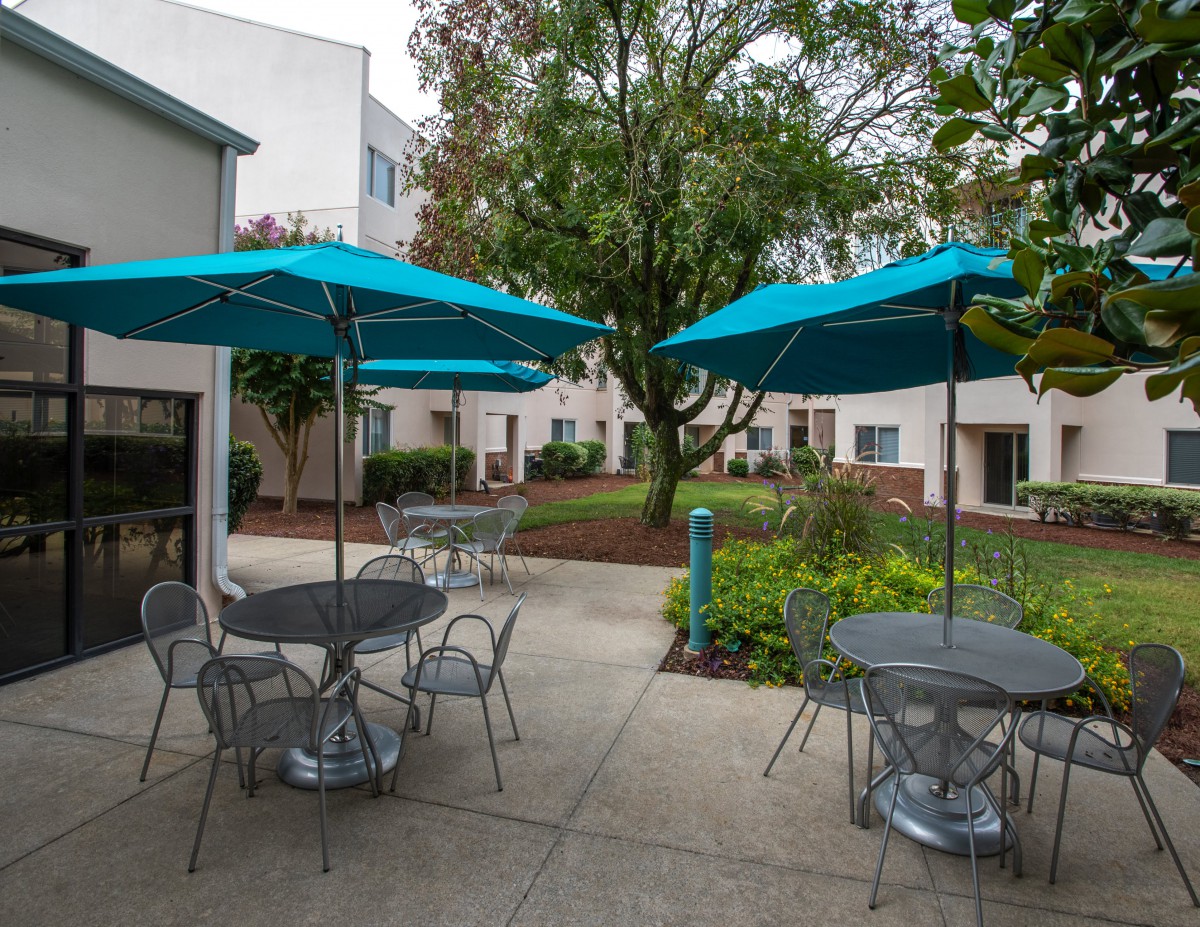
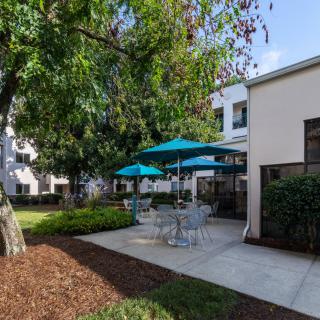
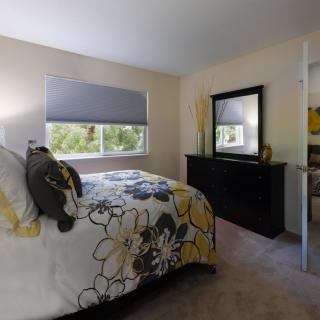
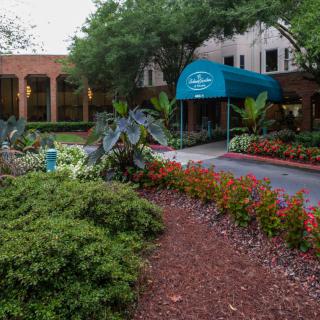
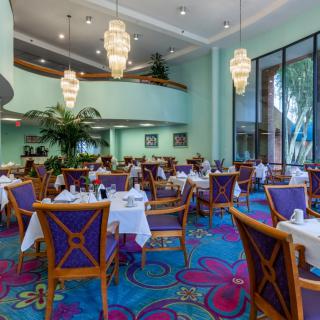
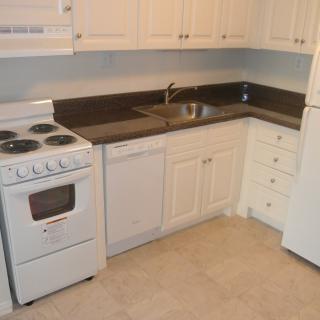
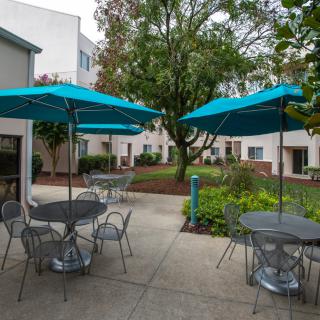
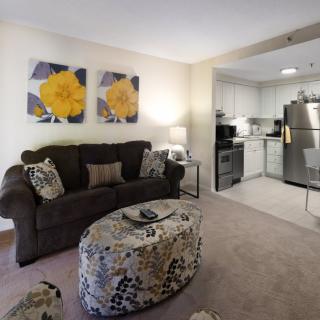
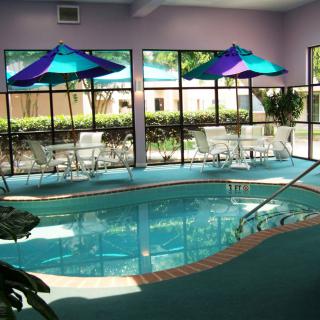
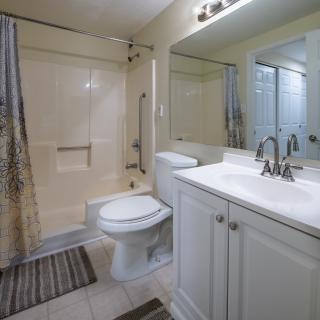
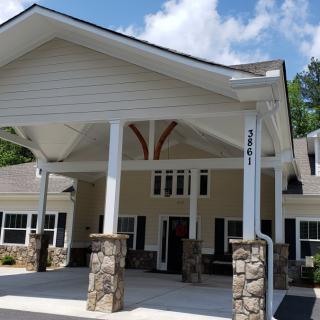
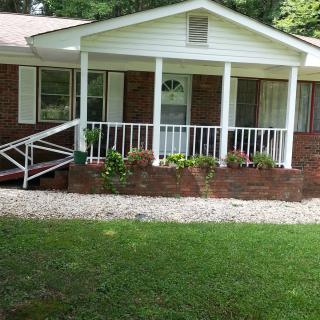
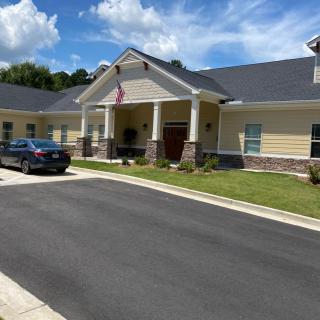
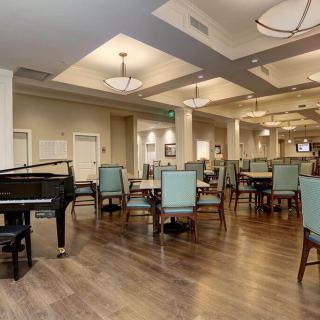
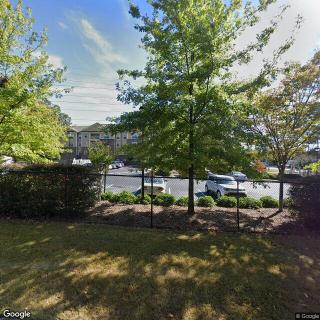
Delmar Gardens of Smyrna on seniors.fyi includes 26 photos including images showing interior, bedroom, decor, bathroom, floor plan, living room, dining, umbrellas, and more.
Nearby Communities
Smyrna Towers Inc
Smyrna, GA
4.2 from 18 reviews
Independent living with in-unit kitchens, transportation access, and well-maintained common areas.
Woodland Ridge Senior Living
Smyrna, GA
4.5 from 27 reviews
Strong memory-care focus with 24/7 supervision and specialized programming.
Woodland Ridge Assisted Living
Smyrna, GA
4.6 from 62 reviews
$2,800 to $4,400 / month
Caring staff in a warm, community-focused setting with engaging activities.
Acti-Kare In Home Responsive Care of Cobb
Smyrna, GA
Excellent access to dining, healthcare, parks, worship, and entertainment nearby.
Rosewood Home Care
Atlanta, GA
5 from 7 reviews
Close access to healthcare, dining, and parks in a vibrant Atlanta area.
B & K Garden Homes
Smyrna, GA
3.5 from 2 reviews
$2,000 / month
Homelike setting with friendly staff and spacious rooms.
Smyrna Village
Smyrna, GA
3.8 from 34 reviews
$2,700 to $3,000 / month
New ownership and ongoing renovations have improved care quality, staff attentiveness, and create a brighter, more engaging environment.
Galleria Manor
Smyrna, GA
3.4 from 36 reviews
$850 to $975 / month
Active community with spacious apartments and on-site activities.
Legacy at Walton Village
Marietta, GA
4.3 from 121 reviews
$786 / month
Clean, well-maintained community with friendly staff and ample on-site amenities.
The guide highlights the importance of assisted living facilities for aging veterans needing daily support, discusses unique challenges they face, and outlines available financial assistance from the VA, including the Aid and Attendance program. It emphasizes understanding eligibility criteria and navigating the VA system to access necessary benefits effectively.
The article compares assisted living and skilled nursing facilities, detailing their differing levels of assistance, medical support, cost structures, and day-to-day experiences. It emphasizes that assisted living is for those needing help with daily activities while maintaining independence, whereas skilled nursing facilities provide intensive medical care with 24-hour staff supervision.
The transition from assisted living to skilled nursing care is often prompted by complex medical needs that assisted living cannot meet, with key indicators including frequent health declines, increased falls, severe memory issues, and caregiver burnout. Families should recognize these signs early to discuss options with healthcare providers and prepare for the emotional and logistical aspects of moving to a facility that offers comprehensive medical support.
Get PricingAsk A QuestionSchedule A TourContact Senior Advisor
By clicking submit, you agree to our Partner's Terms of Use. You
also consent to receive calls and texts, which may be autodialed, from our Partner. Your consent is not a condition to
using our Partner's service. Please visit our Partner's Privacy Policy for information about their privacy practices.




 1-bedroom apartments
 Assisted Living
 Independent Living
 Cats allowed
 Dogs allowed
 Activities off-site
 Air-conditioning
 Bath tubs
 Beautician on-site
 Cable or satellite TV
 Devotional services off-site
 Dining room
 Full kitchen
 Garden
 Golf
Golf Ground floor units
 Handicap accessible
 Housekeeping services
 Indoor common areas
 Outdoor common areas
 Private patio, deck, or balcony
 Respite or short term stays offered
 Swimming pool
 Wheelchair accessible showers
 Wi-Fi/high-speed internet available
 William B Hartsfield-Atlanta International (16 miles away)
 Transportation & parking
 Ambulatory care
 Diabetic care
 High acuity care
 Incontinence care
 Medication management
 Gluten-free
 Art classes
 Catholic services
 Cooking classes
 Day trips and outings
 Educational speakers / life long learning
 Karaoke
 Live well programs
 Wine tasting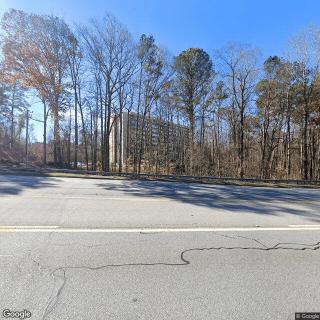
 Independent living with in-unit kitchens, transportation access, and well-maintained common areas.


 Assisted Living Support for Veterans: A Complete and Detailed Overview
 Exploring the Contrasts Between Assisted Living and Skilled Nursing
 8 Key Indicators That Suggest It May Be Time to Transition from Assisted Living to Skilled Nursing Care