
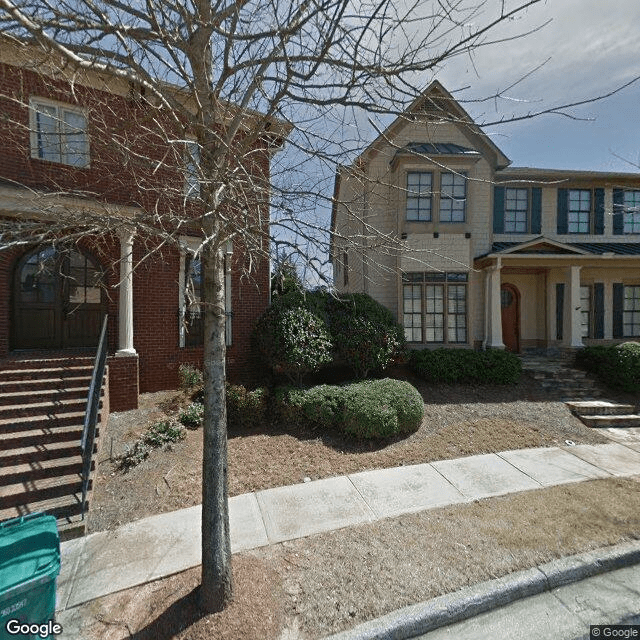
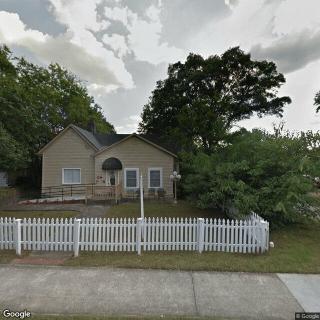
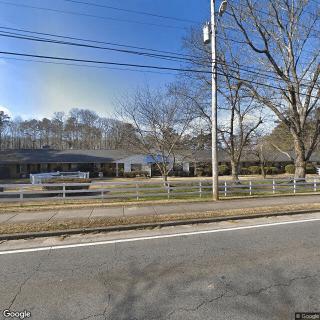
669 Concord Road, Smyrna, GA 30080
To contact a resident: (404) 509-4661
For more information about senior living options: (866) 208-4318
B & K Garden Homes Costs & Pricing
B & K Garden Homes offers competitive pricing for its private rooms at $2,000 per month, which is notably more affordable than the average costs in Cobb County and across the state of Georgia. In Cobb County, similar accommodations average around $2,788, while statewide figures rise to approximately $2,864. This pricing structure positions B & K Garden Homes as an attractive option for individuals seeking quality care without the burdensome expense often associated with long-term residential options in both the county and state averages.
| Floor plans | B & K Garden Homes | Cobb County | Georgia |
|---|---|---|---|
| Private | $2,000 | $2,788 | $2,864 |
Memory care communities with a similar price nearby
-
from +$100 / mo
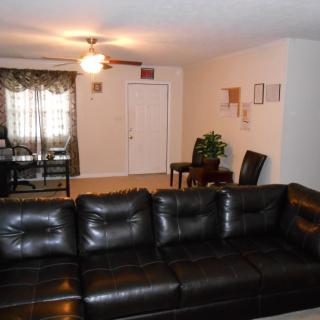
Premium Personal Care Home
$2,100 to $2,850 / month4.9 miles away -
from +$100 / mo
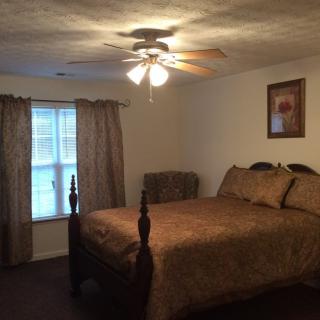
Abiding Care Home
$2,100 / month22.5 miles away -
from +$300 / mo
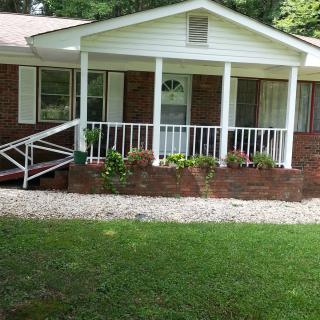
Comfort Care Personal Care Home
$2,300 / month23.7 miles away -
from -$200 / mo
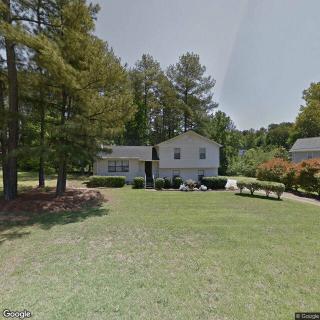
Agape Haven Personal Care Home
$1,800 to $2,000 / month8.6 miles away -
from +$101 / mo
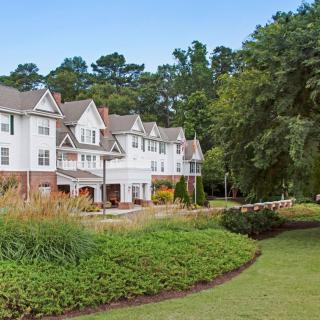
Brighton Gardens of Buckhead
$2,101 to $5,370 / month10.3 miles away
Overall Review of B & K Garden Homes
Pros
 B&K Garden Homes is described as nice and homey.
- The staff are described as fine.
- His room is large enough, with a twin bed and space to spare.
- The dining room feels like a home and is good.
- Residents are taken on walks.
- The facility provides a visiting nurse.
Cons
 They lack a computer room and an exercise room, and there are no arrangements for exercises.
- The facility was not up to the caliber of the others visited.
- No license was posted for the facility.
- Their prices were higher without providing compatible amenities.
- They are just starting and claim to have experience, which raises doubts about their credibility.
Review
B & K Garden Homes in Smyrna is best suited for seniors who want a warm, home-like setting with straightforward care and a quiet, low-key routine. The community reads as comfortable and unpretentious, where living spaces feel roomy and meals carry a family-diner vibe rather than institutional formality. A visiting nurse is available, and staff interactions come across as capable and supportive, which matters for families seeking dependable daily oversight without the bustle of a larger campus. For residents who value independence within a small, neighborhood atmosphere and who are comfortable navigating a simpler activity schedule, this option can deliver consistent day-to-day adequacy.
Those who may want to consider alternatives are typically guided by the need for clear regulatory documentation, transparency in pricing, and a richer on-site amenity set. One review notes the operation is still establishing itself and raises questions about licensing visibility, paired with prices that appeared higher than peers without corresponding enhancements in amenities. That combination signals potential regulatory and financial risk for longer stays, especially for families prioritizing robust oversight or a broad range of on-site programs. For anyone seeking formalized exercise programming, technology resources, or a diversified activity calendar, the gap is tangible.
On the upside, the strongest positives center on the homey atmosphere and practical daily care. The dining room culture feels akin to a private home, which can ease dining routines for residents who value predictable meals without dining-hall friction. Rooms are described as generous, capable of accommodating a twin bed with space to spare, supporting a sense of personal space and autonomy. The staff is characterized as fine, and the emphasis on walking as a routine activity adds a straightforward avenue for mobility and fresh air. Coupled with occasional nursing visits, these factors can sustain comfort, safety, and social familiarity for residents who do not demand a highly structured activity slate.
The principal drawbacks are substantive, not tangential. A lack of posted license, coupled with higher stated prices and a lean amenity package, raises legitimate concerns about regulatory compliance and value for money. The absence of a computer room and a dedicated exercise facility, or a systematic arrangement for workouts, reduces opportunities for cognitive and physical engagement, which can matter greatly for long-term wellness. The characterization of the facility as “just starting” carries a risk of growing pains: early-stage operations may struggle to stabilize staffing, programming, and quality assurance to the same degree as more established communities. For families with higher expectations in these areas, the drawbacks carry disproportionate weight.
In weighing the pros against the cons, a clear calculus emerges. For residents who prize a genuine home-like environment, straightforward care, and the companionship of a smaller community, the positives can offset the gaps. The absence of elaborate programming is mitigated by walking plans, accessible dining, and the reassurance of attentive staff and visiting nursing support. Yet for those whose priorities include a robust, regularly scheduled activity calendar, formal exercise opportunities, technological access, or uncompromised licensing transparency, the balance tips toward looking at alternatives that deliver stronger on-site programming and clearer regulatory footing. The choice hinges on what kind of daily rhythm and oversight truly matter to the resident and family.
Final guidance favors a disciplined decision process. Prospective residents should verify current licensing status in writing, request a transparent fee schedule with a clear breakdown, and examine the exact scope of medical oversight provided by the visiting nurse. It is essential to review the activity calendar, inquire about any partnerships for exercise programs, and experience a meal service firsthand to gauge consistency and quality. If these checks align with expectations, B & K Garden Homes offers a viable niche: a compact, home-oriented setting with dependable staff and basic medical support. If not, families should confidently pivot toward communities with posted licenses, transparent pricing, and a more developed on-site program that aligns with long-term wellness and engagement goals.
 Board and Care Home
 Memory Care
 Private
 William B Hartsfield-Atlanta International (17 miles away)

 An In-Depth Look at Reminiscence Therapy in Dementia Care
 Dementia-Related Hallucinations: Causes, Experiences, and Practical Approaches
 Illuminating Insights About Alzheimer's Disease: Ten Crucial Realities