
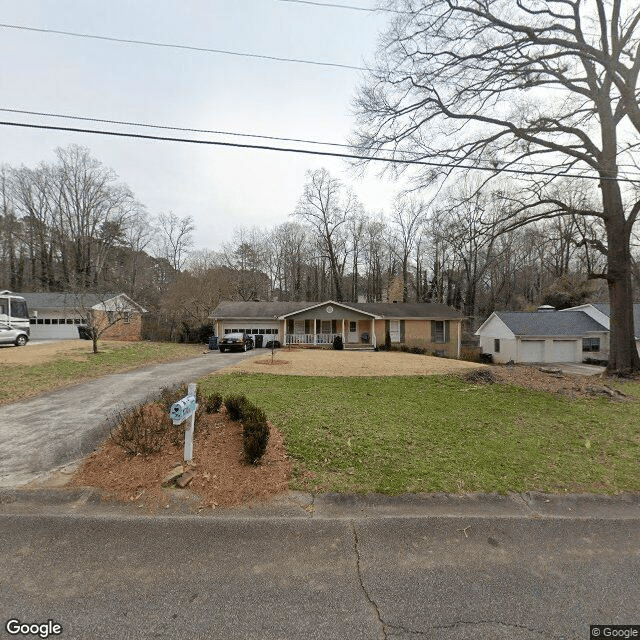
3288 Clearview, Marietta, GA 30060
To contact a resident: (678) 293-6491
For more information about senior living options: (866) 208-4318
Family Christian Home Costs & Pricing
At Family Christian Home, the cost of care is notably competitive when compared to both Cobb County and the wider state of Georgia. For a semi-private room, residents pay $1,600 per month, which is significantly lower than the Cobb County average of $2,367 and the state's average of $2,529. Those opting for a private room will find similar savings; with a monthly fee of $2,000, Family Christian Home offers a more affordable alternative to Cobb County's $2,788 and Georgia's $2,864 averages. This pricing structure reflects Family Christian Home's commitment to providing quality care at accessible rates for families seeking supportive living arrangements.
| Floor plans | Family Christian Home | Cobb County | Georgia |
|---|---|---|---|
| Semi-Private | $1,600 | $2,367 | $2,529 |
| Private | $2,000 | $2,788 | $2,864 |
Senior living communities with a similar price nearby
-
from -$100 / mo
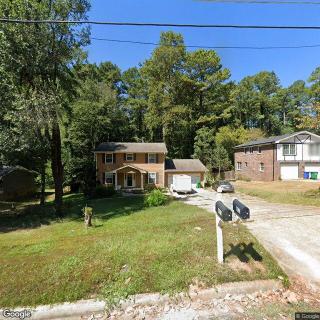
Americare Group
$1,500 / month20.6 miles away -
from -$100 / mo
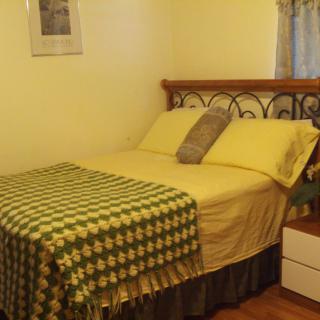
Lend A Hand Personal Care Home
$1,500 to $2,000 / month23.7 miles away -
from -$250 / mo
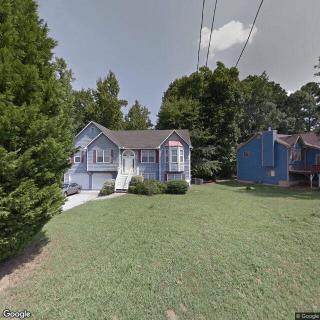
Le'glen Personal Care Home
$1,350 to $2,150 / month22.0 miles away -
from -$100 / mo
Yellow Rose at Worley
$1,500 to $2,000 / month10.9 miles away -
from +$100 / mo

Rose's Premier Personal Care Home
$1,700 / month22.3 miles away
Overall Review of Family Christian Home
Pros
 The church is described as one of the best, with family-oriented and deeply involved members.
- It serves the hungry through a food pantry and community food drives.
- The ladies are pleasant and helpful, and the pantry provides meats and ample food.
- The people are very nice and godly.
- It is a Christian church with a clear mission, purpose, and spirit.
- All are welcome, and casual dress is accepted without judgment.
- It houses several congregations with worship available in multiple languages and methods.
- The food pantry has served emergency food needs for hungry families in Cobb County, funded by donations, staffed by volunteers, and guided by the Holy Spirit.
- Youth education and activities are available, with a nursery during services, and support groups for abuse and other life-altering circumstances.
- It does outstanding outreach for the community.
Cons
 They note that SSI and Medicaid cover only part of the costs, leaving them to pay $700.
- The partial coverage by SSI and Medicaid creates a $700 out-of-pocket burden.
Review
Family Christian Home in Marietta is best suited for seniors who want a warm, faith-centered living environment where daily life is anchored in a church community. It stands out for residents who value genuine “family” connections, active involvement by members, and a built-in network of volunteers. The atmosphere is clearly community-driven: food pantries, can drives, and broad outreach are part of the fabric, with worship available in several languages and a nurturing, inclusive tone. For someone seeking social belonging, spiritual nourishment, and practical support embedded in the church ecosystem, this community delivers with uncommon consistency.
Those weighing alternatives should recognize this is not a one-size-fits-all senior solution. If the need is licensed medical oversight, formal assisted living with nursing care, or a memory-care specialized environment, other communities with clearly defined clinical staffing will be more appropriate. A secular option or a facility with transparent, nurse-led care teams may suit families prioritizing regulated medical oversight. Additionally, for residents who require a highly predictable, fully covered price structure independent of church-based programs, exploring facilities with standard private-pay or government-supported models is prudent.
On the upside, the strongest pros cluster around people, purpose, and practical aid. Residents describe the community as godly, pleasant, and genuinely helpful, with a spirit of service that permeates everyday life. The food pantry stands out as a tangible benefit, families consistently report receiving actual meats and plentiful groceries during tough times, which can substantially ease out-of-pocket burdens. The church’s outreach, multi-language worship options, youth education, and availability of a nursery signal a family-friendly setting that welcomes families and multi-generational ties. Support groups add another layer of practical emotional support, addressing issues from abuse to life-transitions, which is rare in many senior-friendly options.
Yet, the main con here is the cost picture and the level of clinical care information available. Government benefits such as SSI and Medicaid may only cover a portion of expenses, leaving a notable balance for many families, one account suggests a remaining $700 monthly burden. That reality makes it essential to secure a clear, written cost structure up front and to verify what is included in any given rate, what level of care is offered on site, and whether independent living, assisted living, or memory care components exist within the same community. The church-driven model, while empowering and supportive, can also imply a reliance on volunteers and donors rather than a fully professional care team, which may matter to residents needing consistent, licensed care oversight.
In practical terms, families drawn to this community should enter with a plan: evaluate the exact care offerings, confirm who delivers them, and quantify the total monthly cost after any benefits. Plan a visit to meet staff, observe daytime routines, and talk with residents about daily life, safety, and privacy. Ask for a detailed list of services included in each rate tier, and request sample meal plans and activity calendars to gauge alignment with personal routines. Given the emphasis on food security and social programming, inquire how the pantry and outreach integrate with daily living, and whether outside supports (home care, transportation, caregiver respite) are coordinated.
The bottom line is clear: this community delivers deep social and spiritual value wrapped in a vibrant faith-based, volunteer-supported ecosystem. It is a compelling choice for seniors who prize belonging, community service, and practical help tied to a church environment, and who can navigate a cost structure that may extend beyond government coverage. For families prioritizing clinical, nurse-led care or a strictly secular setting with guaranteed budget predictability, alternatives with formal medical staffing and standardized pricing should be pursued. A deliberate, information-rich visit, coupled with a frank discussion about cost, care expectations, and what is included, will reveal whether this family-centered, church-driven living environment aligns with the resident’s needs and the family’s financial plan.
 Board and Care Home
 Activities off-site
 Bath tubs
 Beautician on-site
 Devotional services off-site
 Indoor common areas
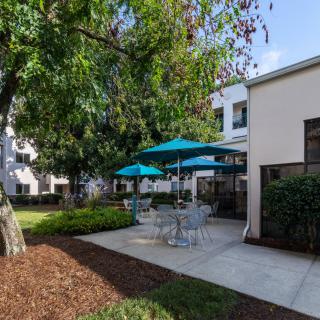
 Outdoor common areas
 Private
 Private bathrooms
 Respite or short term stays offered
 William B Hartsfield-Atlanta International (18 miles away)
 Ambulatory care
 Diabetic care
 High acuity care
 Incontinence care
 Kosher
 Adventist services
 Buddhist services
 Islamic services
 Understanding Home Health Care: A Comprehensive Guide
 Home Health Care Demystified: A Comprehensive Guide for Families and Caregivers
 Seniors and Modern Transportation: Exploring Uber, Lyft, and Other Ride-Hailing Options