
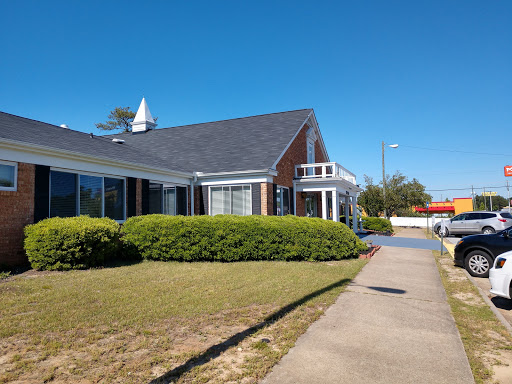

3235 Deans Bridge Road, Augusta, GA 30906
For more information about senior living options: (866) 208-4318
Overall Review of Place At Deans Bridge
Pros
 He is very happy there.
- He is well cared for.
- The place is always clean and smells clean.
- There are no signs of neglect.
- The staff are always friendly and willing to help in any way they can.
- Ms. Westbrook cared for him.
- He would smile when she entered the room.
- Ms. Tish kept him laughing and stayed positive.
- The two ladies made his stay wonderful.
- Bert's care has always been the primary focus.
- Bert is in the right place.
- They performed excellent work.
Cons
 The staff were rude and talked to residents like dirt.
- The facility was run down and lacked basic equipment to monitor patients.
- The administration was horrible.
- There were a few bad apples among the staff.
- Residents were left isolated, with meals brought to their rooms and few activities.
- A loved one died in their care.
- Bedsores developed and care was not adequately provided to prevent or treat them.
- Items were lost and reimbursements were refused.
Review
The Place at Deans Bridge is best suited for families that want a clean, well-kept environment where attentive aides can form genuine bonds with residents and deliver day-to-day care when there's active oversight. The strongest signal here is warmth and personal attention from certain staff members, plus a facility that generally feels orderly and pleasant. For seniors who require consistent medical oversight, predictable rehab outcomes, or long-term care without notable safety risks, alternatives should be strongly considered. The review pattern shows a wide range of experiences, from moments of real care and connection to serious safety concerns, making this a choice that depends on active, ongoing supervision and clear expectations.
On the positive side, cleanliness and a tangible sense of daily care come through clearly. Multiple families note the facility stays clean and smells right, which matters as a baseline for comfort. Individual caregivers, people like Ms. Westbrook and Ms. Tish, are repeatedly praised for their warmth, positivity, and ability to lift a resident’s mood. There are accounts of residents regaining mobility when care teams stay engaged, and one long-term resident’s family highlighted consistent, attentive care across staff changes. Where these personal touches align with steady operations, residents can experience meaningful improvements in daily life and mood, underscoring that capable, invested staff do exist here.
But the negatives dominate the lived experience for many families. Recurring themes include serious lapses in care that threaten safety: pressure ulcers progressing to infection, pneumonia developing without timely hospital transfer, and hospital visits that follow unresolved issues. Several reviews describe rude or slow-to-respond staff, with call-bell delays and tasks left incomplete. Discharge planning is flagged as inconsistent, including missing paperwork and disputes over what is billed, and some families report abrupt releases that leave loved ones unprepared. Taken together, these patterns paint a troubling picture of how quick stability can crumble when systems falter, making risk assessment essential.
These conflicting threads force a practical judgment: can the strengths compensate for the core risks? When committed staff members are present and care is individualized, positive outcomes are possible, and some residents clearly benefit from that dedicated support. However, the sheer volume of safety concerns and management criticisms suggests that reliable, high-quality care cannot be counted on day in and day out. The notable physician endorsement for Bert Maxwell’s ongoing care demonstrates what a capable team is capable of, but it also reveals that such care is not consistently replicated across the facility. For families, that translates into a mandate for vigilant oversight, regular check-ins, and readiness to advocate aggressively when gaps appear.
For those weighing alternatives, the red flags point toward facilities with established, consistent medical oversight, robust rehab and wound-care programs, and transparent administration. If there is a high risk of infection, advanced wounds, or falls, seek places with lower staff turnover, stronger discharge planning, and a proven track record on inspections and patient safety. Use tours to probe daily activity programming, nurse availability, and the efficiency of call-response systems. Ask for current care plans, incident logs, and a clear explanation of billing practices. The aim is to avoid a situation where dignity and safety depend on the luck of the day’s staff schedule rather than on dependable processes and accountability.
In the end, The Place at Deans Bridge does not merit blanket endorsement; it fits a narrow band of families who can provide active oversight and demand consistently high standards. For many seeking steady safety, predictable rehab outcomes, and a consistently warm, responsive culture, other Augusta options are advisable. Enter with firm questions, precise expectations, and the willingness to move if care quality or safety fails to meet those standards. This community warrants careful consideration, but not unexamined commitment.
 100 resident community capacity
 Skilled Nursing Facility
 Air-conditioning
 Beauty salon
 Cable or satellite TV
 Computer center
 Dining room
 Fitness room
 Fully furnished
 Gaming room
 Garden
 Housekeeping services
 Kitchenette
 Move-in coordination
 Outdoor space
 Private bathrooms
 Restaurant-style dining
 Small library
 Telephone
 Wellness center
 Wi-Fi/high-speed internet available
 Bush (7 miles away)
 Community operated transportation
 12-16 hour nursing
 24-hour call system
 Activities of daily living assistance
 Assistance with bathing
 Assistance with dressing
 Assistance with transfers
 Diabetes diet
 Medication management
 Mental wellness program
 Special dietary restrictions
 Concierge services
 Planned day trips



 9 Stimulating Memory Activities for Seniors: Puzzles, Cards, and Much More
 Managing Nursing Home Expenses After Medicare Coverage Ends
 Is a Geriatric Care Manager the Right Choice for Your Family?