Augusta Springs Apartments in Augusta, GA
SaveInformation last verified:
1730 Sibley Rd, Augusta, GA 30909
For more information about senior living options: (844) 490-3973
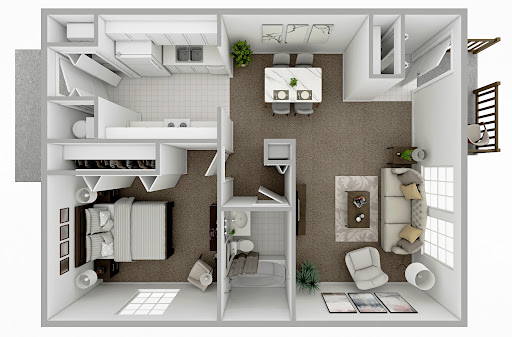
At Augusta Springs Apartments, the pricing for monthly rentals presents a compelling case for affordability, particularly when contrasted with both Richmond County and broader state averages in Georgia. A one-bedroom unit is set at $738 per month, significantly lower than the staggering costs observed in Richmond County, which stands at $3,459, and the state average of $3,412. Similarly, the two-bedroom option is offered at $775 per month, offering considerable savings compared to Richmond County's rate of $2,613 and Georgia's average of $3,921. This positioning not only highlights Augusta Springs Apartments as an economically viable choice but also reflects its commitment to providing quality living spaces without burdening residents with excessive rental costs.
| Floor plans | Augusta Springs Apartments | Richmond County | Georgia |
|---|---|---|---|
| 1 Bedroom | $738 | $3,459 | $3,412 |
| 2 Bedrooms | $775 | $2,613 | $3,921 |
Augusta Springs Apartments is best suited for seniors who want a quiet, budget-conscious 62-plus living environment where neighborliness and on-site maintenance support are real assets. The property’s strongest draw is its sense of community and accessible setting: ground-level units, a tranquil exterior, and proximity to shopping and services that help residents maintain independence. Reviews repeatedly praise on-site staff who show genuine care, managers like Ashley and team members such as Deborah, Mona, and Annette, creating a sense of being welcomed into a dependable, family-like community. For retirees who prize stability in a straightforward living environment and value a friendly, low-stress atmosphere, this complex offers tangible reassurance. The arrangement works especially well for those who do not require full-time medical supervision but still want a place that coordinates repairs promptly, from water heater fixes to routine maintenance. In short, it is a practical home for self-reliant seniors seeking convenience and camaraderie.
Those who may want to consider alternatives are individuals who need true assisted living services, higher-level medical oversight, or robust, predictable budgeting without the risk of steep mid-lease rent hikes. A recurring concern in resident feedback is rent variability and deposit practices that can feel punitive for fixed incomes. Prospective residents on tight budgets may face substantial increases within months of moving in, and some emphasize deposit policies that are difficult to navigate for seniors living on limited Social Security. In addition, several reviews mention pests, odors, and mold, along with concerns about the adequacy of ongoing maintenance and repairs. For households counting on a more programmatic activity calendar, social engagement, or upgraded units, this community may fall short. Those who require strong safeguards against discrimination or inconsistent management would also be wise to evaluate other options.
On the plus side, the staff is consistently described as friendly, responsive, and empathetic, with Ashley and Mona singled out for going above and beyond. Maintenance responses are praised when they succeed, and the on-site team is credited with turning around the property’s atmosphere by improving responsiveness and communication. The location offers quiet surroundings, a pleasant exterior, and a variety of near-by services; residents note affordable rent in some cases and the convenience of ground-level, handicap-accessible units. Yet the list of drawbacks is long and heavy: rent increases are reported with little notice and significant amounts, sometimes into three figures; deposit requirements can be harsh for fixed incomes; several residents recount ongoing pest infestations, particularly roaches; some units feel outdated, with inconsistent HVAC performance and occasional moisture-related concerns; and maintenance delays, odor or mold issues, and communication gaps have left some feeling unheard. A few reviews even raise serious concerns about management tone and fairness, complicating any sense of long-term trust.
These strengths can offset some daily realities if the decision-maker prioritizes immediate warmth from staff and short-term problem resolution. When Ashley or Mona steps in, issues are often handled with courtesy and efficiency, which makes a meaningful difference for people navigating aging-in-place. The quiet, community-centric environment supports routine and predictable living, easing the transition for new residents. However, the heavier-weights of rent volatility, aggressive deposit practices, and household maintenance shortcomings can overwhelm otherwise solid positives. Pest problems undermine comfort and health, while delayed repairs and aging interiors reduce the appeal for residents seeking long-term value. In short, the pros give a lived-in sense of security and companionship, but the cons threaten ongoing affordability and comfort if not aggressively addressed by management.
Before committing, families should insist on transparent, current rent and deposit terms and request a clear written schedule for any anticipated increases. Inspect units for pests, odor, and moisture; verify HVAC reliability and the effect of on-site maintenance on performance. Ask for a copy of service records and a plan for ongoing pest control and unit modernization. Probe the application process and deposit rules to avoid hidden costs, including any non-refundable or non-returnable elements. Schedule conversations with current residents to gauge consistency of service and fairness across staff, and verify wheelchair accessibility details and any upcoming physical improvements. Finally, outline expectations around community programming and social opportunities, ensuring a realistic view of what is offered and whether it matches the active lifestyle sought by residents. A thorough pre-move diligence plan helps separate the appealing surface from the longer horizon of daily living.
Overall, Augusta Springs Apartments best serves self-reliant seniors who value a warm, attentive on-site team and a peaceful, convenient setting around the core needs of daily life. It stands out for its friendly staff and accessible, quiet environment, which can make aging in place feel feasible without medical dependency. But this is not the right choice for those needing true assisted living or for households with very tight budgets who cannot tolerate regular rent hikes or sizable deposits. Prospects should approach with a clear plan: confirm rent dynamics, review maintenance-response timelines, and verify pest-control history, then weigh whether the combination of genuine staff warmth and a serene campus outweighs the practical costs and persistent maintenance concerns. For the right resident, Augusta Springs can feel like a welcoming retreat; for others, better value and greater assurance lie elsewhere.
Augusta Springs Apartments in Augusta, GA is an inviting and well-appointed assisted living community. Situated in a vibrant neighborhood, residents can enjoy easy access to various amenities and services nearby.
With 6 cafes in the vicinity, residents can indulge in their favorite beverages and treats without having to travel far from home. Additionally, there are 12 pharmacies conveniently located nearby, allowing residents to easily access necessary medications and healthcare supplies.
For medical care, the community benefits from 34 physicians in close proximity. This ensures that residents have a wide range of healthcare professionals available to meet their individual needs and preferences.
When it comes to dining options, residents have plenty of choices with 42 restaurants nearby. Whether they prefer casual dining or more refined cuisine, there is something to satisfy every palate.
Transportation is made convenient with a nearby transportation service available for residents who may need assistance getting around town or attending appointments. This allows residents to maintain their independence while still having reliable transportation options.
For spiritual needs, there is a place of worship conveniently located nearby. Residents can participate in religious services and connect with their faith community without having to travel long distances.
Lastly, the community benefits from having four hospitals in close proximity. In case of emergencies or medical needs that require specialized care, residents have quick access to quality healthcare facilities.
Overall, Augusta Springs Apartments provides a comfortable and well-connected assisted living community where residents can enjoy all the amenities and services they need within reach.
This part of Augusta, Georgia, offers convenient access to essential services such as pharmacies, physicians offices, restaurants, cafes, hospitals, and transportation options. With multiple pharmacies nearby including CVS and Walgreens, as well as various healthcare providers such as Wrightsboro Medical Center and the Dermatology and Skin Cancer Center of Augusta, you can easily manage your healthcare needs. There are a variety of dining options available ranging from fast food to sit-down restaurants like Cheddar's Scratch Kitchen and Logan's Roadhouse. For coffee lovers, there are multiple Starbucks locations within close proximity. In terms of healthcare, nearby facilities include Davita Kidney Care and Doctors Hospital Of Augusta. Additionally, the area provides easy access to places of worship like Abilene Baptist Church for spiritual fulfillment. Overall, this part of Augusta offers a vibrant community with a range of amenities that could be suitable for senior living.
At Augusta Springs Apartments, the pricing for monthly rentals presents a compelling case for affordability, particularly when contrasted with both Richmond County and broader state averages in Georgia. A one-bedroom unit is set at $738 per month, significantly lower than the staggering costs observed in Richmond County, which stands at $3,459, and the state average of $3,412. Similarly, the two-bedroom option is offered at $775 per month, offering considerable savings compared to Richmond County's rate of $2,613 and Georgia's average of $3,921. This positioning not only highlights Augusta Springs Apartments as an economically viable choice but also reflects its commitment to providing quality living spaces without burdening residents with excessive rental costs.
Augusta Springs Apartments is located at 1730 Sibley Rd, Augusta, GA 30909 in Richmond County, Georgia
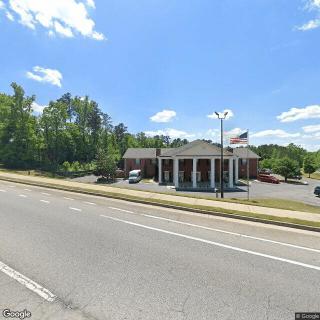
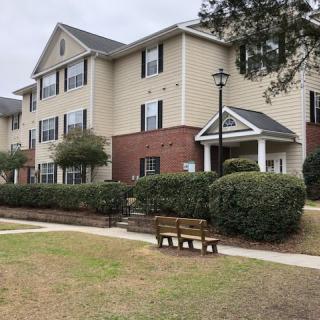
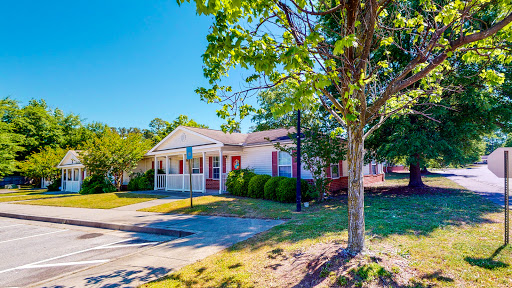
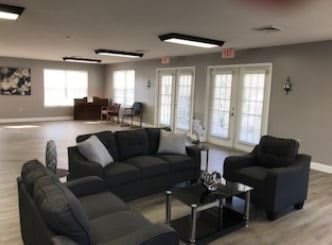
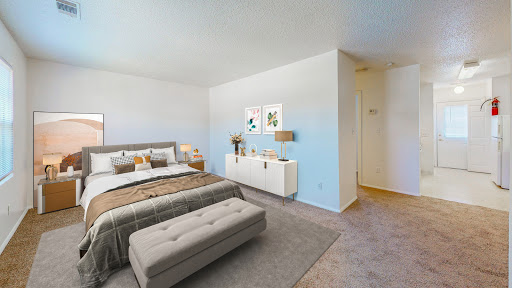
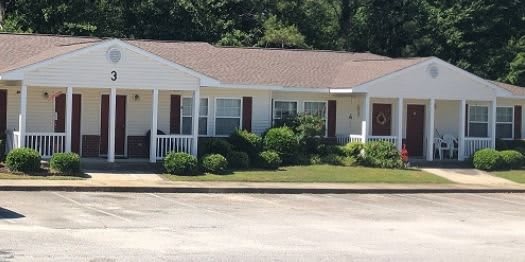
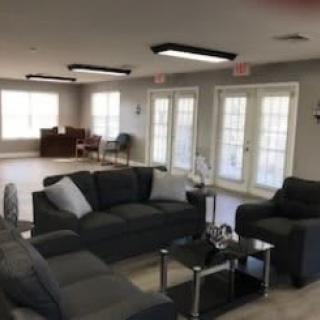
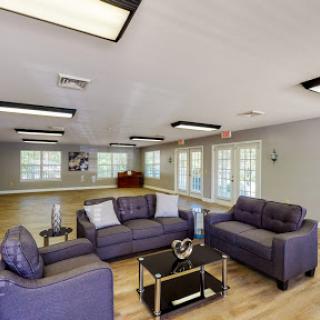
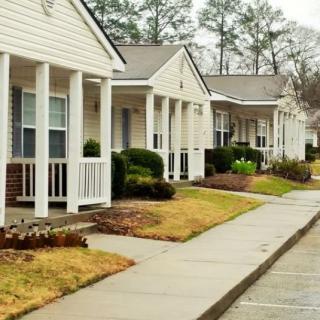
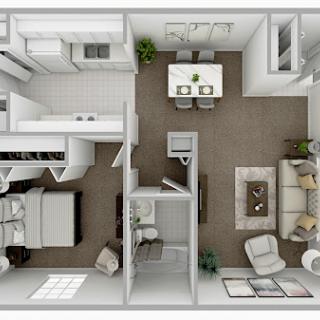
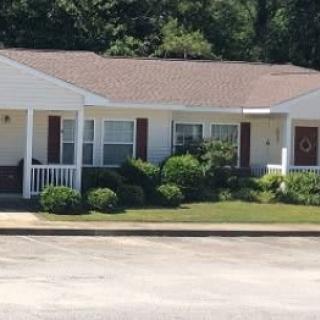
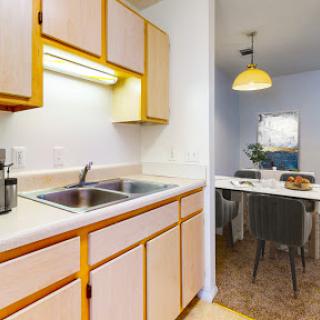
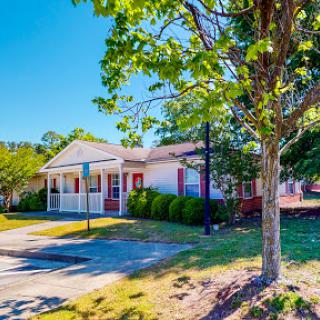
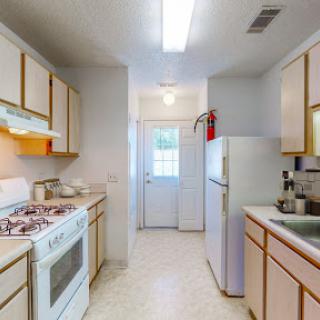
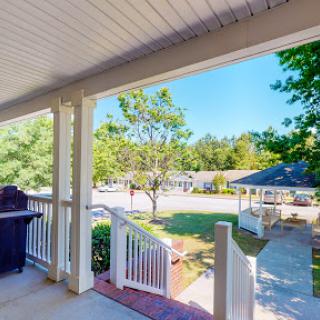
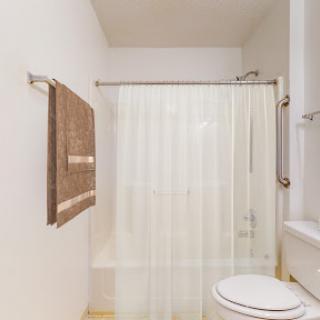
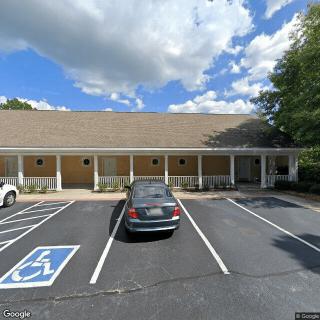
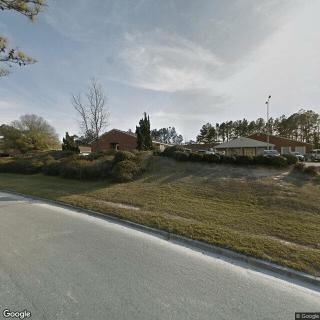
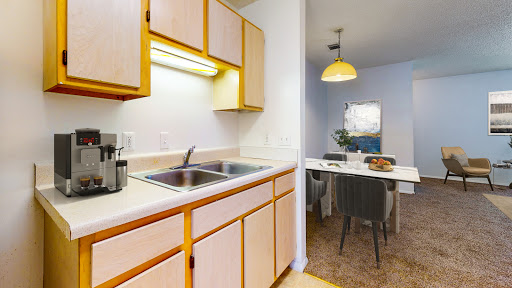
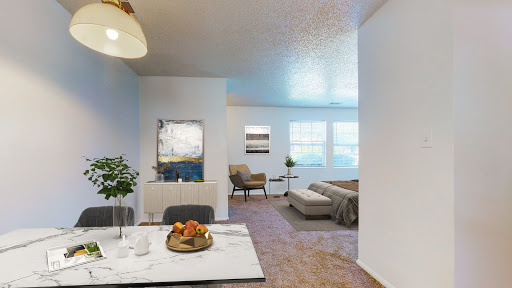
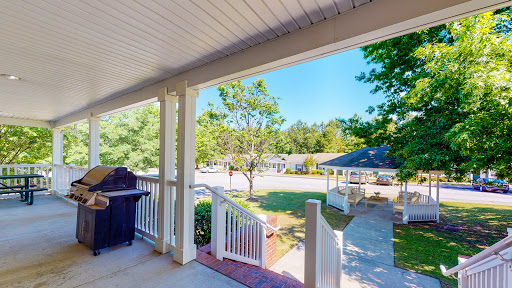
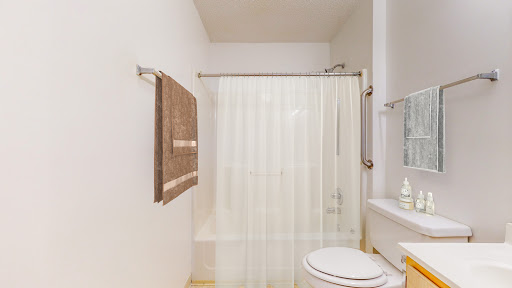
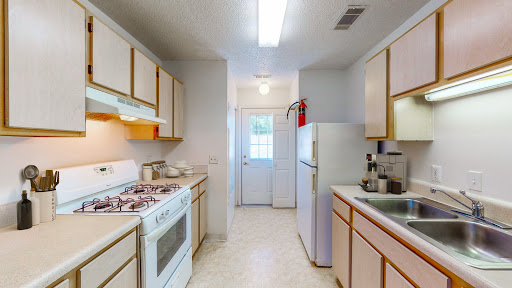
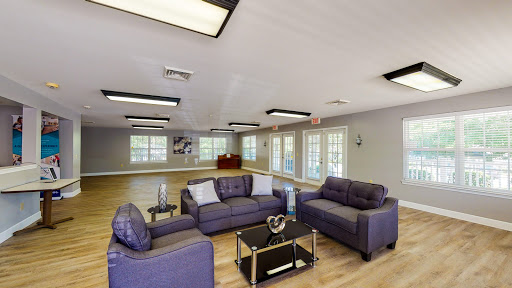
Augusta Springs Apartments on seniors.fyi includes 14 photos including images showing interior, landscaping, living room, dining, decor, kitchen, windows, porch, and more.
Recognizing the Journey: Understanding and Navigating Anticipatory Grief

Anticipatory grief is an emotional response to the impending loss of a loved one, characterized by complex emotions such as sadness and anger, and involves navigating stages similar to those identified by Kübler-Ross. Coping strategies are vital for managing this process, emphasizing compassionate communication, self-care, and support groups while recognizing the cultural influences on grieving.
Encouraging Participation in Adult Day Care: A Guide to Supporting a Hesitant Parent
Adult day care programs offer essential support and activities for older adults, yet many hesitate to participate due to concerns about independence and stigma. To alleviate these apprehensions, families should facilitate open discussions, explore financial resources, suggest trial visits, and collaborate with healthcare providers to highlight the benefits of such services for both the participants and their caregivers.
Comprehensive Exploration of Living Wills and Other Advance Directives
Living wills and advance directives are crucial legal documents that outline an individual's healthcare preferences when they cannot make decisions themselves, enhancing patient autonomy and alleviating family stress during medical crises. The article emphasizes the need for these documents to be personalized, legally valid, and regularly updated, while also encouraging communication about end-of-life wishes among family members and healthcare providers.