For more information about senior living options: (866) 208-4318
3.5 from 81 reviews
5 stars
43
4 stars
4
3 stars
6
2 stars
4
1 stars
24
Overall Review of Mariner Health of Tallahassee
common18 reviews mention this
Therapy teams get strong mentions
Residents repeatedly single out physical therapy quality.
Many reviewers say the physical therapy support helped them regain strength, mobility, or progress during rehab. Several also describe occupational and speech therapy as part of their experience, and a few note the therapists were professional and pushed for improvement. While opinions are not unanimous, the therapy focus is one of the most consistently positive themes in the reviews.
common24 reviews mention this
Staff warmth is a recurring theme
Reviews frequently describe the staff as kind and helpful.
A large share of residents and families describe nurses, aides, and therapists as caring, friendly, and responsive to concerns. Multiple reviewers mention being able to reach someone when they called, and some specifically praise staff guidance and explanations for the rehab process. That said, other reviews also describe staff behavior and follow-through problems, so experiences vary by unit and shift.
caveat10 reviews mention this
Food quality draws complaints
Food quality and meal follow-through are common frustrations.
Several reviews complain that meals were stale, unappetizing, or lacking nutrition, with some describing limited variety. Others report issues with getting the food they selected or not receiving meals as scheduled. A few also say diets were not tailored properly, which they connected to health problems during the stay.
caveat14 reviews mention this
Care and communication can break down
Some reviewers report missed care and hard-to-reach communication.
A recurring negative theme is that families had trouble getting timely help, with complaints about delays responding to requests and inconsistent medication administration. Several reviewers describe problems beyond day-to-day comfort, including missed nursing tasks and concerns about follow-through on health issues. In the same reviews, some families also describe being unable to get clear updates or reaching staff by phone as expected.
caveat3 reviews mention this
Cleanliness issues come up
Some reviews mention cleanliness and pest concerns.
While some reviewers call the facility clean and well kept, a smaller set describe stronger concerns such as pests in rooms and unsanitary items in view. One review also characterizes the overall atmosphere as unpleasant, including odor. Taken together, cleanliness appears more mixed than universally praised.
How we summarize
Counts show how many written reviews mention each theme; a review can touch several themes, and only frequently mentioned themes are displayed.
Features
Types of Care
Skilled Nursing Facility
Transportation
Tallahassee Regional (9 miles away)
Nearby Places of Interest
Physicians
Capital Health Plan (0.1 miles)
Allergy & Asthma Diagnostic Treatment Center (0.1 miles)
Low-impact exercises are vital for seniors as they promote health, independence, and social interaction while reducing joint strain. These adaptable activities, guided by healthcare professionals, enhance strength, flexibility, and emotional well-being.
The guide details the tax deductibility of in-home healthcare expenses according to IRS guidelines, differentiating between medically necessary services and non-medical assistance, while emphasizing the need for proper documentation and itemization requirements. It also highlights state-level variations, the importance of record-keeping, and encourages seeking professional tax help to understand evolving regulations.
Gardening provides seniors with physical exercise, mental and emotional support, and social interaction opportunities, while accommodating their needs through raised beds and ergonomic tools. It promotes health benefits like improved dexterity and cardiovascular health, encourages sustainable practices, and allows for manageable upkeep with low-maintenance plants.
Get PricingAsk A QuestionSchedule A TourContact Senior Advisor
By clicking submit, you agree to our Partner's Terms of Use. You
also consent to receive calls and texts, which may be autodialed, from our Partner. Your consent is not a condition to
using our Partner's service. Please visit our Partner's Privacy Policy for information about their privacy practices.

 Skilled Nursing Facility
 Tallahassee Regional (9 miles away)
 Compassionate, family-focused caregivers who support staying at home.

 Highly Beneficial Low-Impact Exercises for Senior Living Residents
 Is In-Home Healthcare Tax Deductible? Your Comprehensive Guide
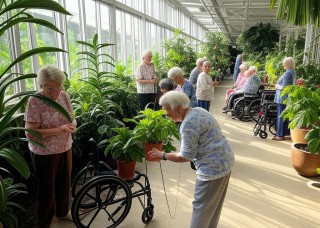 Nurturing Well-Being Through Gardening: A Detailed Guide for Senior Enthusiasts