Heritage Healthcare Center At Tallahassee Costs & Pricing
Heritage Healthcare Center at Tallahassee offers private rooms at a competitive monthly rate of $2,640, which is significantly lower than both the county average of $3,968 and the statewide average of $3,699. This pricing structure positions Heritage Healthcare Center as an attractive option for individuals seeking high-quality care without the financial burden often associated with similar facilities in Leon County and throughout Florida. By providing a more affordable alternative while maintaining a commitment to excellent care, Heritage Healthcare Center effectively meets the needs of its residents and their families within the local community.
Floor plans
Heritage Healthcare Center At Tallahassee
Leon County
Florida
Private
$2,640
$3,968
$3,699
Skilled Nursing Facilities with a similar price nearby
Overall Review of Heritage Healthcare Center At Tallahassee
common6 reviews mention this
Food service gets mixed reviews
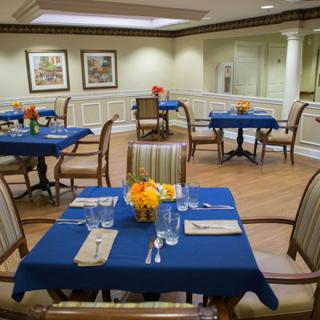
Dining is a common point of discussion for residents.
Several reviewers comment on meals and kitchen execution, with some describing problems getting enough food or struggling with ordering. Others mention the kitchen lacking basics like utensils, while one review describes meals being prepared for weeks without air-conditioning. A separate set of reviews is more neutral to positive about food quality, describing it as decent.
differentiator6 reviews mention this
Therapy experience can be strong
Physical and rehab therapy receive frequent praise.
For rehabilitation, multiple reviewers describe physical therapy as caring and helpful, including progress toward strength and independence. Others highlight standout team members in therapy and report positive outcomes from sessions. At the same time, a few reviews raise serious concerns about rehab follow-through and related health outcomes, so experiences are not uniformly positive.
caveat2 reviews mention this
Staff responsiveness is inconsistent
Getting timely updates by phone appears unreliable.
One reviewer reports nobody answers the phone, saying they couldn’t check on a loved one. Another describes calling for a therapy update and not receiving a return call, with phone staff described as busy and difficult to reach. These comments suggest communication delays that can add stress for families.
common6 reviews mention this
Activities are a bright spot
Daily activities and outings help residents stay engaged.
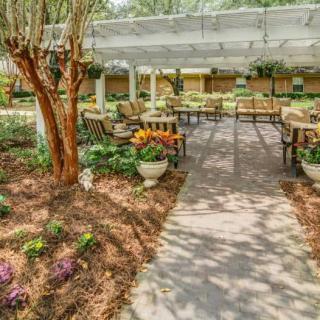
Many reviewers mention an active schedule, including planned events and resident participation such as bingo and other group activities. Several comments also credit specific activity-focused staff for organizing festivals and keeping residents included. A few residents describe enjoying outdoor time in spaces like a courtyard and garden-related activities.
caveat2 reviews mention this
Care quality concerns show up often
Some residents and families report neglected basics of care.
A subset of reviews describes serious breakdowns in care, including being left in messes for extended periods or reporting call-bell delays. Others describe cleanliness and hygiene failures such as urine or feces odors and rooms not cleaned regularly. These accounts conflict with more positive reviews of attentive, kind caregivers.
How we summarize
Counts show how many written reviews mention each theme; a review can touch several themes, and only frequently mentioned themes are displayed.
Features
Housing
180 resident community capacity
Types of Care
Skilled Nursing Facility
Amenities
Air-conditioning
Beauty salon
Cable or satellite TV
Computer center
Dining room
Fitness room
Fully furnished
Gaming room
Garden
Housekeeping services
Kitchenette
Move-in coordination
Outdoor space
Private bathrooms
Restaurant-style dining
Small library
Telephone
Wellness center
Wi-Fi/high-speed internet available
Transportation
Tallahassee Regional (9 miles away)
Community operated transportation
Transportation arrangement
Transportation arrangement (non-medical)
Transportation to doctors appointments
Care Services
12-16 hour nursing
24-hour call system
24-hour supervision
Activities of daily living assistance
Assistance with bathing
Assistance with dressing
Assistance with transfers
Diabetes diet
Meal preparation and service
Medication management
Mental wellness program
Special dietary restrictions
Dining
Diabetes diet
Special dietary restrictions
Activities
Community-sponsored activities
Concierge services
Fitness programs
Planned day trips
Resident-run activities
Scheduled daily activities
Nearby Places of Interest
Physicians
Dr Corpuz (0.2 miles)
Elite Women’s Health (0.2 miles)
Meridian Clinic (0.2 miles)
Jolita Burns (0.2 miles)
Capital City Surgical Center (0.2 miles)
Tallahassee Oral & Maxillofacial Surgery (0.2 miles)
Heritage Healthcare Center at Tallahassee offers private rooms at a competitive monthly rate of $2,640, which is significantly lower than both the county average of $3,968 and the statewide average of $3,699. This pricing structure positions Heritage Healthcare Center as an attractive option for individuals seeking high-quality care without the financial burden often associated with similar facilities in Leon County and throughout Florida. By providing a more affordable alternative while maintaining a commitment to excellent care, Heritage Healthcare Center effectively meets the needs of its residents and their families within the local community.
The article highlights the high risk of falls among older adults due to factors like muscle weakness, vision issues, and environmental hazards, with one in four experiencing a fall annually. It advocates for a comprehensive prevention approach that includes exercise, home safety modifications, medication management, social support, and caregiver involvement.
Elder law attorneys assist older adults and their families with legal matters such as estate planning, Medicaid eligibility, and guardianships, while also providing protection against elder abuse. They help navigate complex regulations to safeguard financial resources, ensure well-being, and maintain autonomy for seniors.
Caregiving for an aging parent entails emotional and financial responsibilities accompanied by significant tax implications, including potential benefits from claiming them as dependents and deductions for medical expenses and caregiving costs. Caregivers must understand eligibility requirements, maintain thorough documentation, and consider consulting a tax professional to navigate these complexities effectively.
Get PricingAsk A QuestionSchedule A TourContact Senior Advisor
By clicking submit, you agree to our Partner's Terms of Use. You
also consent to receive calls and texts, which may be autodialed, from our Partner. Your consent is not a condition to
using our Partner's service. Please visit our Partner's Privacy Policy for information about their privacy practices.

 180 resident community capacity
 Skilled Nursing Facility
 Air-conditioning
 Beauty salon
 Cable or satellite TV
 Computer center
 Dining room
 Fitness room
 Fully furnished
 Gaming room
 Garden
 Housekeeping services
 Kitchenette
 Move-in coordination
 Outdoor space
 Private bathrooms
 Restaurant-style dining
 Small library
 Telephone
 Wellness center
 Wi-Fi/high-speed internet available
 Tallahassee Regional (9 miles away)
 Community operated transportation
 12-16 hour nursing
 24-hour call system
 Activities of daily living assistance
 Assistance with bathing
 Assistance with dressing
 Assistance with transfers
 Diabetes diet
 Medication management
 Mental wellness program
 Special dietary restrictions
 Concierge services
 Planned day trips
 Excellent nearby amenities and healthcare access.


 Comprehensive Insights and Practical Strategies to Help Older Adults Avoid Falls
 6 Crucial Ways an Elder Law Attorney Assists Families
 Navigating the Tax Landscape of Caregiving: Credits, Deductions, and Beyond