Seven Hills Health & Rehabilitation Center Costs & Pricing
At Seven Hills Health & Rehabilitation Center, the monthly costs for care reflect a premium level of service compared to both Leon County and the broader state of Florida. For semi-private accommodations, residents can expect to pay $4,083 per month, which is notably higher than the county average of $3,837 and the state average of $3,009. Private rooms are priced at $4,899, exceeding both local and state figures - $3,968 and $3,699 respectively. For those opting for studio accommodations, the cost rises to $5,307, again surpassing Leon County's average of $4,014 and Florida's average of $3,823. This pricing structure underscores the center's commitment to providing exceptional care and amenities tailored to enhance the well-being of its residents.
Floor plans
Seven Hills Health & Rehabilitation Center
Leon County
Florida
Semi-Private
$4,083
$3,837
$3,009
Private
$4,899
$3,968
$3,699
Studio
$5,307
$4,014
$3,823
Overall Review of Seven Hills Health & Rehabilitation Center
common30 reviews mention this
Staff attention is a common theme
Residents and visitors repeatedly describe staff who are attentive and respectful during rehab visits.
Across many reviews, families say the nurses and CNAs are responsive, courteous, and focused on residents’ needs. Several people specifically mention staff being welcoming at check-in, attentive during visits, and helpful when residents need assistance. A smaller set of reviews expresses the opposite—complaints about missed call lights, confusion around medications, or staff not responding as expected.
common24 reviews mention this
Cleanliness earns mixed remarks
Many reviewers point to a clean, well-kept facility as part of their positive experience.
A frequent positive thread is how clean the building looks and how fresh it smells, along with rooms described as neat and maintained. Some reviewers also connect cleanliness with feeling comfortable visiting or trusting the environment. Others describe serious cleanliness concerns, including dirty bathrooms, pests, and a generally unclean room condition.
common7 reviews mention this
Rehab therapy is described as helpful
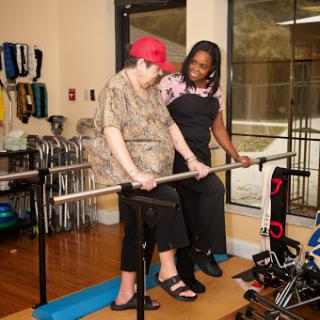
Several reviews describe rehab therapy and the therapy team as active and supportive.
Multiple reviewers say the therapy team is engaged and that therapy helped with progress during short-term rehab. Some mention therapists evaluating even on a Sunday and discuss seeing improvements or adequate rehab for the person’s needs. A few reviews criticize the therapy approach, describing limited therapy time and more time spent in bed or a wheelchair.
caveat10 reviews mention this
Food quality and service vary
Dining reviews range from acceptable to complaints about cold, unappetizing, or missing meals.
Some families say food is okay or that seasoning has improved, while others describe meals that are cold, not appetizing, or inconsistent in what gets served. There are also complaints about dietary needs not being handled as expected and about difficulties with substitute meals. Residents and families still note the community offers diet-related meal support, even though satisfaction with meal experience is uneven.
caveat6 reviews mention this
Rooms and safety concerns appear
A subset of reviewers raises concerns about room condition and safety.
Alongside positive remarks about rooms looking good, several negative reviews describe problems like dirty rooms or bathrooms and damaged or poorly maintained conditions. Some mention pests, leaks, or equipment in need of replacement, and others describe issues that affected comfort and basic care. These complaints stand out because they conflict with the more positive reports of a clean, comfortable visit experience.
How we summarize
Counts show how many written reviews mention each theme; a review can touch several themes, and only frequently mentioned themes are displayed.
Features
Housing
156 resident community capacity
Types of Care
Skilled Nursing Facility
Amenities
Air-conditioning
Beauty salon
Cable or satellite TV
Computer center
Dining room
Fitness room
Fully furnished
Gaming room
Garden
Housekeeping services
Kitchenette
Move-in coordination
Outdoor space
Private bathrooms
Restaurant-style dining
Small library
Telephone
Wellness center
Wi-Fi/high-speed internet available
Transportation
Tallahassee Regional (9 miles away)
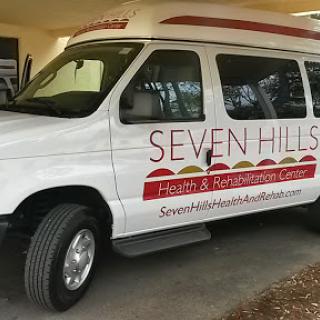
Community operated transportation
Transportation arrangement
Transportation arrangement (non-medical)
Transportation to doctors appointments
Care Services
12-16 hour nursing
24-hour call system
24-hour supervision
Activities of daily living assistance
Assistance with bathing
Assistance with dressing
Assistance with transfers
Diabetes diet
Meal preparation and service
Medication management
Mental wellness program
Special dietary restrictions
Dining
Diabetes diet
Special dietary restrictions
Activities
Community-sponsored activities
Concierge services
Fitness programs
Planned day trips
Resident-run activities
Scheduled daily activities
Nearby Places of Interest
Physicians
Elite Women’s Health (0.1 miles)
Tallahassee Oral & Maxillofacial Surgery (0.1 miles)
Barrett R. Tolley, DDS (0.1 miles)
Tallahassee Orthopedic Clinic (0.1 miles)
Toc (0.1 miles)
TMH Genetics Clinic (0.2 miles)
Dr Corpuz (0.2 miles)
Hospitals
Tallahassee Community Hospital (0.4 miles)
Capital Medical Oncology Unit (0.4 miles)
Tallahassee Medical Center (0.4 miles)
DaVita (0.8 miles)
Apalachee Center (1.2 miles)
Tallahassee Memorial Hospital Women's Pavillion (2.4 miles)
At Seven Hills Health & Rehabilitation Center, the monthly costs for care reflect a premium level of service compared to both Leon County and the broader state of Florida. For semi-private accommodations, residents can expect to pay $4,083 per month, which is notably higher than the county average of $3,837 and the state average of $3,009. Private rooms are priced at $4,899, exceeding both local and state figures - $3,968 and $3,699 respectively. For those opting for studio accommodations, the cost rises to $5,307, again surpassing Leon County's average of $4,014 and Florida's average of $3,823. This pricing structure underscores the center's commitment to providing exceptional care and amenities tailored to enhance the well-being of its residents.
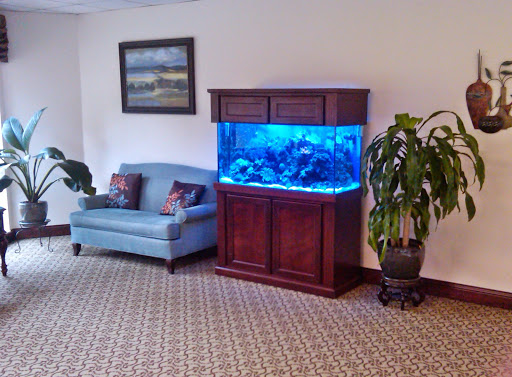
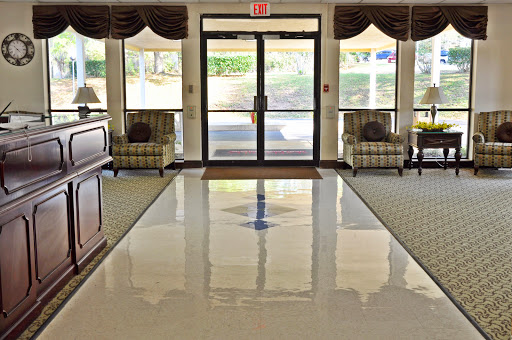
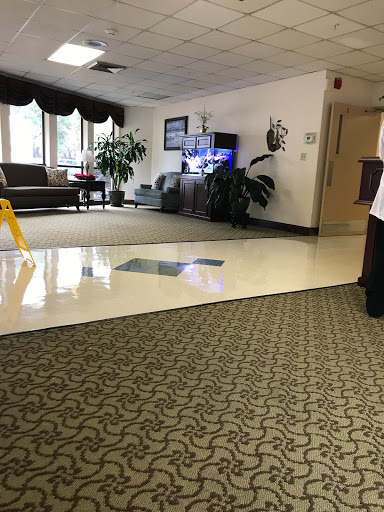
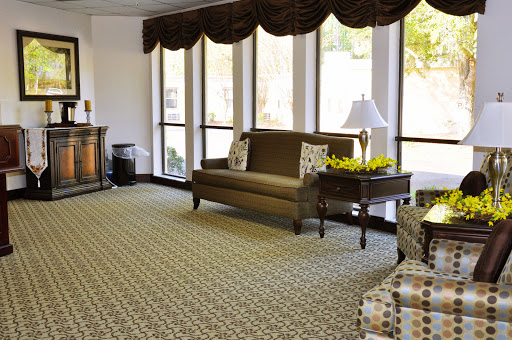
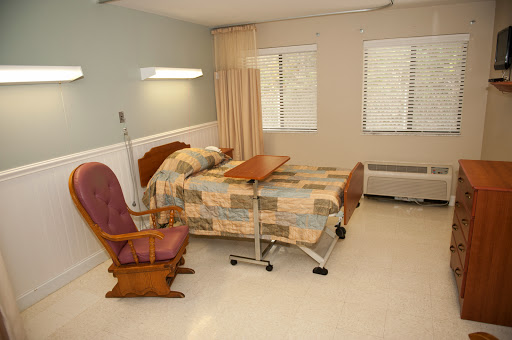
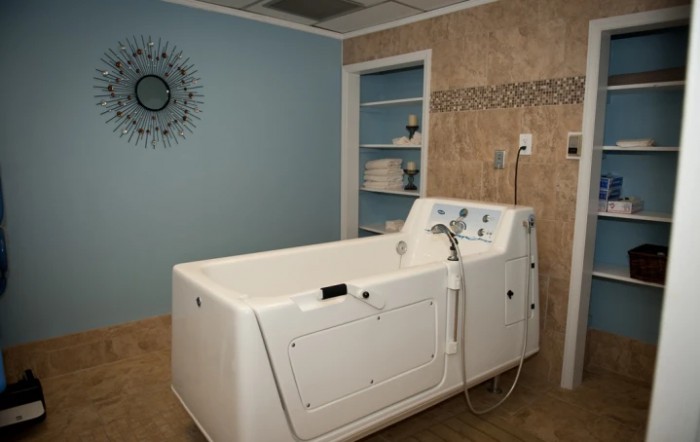
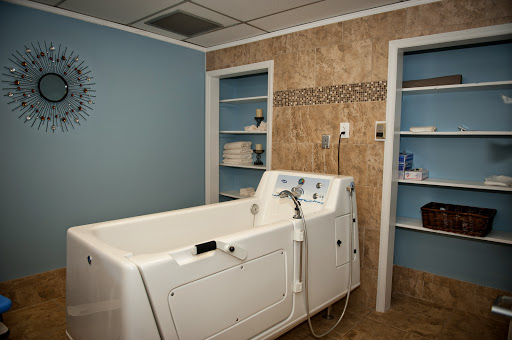
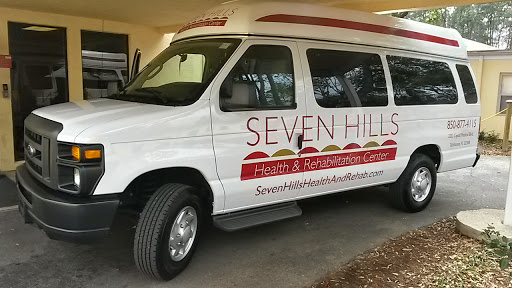
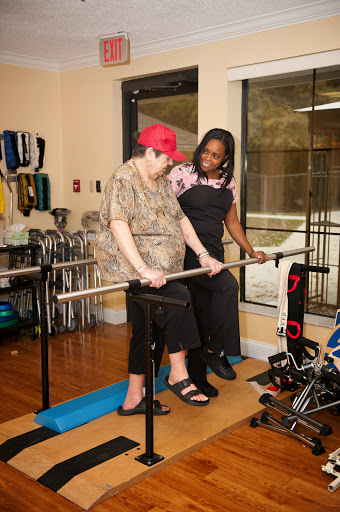
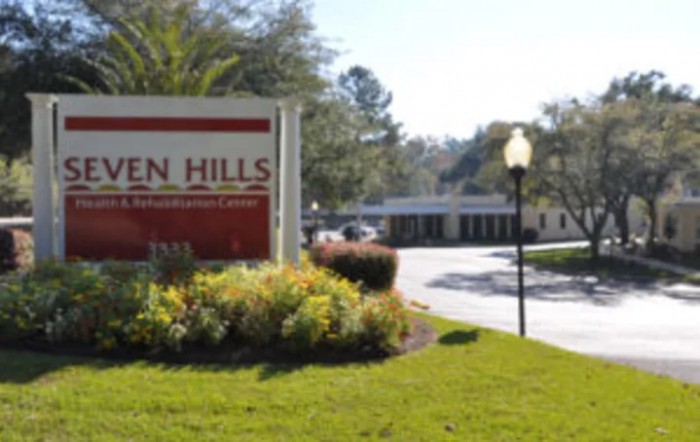
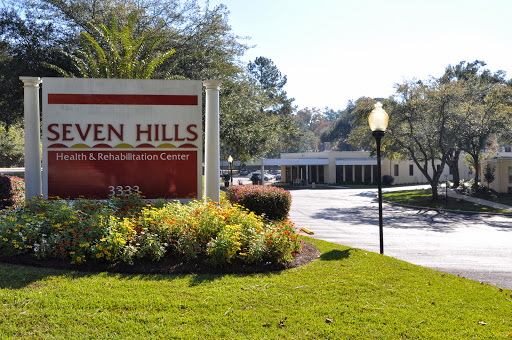
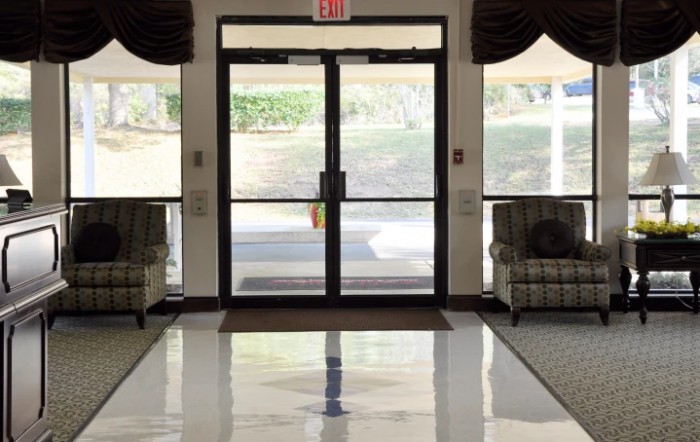
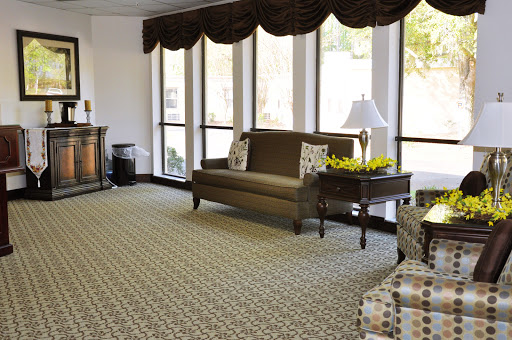
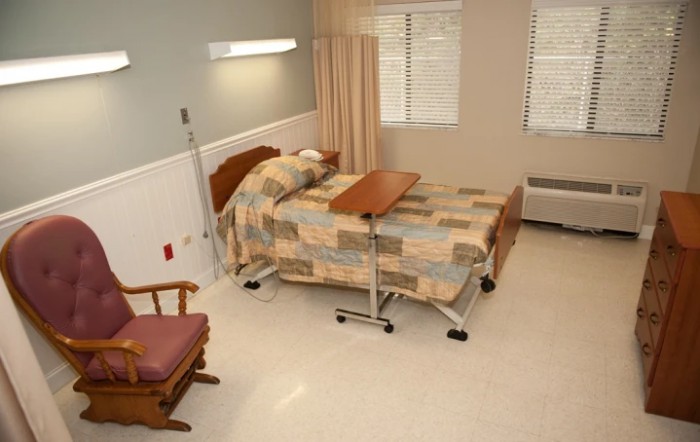
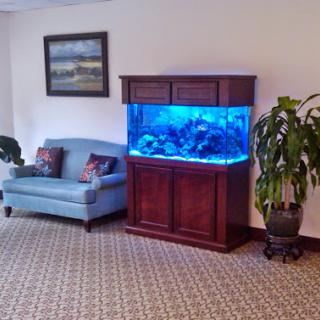
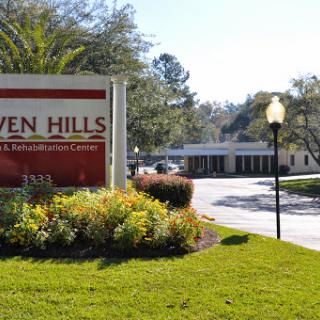
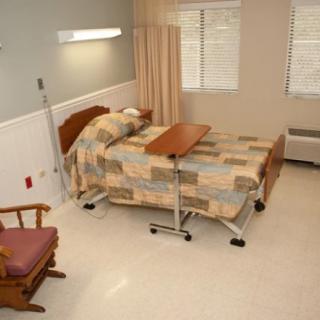
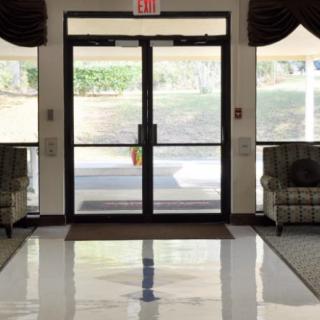
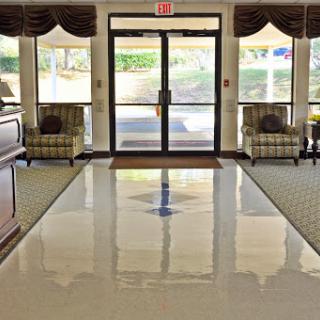
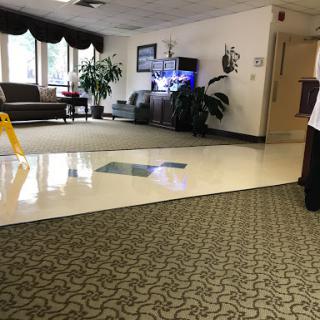
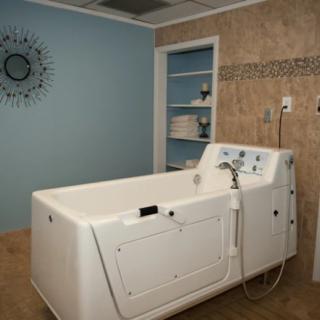
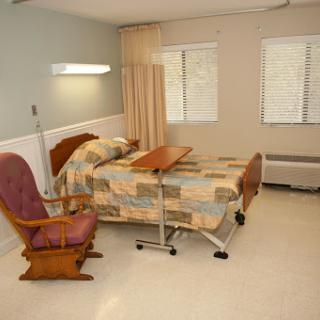
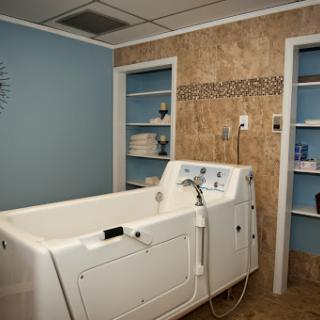
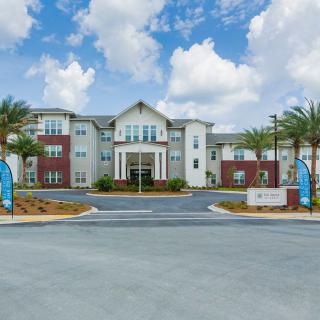
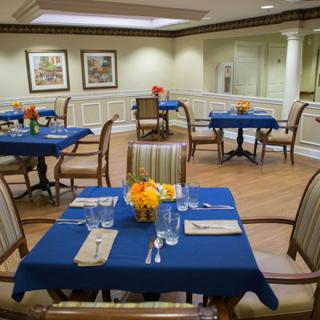
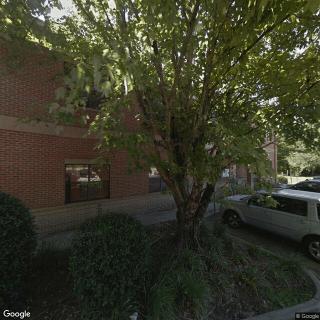
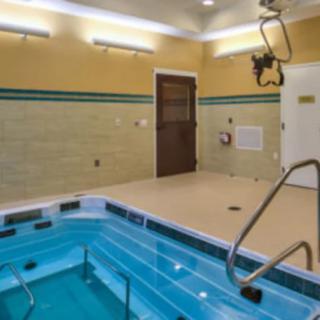
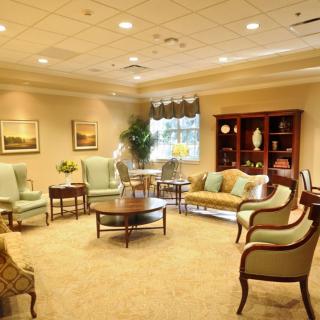
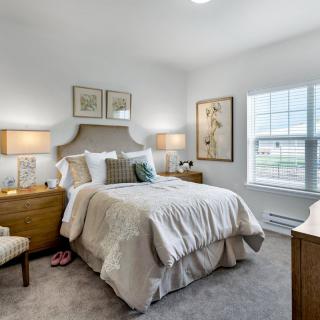
Seven Hills Health & Rehabilitation Center on seniors.fyi includes 14 photos including images showing interior, windows, bathroom, lobby, bedroom, healthcare, spa, decor, and more.
Nearby Communities
Heritage Healthcare Center At Tallahassee
Tallahassee, FL
3.2 from 138 reviews
$2,640 / month
Compassionate staff and engaging resident activities.
Heritage Health Care Ctr
Tallahassee, FL
3.2 from 100 reviews
Excellent nearby amenities and healthcare access.
Sodalis Tallahassee Assisted Living
Tallahassee, FL
4.6 from 150 reviews
$2,200 to $3,800 / month
Friendly, patient staff in a bright, clean facility with engaging daily activities.
The Grove at Canopy
Tallahassee, FL
4.4 from 76 reviews
$3,695 to $4,795 / month
Friendly, responsive staff in a clean, modern community with memory care and engaging activities.
Brookdale Centre Pointe Boulevard
Tallahassee, FL
4.3 from 74 reviews
$5,095 to $5,795 / month
Friendly, professional staff in a clean, homey memory-care setting with engaging activities.
Home Instead - Tallahassee, FL
Tallahassee, FL
4.7 from 23 reviews
Compassionate, family-focused caregivers who support staying at home.
Centre Pointe Health And Rehab Center
Tallahassee, FL
3.3 from 124 reviews
Caring therapists and updated environment with private rooms.
Westminster Oaks
Tallahassee, FL
4.5 from 137 reviews
$1,737 to $3,342 / month
Friendly, attentive staff; clean facilities; multiple living options and on-site amenities.
Mulligan Park Gracious Retirement Living
Tallahassee, FL
4.7 from 68 reviews
Beautiful, well-maintained community with spacious apartments and varied activities.
Senior move management provides specialized support for older adults relocating by assisting with logistics, emotional challenges, and downsizing decisions to ensure a smooth transition to new living environments. These services address the unique needs of seniors and have become increasingly important as baby boomers retire and seek to downsize.
Weight training is vital for seniors to maintain muscle mass, bone density, and overall health, combating age-related declines through customized resistance exercises that enhance balance and well-being. Safe routines should start with realistic goals and proper form, while emphasizing gradual progress and consultations with healthcare providers to ensure safety and effectiveness.
The Sandwich Generation comprises adults managing the dual responsibilities of caring for aging parents and raising children, leading to significant emotional, logistical, and financial challenges. This situation is exacerbated by longer life expectancies and cultural expectations, necessitating effective coping strategies and support resources to alleviate caregiver stress and burnout.
Get PricingAsk A QuestionSchedule A TourContact Senior Advisor
By clicking submit, you agree to our Partner's Terms of Use. You
also consent to receive calls and texts, which may be autodialed, from our Partner. Your consent is not a condition to
using our Partner's service. Please visit our Partner's Privacy Policy for information about their privacy practices.

 156 resident community capacity
 Skilled Nursing Facility
 Air-conditioning
 Beauty salon
 Cable or satellite TV
 Computer center
 Dining room
 Fitness room
 Fully furnished
 Gaming room
 Garden
 Housekeeping services
 Kitchenette
 Move-in coordination
 Outdoor space
 Private bathrooms
 Restaurant-style dining
 Small library
 Telephone
 Wellness center
 Wi-Fi/high-speed internet available
 Tallahassee Regional (9 miles away)
 Community operated transportation
 12-16 hour nursing
 24-hour call system
 Activities of daily living assistance
 Assistance with bathing
 Assistance with dressing
 Assistance with transfers
 Diabetes diet
 Medication management
 Mental wellness program
 Special dietary restrictions
 Concierge services
 Planned day trips
 Compassionate staff and engaging resident activities.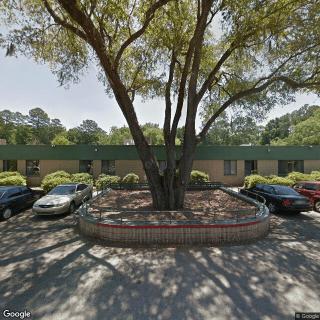

 Senior Move Management: Understanding the Role, Value, and Associated Costs
 Weight Training for Seniors: Building Strength and Vitality
 Understanding the Sandwich Generation: Stress and Responsibilities for Multigenerational Caregivers