
1717 West Avery Street, Pensacola, FL 32501
For more information about senior living options: (866) 208-4318
Overall Review of Rehabilitation Center At Park Place
Pros
 Arabella Care Home is praised for its helpful staff and a smooth respite care process.
 - Miss Danielle and the Arabella Care Home staff are appreciated for their care.
- Park Place staff are caring, loving, and helpful.
- Ms. Lolita, the nursing staff, and the social worker provide daily care for the resident’s mother.
- The therapy department at Park Place is excellent and goes above and beyond to provide quality therapy.
- Park Place provides a home-like atmosphere with friendly greetings and content residents.
Cons
 The facility leaves residents to soak in their own urine and poop.
- They neglect residents, resulting in bedsores, and deny access to pressure-relief beds.
- Belongings and residents’ money are stolen or not returned.
- The director barred a family member from the center after they photographed neglect.
- The nursing staff are rude to people delivering meals.
- The facility is alleged to deliberately neglect patients who complain, with some becoming sicker or dying in hospital.
- Administrative staff are rude, dishonest, and overmedicate residents.
- Personal belongings disappear, and communications with families are inconsistent and obstructive.
- The facility does not answer phones or notify families about hospitalizations, leading to harm.
Review
Rehabilitation Center at Park Place in Pensacola is best suited for seniors who need structured rehabilitation and value a home‑like setting with an active social life. The standout element is the therapy department, which consistently receives recognition for its effort and progress-driven approach. For families seeking tangible rehab gains and a place where daily life feels welcoming and engaged, Park Place can feel like a practical fit. The atmosphere often reads as warm, with staff interactions that appear friendly and residents who participate in social activities that help pass the day with purpose.
Those weighing alternatives should note that Park Place is not the obvious pick for families prioritizing flawless care, perfect responsiveness, and airtight accountability. A pattern of troubling reviews highlights neglect concerns, inconsistent communication, and administrative friction that can complicate planning and oversight. If a loved one requires meticulous, transparent oversight, or if prior experiences with mismanagement or missing belongings are a red flag, it makes sense to explore other options. In short, Park Place demands active family involvement and careful due diligence before committing.
The strongest positives, robust therapy, a homey vibe, and engaging social programming, do offer meaningful value. The therapy team is repeatedly praised for going above and beyond to support progress, and a nurse practitioner along with social workers are cited as genuinely helpful in daily care. When residents are treated with courtesy and encouraged to participate in activities, the living environment can feel reassuring and supportive, especially for those who respond well to structured routines and social engagement. These benefits, however, rest on a backdrop of broader concerns that temper the overall impression.
Conversely, the main negatives are consistently serious and cannot be dismissed. Numerous accounts describe neglectful or inconsistent care, with alarming anecdotes about dehydration, untreated bedsores, and ineffective or mismanaged medical oversight. Communication gaps and administrative stonewalling surface repeatedly, including reports of rude interactions and unreliable information about finances and personal belongings. Personal items going missing, alleged overmedication, and difficult experiences around discharge or family involvement compound the sense that supervision and safety require vigilant oversight. Taken together, the cons are not minor irritants; they represent meaningful risk factors for families to weigh.
From a decision standpoint, the therapy strengths and the home-like environment only partially offset the substantive safety and governance concerns. For families who can commit to frequent on-site visits, ongoing documentation, and immediate escalation of any red flags, Park Place can still deliver measurable rehab progress within a supportive daily rhythm. Yet the reality is that without proactive, sustained family engagement, the facility’s drawbacks may overwhelm the potential gains. Prospective residents should demand clear, written care plans, regular progress updates, and a documented process for addressing concerns, including a dependable point of contact who will respond promptly.
The conclusion is practical and actionable. Park Place should not be your default choice for a loved one who requires dependable 24/7 oversight, transparent administration, and a track record of protecting personal belongings. It is a reasonable option for families who can and will stay visibly involved, prioritize rehabilitation outcomes, and verify that every concern has a clear, accountable answer before move-in. If pursuing this community, arrange a thorough tour focused on care routines, speak with several current residents and their families, and demand concrete commitments around safety, medication management, and grievance handling. In many cases, exploring alternative facilities with stronger care governance will offer far greater peace of mind, even if Park Place supplies solid therapy and a comfortable atmosphere.
 118 resident community capacity
 Skilled Nursing Facility
 Air-conditioning
 Beauty salon
 Cable or satellite TV
 Computer center
 Dining room
 Fitness room
 Fully furnished
 Gaming room
 Garden
 Housekeeping services
 Kitchenette
 Move-in coordination
 Outdoor space
 Private bathrooms
 Restaurant-style dining
 Small library
 Telephone
 Wellness center
 Wi-Fi/high-speed internet available
 Pensacola Regional (4 miles away)
 Community operated transportation
 12-16 hour nursing
 24-hour call system
 Activities of daily living assistance
 Assistance with bathing
 Assistance with dressing
 Assistance with transfers
 Diabetes diet
 Medication management
 Mental wellness program
 Special dietary restrictions
 Concierge services
 Planned day trips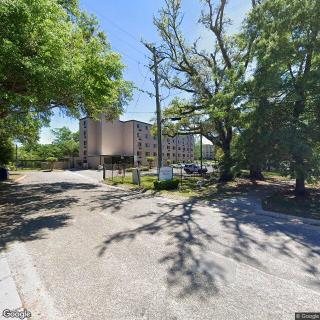






 Comprehensive Approaches for Arthritis: A Detailed Guide to Symptoms, Causes, and Care
 Comprehensive Insights and Practical Strategies to Help Older Adults Avoid Falls
 6 Crucial Ways an Elder Law Attorney Assists Families