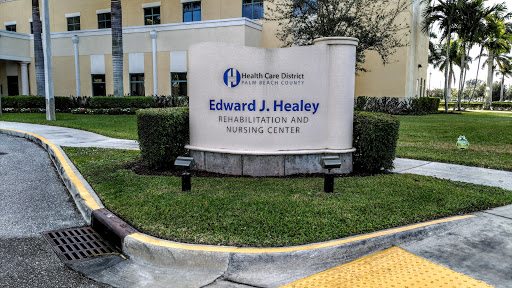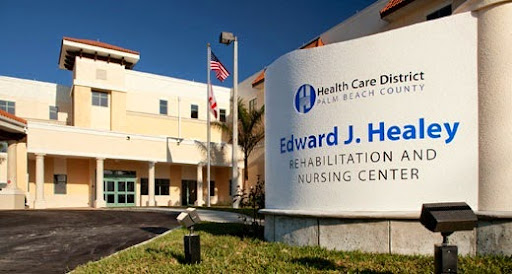
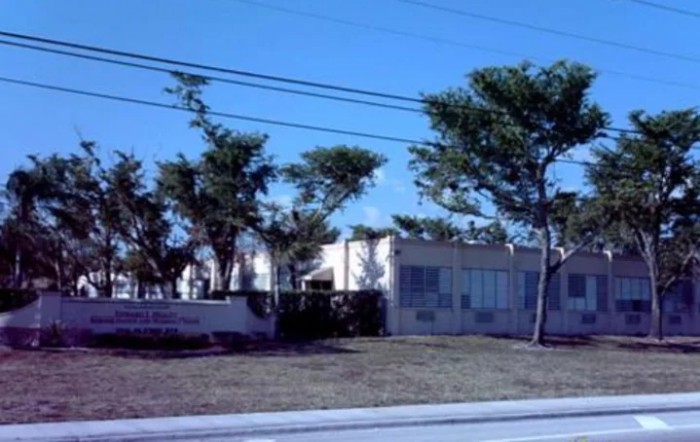
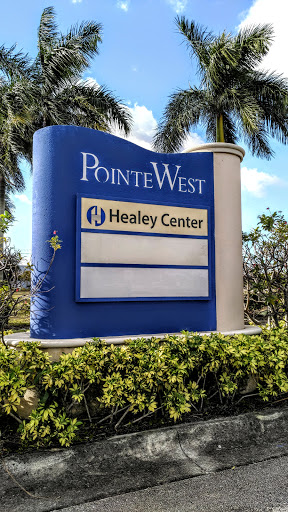

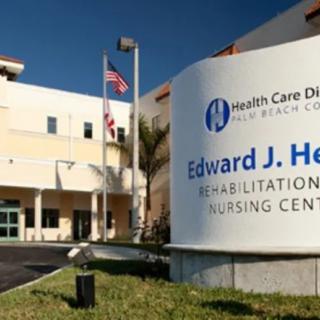
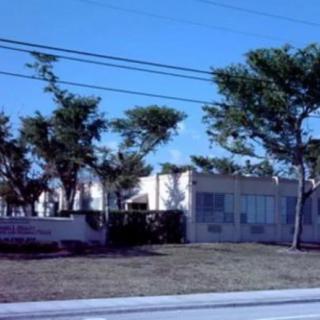




5101 West Blue Heron Boulevard, Riviera Beach, FL 33418
For more information about senior living options: (866) 208-4318
Edward J Healey Rehabilitation And Nursing Center Costs & Pricing
Edward J Healey Rehabilitation and Nursing Center offers competitive pricing for its residents compared to the broader market in Palm Beach County and the state of Florida. For a studio room, the center charges $3,000 per month, which is substantially lower than the county average of $4,274 and even more favorable when compared to the state average of $3,823. The one-bedroom option at Edward J Healey also presents a cost-effective solution at $3,500 monthly, again undercutting both county ($4,362) and state averages ($3,864). For those seeking private accommodations, the center's rate of $4,500 remains slightly above the county's average of $4,444 but is notably less than Florida's average of $3,699. This pricing structure not only highlights Edward J Healey's commitment to affordability but also positions it as a valuable choice for individuals seeking quality rehabilitation and nursing care within a financially accessible framework.
| Floor plans | Edward J Healey Rehabilitation And Nursing Center | Palm Beach County | Florida |
|---|---|---|---|
| Studio | $3,000 | $4,274 | $3,823 |
| 1 Bedroom | $3,500 | $4,362 | $3,864 |
| Private | $4,500 | $4,444 | $3,699 |
Skilled Nursing Facilities with a similar price nearby
-
from -$500 / mo

Finnish American Village
$2,500 to $3,300 / month13.5 miles away -
from +$525 / mo

Sonata Boynton Beach
$3,525 to $4,775 / month19.1 miles away -
from -$500 / mo
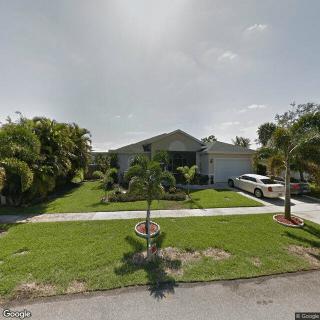
Hibiscus Palace III Assisted Living Facility LLC
$2,500 to $3,800 / month10.4 miles away -
from -$400 / mo

Jupiter Medical Center Pavilion
$2,600 / month9.7 miles away
Overall Review of Edward J Healey Rehabilitation And Nursing Center
Pros
 The staff are the best the reviewer has encountered and genuinely care about patients.
- The therapists are top-notch and highly capable.
- The rooms are clean and the center provides a great environment for recovery.
- It is described as the best rehabilitation center the reviewer has ever been in.
- The staff and service providers are knowledgeable, professional, responsive, and caring.
- The food service supports patients’ nutrition and health.
- Housekeeping maintains a high standard of cleanliness and the center is a wonderful place to recuperate and rehabilitate.
Cons
 The place is the worst to send a loved one, as staff are perceived to not care about anyone but themselves.
- The Don and ADON are described as disrespectful to staff and families, and the center is run on a friends basis that prompts people to leave.
- Rooms are cold and uninviting, with residents unable to personalize their spaces.
- Meals are always served cold, and the rehabilitation room seems too small and understaffed.
- Hydrotherapy is not available, though it is needed.
- Freedom of thought and speech is not encouraged, with a pervasive feeling of fear and mistrust.
- The facility was allegedly run with intimidation and coercion by the former administrator, with the head of Social Services described as the administrator's lapdog, and a language barrier among hourly staff leading to mistrust.
- A patient was told they were high functioning and ready for an ALF despite being a partial quadriplegic, and the reviewer advises keeping family members far away from the facility.
Review
Edward J Healey Rehabilitation And Nursing Center in Riviera Beach is best suited for seniors who require short-term, goal-focused rehabilitation and for families that want a strong therapy team and a clean, structured environment as the backbone of recovery. The central appeal lies in the rehab program: physical and occupational therapists who deliver hands-on guidance, professional nursing support, and a track record of tangible progress. When the objective is to regain mobility, independence in activities of daily living, and a clear path toward discharge, Healey often meets those benchmarks in meaningful ways. For families prioritizing measurable rehabilitation gains and dependable day-to-day care, this center is a credible option worth pursuing.
But there are meaningful caveats. Those who insist on consistently respectful leadership and a culture that centers resident and family voice may want to explore alternatives. Several accounts allege that administration can be disrespectful to families and staff, with complaints about intimidation and favoritism. Language differences among hourly staff are cited as creating mistrust in communication, and questions persist about whether residents are truly heard and empowered in decision-making. For seniors who place a premium on a warm dining atmosphere, a spacious, you-can-personalize space, and a nurturing, open culture, Healey may feel lacking.
On the positive side, the fortes are strong enough to tilt the decision in favor of Healey for the right patient. The therapy team earns repeated accolades: therapists described as excellent, knowledgeable, and responsive; service providers who demonstrate professional, attentive care; and frontline staff who genuinely invest in patient outcomes. Clean rooms, thorough housekeeping, and well-kept grounds reinforce a professional milieu that supports recovery. Family members praise proactive updates and thoughtful communication about issues, including timely calls when problems arise. The nutrition staff’s flexibility in meeting individual needs, and the facility’s readiness to admit and manage complex cases (even in delicate scenarios) further strengthen Healey’s rehabilitation proposition.
Yet the negative threads are substantial enough to demand serious consideration. Critics describe a leadership climate marked by coercion or intimidation in the past, creating fear and mistrust that linger today. Reports of staff language barriers contributing to misunderstandings, combined with accounts of cold meals and a rehab space that feels small and understaffed, shape a less inviting daily experience. The absence of hydrotherapy is highlighted as a gap, and there is a troubling sentiment that residents’ freedom of thought and speech is not encouraged. One long-standing concern centers on a former administrator whose approach allegedly undermined trust, paired with claims that some patients were mischaracterized as “high functioning” when ongoing therapy and support were essential. Taken together, these factors can erode engagement and satisfaction, even when clinical rehab remains strong.
These pros and cons create a nuanced calculus. For families whose primary driver is aggressive, high-quality rehabilitation and reliable, responsive frontline care, Healey’s therapy-focused strength can outweigh environmental shortcomings. The center’s willingness to step in for complex medical scenarios and its track record of keeping patients connected to their families during care are meaningful positives that translate into real value. However, the governance and culture concerns cannot be dismissed, because they shape day-to-day experiences, resident morale, and sustained adherence to a robust rehab plan. In practical terms, depends on what matters most: if function and progress under skilled therapy teams are non-negotiable, Healey remains a compelling, competitive choice; if leadership climate and resident empowerment are paramount, alternatives deserve serious comparison.
prospective families should approach a visit with a concrete checklist. Seek a candid meeting with the administrator and the therapy director to understand current leadership dynamics and turnover. Request current staffing ratios, tour the therapy spaces to assess capacity, and verify availability of hydrotherapy or comparable modalities. Review the menu and dining practices, and confirm how room personalization is handled. Inquire about language support and communication protocols to ensure clarity and trust between staff and families. Clarify discharge planning, ongoing support, and how concerns are escalated and resolved. If the aim is relentless rehab momentum with a warm, resident-centered atmosphere, explore other Riviera Beach options as a benchmark. If the priority is proven rehab capability grounded in solid clinical care, Healey deserves a thorough, careful evaluation before making a final commitment.
 120 resident community capacity
 Skilled Nursing Facility
 Air-conditioning
 Beauty salon
 Cable or satellite TV
 Computer center
 Dining room
 Fitness room
 Fully furnished
 Gaming room
 Garden
 Housekeeping services
 Kitchenette
 Move-in coordination
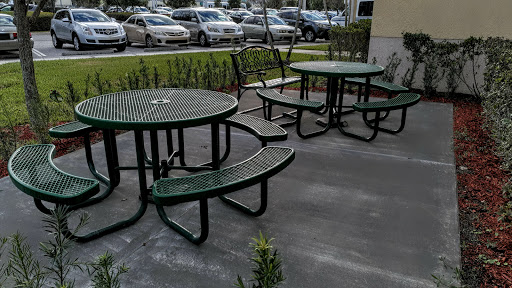
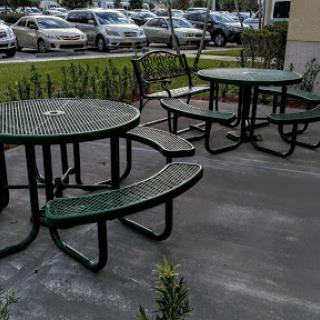
 Outdoor space
 Private bathrooms
 Restaurant-style dining
 Small library
 Telephone
 Wellness center
 Wi-Fi/high-speed internet available
 Palm Beach International (7 miles away)
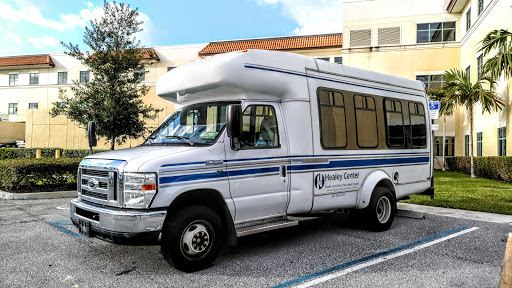
 Community operated transportation
 12-16 hour nursing
 24-hour call system
 Activities of daily living assistance
 Assistance with bathing
 Assistance with dressing
 Assistance with transfers
 Diabetes diet
 Medication management
 Mental wellness program
 Special dietary restrictions
 Concierge services
 Planned day trips


 Home Health Care Aides: Understanding Their Role and Supporting Your Family
 Urinary Tract Infections in Older Adults: Comprehensive Insights on Symptoms, Treatment, and Prevention
 California's Form 602A: An In-Depth Examination of Senior Care Assessment