Overall Review of Life Care Center At Wells Crossing
common27 reviews mention this
Staff kindness and professionalism
Residents and families consistently describe staff as helpful, professional, and compassionate.
Across the reviews, families and visitors repeatedly highlight staff members across roles—from the front desk and business office to nurses, CNAs, therapists, and housekeeping—showing professionalism and compassion. Several reviewers describe staff as attentive to daily needs and responsive when questions come up, including during admissions and settling-in. Even in more critical reviews, some staff members are still singled out as wonderful or supportive.
common12 reviews mention this
Facility cleanliness stands out
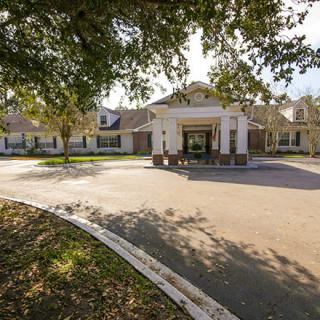
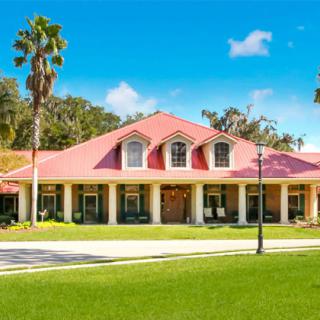
Multiple reviews emphasize that the facility feels clean and well maintained.
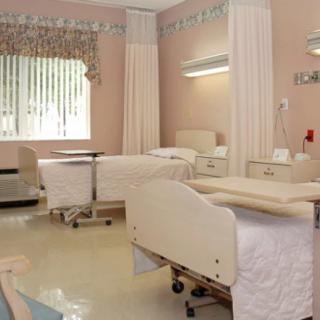
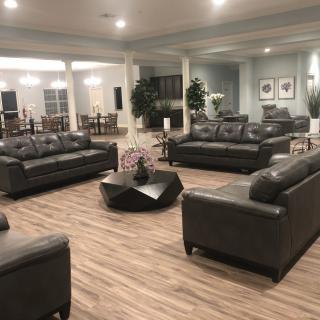
Many reviewers comment on cleanliness and overall upkeep, describing the facility as clean, neat, and well maintained. Visitors mention clean common areas and a pleasant atmosphere, while others describe rooms as clean and the property as presentable. One reviewer contrasts that with concerns about dated and unclean-looking rooms, but even that review acknowledges the common areas look good.
common9 reviews mention this
Activities keep residents engaged
Residents and visitors mention activities like bingo, movies, and day-room gatherings.
Reviews frequently describe a steady mix of resident activities, including bingo and small-group or day-room events. Some reviewers also mention festive or seasonal decorations and staff-led fun as part of the day. The community also offers scheduled daily activities and resident-run activities per the listing’s offerings, which fits with what visitors describe seeing during their stays.
common10 reviews mention this
Rehab therapy is a major focus
PT/OT therapy receives frequent praise for helping residents progress and heal.
A number of reviews focus on rehabilitation—especially PT and OT—describing the therapy teams as thorough and effective. Several reviewers say their loved ones improved with progressive results, while others describe therapy as a reason they would choose this facility again. There are also a couple of concerns, including one review that questions how often therapy happened and another that raises issues with clinical follow-through; taken together, the reviews show therapy is important here, with quality depending on the individual experience.
caveat4 reviews mention this
Care responsiveness varies
Some residents and families report delayed help and weak communication for urgent needs.
While many reviewers describe staff as attentive, a few critical reviews describe call responsiveness problems and slower help when assistance is needed. One reviewer says no one responded to calls and questions whether the call system worked, while another reports that aids were slow when called and it took about an hour to get assistance. Several critical comments also mention communication gaps during changing conditions, including what was or wasn’t communicated to family.
caveat2 reviews mention this
Cost and billing frustrations appear
A small number of reviews express dissatisfaction with refunds and billing after discharge.
Two reviews raise concerns about money after discharge, including refund amounts and how bed-hold or out-of-pocket charges were handled. One reviewer describes discovering additional money owed only after discussing the issue with leadership and emphasizes keeping documentation. Another review warns about self-pay experiences and describes a dispute over the amount refunded, urging families to get everything in writing.
How we summarize
Counts show how many written reviews mention each theme; a review can touch several themes, and only frequently mentioned themes are displayed.
Features
Housing
120 resident community capacity
Types of Care
Skilled Nursing Facility
Amenities
Air-conditioning
Beauty salon
Cable or satellite TV
Computer center
Dining room
Fitness room
Fully furnished
Gaming room
Garden
Housekeeping services
Kitchenette
Move-in coordination
Outdoor space
Private bathrooms
Restaurant-style dining
Small library
Telephone
Wellness center
Wi-Fi/high-speed internet available
Transportation
Jacksonville International (21 miles away)
Community operated transportation
Transportation arrangement
Transportation arrangement (non-medical)
Transportation to doctors appointments
Care Services
12-16 hour nursing
24-hour call system
24-hour supervision
Activities of daily living assistance
Assistance with bathing
Assistance with dressing
Assistance with transfers
Diabetes diet
Meal preparation and service
Medication management
Mental wellness program
Special dietary restrictions
Dining
Diabetes diet
Special dietary restrictions
Activities
Community-sponsored activities
Concierge services
Fitness programs
Planned day trips
Resident-run activities
Scheduled daily activities
Nearby Places of Interest
Physicians
Global Family Care (0.5 miles)
Dr Gene Ashley Harris DO (1.3 miles)
Family Allergy and Asthma (1.4 miles)
Premier Spine & Pain Center (1.5 miles)
T. Michael Hardin, DO (1.5 miles)
Family Practice Associates of Orange Park (1.6 miles)
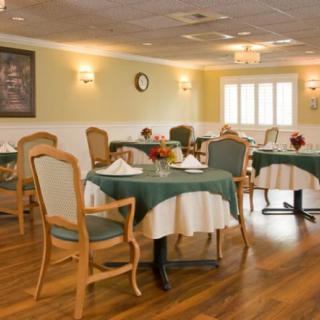
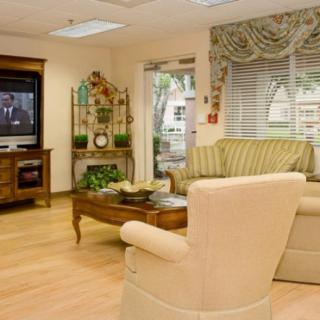
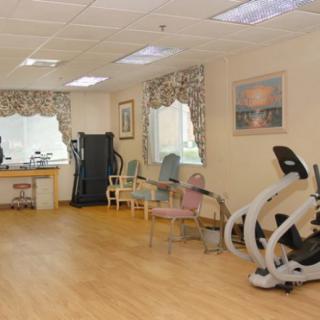
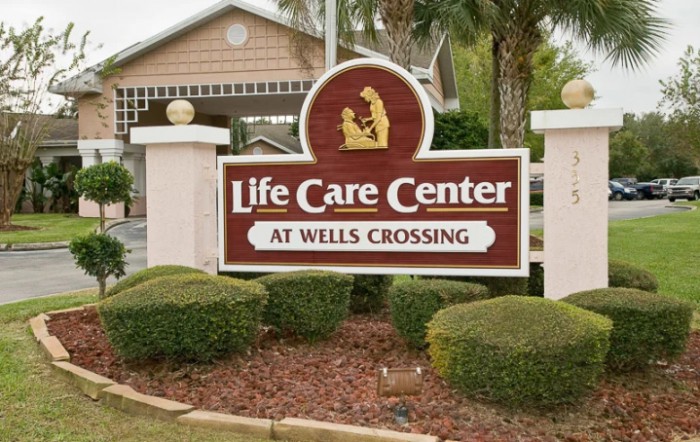
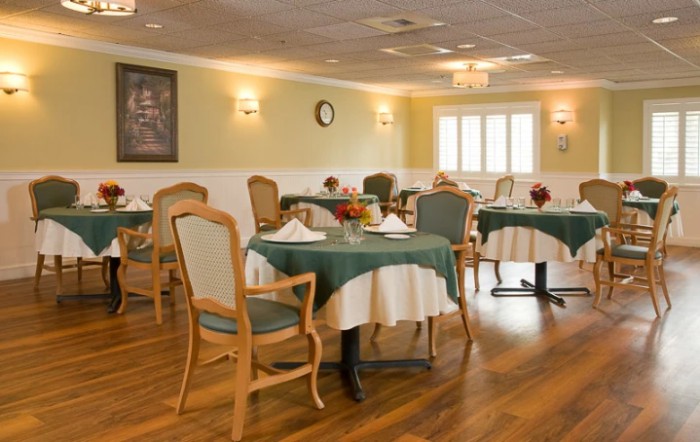
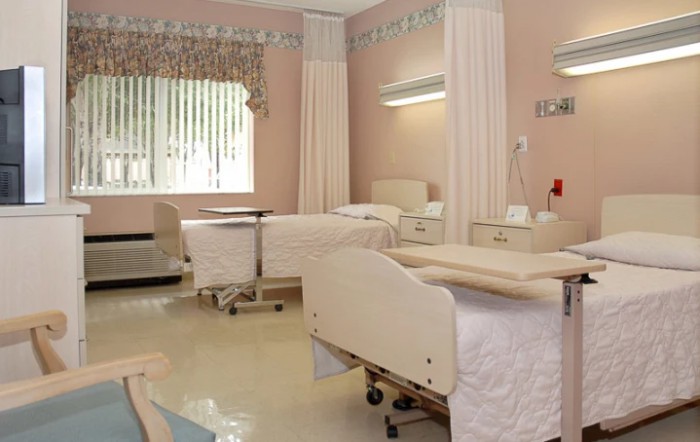
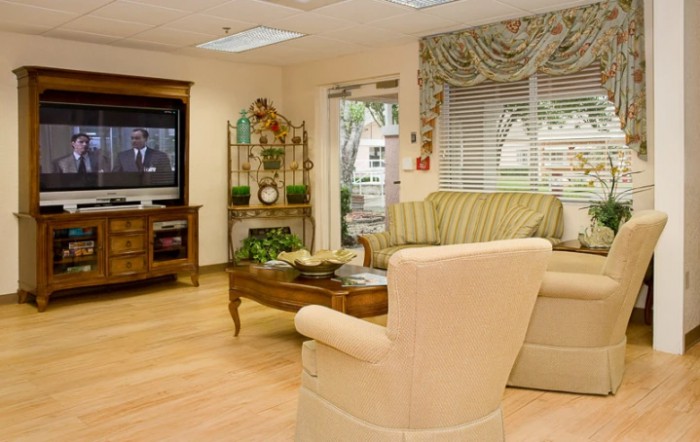
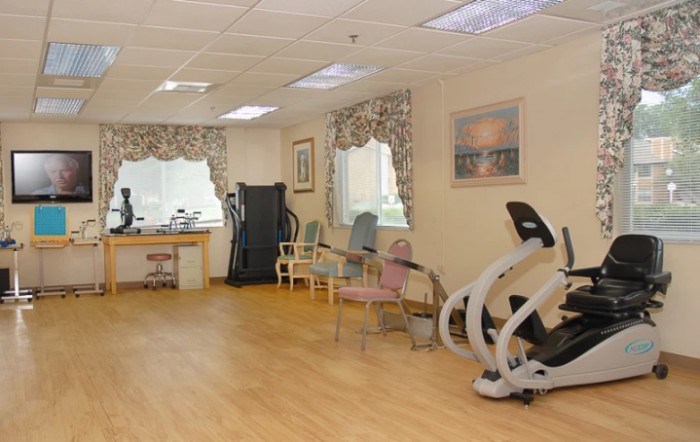
Life Care Center At Wells Crossing on seniors.fyi includes 5 photos including images showing interior, dining, nursing home, landscaping, lighting, healthcare, living room, television, and more.
Nearby Communities
Queen Of Angels Alf
Orange Park, FL
4.5 from 11 reviews
$1,800 to $2,600 / month
Small, intimate home with compassionate staff and home-cooked meals.
Heartland Health Care Ctr
Orange Park, FL
3.3 from 108 reviews
$2,500 / month
Affordable private-room pricing relative to local averages.
Heartland Health Care Center Orange Park
Orange Park, FL
3.4 from 109 reviews
Friendly, knowledgeable staff and clean, updated facilities supporting recovery.
Premier Assisted Living
Orange Park, FL
4.1 from 28 reviews
$1,800 to $4,500 / month
Competitive pricing with solid value across room types, plus ground-floor, accessible units and a broad set of on-site amenities and services.
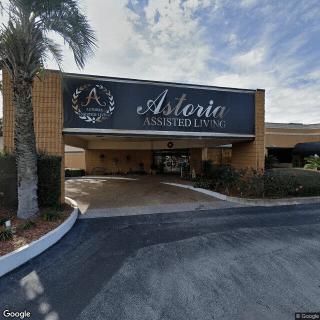
Astoria Assisted Living
Orange Park, FL
5 from 6 reviews
Caring staff in a warm, welcoming environment with good amenities.
The Meetinghouse at Collins Cove
Jacksonville, FL
4.2 from 67 reviews
Strong nearby amenities: cafes, pharmacies, physicians, restaurants, and a theater.
Brookdale Orange Park
Orange Park, FL
4 from 105 reviews
$4,160 to $5,315 / month
Caring staff with engaging memory-care activities.
Moosehaven
Orange Park, FL
5 from 5 reviews
High-quality care with extensive on-site amenities and a highly convenient location for visiting relatives.
Silver Treasures At Orange Park
Orange Park, FL
4.3 from 19 reviews
$3,285 to $5,475 / month
Warm, attentive staff in a clean, safe, small community with personalized care and good meals.
The VA Aid and Attendance program offers financial assistance to veterans needing help with daily activities due to health issues, available through a pension for low-income wartime veterans or an allowance for 100% disabled individuals. Eligibility depends on medical documentation of care needs and navigating guidelines about income and service history, with funds being usable for various healthcare-related expenses.
Linda's caregiving journey for her elderly mother, Joan, is marked by deep love and challenges as she navigates health changes, emotional support, and practical arrangements while learning to prioritize self-care and utilize community resources. Their evolving relationship highlights resilience and the universal themes of empathy and preparedness in caregiver experiences.
Exercise Equipment, Gym, Fitness, and Workout Room
Healthcare
Get PricingAsk A QuestionSchedule A TourContact Senior Advisor
By clicking submit, you agree to our Partner's Terms of Use. You
also consent to receive calls and texts, which may be autodialed, from our Partner. Your consent is not a condition to
using our Partner's service. Please visit our Partner's Privacy Policy for information about their privacy practices.

 120 resident community capacity
 Skilled Nursing Facility
 Air-conditioning
 Beauty salon
 Cable or satellite TV
 Computer center
 Dining room
 Fitness room
 Fully furnished
 Gaming room
 Garden
 Housekeeping services
 Kitchenette
 Move-in coordination
 Outdoor space
 Private bathrooms
 Restaurant-style dining
 Small library
 Telephone
 Wellness center
 Wi-Fi/high-speed internet available
 Jacksonville International (21 miles away)
 Community operated transportation
 12-16 hour nursing
 24-hour call system
 Activities of daily living assistance
 Assistance with bathing
 Assistance with dressing
 Assistance with transfers
 Diabetes diet
 Medication management
 Mental wellness program
 Special dietary restrictions
 Concierge services
 Planned day trips
 Small, intimate home with compassionate staff and home-cooked meals.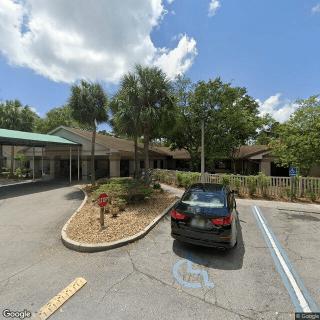

 In-Depth Look at the VA Aid and Attendance Program
 Nurturing Our Loved Ones: A Daughter's Journey in Caring for Her Mother
 Nurturing Our Elders: Linda's Journey of Supporting Her Mother