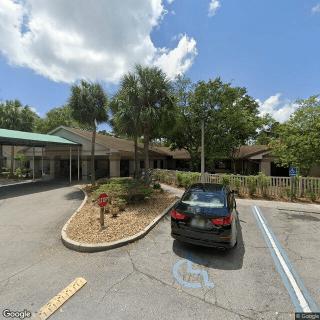
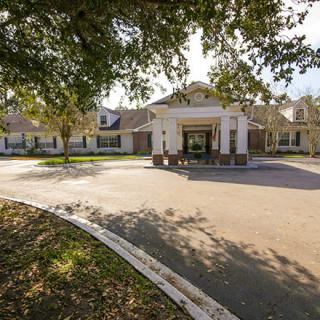
Heartland Health Care Center Orange Park

570 Wells Road, Orange Park, FL 32073

For more information about senior living options: (844) 490-3973

3.4 from 109 reviews
5 stars
49
4 stars
14
3 stars
7
2 stars
6
1 stars
33

Skilled Nursing Facility

Overall Review of Heartland Health Care Center Orange Park

Pros

  • pro The staff are described as friendly, caring, and attentive to residents' needs.
  • pro The therapy and rehab teams are highly skilled and motivating, helping patients regain function.
  • pro The facility is clean, well maintained, and welcoming.
  • pro Families feel reassured by the administration's responsiveness and professionalism.
  • pro Residents feel respected, valued, and treated like family.
  • pro The dining and nutrition team provides meals that residents enjoy and that meet dietary needs.
  • pro The admissions and transition process is smooth, with helpful staff guiding families.

Cons

  • pro The facility underfed a patient and improperly discharged him.
  • pro Some staff were rude and unhelpful, with CNAs failing to assist in basic needs.
  • pro The Director of Nursing was aggressive and did not fully inform patients about policies.
  • pro The discharge policy could strip patients of essential equipment like wheelchairs, compromising safety.
  • pro Medications were frequently late or not given on time, and communication about meds was poor.
  • pro The food was consistently bad, bland, or of low quality.
  • pro The facility had cleanliness and safety issues, including flooded toilets, lack of bed rails, and unpleasant odors.
  • pro Family members reported poor communication with staff, with social workers unreachable and calls not returned.

Review

Heartland Health Care Center Orange Park is best suited for families seeking aggressive rehabilitation and a warm, hands-on therapy culture. The reviews consistently crown the rehab team and frontline staff as the facility's core strength, with patients making tangible gains under attentive PT and OT work. For someone focused on mobility restoration, independent living re-entry, and a care environment that feels like a close-knit team rallying around recovery, this community can deliver meaningful progress. That said, this is not the pick for families chasing a flawless operation with pristine communication, consistently excellent meals, or ironclad predictability across every shift.

Alternatives merit consideration for residents who require reliable nursing oversight, timely med administration, and consistently clear family updates. A pattern emerges in the reviews of missed calls, slow response times, and gaps in information flow between shifts and with social work or family members. For out-of-state families or those needing steady remote updates, the communication hurdles pose real risk. Those who cannot tolerate frequent staffing fluctuations or meals that vary in quality may prefer facilities with stricter staffing guarantees, tighter policy adherence, and more transparent family engagement. In short, there is a meaningful trade-off here between standout rehab momentum and uneven everyday reliability.

The strongest offsetting factor is the rehab ecosystem. When therapy teams operate smoothly, residents regain strength quickly, walk with support, and return home sooner. The best reports highlight disciplined, creative therapists who push through plateaus, with Lonnie, Janae and Zen-style contributions standing out. Nursing and CNA warmth in many shifts reinforces recovery with daily encouragement and compassionate care. Yet those gains do not erase the persistent downsides: inconsistent nursing communication, occasional missed medications or delayed treatments, and discharge practices that can feel abrupt or ill-timed. For long-term care, the variability in day-to-day nursing attention becomes a more pronounced concern than it is for a focused rehab stint.

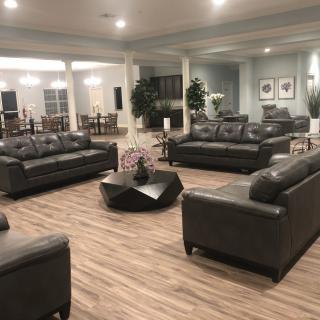
On the pro side, admissions teams and unit leadership frequently earn praise for accessibility and problem-solving when issues arise. Cleanliness and ambiance vary by area, but observers consistently note a bright, welcoming intake area, functional therapy spaces, and rooms that meet basic comfort standards. When operations align - therapy, nursing, social services, and dietary staff - the facility can deliver a more cohesive experience that translates into steadier progress and a sense of genuine care. These moments of alignment demonstrate what the center can be at its best: a place where providers work as a coordinated team to move a resident toward home and independence.

Yet the cons are far from negligible. Multiple reviews recount medication delays, slow bathroom assistance, and calls that go unanswered for extended periods, which undermines safety and trust. Under-staffing and uneven night coverage further complicate daily life, while communication gaps between shifts leave families feeling out of the loop. Food quality remains a recurring complaint, ranging from basic hospital-style fare to concerns about meals arriving cold or bland. Pricing and policy-framed discharge decisions also surface as a pain point, with some families perceiving procedures that feel rushed or inadequately explained. These concerns are not merely cosmetic; they shape whether the stay supports recovery or introduces avoidable stress.

Ultimately, decisions hinge on care goals. For families prioritizing rehab outcomes and a caring, hands-on therapy culture, Heartland Orange Park deserves a close look, paired with targeted questions about staffing consistency and timely med management. A systematic, candid tour is essential: observe therapy sessions, meet the DON, and test the admissions process with concrete scenarios. Sample meals and time how quickly calls are answered during peak hours to gauge reliability. Confirm a clear social-work pathway and discharge planning that accommodates home-health arrangements, especially for remote families. If medical complexity, continuous medication management, and steady, proactive family communication are nonnegotiables, it is prudent to explore competing options in Orange Park as a hedge. In any case, a thorough, on-site assessment will reveal whether the rehab strengths can be trusted to outweigh the operational gaps.

Features

Housing

  • 120 resident community capacity 120 resident community capacity

Types of Care

  • Skilled Nursing Facility Skilled Nursing FacilitySkilled Nursing Facilities are crucial for seniors as they provide round-the-clock medical care, rehabilitation services, and assistance with daily activities. These facilities ensure that seniors receive the specialized care they need to maintain their health and well-being as they age.

Amenities

  • Air-conditioning Air-conditioningAir conditioning is important for seniors as they are more vulnerable to heat-related illnesses and may have underlying health conditions that make it difficult for them to regulate their body temperature. It helps to keep them comfortable, safe, and healthy in hot weather.
  • Beauty salon Beauty salonBeauty salons are important for seniors because they provide a space for them to feel pampered, socialize, and maintain their personal grooming and hygiene. Regular visits to a beauty salon can help boost seniors' self-esteem and overall well-being.
  • Cable or satellite TV Cable or satellite TVCable or satellite TV is important for seniors because it provides entertainment, news, and companionship, helping to combat loneliness and boredom. It also offers a wide range of programming options tailored to different interests and preferences.
  • Computer center Computer centerA computer center is essential for seniors as it provides access to technology, communication tools, and resources that can enhance their daily lives. It allows them to stay connected with loved ones, engage in online activities, and learn new skills, ultimately promoting socialization and mental stimulation.
  • Dining room Dining roomDining rooms are important for seniors as they provide a space for socialization, connection, and nutritious meals. They offer opportunities for residents to bond over shared meals, foster a sense of community, and promote healthy eating habits. Dining rooms also ensure that seniors have access to well-balanced meals tailored to their dietary needs and preferences.
  • Fitness room Fitness roomHaving a fitness room in a senior living community is essential for seniors to stay active, maintain their physical health, and improve their overall well-being. Regular exercise can help prevent falls, reduce the risk of chronic diseases, and promote mental sharpness. It also provides social opportunities for residents to connect with others and enjoy a sense of community.
  • Fully furnished Fully furnishedFully furnished senior living communities are important for seniors because they provide convenience, comfort, and a hassle-free moving experience. Seniors can easily settle into their new living space without the stress of having to buy and move furniture. This allows them to focus on enjoying their new home and community.
  • Gaming room Gaming roomGaming rooms are important for seniors as they provide a fun and engaging environment for socializing, cognitive stimulation, and physical activity. Games can improve memory, problem-solving skills, and overall mental well-being while fostering friendships and reducing feelings of isolation.
  • Garden GardenGardens are important for seniors as they provide a peaceful and therapeutic environment for relaxation, physical activity, and socialization. Being in nature has been shown to reduce stress, improve mood, and promote overall well-being. Gardens also offer opportunities for seniors to engage in gardening activities, which can improve mobility, flexibility, and cognitive function. Additionally, gardens create a sense of community and connection with others who share a passion for plants and outdoor spaces.
  • Housekeeping services Housekeeping servicesHousekeeping services are important for seniors because they help maintain a clean and safe living environment, promote independence, and reduce the risk of accidents or illnesses. Additionally, having assistance with household chores can alleviate physical strain and allow seniors to focus on other aspects of their well-being.
  • Kitchenette KitchenetteKitchenettes are important for seniors living in senior living communities because they provide the convenience and independence of being able to prepare simple meals and snacks in the comfort of their own living space. This can help promote a sense of autonomy and well-being for seniors, allowing them to maintain some level of control over their dietary choices and daily routines.
  • Move-in coordination Move-in coordinationMove-in coordination is important for seniors because it helps ease the transition into their new living environment. It ensures that all logistics, such as packing, organizing movers, and setting up utilities are taken care of, allowing seniors to focus on settling in and adjusting to their new home. Having a smooth move-in process can alleviate stress and anxiety, making the transition smoother and more enjoyable for seniors.
  • Outdoor space Outdoor spaceOutdoor spaces are important for seniors as they provide opportunities for physical activity, social interaction, exposure to natural light and fresh air, and a sense of connection to nature. Having access to outdoor spaces can improve overall well-being and quality of life for older adults living in senior communities.
  • Private bathrooms Private bathroomsPrivate bathrooms are important for seniors in senior living communities because they provide independence, dignity, and comfort. Having a private bathroom allows seniors to maintain their personal hygiene routines without the need for assistance, promoting a sense of autonomy and privacy. Additionally, private bathrooms help prevent the spread of infections and provide a safe and clean environment for seniors to navigate safely.
  • Restaurant-style dining Restaurant-style diningRestaurant-style dining is important for seniors because it allows them to enjoy delicious, nutritious meals in a social and upscale setting. This enhances their dining experience, promotes healthy eating habits, and fosters socialization with fellow residents, ultimately contributing to their overall well-being and quality of life.
  • Small library Small librarySmall libraries are important for seniors as they provide access to a variety of reading materials, including books, newspapers, and magazines. This can help stimulate their minds, keep them engaged, and provide a sense of community through book clubs and other social activities. Additionally, reading has been shown to improve cognitive function and overall mental well-being in older adults.
  • Telephone TelephoneTelephones are important for seniors as they provide a lifeline for communication with loved ones, emergency services, and healthcare providers. They offer a sense of security and independence, enabling seniors to stay connected and access assistance when needed.
  • Wellness center Wellness centerWellness centers are important for seniors because they offer a variety of programs and services that promote physical, mental, and emotional well-being. These centers provide opportunities for exercise, socialization, education, and relaxation, helping seniors maintain their overall health and quality of life.
  • Wi-Fi/high-speed internet available Wi-Fi/high-speed internet availableWi-Fi/high-speed internet is important for seniors to stay connected with loved ones, access online resources, and participate in virtual activities to combat feelings of loneliness and isolation. It also allows them to easily manage healthcare needs, access entertainment, and engage in lifelong learning opportunities.

Transportation

  • Jacksonville International (21 miles away) Jacksonville International (21 miles away)
  • Community operated transportation Community operated transportationCommunity operated transportation is crucial for seniors as it provides them with the means to access essential services, social activities, and medical appointments. It allows seniors to maintain their independence and quality of life by ensuring they can participate in activities outside of their homes. Additionally, community-operated transportation services offer a safe and reliable way for seniors to travel without having to rely on family or friends for assistance.
  • Transportation arrangement Transportation arrangementTransportation arrangements are crucial for seniors as they may face challenges with driving, mobility, or access to public transportation. Having reliable transportation services ensures that seniors can easily attend appointments, social activities, and maintain their independence and quality of life.
  • Transportation arrangement (non-medical) Transportation arrangement (non-medical)Transportation arrangements are essential for seniors as they provide access to essential services, activities, and social interactions outside the home. This service helps maintain independence, mobility, and overall well-being for seniors who may have limited transportation options.
  • Transportation to doctors appointments Transportation to doctors appointmentsTransportation to doctors appointments is crucial for seniors as it ensures they have access to necessary medical care and support, promoting their health and well-being. It allows them to receive timely treatment, monitor existing conditions, and address any new health concerns efficiently. Additionally, transportation services can help seniors maintain their independence and quality of life by enabling them to stay connected with their healthcare providers.

Care Services

  • 12-16 hour nursing 12-16 hour nursing12-16 hour nursing care is crucial for seniors in order to ensure around-the-clock monitoring, timely medication administration, and prompt response to any health concerns or emergencies. This level of care helps to promote the overall well-being and safety of seniors living in senior living communities.
  • 24-hour call system 24-hour call system24-hour call systems are important for seniors because they provide peace of mind and immediate assistance in case of emergencies. This technology ensures that help is always available, promoting safety and security for elderly individuals living alone or in assisted living facilities.
  • 24-hour supervision 24-hour supervision24-hour supervision is important for seniors to ensure their safety, well-being, and access to immediate assistance in case of emergencies or health issues. This constant support provides peace of mind for both seniors and their loved ones, allowing them to age in place with dignity and security.
  • Activities of daily living assistance Activities of daily living assistanceActivities of daily living assistance are important for seniors because they provide essential support with tasks such as eating, bathing, dressing, and mobility. This assistance helps seniors maintain their independence, dignity, and overall quality of life as they age.
  • Assistance with bathing Assistance with bathingAssistance with bathing is crucial for seniors as it helps maintain personal hygiene, prevents infections, and ensures their overall well-being and comfort. It also provides a sense of dignity and independence for seniors who may struggle with this task on their own.
  • Assistance with dressing Assistance with dressingAssistance with dressing is important for seniors because it helps maintain their independence, promotes personal hygiene, prevents accidents and injuries, and improves overall quality of life. This service ensures that seniors can continue to dress comfortably and confidently, despite any physical limitations they may have.
  • Assistance with transfers Assistance with transfersAssistance with transfers is crucial for seniors as it helps prevent falls and injuries, maintains their independence, and ensures they can safely navigate their living environment. It also provides peace of mind for both seniors and their loved ones.
  • Diabetes diet Diabetes dietA diabetes diet is crucial for seniors as it helps manage blood sugar levels, reduce risks of complications, and improve overall health and well-being. By following a balanced and nutritious diet tailored to their specific needs, seniors can better control their diabetes and enhance their quality of life.
  • Meal preparation and service Meal preparation and serviceMeal preparation and service are crucial for seniors as they may have limited mobility or energy to cook nutritious meals. Having access to healthy and convenient food options can ensure they are getting the proper nutrition needed to maintain their overall health and well-being.
  • Medication management Medication managementMedication management is crucial for seniors to ensure they are taking the right medications at the correct dosages and times. This helps prevent adverse drug interactions, reduces the risk of medication errors, and promotes overall health and well-being. Proactive management also allows for adjustments as needed based on changing health conditions or new prescriptions.
  • Mental wellness program Mental wellness programMental wellness programs are essential for seniors as they promote cognitive stimulation, emotional support, and social engagement. These programs help prevent isolation, depression, and cognitive decline, ultimately enhancing the overall quality of life for older adults.
  • Special dietary restrictions Special dietary restrictionsSpecial dietary restrictions are important for seniors because age-related changes in metabolism and health conditions can make it difficult for their bodies to process certain foods. By following a diet tailored to their specific needs, seniors can maintain their overall health and well-being, manage chronic conditions, and reduce the risk of complications such as malnutrition or food interactions with medications.

Dining

  • Diabetes diet Diabetes dietA diabetes diet is crucial for seniors as it helps manage blood sugar levels, reduce risks of complications, and improve overall health and well-being. By following a balanced and nutritious diet tailored to their specific needs, seniors can better control their diabetes and enhance their quality of life.
  • Special dietary restrictions Special dietary restrictionsSpecial dietary restrictions are important for seniors because age-related changes in metabolism and health conditions can make it difficult for their bodies to process certain foods. By following a diet tailored to their specific needs, seniors can maintain their overall health and well-being, manage chronic conditions, and reduce the risk of complications such as malnutrition or food interactions with medications.

Activities

  • Community-sponsored activities Community-sponsored activitiesCommunity-sponsored activities are important for seniors as they provide opportunities for social interaction, mental stimulation, and physical activity. These activities can help improve overall well-being, combat loneliness and isolation, and promote a sense of belonging and purpose among older adults.
  • Concierge services Concierge servicesConcierge services are essential for seniors as they provide assistance with daily tasks and errands, enhance their quality of life by offering convenience and personalized care, and promote a sense of safety and security.
  • Fitness programs Fitness programsFitness programs are crucial for seniors as they help improve strength, flexibility, balance, and overall well-being. Staying active can reduce the risk of chronic diseases, improve mental health, and enhance quality of life in older adults.
  • Planned day trips Planned day tripsPlanned day trips are important for seniors because they offer opportunities for socialization, mental stimulation, and physical activity. They provide a change of scenery and help seniors stay engaged and connected to their community, promoting overall well-being and quality of life.
  • Resident-run activities Resident-run activitiesResident-run activities are important for seniors as they encourage social interaction, creativity, and a sense of autonomy. These activities empower seniors to stay engaged and active in their community while fostering meaningful connections with their peers.
  • Scheduled daily activities Scheduled daily activitiesScheduled daily activities are important for seniors because they provide structure, socialization, mental stimulation, and physical activity. Engaging in regular activities can improve overall well-being and quality of life for seniors living in a community setting.

Description

Heartland Health Care Center Orange Park is an assisted living community located in Orange Park, FL. Our community offers a wide range of amenities and care services to ensure the comfort and well-being of our residents.

Our amenities include a beauty salon, where residents can enjoy professional grooming services, as well as cable or satellite TV for their entertainment. We also provide community operated transportation for easy access to local attractions and appointments. Our computer center allows residents to stay connected with loved ones and engage in online activities.

Dining is an important aspect of our community, and we have a spacious dining room where residents can enjoy restaurant-style meals prepared by our skilled staff. We also accommodate special dietary restrictions to cater to individual needs.

For recreational activities, we have a fully furnished fitness room for residents to stay active and maintain their physical health. Our gaming room provides opportunities for social interaction and fun, while our small library offers a quiet space for reading and relaxation. Outdoor spaces including gardens are available for residents who enjoy spending time outdoors.

In terms of care services, our staff is available 24/7 with a call system and supervision to ensure the safety and well-being of our residents. We provide assistance with daily living activities such as bathing, dressing, and transfers. Medication management is also offered to ensure proper medication administration.

We understand the importance of mental wellness, which is why we have implemented a mental wellness program to support the emotional health of our residents. Additionally, transportation arrangements are made for non-medical needs as well as doctor's appointments.

Heartland Health Care Center Orange Park is conveniently located near numerous cafes, parks, pharmacies, physicians, restaurants, and theaters. This allows our residents easy access to various amenities and services in the surrounding area.

Overall, Heartland Health Care Center Orange Park strives to provide comfortable accommodations along with comprehensive care services in a friendly and supportive environment.

Nearby Places of Interest

Restaurants

  • McDonald's (0.4 miles)
  • Cracker Barrel (0.5 miles)
  • Miller's Ale House - Orange Park (1.2 miles)
  • Grumpy's Restaurant (1.4 miles)
  • Metro Diner (2.5 miles)
  • Whataburger (2.5 miles)
  • McDonald's (2.8 miles)

Physicians

  • Global Family Care (1 miles)
  • Dr Gene Ashley Harris DO (1.7 miles)
  • Family Allergy and Asthma (1.7 miles)
  • Premier Spine & Pain Center (1.9 miles)
  • T. Michael Hardin, DO (1.9 miles)
  • Family Practice Associates of Orange Park (2 miles)
  • Pulmonary Care Specialists (2.2 miles)

Pharmacies

  • Walgreens (1.4 miles)
  • Winn-Dixie (1.4 miles)
  • CVS Pharmacy (1.4 miles)
  • CVS Pharmacy (2.3 miles)
  • Walgreens (2.8 miles)
  • Walgreens (3.6 miles)
  • Winn-Dixie (4.1 miles)

Cafes

  • Starbucks (1.4 miles)
  • The Urban Bean Coffeehouse Cafe (1.5 miles)
  • Starbucks (3.7 miles)
  • Panera Bread (3.9 miles)
  • Panera Bread (5.7 miles)
  • Metro Diner (6.5 miles)
  • Panera Bread (6.6 miles)

Parks

  • Clarke House Park (1.4 miles)
  • Moccasin Slough Park (4.5 miles)
  • Cortez Park (5.9 miles)

Theaters

  • AMC Orange Park 24 (1.7 miles)
  • New Vision Theatres Fleming Island 12 (6.1 miles)

Places of Worship

  • Freedom Christian Fellowship (5.5 miles)

Hospitals

  • Fleming Island Surgery Center (6 miles)

Frequently Asked Questions

Where is Heartland Health Care Center Orange Park?

Nearby Communities

  • Heartland Health Care Ctr

    Heartland Health Care Ctr

    Orange Park, FL

     
    $2,500 / month

    pro Affordable private-room pricing relative to local averages.

  • Premier Assisted Living

    Premier Assisted Living

    Orange Park, FL

    4.1 from 28 reviews
    $1,800 to $4,500 / month

    pro Competitive pricing with solid value across room types, plus ground-floor, accessible units and a broad set of on-site amenities and services.

  • Astoria Assisted Living

    Astoria Assisted Living

    Orange Park, FL

    5 from 6 reviews
     

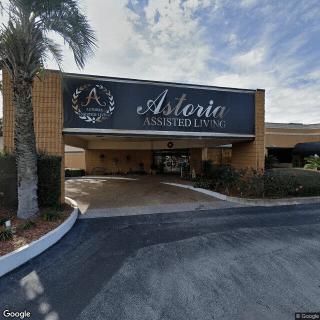
    pro Caring staff in a warm, welcoming environment with good amenities.

  • Home Instead Senior Care - Orange Park,  FL

    Home Instead Senior Care - Orange Park, FL

    Orange Park, FL


    pro Exceptional assisted living services in a prime, amenity-rich location.

  • Life Care Center At Wells Crossing

    Life Care Center At Wells Crossing

    Orange Park, FL

    4.7 from 106 reviews
     

    pro Attentive staff in a clean, engaging facility with rehab services.

  • Queen Of Angels Alf

    Queen Of Angels Alf

    Orange Park, FL

    4.5 from 11 reviews
    $1,800 to $2,600 / month

    pro Small, intimate home with compassionate staff and home-cooked meals.

  • Moosehaven

    Moosehaven

    Orange Park, FL

    5 from 5 reviews
     

    pro High-quality care with extensive on-site amenities and a highly convenient location for visiting relatives.

  • Brookdale Orange Park

    Brookdale Orange Park

    Orange Park, FL

    4 from 105 reviews
    $4,160 to $5,315 / month

    pro Caring staff with engaging memory-care activities.

  • Silver Treasures At Orange Park

    Silver Treasures At Orange Park

    Orange Park, FL

    4.3 from 19 reviews
    $3,285 to $5,475 / month

    pro Warm, attentive staff in a clean, safe, small community with personalized care and good meals.

Related Resources

  • uber for seniorsSeniors and Modern Transportation: Exploring Uber, Lyft, and Other Ride-Hailing Options

    Seniors benefit from ride-hailing services like Uber and Lyft, which provide convenient and accessible transportation options that promote independence and social engagement, while addressing mobility challenges. These platforms have adapted to meet senior needs with user-friendly features and safety measures, although costs can be a concern; community programs may help subsidize rides for older adults.

  • who qualifies for home health care servicesComprehensive Guide to Qualifying for Home Health Care Services

    The guide outlines the eligibility criteria for home health care services, emphasizing clinical requirements, insurance options, and application processes. It distinguishes between Medicare's strict and Medicaid's flexible qualifications while addressing challenges families may face in securing necessary care at home.

  • what is elder abusePowerful Realities of Elder Abuse and the Most Effective Ways to Report It

    Elder abuse affects many older adults worldwide and includes physical, emotional, neglectful, and financial harm, with about one in six individuals over 60 experiencing abuse annually. Prevention and intervention strategies focus on awareness, support for caregivers, and mandatory reporting, while recovery necessitates comprehensive support for both physical and emotional needs.