Coral Reef Nursing & Rehabilitation Center

9869 South West 152Nd Street, Miami, FL 33157

For more information about senior living options: (844) 490-3973

4.7 from 100 reviews
5 stars
90
4 stars
3
3 stars
1
2 stars
0
1 stars
6

Skilled Nursing Facility

Overall Review of Coral Reef Nursing & Rehabilitation Center

Pros

  • pro Jimena provides great customer service at the main desk.
  • pro The staff are very friendly and helpful.
  • pro The facility is very clean.
  • pro The nurses are very nice and the facility is always clean.
  • pro The staff are excellent and amazing.
  • pro Therapy is professionally handled, welcoming and friendly.
  • pro Hazel at the reception greets visitors with smiles.
  • pro Coral Reef is a good facility.
  • pro Esther and Mileidis work well as a team and attend to needs quickly.
  • pro Nurses Juana, Liz, and Maria are awesome and patient.

Cons

  • pro They changed the dad's insurance without informing the family that he had already been discharged for two weeks and did not reactivate his old insurance.
  • pro The nurses are described as not caring about the patients, including an incident where a nurse allegedly grabbed a wheelchair and left a patient in a different hall.
  • pro Admissions allegedly lied to the family about who would handle insurance after discharge.
  • pro The dad's insurance was canceled for two weeks, preventing doctor visits and medication access.
  • pro The reviewer feels the facility is more interested in taking the elderly's money than providing care.
  • pro The husband had to leave work to confront staff because phone calls were not being answered.
  • pro Sending a loved one there was the absolute worst decision (zero stars) and is not recommended.

Review

Coral Reef Subacute Care Center inspires a wide range of reactions from families and visitors, reflecting both moments of warmth and instances of deep frustration. On one end of the spectrum, several reviewers describe a facility that is clean, well-kept, and staffed by genuinely caring people. They praise the front desk for friendliness and accessibility, and they highlight nurses and therapists who are patient, professional, and encouraging. In these accounts, the environment feels calm and orderly, and the daily routines - therapy sessions, medication administration, and personal care - are carried out with attentiveness and good humor. The consistency of cleanliness and the sense that the staff strive to treat residents with respect come up repeatedly in these positive reflections.

Yet alongside those favorable impressions, there are serious and specific allegations embedded in other reviews. A number of critics report significant problems with administrative processes and communications, particularly around health insurance. One reviewer claims that the facility changed her father's insurance without notifying the family, discharged him for two weeks, and failed to reactivate the old policy, leaving him unable to see his doctor or obtain medications. The same account accuses admissions staff of misinformation and suggests that the facility's representatives were not forthcoming about insurance coverage, even after a discharge. These allegations describe a situation in which families felt blindsided and financially harmed, with continuing consequences for the patient's access to care.

Another strongly negative narrative centers on perceived neglect and a lack of empathy from caregivers. One reviewer describes a scenario in which a resident in a wheelchair was left in a hall after claiming to be lost, with a nurse allegedly grabbing the wheelchair and moving the resident elsewhere before walking away. The bitterness extends to claims that staff did not attempt to address basic needs like eating and drinking, and that a doctor or administrator did not engage promptly or adequately when concerns were raised. These accounts emphasize a sense that administrative and clinical teams were not aligned in prioritizing patient welfare, leading to distress for both residents and their families.

In contrast to these critical experiences, several long-form testimonials recount deeply positive, almost familial connections with the staff. A July 24, 2025, visit, written by a family member whose husband spent nearly three months there, paints Coral Reef as a supportive community rather than a sterile institution. The writer describes a facility that is clean and disinfected, with therapy that is welcoming and professionally delivered. They single out a host of staff by name - receptionist Hazel, therapists, directors, social workers, nurses, and the concierge - portraying an ecosystem where teamwork, kindness, and perseverance are evident in daily interactions. The author uses terms like "angels" for certain caregivers and highlights the role of the director, Alyssa, as well as therapists Adelaine and many others who contributed to a successful recovery journey. The overall tone is that of a family that found trust and reassurance in the people who cared for their loved one.

There are also reviews that focus on the emotional weight of caregiving and the impact of staff on a family's experience. One heartfelt message recounts a painful sequence before a relative's passing, with warnings about how communications and decisions around treatments, tests, and potential diagnoses were handled. This account is deeply critical of the care path chosen and of how information was conveyed, and it ends with a clear caution to other families: do your research, seek second opinions, and ensure that medical decisions align with your loved one's needs. It's a stark reminder that even in facilities praised for cleanliness and courtesy, the quality of medical judgment and the timeliness of interventions can be the decisive element of a patient's experience.

A separate positive review emphasizes the overall safety and warmth of the environment, noting friendly staff and a clean building. This narrative also mentions specific staff members who contributed to a supportive stay, including administrative personnel, nurses, activity directors, and other caregivers who helped make the stay feel more like a community than a siloed medical facility. The writer seems to value the coordinated efforts that allow residents to maintain dignity, participate in activities, and receive timely assistance with daily needs.

Taken together, the collection of reviews paints a multifaceted picture of Coral Reef Subacute Care Center. The facility emerges as a place of genuine warmth and professional care in many instances, with residents and families often forming meaningful bonds with nurses, therapists, social workers, and administrative staff. At the same time, there are compelling, well-articulated concerns about administrative competence, insurance handling, and consistency of care that some families feel significantly affected the residents' health and well-being. The strongest impressions are that outcomes and experiences at Coral Reef can vary considerably depending on who is involved, when, and how communications are managed.

For families considering this facility, the common thread is to approach with a balanced mindset: expect a clean, orderly environment and many compassionate caregivers, but also be prepared to scrutinize insurance matters, demand clear explanations, and maintain proactive, ongoing communication with admissions, nursing, and therapy teams. Asking detailed questions about insurance processes, discharge planning, and daily care routines can help ensure that the care plan aligns with a loved one's medical needs and personal preferences. In short, Coral Reef Subacute Care Center appears to offer substantial strengths in staffing kindness, cleanliness, and therapy, while signaling a need for vigilance in administrative and medical decision-making to avoid the serious pitfalls that some families have reported.

Features

Housing

  • 180 resident community capacity 180 resident community capacity

Types of Care

  • Skilled Nursing Facility Skilled Nursing FacilitySkilled Nursing Facilities are crucial for seniors as they provide round-the-clock medical care, rehabilitation services, and assistance with daily activities. These facilities ensure that seniors receive the specialized care they need to maintain their health and well-being as they age.

Amenities

  • Air-conditioning Air-conditioningAir conditioning is important for seniors as they are more vulnerable to heat-related illnesses and may have underlying health conditions that make it difficult for them to regulate their body temperature. It helps to keep them comfortable, safe, and healthy in hot weather.
  • Beauty salon Beauty salonBeauty salons are important for seniors because they provide a space for them to feel pampered, socialize, and maintain their personal grooming and hygiene. Regular visits to a beauty salon can help boost seniors' self-esteem and overall well-being.
  • Cable or satellite TV Cable or satellite TVCable or satellite TV is important for seniors because it provides entertainment, news, and companionship, helping to combat loneliness and boredom. It also offers a wide range of programming options tailored to different interests and preferences.
  • Computer center Computer centerA computer center is essential for seniors as it provides access to technology, communication tools, and resources that can enhance their daily lives. It allows them to stay connected with loved ones, engage in online activities, and learn new skills, ultimately promoting socialization and mental stimulation.
  • Dining room Dining roomDining rooms are important for seniors as they provide a space for socialization, connection, and nutritious meals. They offer opportunities for residents to bond over shared meals, foster a sense of community, and promote healthy eating habits. Dining rooms also ensure that seniors have access to well-balanced meals tailored to their dietary needs and preferences.
  • Fitness room Fitness roomHaving a fitness room in a senior living community is essential for seniors to stay active, maintain their physical health, and improve their overall well-being. Regular exercise can help prevent falls, reduce the risk of chronic diseases, and promote mental sharpness. It also provides social opportunities for residents to connect with others and enjoy a sense of community.
  • Fully furnished Fully furnishedFully furnished senior living communities are important for seniors because they provide convenience, comfort, and a hassle-free moving experience. Seniors can easily settle into their new living space without the stress of having to buy and move furniture. This allows them to focus on enjoying their new home and community.
  • Gaming room Gaming roomGaming rooms are important for seniors as they provide a fun and engaging environment for socializing, cognitive stimulation, and physical activity. Games can improve memory, problem-solving skills, and overall mental well-being while fostering friendships and reducing feelings of isolation.
  • Garden GardenGardens are important for seniors as they provide a peaceful and therapeutic environment for relaxation, physical activity, and socialization. Being in nature has been shown to reduce stress, improve mood, and promote overall well-being. Gardens also offer opportunities for seniors to engage in gardening activities, which can improve mobility, flexibility, and cognitive function. Additionally, gardens create a sense of community and connection with others who share a passion for plants and outdoor spaces.
  • Housekeeping services Housekeeping servicesHousekeeping services are important for seniors because they help maintain a clean and safe living environment, promote independence, and reduce the risk of accidents or illnesses. Additionally, having assistance with household chores can alleviate physical strain and allow seniors to focus on other aspects of their well-being.
  • Kitchenette KitchenetteKitchenettes are important for seniors living in senior living communities because they provide the convenience and independence of being able to prepare simple meals and snacks in the comfort of their own living space. This can help promote a sense of autonomy and well-being for seniors, allowing them to maintain some level of control over their dietary choices and daily routines.
  • Move-in coordination Move-in coordinationMove-in coordination is important for seniors because it helps ease the transition into their new living environment. It ensures that all logistics, such as packing, organizing movers, and setting up utilities are taken care of, allowing seniors to focus on settling in and adjusting to their new home. Having a smooth move-in process can alleviate stress and anxiety, making the transition smoother and more enjoyable for seniors.
  • Outdoor space Outdoor spaceOutdoor spaces are important for seniors as they provide opportunities for physical activity, social interaction, exposure to natural light and fresh air, and a sense of connection to nature. Having access to outdoor spaces can improve overall well-being and quality of life for older adults living in senior communities.
  • Private bathrooms Private bathroomsPrivate bathrooms are important for seniors in senior living communities because they provide independence, dignity, and comfort. Having a private bathroom allows seniors to maintain their personal hygiene routines without the need for assistance, promoting a sense of autonomy and privacy. Additionally, private bathrooms help prevent the spread of infections and provide a safe and clean environment for seniors to navigate safely.
  • Restaurant-style dining Restaurant-style diningRestaurant-style dining is important for seniors because it allows them to enjoy delicious, nutritious meals in a social and upscale setting. This enhances their dining experience, promotes healthy eating habits, and fosters socialization with fellow residents, ultimately contributing to their overall well-being and quality of life.
  • Small library Small librarySmall libraries are important for seniors as they provide access to a variety of reading materials, including books, newspapers, and magazines. This can help stimulate their minds, keep them engaged, and provide a sense of community through book clubs and other social activities. Additionally, reading has been shown to improve cognitive function and overall mental well-being in older adults.
  • Telephone TelephoneTelephones are important for seniors as they provide a lifeline for communication with loved ones, emergency services, and healthcare providers. They offer a sense of security and independence, enabling seniors to stay connected and access assistance when needed.
  • Wellness center Wellness centerWellness centers are important for seniors because they offer a variety of programs and services that promote physical, mental, and emotional well-being. These centers provide opportunities for exercise, socialization, education, and relaxation, helping seniors maintain their overall health and quality of life.
  • Wi-Fi/high-speed internet available Wi-Fi/high-speed internet availableWi-Fi/high-speed internet is important for seniors to stay connected with loved ones, access online resources, and participate in virtual activities to combat feelings of loneliness and isolation. It also allows them to easily manage healthcare needs, access entertainment, and engage in lifelong learning opportunities.

Transportation

  • Miami International (12 miles away) Miami International (12 miles away)
  • Community operated transportation Community operated transportationCommunity operated transportation is crucial for seniors as it provides them with the means to access essential services, social activities, and medical appointments. It allows seniors to maintain their independence and quality of life by ensuring they can participate in activities outside of their homes. Additionally, community-operated transportation services offer a safe and reliable way for seniors to travel without having to rely on family or friends for assistance.
  • Transportation arrangement Transportation arrangementTransportation arrangements are crucial for seniors as they may face challenges with driving, mobility, or access to public transportation. Having reliable transportation services ensures that seniors can easily attend appointments, social activities, and maintain their independence and quality of life.
  • Transportation arrangement (non-medical) Transportation arrangement (non-medical)Transportation arrangements are essential for seniors as they provide access to essential services, activities, and social interactions outside the home. This service helps maintain independence, mobility, and overall well-being for seniors who may have limited transportation options.
  • Transportation to doctors appointments Transportation to doctors appointmentsTransportation to doctors appointments is crucial for seniors as it ensures they have access to necessary medical care and support, promoting their health and well-being. It allows them to receive timely treatment, monitor existing conditions, and address any new health concerns efficiently. Additionally, transportation services can help seniors maintain their independence and quality of life by enabling them to stay connected with their healthcare providers.

Care Services

  • 12-16 hour nursing 12-16 hour nursing12-16 hour nursing care is crucial for seniors in order to ensure around-the-clock monitoring, timely medication administration, and prompt response to any health concerns or emergencies. This level of care helps to promote the overall well-being and safety of seniors living in senior living communities.
  • 24-hour call system 24-hour call system24-hour call systems are important for seniors because they provide peace of mind and immediate assistance in case of emergencies. This technology ensures that help is always available, promoting safety and security for elderly individuals living alone or in assisted living facilities.
  • 24-hour supervision 24-hour supervision24-hour supervision is important for seniors to ensure their safety, well-being, and access to immediate assistance in case of emergencies or health issues. This constant support provides peace of mind for both seniors and their loved ones, allowing them to age in place with dignity and security.
  • Activities of daily living assistance Activities of daily living assistanceActivities of daily living assistance are important for seniors because they provide essential support with tasks such as eating, bathing, dressing, and mobility. This assistance helps seniors maintain their independence, dignity, and overall quality of life as they age.
  • Assistance with bathing Assistance with bathingAssistance with bathing is crucial for seniors as it helps maintain personal hygiene, prevents infections, and ensures their overall well-being and comfort. It also provides a sense of dignity and independence for seniors who may struggle with this task on their own.
  • Assistance with dressing Assistance with dressingAssistance with dressing is important for seniors because it helps maintain their independence, promotes personal hygiene, prevents accidents and injuries, and improves overall quality of life. This service ensures that seniors can continue to dress comfortably and confidently, despite any physical limitations they may have.
  • Assistance with transfers Assistance with transfersAssistance with transfers is crucial for seniors as it helps prevent falls and injuries, maintains their independence, and ensures they can safely navigate their living environment. It also provides peace of mind for both seniors and their loved ones.
  • Diabetes diet Diabetes dietA diabetes diet is crucial for seniors as it helps manage blood sugar levels, reduce risks of complications, and improve overall health and well-being. By following a balanced and nutritious diet tailored to their specific needs, seniors can better control their diabetes and enhance their quality of life.
  • Meal preparation and service Meal preparation and serviceMeal preparation and service are crucial for seniors as they may have limited mobility or energy to cook nutritious meals. Having access to healthy and convenient food options can ensure they are getting the proper nutrition needed to maintain their overall health and well-being.
  • Medication management Medication managementMedication management is crucial for seniors to ensure they are taking the right medications at the correct dosages and times. This helps prevent adverse drug interactions, reduces the risk of medication errors, and promotes overall health and well-being. Proactive management also allows for adjustments as needed based on changing health conditions or new prescriptions.
  • Mental wellness program Mental wellness programMental wellness programs are essential for seniors as they promote cognitive stimulation, emotional support, and social engagement. These programs help prevent isolation, depression, and cognitive decline, ultimately enhancing the overall quality of life for older adults.
  • Special dietary restrictions Special dietary restrictionsSpecial dietary restrictions are important for seniors because age-related changes in metabolism and health conditions can make it difficult for their bodies to process certain foods. By following a diet tailored to their specific needs, seniors can maintain their overall health and well-being, manage chronic conditions, and reduce the risk of complications such as malnutrition or food interactions with medications.

Dining

  • Diabetes diet Diabetes dietA diabetes diet is crucial for seniors as it helps manage blood sugar levels, reduce risks of complications, and improve overall health and well-being. By following a balanced and nutritious diet tailored to their specific needs, seniors can better control their diabetes and enhance their quality of life.
  • Special dietary restrictions Special dietary restrictionsSpecial dietary restrictions are important for seniors because age-related changes in metabolism and health conditions can make it difficult for their bodies to process certain foods. By following a diet tailored to their specific needs, seniors can maintain their overall health and well-being, manage chronic conditions, and reduce the risk of complications such as malnutrition or food interactions with medications.

Activities

  • Community-sponsored activities Community-sponsored activitiesCommunity-sponsored activities are important for seniors as they provide opportunities for social interaction, mental stimulation, and physical activity. These activities can help improve overall well-being, combat loneliness and isolation, and promote a sense of belonging and purpose among older adults.
  • Concierge services Concierge servicesConcierge services are essential for seniors as they provide assistance with daily tasks and errands, enhance their quality of life by offering convenience and personalized care, and promote a sense of safety and security.
  • Fitness programs Fitness programsFitness programs are crucial for seniors as they help improve strength, flexibility, balance, and overall well-being. Staying active can reduce the risk of chronic diseases, improve mental health, and enhance quality of life in older adults.
  • Planned day trips Planned day tripsPlanned day trips are important for seniors because they offer opportunities for socialization, mental stimulation, and physical activity. They provide a change of scenery and help seniors stay engaged and connected to their community, promoting overall well-being and quality of life.
  • Resident-run activities Resident-run activitiesResident-run activities are important for seniors as they encourage social interaction, creativity, and a sense of autonomy. These activities empower seniors to stay engaged and active in their community while fostering meaningful connections with their peers.
  • Scheduled daily activities Scheduled daily activitiesScheduled daily activities are important for seniors because they provide structure, socialization, mental stimulation, and physical activity. Engaging in regular activities can improve overall well-being and quality of life for seniors living in a community setting.

Description

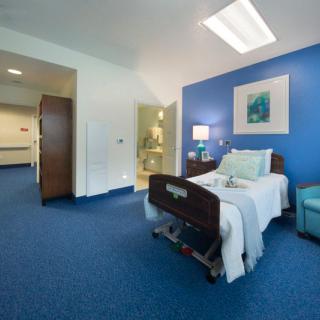
Coral Reef Nursing & Rehabilitation Center in Miami, FL is a premier assisted living community that offers a wide range of amenities and care services to meet the needs of its residents. The community provides a comfortable and welcoming environment with fully furnished living spaces and private bathrooms for each resident.

Residents can enjoy various amenities such as a beauty salon, cable or satellite TV, computer center, gaming room, small library, and access to Wi-Fi/high-speed internet. There is also community-operated transportation available for outings and transportation arrangements for non-medical purposes.

The dining experience at Coral Reef Nursing & Rehabilitation Center is exceptional with restaurant-style dining and special dietary restrictions taken into consideration. The kitchenette in each living space allows residents to have some independence in meal preparation if desired. Housekeeping services ensure that the living spaces are well-maintained.

In terms of care services, the community offers 24-hour call system and supervision to ensure the safety and well-being of residents. Assistance with activities of daily living such as bathing, dressing, and transfers is readily available. Medication management is provided along with a diabetes diet program. The mental wellness program focuses on promoting emotional well-being among residents.

Coral Reef Nursing & Rehabilitation Center also prioritizes social engagement and provides various activities for residents to enjoy. This includes fitness programs, planned day trips, resident-run activities, and scheduled daily activities. Concierge services are available to assist residents in making the most out of their stay.

The location of Coral Reef Nursing & Rehabilitation Center is ideal with numerous cafes, parks, pharmacies, physicians' offices nearby. Additionally, there are multiple restaurants, places of worship, and hospitals within close proximity.

Overall, Coral Reef Nursing & Rehabilitation Center offers a comprehensive assisted living community where residents can enjoy a comfortable lifestyle while receiving quality care services.

Nearby Places of Interest

Hospitals

  • Jackson South Medical Center (0.5 miles)
  • Jackson South Community Hospital (0.5 miles)
  • South Miami Hospital (6.2 miles)

Restaurants

  • Taco Bell (0.8 miles)
  • Hole In The Wall International Sub Co (1 miles)
  • McDonald's (1.1 miles)
  • Wendy's (1.3 miles)
  • P.F. Chang's China Bistro (1.3 miles)
  • Walter's Coffee Shop (1.4 miles)
  • Popeyes Louisiana Kitchen (1.4 miles)

Parks

  • Colonial Drive Park (1 miles)
  • Chuck Pezoldt Park (1.5 miles)
  • Coral Reef Park (2 miles)
  • Bill Sadowski Park and Nature Center (2.7 miles)
  • Eureka Park (3 miles)
  • Continental Park (3.6 miles)
  • McMillan Park (4 miles)

Pharmacies

  • Walgreens (1.2 miles)
  • CVS Pharmacy (1.5 miles)
  • Walgreens (1.6 miles)
  • Fresco Y Mas (2.2 miles)
  • Walgreens (2.4 miles)
  • Walmart Pharmacy (2.7 miles)
  • Winn-Dixie (2.8 miles)

Cafes

  • Panera Bread (1.5 miles)
  • Starbucks (2.8 miles)
  • Starbucks (2.9 miles)
  • Panera Bread (4.7 miles)
  • Nespresso Boutique at Macy's (4.7 miles)
  • Moulin Rose Cake & Bakery Shop (4.9 miles)
  • Joanna's Marketplace (5.4 miles)

Places of Worship

  • Christ Fellowship Church (1.5 miles)
  • St Louis Catholic Church (3.2 miles)
  • Pinelands Presbyterian Church (3.6 miles)
  • King Jesus Ministry (4.7 miles)
  • Bible Truth Chapel (5.4 miles)
  • St Thomas the Apostle Catholic Church (6.1 miles)

Physicians

  • Conviva Care Center Quail Roost (2.4 miles)
  • Baptist Health Miami Cancer Institute (3.8 miles)
  • UM Sylvester/Physicians at Kendall (3.9 miles)
  • Valdes Rafael DDS (4.8 miles)

Frequently Asked Questions

Where is Coral Reef Nursing & Rehabilitation Center?

Nearby Communities

Related Resources

  • caregiver burnoutCaregiver Exhaustion: Recognizing the Signs and Restoring Your Well-Being

    Caregiver exhaustion, or burnout, stems from the relentless demands of caregiving, leading to emotional and physical depletion characterized by stress, frustration, and neglect of personal needs. Addressing this burden is essential to prevent long-term consequences, with early recognition and support being crucial for caregivers to maintain balance and implement self-care.

  • what is hospice care at homeUnderstanding Hospice Care at Home: Comprehensive Services, Key Benefits, and Eligibility

    Hospice care at home provides specialized end-of-life support that focuses on comfort and dignity for individuals with life-limiting illnesses, offering a range of services including medical management, emotional and spiritual support, and logistical assistance tailored to the family's needs. It involves collaboration to create individualized care plans and extends to bereavement support after a loved one's passing.

  • how much does 24/7 in home care cost per monthUnderstanding the Full Cost of 24/7 In-Home Care: A Detailed Overview

    The guide outlines the rising costs of 24/7 in-home care, ranging from $10,000 to over $20,000 monthly, driven by factors such as location and caregiver qualifications. It discusses the limited coverage by Medicare and private insurance, potential Medicaid support, and the emotional and living condition considerations influencing families' decisions on care arrangements.