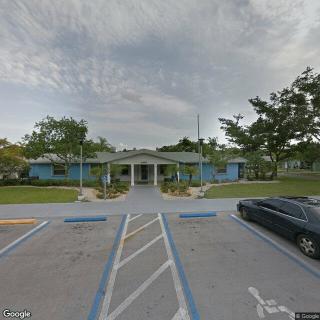
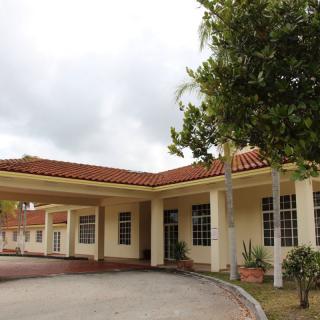
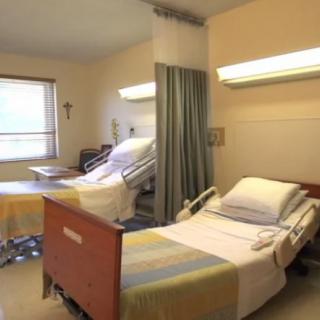
St Anne's Residence in Miami, FL

Save

St Anne's Residence in Miami, FL

Information last verified:

11855 Quail Roost Drive, Miami, FL 33177

For more information about senior living options: (844) 490-3973

3.3 from 104 reviews
5 stars
48
4 stars
9
3 stars
6
2 stars
3
1 stars
38

Overall Review of St Anne's Residence

Pros

  • pro St Anne’s is described as a loving, clean place that knows how to care for older adults.
  • pro The skilled staff are highly competent, offering excellent care and compassion.
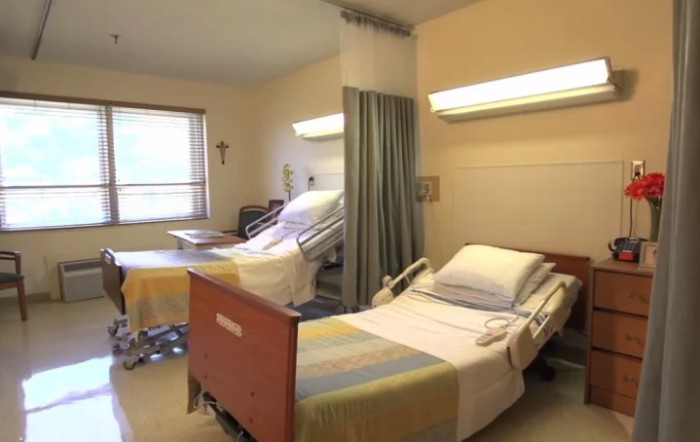
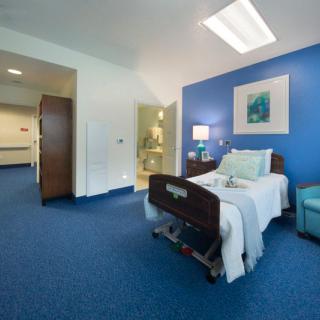
  • pro The facility is spotless, with rooms that are impeccably kept and often smell great.
  • pro The executive director and management are credited with running a great place that keeps residents well cared for and healthy.
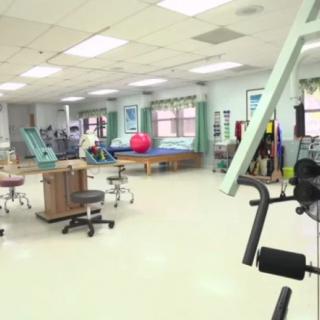
  • pro The therapy team is dedicated and capable, helping residents progress confidently.
  • pro The food is praised as varied, well-prepared, and often excellent.
  • pro The center offers meaningful activities and a chapel, creating a homelike and uplifting atmosphere.
  • pro Staff consistently treat residents with respect, dignity, and kindness, including in hospice and end-of-life care.
  • pro The environment is described as clean and well-maintained, with responsive administrative and frontline staff.

Cons

  • pro The staff won’t listen to the client who is in bed screaming because they are in pain or need to be changed.
  • pro The nurses do not come and help you, and the call buttons are not working.
  • pro The facility is dirty; windows shades are dusty, the floors are sticky, and there’s trash on the floor.
  • pro The staff are rude and unresponsive; they do not call back.
  • pro There is not enough nursing staff to take care of everyone, leaving patients in pain or neglected.
  • pro The language barrier makes basic communication nearly impossible, especially for Spanish-speaking patients.
  • pro Some nurses lack empathy and bedside manner.
  • pro Patients are left unattended, not fed, not bathed, and treated horribly.
  • pro The supervisor Annia Junco is extremely unprofessional and disrespectful.
  • pro This place should be closed; do not send any family member there.

Review

St Anne’s Residence in Miami is best suited for families seeking a faith-informed, therapy-forward environment where skilled rehabilitation teams and attentive caregivers can drive recovery and comfort. The campus tends to reward residents who prioritize structured therapy, clear routines, and a calm, clean setting. When a resident’s needs skew toward robust physical and occupational therapy, hospice-adjacent care, and a compassionate, spiritually grounded atmosphere, St Anne’s can feel like a solid fit. The institution’s Catholic heritage, combined with an emphasis on rehabilitation, provides a framework that many families value during transitions from hospital to home.

Those who may want to consider alternatives are families whose top priorities are consistently reliable daily care, rapid response to calls, and unambiguous communication in English (or in a language other than Spanish). Several reviews describe inconsistent nurse responsiveness, delays with medications, and gaps in basic personal care, risks that can erode trust when a loved one requires steady, day-to-day supervision. If a family cannot tolerate occasional lapses in feeding, bathing, diaper changes, or timely bedside care, the search should continue elsewhere. For residents who require highly predictable service, a facility with a more uniform staffing pattern and stronger oversight may be a safer default.

The strongest positives at St Anne’s revolve around the therapy and the quality of certain caregiving relationships. When therapists, CNAs, and nurses engage consistently, residents report meaningful progress in rehabilitation and a sense of being supported by people who understand the resident’s goals. Cleanliness and a serene environment show up repeatedly as a working baseline, and many families praise specific staff members for patience, warmth, and professional care. The campus also offers a spiritual dimension, chapel services and a religious framework, that resonates with families who view faith as part of healing. In hospice and rehab contexts, this combination of skilled therapy and compassionate presence can translate into real improvement and genuine reassurance for families.

Yet the frequent, specific complaints cannot be dismissed. Across multiple accounts, core daily care and communication failings recur: call buttons that don’t function, nurses who don’t arrive promptly, meals and medications that are late or inconsistent, and residents left uncomfortable or unattended. Several reviews describe language barriers and a sense that some staff struggle to read notes or follow a patient’s plan, producing confusing or conflicting information for families. There are also distressing reports of neglect or unsafe conduct in extreme cases, including inadequate diaper changes, missed feeds, and insufficient attention to pain or positioning. While hospice and rehab successes appear in pockets, the pattern of operational lapses raises legitimate red flags for families prioritizing reliability and safety.

In weighing the pros against the cons, the key dynamic is clear: the high-quality therapy and caring moments can offset a great deal when the clinical team aligns and communication is solid. For families whose loved one’s recovery hinges on vigorous PT/OT, a tranquil campus, and access to chaplaincy and spiritual support, St Anne’s can deliver meaningful value despite some administrative inconsistencies. However, the same advantages dissolve quickly when everyday nursing coverage and responsiveness falter, or when medication and hygiene management become unreliable. The facility’s strengths are real, but the risks tied to inconsistent daily care are equally real and must be weighed carefully.

The bottom-line recommendation: approach St Anne’s with a precise, expectation-rich plan. Schedule a front-line tour focused on the unit your loved one will inhabit (rehabilitation versus long-term nursing), and demand current, specific answers about staffing levels, language support, call-system reliability, and medication management processes. Request measurable commitments, response times, aide-to-resident ratios, and a clear escalation path for concerns. Meet with the therapy team to understand their cadence, goals, and how progress is documented. If possible, speak with a few current families about recent experiences and request examples of how concerns were resolved. For some families, St Anne’s offers a meaningful blend of spiritual care, clean surroundings, and strong rehabilitation services. For others, especially those who require unwavering daily care and transparent, consistent operations, exploring alternatives with higher, steadier staffing and more explicit accountability will be a prudent step.

Features

Housing

  • 60 resident community capacity 60 resident community capacity
  • Studio apartments Studio apartmentsStudio apartments are important for seniors because they offer a smaller, more manageable living space that is easier to navigate and maintain as physical abilities decline. Additionally, studio apartments provide seniors with independence and privacy while still being part of a community that offers support and social opportunities.

Types of Care

  • Assisted Living Assisted LivingAssisted living facilities provide crucial support and care for seniors who may need help with daily tasks such as medication management, bathing, and meal preparation. These communities offer a safe and comfortable environment where seniors can maintain their independence while receiving the assistance they need to thrive in their golden years.
  • Memory Care Memory CareMemory care is crucial for seniors as it provides specialized support and services for individuals with dementia or Alzheimer's disease. These programs offer a safe and secure environment where residents receive personalized care, cognitive stimulation, and help with daily activities. Memory care helps seniors maintain their independence, quality of life, and dignity while also providing peace of mind for their families.
  • Skilled Nursing Facility Skilled Nursing FacilitySkilled Nursing Facilities are crucial for seniors as they provide round-the-clock medical care, rehabilitation services, and assistance with daily activities. These facilities ensure that seniors receive the specialized care they need to maintain their health and well-being as they age.

Amenities

  • Air-conditioning Air-conditioningAir conditioning is important for seniors as they are more vulnerable to heat-related illnesses and may have underlying health conditions that make it difficult for them to regulate their body temperature. It helps to keep them comfortable, safe, and healthy in hot weather.
  • Beautician on-site Beautician on-siteHaving a beautician on-site at a senior living community is important for seniors as it allows them to easily access grooming and personal care services, boosting their self-esteem and overall well-being. It also provides convenience and helps seniors maintain their sense of independence and personal style.
  • Beauty salon Beauty salonBeauty salons are important for seniors because they provide a space for them to feel pampered, socialize, and maintain their personal grooming and hygiene. Regular visits to a beauty salon can help boost seniors' self-esteem and overall well-being.
  • Cable or satellite TV Cable or satellite TVCable or satellite TV is important for seniors because it provides entertainment, news, and companionship, helping to combat loneliness and boredom. It also offers a wide range of programming options tailored to different interests and preferences.
  • Computer center Computer centerA computer center is essential for seniors as it provides access to technology, communication tools, and resources that can enhance their daily lives. It allows them to stay connected with loved ones, engage in online activities, and learn new skills, ultimately promoting socialization and mental stimulation.
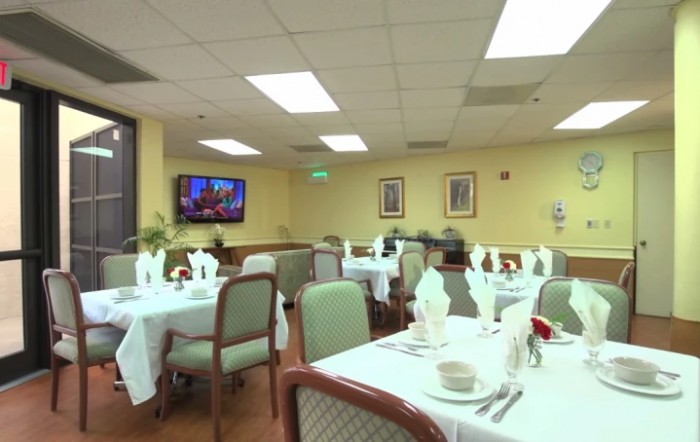
  • Dining room Dining roomDining rooms are important for seniors as they provide a space for socialization, connection, and nutritious meals. They offer opportunities for residents to bond over shared meals, foster a sense of community, and promote healthy eating habits. Dining rooms also ensure that seniors have access to well-balanced meals tailored to their dietary needs and preferences.
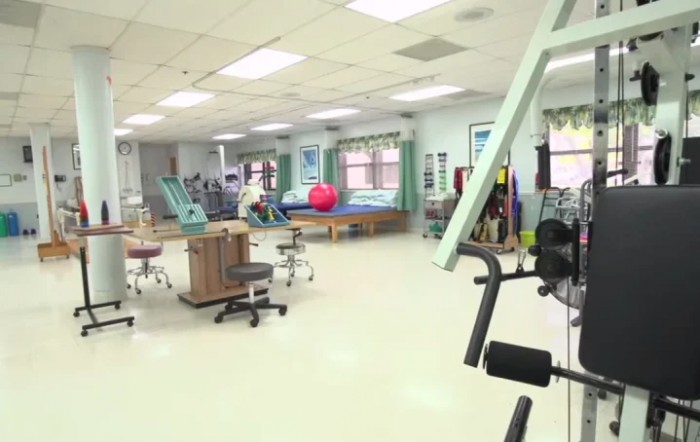
  • Fitness room Fitness roomHaving a fitness room in a senior living community is essential for seniors to stay active, maintain their physical health, and improve their overall well-being. Regular exercise can help prevent falls, reduce the risk of chronic diseases, and promote mental sharpness. It also provides social opportunities for residents to connect with others and enjoy a sense of community.
  • Full kitchen Full kitchenHaving a full kitchen in a senior living facility is important for seniors because it allows them to maintain their independence and prepare their own meals. This promotes healthy eating habits, saves money on dining out, and provides a sense of familiarity and comfort for residents.
  • Fully furnished Fully furnishedFully furnished senior living communities are important for seniors because they provide convenience, comfort, and a hassle-free moving experience. Seniors can easily settle into their new living space without the stress of having to buy and move furniture. This allows them to focus on enjoying their new home and community.
  • Gaming room Gaming roomGaming rooms are important for seniors as they provide a fun and engaging environment for socializing, cognitive stimulation, and physical activity. Games can improve memory, problem-solving skills, and overall mental well-being while fostering friendships and reducing feelings of isolation.
  • Garden GardenGardens are important for seniors as they provide a peaceful and therapeutic environment for relaxation, physical activity, and socialization. Being in nature has been shown to reduce stress, improve mood, and promote overall well-being. Gardens also offer opportunities for seniors to engage in gardening activities, which can improve mobility, flexibility, and cognitive function. Additionally, gardens create a sense of community and connection with others who share a passion for plants and outdoor spaces.
  • Housekeeping services Housekeeping servicesHousekeeping services are important for seniors because they help maintain a clean and safe living environment, promote independence, and reduce the risk of accidents or illnesses. Additionally, having assistance with household chores can alleviate physical strain and allow seniors to focus on other aspects of their well-being.
  • Kitchenette KitchenetteKitchenettes are important for seniors living in senior living communities because they provide the convenience and independence of being able to prepare simple meals and snacks in the comfort of their own living space. This can help promote a sense of autonomy and well-being for seniors, allowing them to maintain some level of control over their dietary choices and daily routines.
  • Laundry LaundryLaundry services are important for seniors as they may have difficulty with physical tasks such as bending, lifting, or carrying heavy loads. Having access to laundry services can help seniors maintain personal hygiene, cleanliness, and independence in their daily lives.
  • Move-in coordination Move-in coordinationMove-in coordination is important for seniors because it helps ease the transition into their new living environment. It ensures that all logistics, such as packing, organizing movers, and setting up utilities are taken care of, allowing seniors to focus on settling in and adjusting to their new home. Having a smooth move-in process can alleviate stress and anxiety, making the transition smoother and more enjoyable for seniors.
  • Outdoor space Outdoor spaceOutdoor spaces are important for seniors as they provide opportunities for physical activity, social interaction, exposure to natural light and fresh air, and a sense of connection to nature. Having access to outdoor spaces can improve overall well-being and quality of life for older adults living in senior communities.
  • Private bathrooms Private bathroomsPrivate bathrooms are important for seniors in senior living communities because they provide independence, dignity, and comfort. Having a private bathroom allows seniors to maintain their personal hygiene routines without the need for assistance, promoting a sense of autonomy and privacy. Additionally, private bathrooms help prevent the spread of infections and provide a safe and clean environment for seniors to navigate safely.
  • Respite or short term stays offered Respite or short term stays offeredRespite or short term stays provide seniors with a temporary solution when their regular caregiver is unavailable, offering them the opportunity to receive additional care and support during times of need, while also giving caregivers a chance to rest and recharge.
  • Restaurant-style dining Restaurant-style diningRestaurant-style dining is important for seniors because it allows them to enjoy delicious, nutritious meals in a social and upscale setting. This enhances their dining experience, promotes healthy eating habits, and fosters socialization with fellow residents, ultimately contributing to their overall well-being and quality of life.
  • Small library Small librarySmall libraries are important for seniors as they provide access to a variety of reading materials, including books, newspapers, and magazines. This can help stimulate their minds, keep them engaged, and provide a sense of community through book clubs and other social activities. Additionally, reading has been shown to improve cognitive function and overall mental well-being in older adults.
  • TV room TV roomTV rooms are important for seniors in senior living communities because they provide a space for social interaction, entertainment, and relaxation. Watching TV can help reduce feelings of loneliness and boredom, and create a sense of community among residents. Additionally, TV rooms offer a break from daily routines and can be a source of comfort and familiarity for seniors.
  • Telephone TelephoneTelephones are important for seniors as they provide a lifeline for communication with loved ones, emergency services, and healthcare providers. They offer a sense of security and independence, enabling seniors to stay connected and access assistance when needed.
  • Wellness center Wellness centerWellness centers are important for seniors because they offer a variety of programs and services that promote physical, mental, and emotional well-being. These centers provide opportunities for exercise, socialization, education, and relaxation, helping seniors maintain their overall health and quality of life.
  • Wi-Fi/high-speed internet available Wi-Fi/high-speed internet availableWi-Fi/high-speed internet is important for seniors to stay connected with loved ones, access online resources, and participate in virtual activities to combat feelings of loneliness and isolation. It also allows them to easily manage healthcare needs, access entertainment, and engage in lifelong learning opportunities.

Transportation

  • Miami International (15 miles away) Miami International (15 miles away)
  • Community operated transportation Community operated transportationCommunity operated transportation is crucial for seniors as it provides them with the means to access essential services, social activities, and medical appointments. It allows seniors to maintain their independence and quality of life by ensuring they can participate in activities outside of their homes. Additionally, community-operated transportation services offer a safe and reliable way for seniors to travel without having to rely on family or friends for assistance.
  • Transportation & parking Transportation & parkingTransportation and parking are vital for seniors as they offer access to essential services, activities, and social interactions. Reliable transportation options can help seniors maintain independence, stay connected within their community, and enjoy a higher quality of life. Additionally, convenient parking facilities ensure that seniors can easily access necessary resources and amenities without added stress or difficulty.
  • Transportation arrangement Transportation arrangementTransportation arrangements are crucial for seniors as they may face challenges with driving, mobility, or access to public transportation. Having reliable transportation services ensures that seniors can easily attend appointments, social activities, and maintain their independence and quality of life.

Care Services

  • 24-hour call system 24-hour call system24-hour call systems are important for seniors because they provide peace of mind and immediate assistance in case of emergencies. This technology ensures that help is always available, promoting safety and security for elderly individuals living alone or in assisted living facilities.
  • 24-hour supervision 24-hour supervision24-hour supervision is important for seniors to ensure their safety, well-being, and access to immediate assistance in case of emergencies or health issues. This constant support provides peace of mind for both seniors and their loved ones, allowing them to age in place with dignity and security.
  • Activities of daily living assistance Activities of daily living assistanceActivities of daily living assistance are important for seniors because they provide essential support with tasks such as eating, bathing, dressing, and mobility. This assistance helps seniors maintain their independence, dignity, and overall quality of life as they age.
  • Assistance with bathing Assistance with bathingAssistance with bathing is crucial for seniors as it helps maintain personal hygiene, prevents infections, and ensures their overall well-being and comfort. It also provides a sense of dignity and independence for seniors who may struggle with this task on their own.
  • Assistance with dressing Assistance with dressingAssistance with dressing is important for seniors because it helps maintain their independence, promotes personal hygiene, prevents accidents and injuries, and improves overall quality of life. This service ensures that seniors can continue to dress comfortably and confidently, despite any physical limitations they may have.
  • Assistance with transfers Assistance with transfersAssistance with transfers is crucial for seniors as it helps prevent falls and injuries, maintains their independence, and ensures they can safely navigate their living environment. It also provides peace of mind for both seniors and their loved ones.
  • Diabetes diet Diabetes dietA diabetes diet is crucial for seniors as it helps manage blood sugar levels, reduce risks of complications, and improve overall health and well-being. By following a balanced and nutritious diet tailored to their specific needs, seniors can better control their diabetes and enhance their quality of life.
  • Hospice care Hospice careHospice care is important for seniors as it provides specialized end-of-life support, pain management, and emotional comfort for both the senior and their loved ones. It allows seniors to maintain dignity, receive personalized care, and spend their remaining time in a peaceful and comfortable environment.
  • Meal preparation and service Meal preparation and serviceMeal preparation and service are crucial for seniors as they may have limited mobility or energy to cook nutritious meals. Having access to healthy and convenient food options can ensure they are getting the proper nutrition needed to maintain their overall health and well-being.
  • Medication management Medication managementMedication management is crucial for seniors to ensure they are taking the right medications at the correct dosages and times. This helps prevent adverse drug interactions, reduces the risk of medication errors, and promotes overall health and well-being. Proactive management also allows for adjustments as needed based on changing health conditions or new prescriptions.
  • Physical therapy Physical therapyPhysical therapy is essential for seniors to maintain and improve their mobility, strength, and overall quality of life. It helps reduce pain, prevent falls, and enhance independence in daily activities. By promoting movement and function, physical therapy can help seniors stay active, healthy, and engaged in their communities.
  • Special dietary restrictions Special dietary restrictionsSpecial dietary restrictions are important for seniors because age-related changes in metabolism and health conditions can make it difficult for their bodies to process certain foods. By following a diet tailored to their specific needs, seniors can maintain their overall health and well-being, manage chronic conditions, and reduce the risk of complications such as malnutrition or food interactions with medications.

Dining

  • Diabetes diet Diabetes dietA diabetes diet is crucial for seniors as it helps manage blood sugar levels, reduce risks of complications, and improve overall health and well-being. By following a balanced and nutritious diet tailored to their specific needs, seniors can better control their diabetes and enhance their quality of life.
  • Special dietary restrictions Special dietary restrictionsSpecial dietary restrictions are important for seniors because age-related changes in metabolism and health conditions can make it difficult for their bodies to process certain foods. By following a diet tailored to their specific needs, seniors can maintain their overall health and well-being, manage chronic conditions, and reduce the risk of complications such as malnutrition or food interactions with medications.

Activities

  • Activities off-site Activities off-siteActivities off-site are crucial for seniors as they provide opportunities for socialization, mental stimulation, and physical activity outside of their usual routine. This helps combat feelings of isolation and boredom, promotes overall well-being, and allows seniors to remain engaged in the community.
  • Arts and crafts Arts and craftsEngaging in arts and crafts activities provides seniors with a creative outlet, promotes cognitive function, enhances dexterity and fine motor skills, fosters social interaction, and boosts overall well-being and mental health.
  • Community-sponsored activities Community-sponsored activitiesCommunity-sponsored activities are important for seniors as they provide opportunities for social interaction, mental stimulation, and physical activity. These activities can help improve overall well-being, combat loneliness and isolation, and promote a sense of belonging and purpose among older adults.
  • Concierge services Concierge servicesConcierge services are essential for seniors as they provide assistance with daily tasks and errands, enhance their quality of life by offering convenience and personalized care, and promote a sense of safety and security.
  • Fitness programs Fitness programsFitness programs are crucial for seniors as they help improve strength, flexibility, balance, and overall well-being. Staying active can reduce the risk of chronic diseases, improve mental health, and enhance quality of life in older adults.
  • Games GamesGames are an essential part of senior living as they help promote cognitive function, social interaction, and overall well-being. Playing games can improve memory, concentration, and decision-making skills while also providing a fun and engaging way to connect with others. Seniors who participate in games regularly tend to experience higher levels of satisfaction and happiness in their daily lives.
  • Live musical performances Live musical performancesLive musical performances can provide seniors with a sense of joy, nostalgia, and connection. Music has the power to evoke emotions and memories, improve mood and cognitive function, and foster social interaction among seniors. It can also serve as a form of therapy and stress relief for older adults, making it an important activity to include in senior living communities.
  • Planned day trips Planned day tripsPlanned day trips are important for seniors because they offer opportunities for socialization, mental stimulation, and physical activity. They provide a change of scenery and help seniors stay engaged and connected to their community, promoting overall well-being and quality of life.
  • Religious services Religious servicesReligious services provide seniors with a sense of community, support, and spiritual fulfillment, which can improve their overall well-being and mental health. It also offers them opportunities for socialization and connection with others who share their beliefs.
  • Resident-run activities Resident-run activitiesResident-run activities are important for seniors as they encourage social interaction, creativity, and a sense of autonomy. These activities empower seniors to stay engaged and active in their community while fostering meaningful connections with their peers.
  • Scheduled daily activities Scheduled daily activitiesScheduled daily activities are important for seniors because they provide structure, socialization, mental stimulation, and physical activity. Engaging in regular activities can improve overall well-being and quality of life for seniors living in a community setting.
  • Yoga / chair yoga Yoga / chair yogaYoga and chair yoga are important for seniors as they promote flexibility, balance, strength, and overall wellbeing. These practices can help improve mobility, reduce stress, and enhance mental clarity, ultimately leading to a higher quality of life in their senior years.

Languages Spoken

  • English EnglishEnglish is important for seniors as it allows them to communicate effectively with healthcare providers, understand important information related to their health and medications, stay connected with loved ones, and engage in social activities within their communities. It also opens up opportunities for lifelong learning and intellectual stimulation.
  • Spanish SpanishSpanish is an important language for seniors because it allows them to communicate effectively with caregivers, medical professionals, and others in their community who may speak Spanish as their primary language. It also provides opportunities for cultural enrichment and social connections.

Description

St. Anne's Residence in Miami, FL, offers a compassionate and supportive environment for seniors, specializing in Memory Care and Skilled Nursing services. This vibrant assisted living community is designed to cater to the unique needs of its residents while promoting a fulfilling lifestyle.

With an array of amenities, St. Anne’s provides everything from on-site beautician services and a beauty salon to inviting spaces like a gaming room, fitness room, and garden. Residents can enjoy restaurant-style dining that accommodates special dietary restrictions, ensuring that every meal is both delicious and nutritious. The community features comfortable private bathrooms, modern kitchenettes, and fully furnished living areas along with essential services such as housekeeping and laundry.

Care at St. Anne’s includes 24-hour supervision along with assistance with daily activities like bathing and dressing. The dedicated staff also manages medication, offers meal preparation services, and provides specialized care for those with diabetes or hospice needs. Physical therapy is available to support residents' health goals.

The community promotes an active lifestyle through a variety of engaging activities including arts and crafts, fitness programs, live musical performances, planned day trips, religious services, and yoga sessions tailored for all abilities. Residents can take advantage of community-sponsored events alongside resident-run activities that foster friendship and camaraderie.

Conveniently located near three cafes and multiple parks, St. Anne’s Residence offers easy access to local eateries as well as essential services like pharmacies and hospitals, ideal for maintaining an active connection to the surrounding neighborhood. With Spanish-speaking staff available to assist bilingual residents, inclusivity is a priority at St. Anne’s.

Overall, St. Anne's Residence combines high-quality care with exceptional amenities in a welcoming setting that truly feels like home for its residents.

Nearby Places of Interest

Parks

  • Eureka Park (0.6 miles)
  • Goulds Park (1.7 miles)
  • Colonial Drive Park (2.6 miles)
  • Chuck Pezoldt Park (3.2 miles)
  • Bill Sadowski Park and Nature Center (4.4 miles)
  • Coral Reef Park (4.9 miles)
  • Kendall Hammocks Park (6.8 miles)

Pharmacies

  • Walgreens (1 miles)
  • Walmart Pharmacy (1.4 miles)
  • CVS Pharmacy (1.5 miles)
  • Winn-Dixie (1.7 miles)
  • Walgreens (1.8 miles)
  • Walmart Pharmacy (2.5 miles)
  • Fresco Y Mas (2.7 miles)

Restaurants

  • Ernesto's Taco Shop (1.2 miles)
  • McDonald's (1.3 miles)
  • KFC (1.3 miles)
  • Oasis Grill (1.5 miles)
  • Denny's (1.5 miles)
  • Wendy's (1.6 miles)
  • Pinecrest Bakery (1.7 miles)

Cafes

  • Starbucks (1.6 miles)
  • Panera Bread (4.9 miles)
  • Starbucks (4.9 miles)
  • Panera Bread (6.8 miles)
  • Moulin Rose Cake & Bakery Shop (8 miles)
  • Panera Bread (8.1 miles)

Physicians

  • Conviva Care Center Quail Roost (1.8 miles)
  • Oscar L Hernandez MD (5.9 miles)
  • Pediatric Associates Homestead (6.6 miles)
  • UM Sylvester/Physicians at Kendall (7 miles)
  • Baptist Health Miami Cancer Institute (7.1 miles)
  • Valdes Rafael DDS (8.1 miles)
  • Miami Medical Associates (8.2 miles)

Places of Worship

  • Pinelands Presbyterian Church (1.9 miles)
  • Christ Fellowship Church (3.3 miles)
  • King Jesus Ministry (4.2 miles)
  • Good Samaritan Church (4.6 miles)
  • St Louis Catholic Church (6.6 miles)

Hospitals

  • Jackson South Medical Center (3.7 miles)
  • Jackson South Community Hospital (3.7 miles)

Frequently Asked Questions

What floor plans and room types does St Anne's Residence offer?
Where is St Anne's Residence?
Does St Anne's Residence provide care for residents with dementia or Alzheimer's disease?
What photos are available for St Anne's Residence in Miami, Florida?

Nearby Communities

  • B & B Home Care II,  Inc

    B & B Home Care II, Inc

    Miami, FL


    pro Excellent access to nearby amenities.
  • Amapola

    Amapola

    Miami, FL


    pro Small, intimate 6-bed setting with 24-hour supervision and transportation to medical appointments.

  • Pine Woods Villa

    Pine Woods Villa

    Miami, FL

    4.9 from 24 reviews
     

    pro Dedicated, caring staff and a tranquil, well-maintained community.

  • Belen Sweet Home - ALF

    Belen Sweet Home - ALF

    Miami, FL

    5 from 14 reviews
     

    pro Intimate 6-bed community delivering personalized care with 24/7 supervision and ADL support.

  • Casa Dulce Corazon

    Casa Dulce Corazon

    Miami, FL

    4.2 from 26 reviews
     

    pro Personalized home-like care with ADL support, meals, and healthcare coordination.

  • Sylvia's Senior Home

    Sylvia's Senior Home

    Miami, FL

    5 from 7 reviews
     

    pro Beautiful, clean environment with professional, caring staff and home-cooked meals.

  • Seasons Gardens

    Seasons Gardens

    Miami, FL

    4.2 from 42 reviews
    $2,800 to $5,600 / month

    pro Courteous staff in a clean, active community with on-site dining.

  • East Ridge Retirement Village a CCRC

    East Ridge Retirement Village a CCRC

    Miami, FL

    3.8 from 19 reviews
    $2,828 to $3,822 / month

    pro Compassionate nursing staff and engaging activities in a clean, accessible, single-story campus.

  • East Ridge at Cutler Bay

    East Ridge at Cutler Bay

    Cutler Bay, FL

    4.5 from 21 reviews
     

    pro Attentive staff, engaging activities, and a welcoming campus.

Related Resources

  • assisted living vs nursing homeChoosing the Right Senior Care: A Detailed Exploration of Assisted Living and Nursing Homes

    Choosing between assisted living and nursing homes involves evaluating emotional and financial factors, with assisted living offering independence and support for daily activities at a lower cost, while nursing homes provide intensive medical care for individuals with significant health needs. The decision is influenced by personal preferences, health status, cognitive function, and varying Medicaid coverage across states.

  • how to prevent memory loss in old ageSafeguarding Your Memory Through the Golden Years: Eight Ways to Preserve Cognitive Health

    The article presents eight strategies for preserving cognitive health and memory in older adults, emphasizing a nutrient-rich diet, regular exercise, intellectually stimulating activities, adequate sleep, social connections, stress management techniques, limiting harmful substances, and regular medical checkups to mitigate age-related memory decline.

  • activities of daily livingComprehensive Insights into Activities of Daily Living (ADLs) and Their Assessment


    Activities of Daily Living (ADLs) are fundamental tasks vital for an individual's independence, particularly in older adults over 85, and include functions like bathing and dressing; assessing ADLs alongside Instrumental Activities of Daily Living (IADLs) helps determine the level of required assistance due to age-related health challenges. Tailored support plans, involving family and community resources, are essential for maintaining dignity and autonomy in assisted living environments.