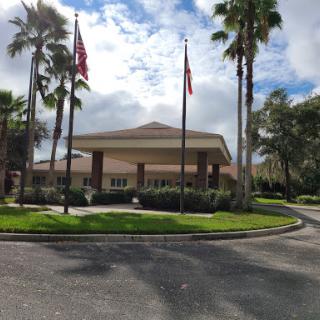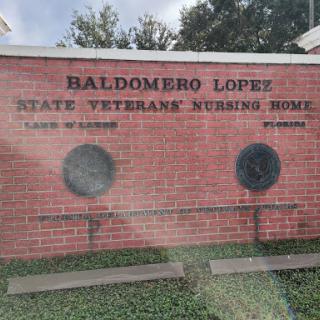

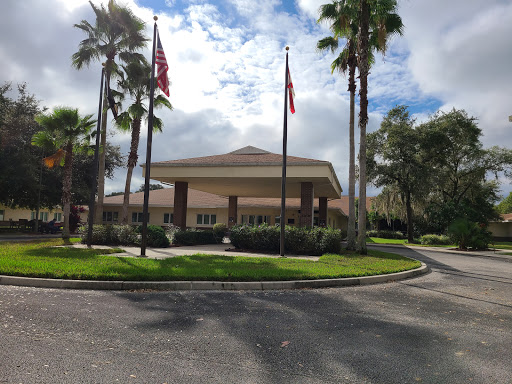

6919 Parkway Boulevard, Land O Lakes, FL 34639
For more information about senior living options: (866) 208-4318
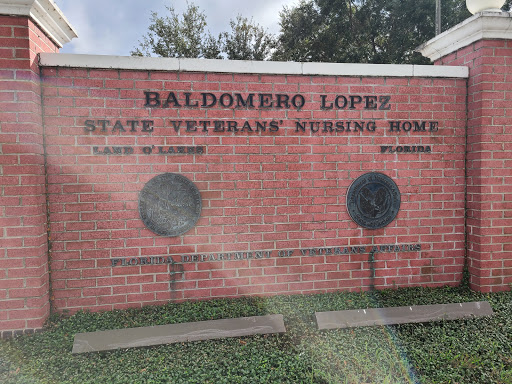
Overall Review of Baldomero Lopez Memorial Veterans Nursing Home
Pros
 The staff are friendly, caring, trustworthy, helpful, and attentive to residents' needs.
- Nurses and aides memorize residents' preferences and idiosyncrasies and forgive them when tempers flare.
- The staff are caring and loving toward everyone.
- The administrator has an innate ability to hire empathetic staff who work with residents and veterans.
- The facility is nice with friendly, knowledgeable people.
- The staff have provided loving and attentive care for residents over many years.
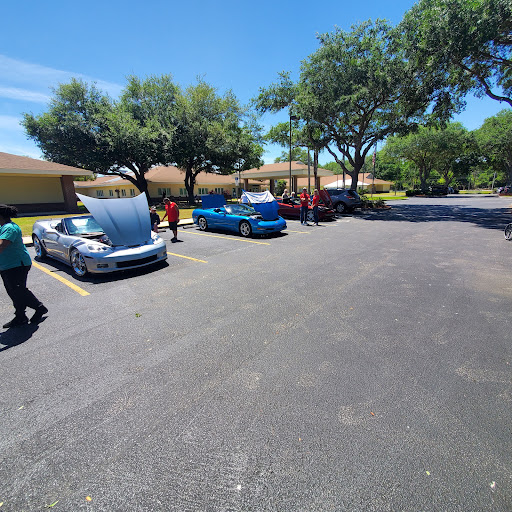
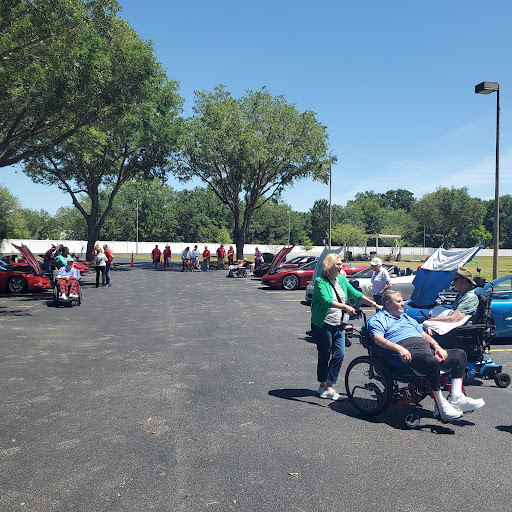
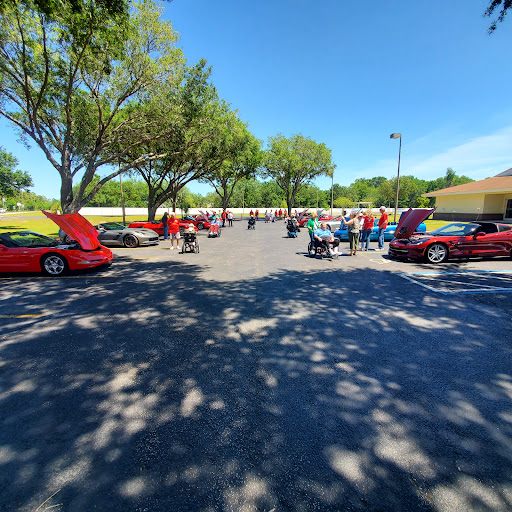
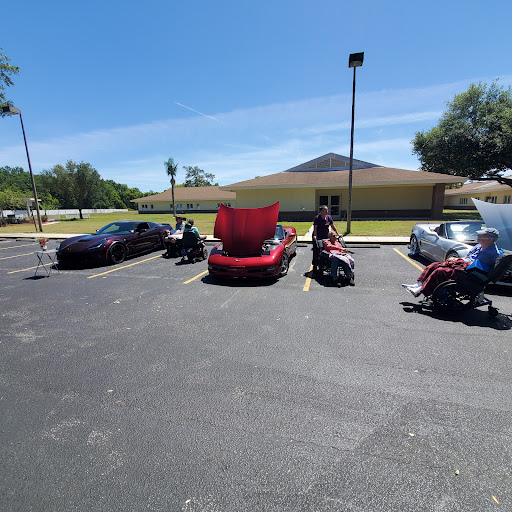
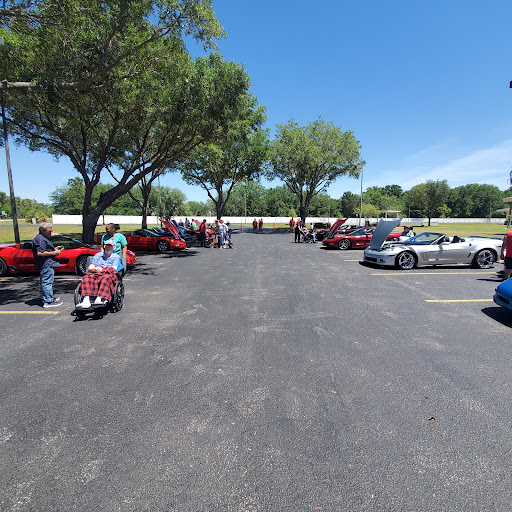
- The home is a great place for veterans, supported by community groups such as the Gulf Side Corvette Club.
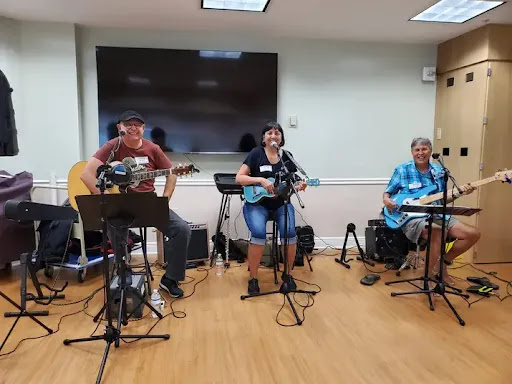
- The facility is well organized and its staff are friendly, engaging residents in music and entertainment.
- Residents thrive on the specialized care provided at the facility.
Cons
 There have been a few incidents, most of them minor.
- The reviewer notes that aides tidy according to their own preferences and duties, which can lead to items going missing.
Review
This community is best suited for veterans and their families who want a purpose-built, veteran-centric setting where care feels personal and predictable. Baldomero Lopez Memorial Veterans Nursing Home in Land O Lakes, Florida, earns consistently high marks for warmth, attentiveness, and organization. Residents describe staff who know them well, often memorizing preferences and idiosyncrasies, and an administration that seems adept at attracting empathetic caregivers. That combination yields a stable, dependable team capable of quiet, reliable problem-solving day in and day out. For veterans facing Parkinson’s with dementia, general frailty, or routine age-related needs, the setting delivers a respectful, dignified level of daily support, anchored by a culture that honors service and personal history. In practical terms, this is a residence that feels less like a generic facility and more like a carefully managed community where residents can settle in with confidence.
Non-veterans or families seeking a broader non-veteran population should consider alternatives. The strength of this home is its veteran focus, which means eligibility is a central consideration and the atmosphere, programming, and even the staff caregiving lens are tailored to veterans and their families. If the priority is a facility with a non-mederal vibe, more diverse resident demographics, or a different care model (for example, more independence-forward or a broader range of specialized therapies not aligned with military service), other options may suit better. Similarly, families prioritizing acute hospital-level intensity or facilities that offer a wider array of highly specialized medical services beyond veteran-focused programming may find more suitable fit elsewhere. The veteran-centric model is powerful here, but it isn’t a universal fit for every situation.
The strongest positives are tangible and well aligned with practical care needs. Staff come across as exceptionally friendly, knowledgeable, and compassionate, creating an atmosphere where residents feel seen and valued. The caregiving team is praised for consistency, with caregivers who tailor daily routines to individual habits and preferences, reducing confusion and enhancing a sense of control for residents. Cleanliness and organization are repeatedly cited as standout strengths, reinforcing a safe, well-run environment. Food quality is surprisingly good, and mealtime becomes part of the daily comfort rather than a routine obligation. Beyond routine care, the home benefits from meaningful engagement: music events, community visits, and robust family communication when incidents occur. These elements combine to deliver not only physical care but emotional reassurance for residents and their loved ones.
On the other hand, a handful of caveats accompany these strengths. The most practical concern is eligibility and fit for non-veterans, since the facility’s mission and daily life center on veteran care. For families without a veteran, alternatives that welcome a broader resident base should be pursued. There are occasional minor incidents, described as not being major or alarming, with prompt updates to families that help susta in trust and transparency. While still rare, these moments underscore the importance of selecting a setting with a proven, responsive governance structure. Overall, the care quality, elevated by long-tenured, empathetic staff and a clean, organized environment, tends to offset these modest drawbacks, especially for families prioritizing dignity, routine, and veteran-specific programming. The real question is whether the veteran-centric model aligns with the resident’s identity and long-term care goals.
For families evaluating this home, the path to a well-informed decision is practical and straightforward. Begin with a candid discussion about eligibility and the resident’s values: does a veteran-centered culture align with the individual’s background, priorities, and social needs? Schedule a visit to observe daytime interactions, note how aides anticipate preferences, how administrators handle routine questions, and how residents engage with activities and meals. Inquire specifically about Parkinson’s and dementia care plans, availability of therapeutic activities, and the cadence of family updates when health changes occur. Seek firsthand impressions from other families about meals, cleanliness, and how emergencies are communicated. Ask about continuity of staffing and whether the care team maintains a stable presence to preserve trust and familiarity. These checks reveal whether the strong reputational positives translate into a consistently reliable experience for the future resident.
Bottom line: Baldomero Lopez Memorial Veterans Nursing Home is a compelling option for veterans who want a warm, well-staffed, clean, and community-centered environment where care is personalized, and dignity is preserved. The overwhelmingly positive feedback points to a deeply caring workforce, thoughtful administration, and a facility that treats daily living as a meaningful, respectful experience. Minor drawbacks exist, chiefly around veteran eligibility and the possibility of occasional small incidents; these are far from deal-breakers, especially when weighed against the proven strengths in care quality, communication, and resident engagement. For families prioritizing veteran-specific programming, empathy-forward caregiving, and a clean, organized setting, this is one of the strongest, most reliable choices in the region. For those not aligned with a veterans-only model or seeking a broader demographic, it remains prudent to compare alternatives to ensure the selected community matches the resident’s identity, medical needs, and long-term goals.
 120 resident community capacity
 Skilled Nursing Facility
 Air-conditioning
 Beauty salon
 Cable or satellite TV
 Computer center
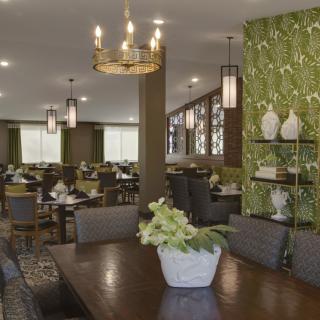
 Dining room
 Fitness room
 Fully furnished
 Gaming room
 Garden
 Housekeeping services
 Kitchenette
 Move-in coordination
 Outdoor space
 Private bathrooms
 Restaurant-style dining
 Small library
 Telephone
 Wellness center
 Wi-Fi/high-speed internet available
 Tampa International (20 miles away)
 Community operated transportation
 12-16 hour nursing
 24-hour call system
 Activities of daily living assistance
 Assistance with bathing
 Assistance with dressing
 Assistance with transfers
 Diabetes diet
 Medication management
 Mental wellness program
 Special dietary restrictions
 Concierge services
 Planned day trips

 Supportive Employee Benefits That Help Caregivers Attain Better Work-Life Harmony
 Top Cars for Senior Drivers and Essential Safety Innovations
 A Closer Look at Private Pay Home Care