
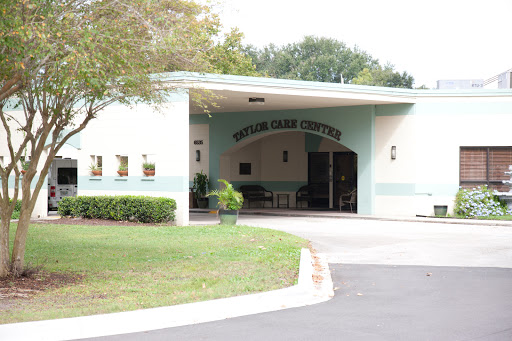







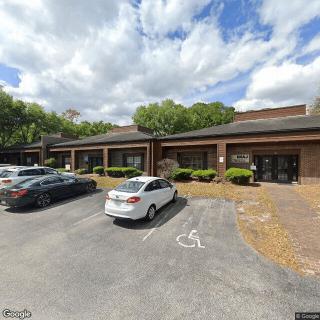
6535 Chester Avenue, Jacksonville, FL 32217
For more information about senior living options: (866) 208-4318
Overall Review of Taylor Care Center
Pros
 The program staff were attentive and responsive to those in need.
 - The Taylor Care Center team was wonderful, friendly, and genuinely caring.
- Nurses Angeline, Verna, Rose, and Sandy consistently treated him with dignity and respect and kept his family informed.
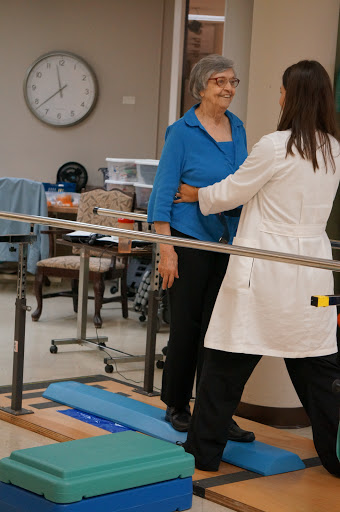
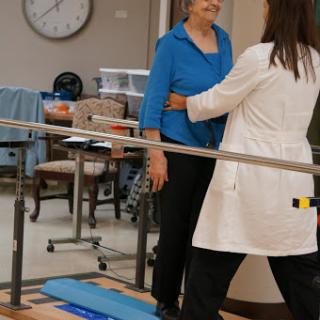
- The PT/OT team greatly improved his strength and confidence, helping him stand and use a walker.
- Daily, dedicated PT/OT was critical to his recovery.
- The entire staff, including administration, wound care, dietary, therapy, and housekeeping, is professional and demonstrates a high standard of care.
- The facility is clean, well-run, and a reassuring place for rehabilitation.
- Many families have had positive experiences and would recommend Taylor Care Center.
Cons
 He was not provided with significant PT/OT, and, bedridden the entire stay, lost the ability to sit up, stand, and perform basic tasks.
- The reviewer questioned the staff after two people died quickly following admission; a patient was wheeled out nonresponsive, and staff claimed that was normal.
- The food was atrocious, the help was worse, and the staff were apathetic, lazy, and understaffed, often not responding when bells were rung.
- The mother’s rehab care area had dangerous conditions—old beds and furniture, a loose toilet seat, and a toilet that wasn’t caulked down.
- Phones were shared and staff rarely handed them to patients.
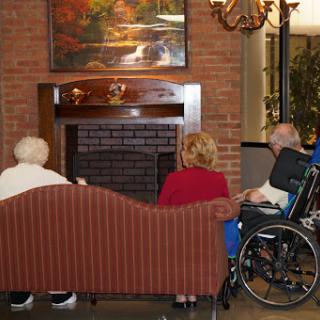
- The rooms were drab and in need of modernization.
- The facility appeared to prioritize top-notch patients, implying that loved ones not meeting that standard might not receive adequate care.
Review
Taylor Care Center in Jacksonville is best suited for families pursuing aggressive rehabilitation to restore mobility after a hospital stay. This community shines for older adults who need structured PT and OT, daily supervision, and a team that engages families as part of the recovery plan. It is a practical choice for short- to mid-term rehab where the objective is to regain function, confidence, and independence with a clearly coordinated care approach led by a capable administration. Those who want measurable improvement in physical abilities and a transparent, team-driven process will find Taylor Care Center particularly compelling.
The strongest arguments come from the rehab-and-nursing fusion this center offers. Daily PT and OT are real, not token efforts, and the therapists’ persistence translates into meaningful gains, enough to stand with a walker and reclaim basic tasks that had seemed out of reach. The nursing staff earns high marks for warmth, dignity, and consistent communication with families, a pattern echoed by administrators, wound-care specialists, dietary staff, and housekeeping teams who all appear invested in the patient’s overall well-being. Cleanliness and a sense of order reinforce confidence that the care plan is being followed, and it is hard to question the commitment of the team once a resident begins to show tangible progress.
Still, the experience comes with notable caveats. Several accounts point to staffing pressures that affect responsiveness, with calls sometimes not answered promptly and routines that move at a slower pace than hoped. Old or dated room furnishings and fixtures can create risk or discomfort, even as care remains solid in other respects. Food quality is a recurring complaint for some families, and the overall impression of the facility’s environment is a mix of functional cleanliness and rooms that could use modernization. A few serious incidents have sparked concerns about care consistency and accountability, including questions about how staff handle difficult situations and communicate around urgent changes in a patient’s condition. These are red flags that cannot be ignored when evaluating long-term placement.
Despite these concerns, the core rehab advantages often offset the drawbacks for families prioritizing recovery outcomes. When therapy is consistently delivered, patients can achieve mobility milestones that unlock greater independence and reduce long-term dependence on staff. The existence of a strong administrative framework, top-to-bottom leadership that is described as professional and invested, helps ensure that care plans are coherent, discharge steps are carefully planned, and the overall trajectory remains focused on recovery. In short, for a resident whose short-term goal is to regain walking, balance, and daily living skills, Taylor Care Center can deliver results that justify the choice, even if some days demand patience and ongoing advocacy.
There are clear reasons to consider alternatives. For families seeking a long-term custodial environment with very high, constant one-to-one attention or for residents with advanced dementia requiring intensive, specialized support, other options may offer more predictable staffing patterns and more modern facilities. Those who place a premium on up-to-date rooms, contemporary amenities, and uniformly responsive service across all shifts may prefer a facility that prioritizes room-to-room comfort and a more uniformly proactive dining and activity program. Even with strong rehab potential, the concerns voiced by some families, staffing reliability, maintenance issues, and mixed experiences with meal and routine quality, warrant comparison with other communities before committing long-term.
Practical next steps for families are clear. Schedule focused conversations with the administrator and the director of nursing to review staffing ratios, a sample PT/OT schedule, and a day-in-the-life timeline for a typical resident. Request to observe therapy sessions, inspect a renovated room, and review a current maintenance log to verify that fix-it requests are tracked and resolved promptly. Ask for a copy of the facility’s incident-handling policies and how family updates are delivered when a patient’s condition changes. If possible, speak with current residents or families about response times and overall day-to-day satisfaction. Taylor Care Center offers a credible blend of strong rehabilitation, attentive nursing, and an administrator-led culture of care, but a careful, due-diligence visit is essential to confirm that it aligns with the specific needs, expectations, and risk tolerance of the family’s loved one.
 120 resident community capacity
 Skilled Nursing Facility
 Air-conditioning
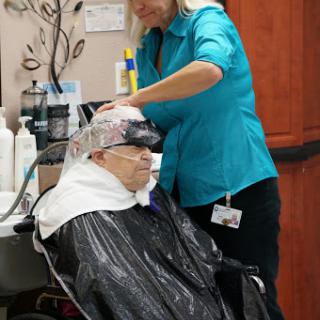
 Beauty salon
 Cable or satellite TV
 Computer center
 Dining room
 Fitness room
 Fully furnished
 Gaming room
 Garden
 Housekeeping services
 Kitchenette
 Move-in coordination
 Outdoor space
 Private bathrooms
 Restaurant-style dining
 Small library
 Telephone
 Wellness center
 Wi-Fi/high-speed internet available
 Jacksonville International (17 miles away)
 Community operated transportation
 12-16 hour nursing
 24-hour call system
 Activities of daily living assistance
 Assistance with bathing
 Assistance with dressing
 Assistance with transfers
 Diabetes diet
 Medication management
 Mental wellness program
 Special dietary restrictions
 Concierge services
 Planned day trips







 Understanding the Nuances of Palliative Care and Hospice: A Comprehensive Exploration
 Fecal Incontinence in Older Adults: A Comprehensive Guide
 Nurturing Well-Being Through Gardening: A Detailed Guide for Senior Enthusiasts