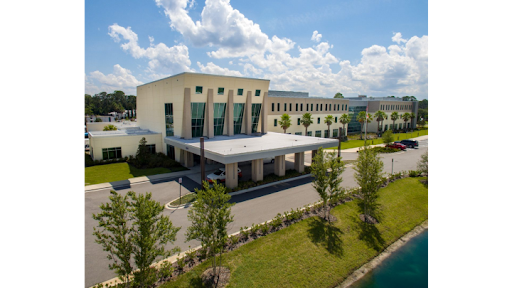
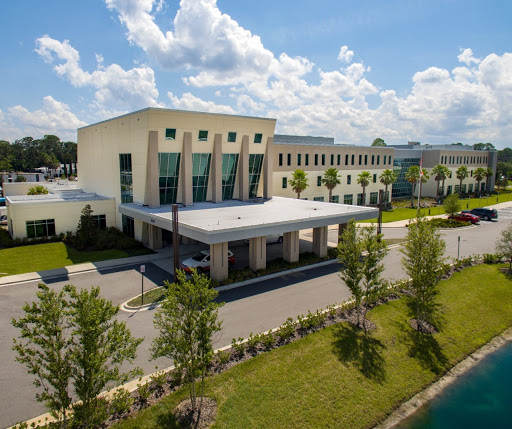
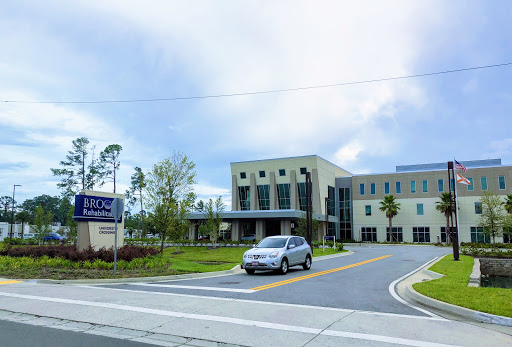
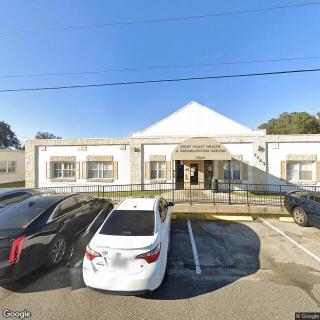
University Crossing in Jacksonville, FL

Save

  • Outdoors

    An outdoor scene with an American flag in front of a building surrounded by trees under a blue sky.
  • Building

    A modern hotel building surrounded by landscaped greenery under a bright blue sky.
  • Architecture

    A modern hotel building with a welcoming entrance, surrounded by lush greenery and under a bright sky.
  • Landscaping

    A modern medical facility with a car driving by under a cloudy sky.
  • Garden

    A cozy garden patio with various potted plants and flowers.
  • Outdoor

    A serene view of a park featuring a tranquil lake surrounded by greenery and urban elements under a partly cloudy sky.
  • Hallway

    Two bags of waste positioned near a door in a hallway with a red trash bin in the background.

University Crossing in Jacksonville, FL

6210 Beach Boulevard, Jacksonville, FL 32216

For more information about senior living options: (844) 490-3973

3.8 from 82 reviews
5 stars
55
4 stars
1
3 stars
1
2 stars
1
1 stars
24

Skilled Nursing Facility

What level of care are you interested in?

Assisted Living

Memory Care

Independent Living

Skilled Nursing Facility

Continuing Care Retirement Community (CCRC)CCRC

Other


Request a tour at University Crossing

    Overall Review of University Crossing

    Pros

    • pro Ms. Maggie Benson, director of Social Services, is commended for going above and beyond the call of duty.
    • pro Patricia, a CNA, is praised for being kind and for doing extra things she didn't have to do.
    • pro The Brooks Rehabilitation facility is described as super nice with caring staff.
    • pro The staff is wonderful and knowledgeable.
    • pro Nurse Kat is amazing, with a heart that matches her energy, and she is very helpful and sweet.
    • pro The facility has a great atmosphere and the staff seem to be caring.
    • pro The staff are very caring and clearly love what they do.
    • pro CNAs and therapy have been fabulous, and the food is good.
    • pro The care team at Brooks Crossing is professional, kind, and treats patients like family.
    • pro The facility is very clean and well-maintained; staff are friendly and helpful.

    Cons

    • pro The lack of care for patients is astounding and completely unprofessional.
    • pro The staff openly tell patients they won't follow doctors' instructions and will do things their own way.
    • pro Help to the bathroom took 15 minutes; a CNA couldn't be found; baths and fresh linens were not provided for days; the food was uneatable.
    • pro The facility is horrendous, with wrong medications, understaffing, apathetic staff, and discharge/medication errors.
    • pro A nurse yelled at a patient in a hostile, unprofessional manner.
    • pro The facility is not the old Brooks; staff are uncourteous, unfriendly, and lacking in professionalism.
    • pro Rooms and floors are filthy, with patients left without sheets or basic care.
    • pro There is a warning that white patients are treated very poorly, indicating racial bias.

    Review

    Brooks Rehabilitation University Crossing in Jacksonville is best suited for families pursuing aggressive post-acute rehabilitation, especially for stroke or major surgery recoveries, where daily physical, occupational, and speech therapy can drive meaningful gains. The campus earns praise for a clean, pleasant environment and a rehab-forward culture, with many reviewers highlighting therapists and CNAs who deliver skilled, encouraging care. In practice, the strongest value shows up when a resident's trajectory relies on sustained therapy momentum, attentive nursing support, and a calm, well?managed setting that feels like a hospital-rehab hybrid. For families focused on objective progress and a positive atmosphere, this campus often checks those boxes.

    That said, the community is not for every situation. Alternatives should be explored for cases demanding consistently around?the?clock staffing, meticulous daily care, and transparent family communication. A recurring theme in the feedback is staffing variability, especially on weekends, with reports of delays in basic assistance, incomplete baths, and gaps in monitoring. Several families describe difficult experiences around call-bell responsiveness, unreturned inquiries, and even medication errors. For loved ones who require near-constant supervision, rapid response, and unwavering consistency in care, these patterns strongly suggest looking at other options or at least insisting on concrete staffing guarantees before admission.

    On the bright side, the pros are real and often persuasive. Clean facilities, pleasant aromas, and well-maintained rooms set a positive first impression that persists for many patients and families. The rehab teams - physicians coordinating with nurses and a cadre of skilled therapists - are repeatedly described as professional, empathetic, and capable of pushing residents to meaningful improvement without neglecting safety or comfort. Families frequently highlight the efficacy of therapy sessions and the dedication of CNAs and nurses who stay engaged with the patient's recovery plan, as well as the responsiveness of case managers who advocate for post-discharge needs.

    Yet the cons carry substantial weight in practical decision-making. The most worrisome threads run through accounts of understaffing, inconsistent coverage, and communication gaps that leave families feeling out of the loop. Specific horror stories - missed medications, delayed bathroom assistance, rooms left in disarray, or staff who seem unable to follow up on critical concerns - underscore real risk. Some reviews describe hostile or indifferent interactions, barriers to information, and discharge planning that falls short of expectations. Even when therapy excels, these systemic issues can erode confidence and interrupt progress, especially for elders with complex medical histories or cognitive needs.

    The key question becomes whether the rehab strengths can outweigh the operational fragility. For residents who arrive ready to engage in intensive therapy and who have families willing to be proactive partners in care, University Crossing can deliver exceptional outcomes - therapy that motivates, nursing that supports, and a setting that supports healing. However, when safety nets like reliable daily care, consistent communication, and predictable weekend coverage are non-negotiable, these positives may be insufficient. In short, the decision hinges on risk tolerance: the likelihood of a strong rehab result tempered by the possibility of variability in day-to-day care.

    If pursuing University Crossing, approach it with a clear, hard-edged plan. Demand a detailed tour of weekend staffing models and patient-to-staff ratios; request a primary nurse and a dedicated CNA team, with direct contact points for the family; establish a daily communication routine with the case manager and therapy leads; and insist on explicit timelines for discharge planning and home-health arrangements. Compare options with Brooks Bartram Crossing or other nearby facilities to gauge consistency of care and culture. Finally, arm the family with a contingency plan: know how to escalate concerns, who to contact, and what backup arrangements exist should gaps appear. The goal is to align expectations with a care model where therapy progress is matched by dependable, respectful daily care.

    Features

    Housing

    • 111 resident community capacity 111 resident community capacity

    Types of Care

    • Skilled Nursing Facility Skilled Nursing FacilitySkilled Nursing Facilities are crucial for seniors as they provide round-the-clock medical care, rehabilitation services, and assistance with daily activities. These facilities ensure that seniors receive the specialized care they need to maintain their health and well-being as they age.

    Amenities

    • Air-conditioning Air-conditioningAir conditioning is important for seniors as they are more vulnerable to heat-related illnesses and may have underlying health conditions that make it difficult for them to regulate their body temperature. It helps to keep them comfortable, safe, and healthy in hot weather.
    • Beauty salon Beauty salonBeauty salons are important for seniors because they provide a space for them to feel pampered, socialize, and maintain their personal grooming and hygiene. Regular visits to a beauty salon can help boost seniors' self-esteem and overall well-being.
    • Cable or satellite TV Cable or satellite TVCable or satellite TV is important for seniors because it provides entertainment, news, and companionship, helping to combat loneliness and boredom. It also offers a wide range of programming options tailored to different interests and preferences.
    • Computer center Computer centerA computer center is essential for seniors as it provides access to technology, communication tools, and resources that can enhance their daily lives. It allows them to stay connected with loved ones, engage in online activities, and learn new skills, ultimately promoting socialization and mental stimulation.
    • Dining room Dining roomDining rooms are important for seniors as they provide a space for socialization, connection, and nutritious meals. They offer opportunities for residents to bond over shared meals, foster a sense of community, and promote healthy eating habits. Dining rooms also ensure that seniors have access to well-balanced meals tailored to their dietary needs and preferences.
    • Fitness room Fitness roomHaving a fitness room in a senior living community is essential for seniors to stay active, maintain their physical health, and improve their overall well-being. Regular exercise can help prevent falls, reduce the risk of chronic diseases, and promote mental sharpness. It also provides social opportunities for residents to connect with others and enjoy a sense of community.
    • Fully furnished Fully furnishedFully furnished senior living communities are important for seniors because they provide convenience, comfort, and a hassle-free moving experience. Seniors can easily settle into their new living space without the stress of having to buy and move furniture. This allows them to focus on enjoying their new home and community.
    • Gaming room Gaming roomGaming rooms are important for seniors as they provide a fun and engaging environment for socializing, cognitive stimulation, and physical activity. Games can improve memory, problem-solving skills, and overall mental well-being while fostering friendships and reducing feelings of isolation.
    • Garden GardenGardens are important for seniors as they provide a peaceful and therapeutic environment for relaxation, physical activity, and socialization. Being in nature has been shown to reduce stress, improve mood, and promote overall well-being. Gardens also offer opportunities for seniors to engage in gardening activities, which can improve mobility, flexibility, and cognitive function. Additionally, gardens create a sense of community and connection with others who share a passion for plants and outdoor spaces.
    • Housekeeping services Housekeeping servicesHousekeeping services are important for seniors because they help maintain a clean and safe living environment, promote independence, and reduce the risk of accidents or illnesses. Additionally, having assistance with household chores can alleviate physical strain and allow seniors to focus on other aspects of their well-being.
    • Kitchenette KitchenetteKitchenettes are important for seniors living in senior living communities because they provide the convenience and independence of being able to prepare simple meals and snacks in the comfort of their own living space. This can help promote a sense of autonomy and well-being for seniors, allowing them to maintain some level of control over their dietary choices and daily routines.
    • Move-in coordination Move-in coordinationMove-in coordination is important for seniors because it helps ease the transition into their new living environment. It ensures that all logistics, such as packing, organizing movers, and setting up utilities are taken care of, allowing seniors to focus on settling in and adjusting to their new home. Having a smooth move-in process can alleviate stress and anxiety, making the transition smoother and more enjoyable for seniors.
    • Outdoor space Outdoor spaceOutdoor spaces are important for seniors as they provide opportunities for physical activity, social interaction, exposure to natural light and fresh air, and a sense of connection to nature. Having access to outdoor spaces can improve overall well-being and quality of life for older adults living in senior communities.
    • Private bathrooms Private bathroomsPrivate bathrooms are important for seniors in senior living communities because they provide independence, dignity, and comfort. Having a private bathroom allows seniors to maintain their personal hygiene routines without the need for assistance, promoting a sense of autonomy and privacy. Additionally, private bathrooms help prevent the spread of infections and provide a safe and clean environment for seniors to navigate safely.
    • Restaurant-style dining Restaurant-style diningRestaurant-style dining is important for seniors because it allows them to enjoy delicious, nutritious meals in a social and upscale setting. This enhances their dining experience, promotes healthy eating habits, and fosters socialization with fellow residents, ultimately contributing to their overall well-being and quality of life.
    • Small library Small librarySmall libraries are important for seniors as they provide access to a variety of reading materials, including books, newspapers, and magazines. This can help stimulate their minds, keep them engaged, and provide a sense of community through book clubs and other social activities. Additionally, reading has been shown to improve cognitive function and overall mental well-being in older adults.
    • Telephone TelephoneTelephones are important for seniors as they provide a lifeline for communication with loved ones, emergency services, and healthcare providers. They offer a sense of security and independence, enabling seniors to stay connected and access assistance when needed.
    • Wellness center Wellness centerWellness centers are important for seniors because they offer a variety of programs and services that promote physical, mental, and emotional well-being. These centers provide opportunities for exercise, socialization, education, and relaxation, helping seniors maintain their overall health and quality of life.
    • Wi-Fi/high-speed internet available Wi-Fi/high-speed internet availableWi-Fi/high-speed internet is important for seniors to stay connected with loved ones, access online resources, and participate in virtual activities to combat feelings of loneliness and isolation. It also allows them to easily manage healthcare needs, access entertainment, and engage in lifelong learning opportunities.

    Transportation

    • Jacksonville International (15 miles away) Jacksonville International (15 miles away)
    • Community operated transportation Community operated transportationCommunity operated transportation is crucial for seniors as it provides them with the means to access essential services, social activities, and medical appointments. It allows seniors to maintain their independence and quality of life by ensuring they can participate in activities outside of their homes. Additionally, community-operated transportation services offer a safe and reliable way for seniors to travel without having to rely on family or friends for assistance.
    • Transportation arrangement Transportation arrangementTransportation arrangements are crucial for seniors as they may face challenges with driving, mobility, or access to public transportation. Having reliable transportation services ensures that seniors can easily attend appointments, social activities, and maintain their independence and quality of life.
    • Transportation arrangement (non-medical) Transportation arrangement (non-medical)Transportation arrangements are essential for seniors as they provide access to essential services, activities, and social interactions outside the home. This service helps maintain independence, mobility, and overall well-being for seniors who may have limited transportation options.
    • Transportation to doctors appointments Transportation to doctors appointmentsTransportation to doctors appointments is crucial for seniors as it ensures they have access to necessary medical care and support, promoting their health and well-being. It allows them to receive timely treatment, monitor existing conditions, and address any new health concerns efficiently. Additionally, transportation services can help seniors maintain their independence and quality of life by enabling them to stay connected with their healthcare providers.

    Care Services

    • 12-16 hour nursing 12-16 hour nursing12-16 hour nursing care is crucial for seniors in order to ensure around-the-clock monitoring, timely medication administration, and prompt response to any health concerns or emergencies. This level of care helps to promote the overall well-being and safety of seniors living in senior living communities.
    • 24-hour call system 24-hour call system24-hour call systems are important for seniors because they provide peace of mind and immediate assistance in case of emergencies. This technology ensures that help is always available, promoting safety and security for elderly individuals living alone or in assisted living facilities.
    • 24-hour supervision 24-hour supervision24-hour supervision is important for seniors to ensure their safety, well-being, and access to immediate assistance in case of emergencies or health issues. This constant support provides peace of mind for both seniors and their loved ones, allowing them to age in place with dignity and security.
    • Activities of daily living assistance Activities of daily living assistanceActivities of daily living assistance are important for seniors because they provide essential support with tasks such as eating, bathing, dressing, and mobility. This assistance helps seniors maintain their independence, dignity, and overall quality of life as they age.
    • Assistance with bathing Assistance with bathingAssistance with bathing is crucial for seniors as it helps maintain personal hygiene, prevents infections, and ensures their overall well-being and comfort. It also provides a sense of dignity and independence for seniors who may struggle with this task on their own.
    • Assistance with dressing Assistance with dressingAssistance with dressing is important for seniors because it helps maintain their independence, promotes personal hygiene, prevents accidents and injuries, and improves overall quality of life. This service ensures that seniors can continue to dress comfortably and confidently, despite any physical limitations they may have.
    • Assistance with transfers Assistance with transfersAssistance with transfers is crucial for seniors as it helps prevent falls and injuries, maintains their independence, and ensures they can safely navigate their living environment. It also provides peace of mind for both seniors and their loved ones.
    • Diabetes diet Diabetes dietA diabetes diet is crucial for seniors as it helps manage blood sugar levels, reduce risks of complications, and improve overall health and well-being. By following a balanced and nutritious diet tailored to their specific needs, seniors can better control their diabetes and enhance their quality of life.
    • Meal preparation and service Meal preparation and serviceMeal preparation and service are crucial for seniors as they may have limited mobility or energy to cook nutritious meals. Having access to healthy and convenient food options can ensure they are getting the proper nutrition needed to maintain their overall health and well-being.
    • Medication management Medication managementMedication management is crucial for seniors to ensure they are taking the right medications at the correct dosages and times. This helps prevent adverse drug interactions, reduces the risk of medication errors, and promotes overall health and well-being. Proactive management also allows for adjustments as needed based on changing health conditions or new prescriptions.
    • Mental wellness program Mental wellness programMental wellness programs are essential for seniors as they promote cognitive stimulation, emotional support, and social engagement. These programs help prevent isolation, depression, and cognitive decline, ultimately enhancing the overall quality of life for older adults.
    • Special dietary restrictions Special dietary restrictionsSpecial dietary restrictions are important for seniors because age-related changes in metabolism and health conditions can make it difficult for their bodies to process certain foods. By following a diet tailored to their specific needs, seniors can maintain their overall health and well-being, manage chronic conditions, and reduce the risk of complications such as malnutrition or food interactions with medications.

    Dining

    • Diabetes diet Diabetes dietA diabetes diet is crucial for seniors as it helps manage blood sugar levels, reduce risks of complications, and improve overall health and well-being. By following a balanced and nutritious diet tailored to their specific needs, seniors can better control their diabetes and enhance their quality of life.
    • Special dietary restrictions Special dietary restrictionsSpecial dietary restrictions are important for seniors because age-related changes in metabolism and health conditions can make it difficult for their bodies to process certain foods. By following a diet tailored to their specific needs, seniors can maintain their overall health and well-being, manage chronic conditions, and reduce the risk of complications such as malnutrition or food interactions with medications.

    Activities

    • Community-sponsored activities Community-sponsored activitiesCommunity-sponsored activities are important for seniors as they provide opportunities for social interaction, mental stimulation, and physical activity. These activities can help improve overall well-being, combat loneliness and isolation, and promote a sense of belonging and purpose among older adults.
    • Concierge services Concierge servicesConcierge services are essential for seniors as they provide assistance with daily tasks and errands, enhance their quality of life by offering convenience and personalized care, and promote a sense of safety and security.
    • Fitness programs Fitness programsFitness programs are crucial for seniors as they help improve strength, flexibility, balance, and overall well-being. Staying active can reduce the risk of chronic diseases, improve mental health, and enhance quality of life in older adults.
    • Planned day trips Planned day tripsPlanned day trips are important for seniors because they offer opportunities for socialization, mental stimulation, and physical activity. They provide a change of scenery and help seniors stay engaged and connected to their community, promoting overall well-being and quality of life.
    • Resident-run activities Resident-run activitiesResident-run activities are important for seniors as they encourage social interaction, creativity, and a sense of autonomy. These activities empower seniors to stay engaged and active in their community while fostering meaningful connections with their peers.
    • Scheduled daily activities Scheduled daily activitiesScheduled daily activities are important for seniors because they provide structure, socialization, mental stimulation, and physical activity. Engaging in regular activities can improve overall well-being and quality of life for seniors living in a community setting.

    Description

    University Crossing in Jacksonville, FL is a vibrant and inclusive assisted living community known for its exceptional amenities and high-quality care services. Residents can enjoy the convenience of on-site beauty salon services, as well as access to cable or satellite TV. The community also offers community-operated transportation for easy travel to nearby locations.

    For residents looking to stay connected in the digital age, University Crossing provides a computer center and Wi-Fi/high-speed internet throughout the premises. A fully furnished setting ensures that residents can move in comfortably and effortlessly.

    To promote an active and engaging lifestyle, University Crossing features a fitness room and gaming room, along with outdoor space for relaxation or socializing in the fresh air. A small library is available for those who enjoy reading, while a dining room offers restaurant-style meals.

    Residents can avail themselves of housekeeping services to maintain a clean living environment, while move-in coordination makes the transition process smoother. Private bathrooms provide added convenience and privacy.

    Medical needs are taken care of with transportation arrangements for non-medical purposes, including visits to doctors' appointments. In addition, there is a wellness center on-site for overall health promotion.

    Care services offered at University Crossing include 24-hour call system and supervision to ensure round-the-clock support for residents. Assistance with daily activities such as bathing, dressing, and transfers is readily available. The community accommodates special dietary restrictions such as diabetes diets and creates meal plans accordingly. Medication management is provided to ensure proper administration.

    Mental wellness programs cater to emotional well-being alongside physical care. Transportation arrangements are made when required for ease of movement. Social activities form an integral part of life at University Crossing, with concierge services available to assist residents in planning day trips or participating in scheduled daily activities. Resident-run activities empower individuals within the community.

    The surrounding area near University Crossing is rich in amenities. There are six cafes nearby where residents can grab a quick bite or meet friends for coffee. Nature enthusiasts can explore the nearby park for outdoor recreation. Accessibility to pharmacies and physicians in close proximity ensures convenience for medical needs. Nearby restaurants offer a variety of dining options, while theaters and hospitals are also easily accessible.

    Overall, University Crossing is an assisted living community that prioritizes comfort, care, and social engagement to provide residents with a fulfilling and enriching lifestyle.

    Nearby Places of Interest

    Hospitals

    • Brooks Rehabilitation Hospital (0.1 miles)
    • Baptist Primary Care (0.3 miles)
    • Childrens Medical Services (5 miles)

    Pharmacies

    • Walgreens (0.2 miles)
    • Walgreens (1.6 miles)
    • CVS Pharmacy (2 miles)
    • Walgreens (2.6 miles)
    • CVS Pharmacy (2.7 miles)
    • CVS Pharmacy (2.9 miles)
    • Winn-Dixie (3.4 miles)

    Physicians

    • Wolchok Eye Associates, PA (0.3 miles)
    • Family Allergy & Asthma Consultants (0.6 miles)
    • Memorial Family Medicine - University (1.5 miles)
    • North Florida OB/GYN-Paul Rebenack, MD (2.5 miles)
    • VA Outpatient Clinic - Southpoint (2.5 miles)
    • Borland-Groover Clinic (2.9 miles)
    • Hamoui Omar Dr First Coast Cardiovascular Institute Jacksonville (3 miles)

    Restaurants

    • McDonald's (2 miles)
    • Whataburger (2.1 miles)
    • Chipotle Mexican Grill (2.4 miles)
    • Tunis Seafood Wings And Subs Emerson St (2.7 miles)
    • Island Wing Company (3 miles)
    • Cantina Louie (3 miles)
    • McDonald's (3.1 miles)

    Cafes

    • Southern Grounds (3.3 miles)
    • Starbucks (3.3 miles)
    • The Local - San J (3.3 miles)
    • Starbucks (3.4 miles)
    • European Street Cafe (3.9 miles)
    • Starbucks (4.2 miles)

    Theaters

    • Cinemark Tinseltown and XD (3.3 miles)

    Parks

    • Riverfront Park (3.8 miles)

    Places of Worship

    • Allen Chapel Ame Church (5.4 miles)

    Frequently Asked Questions

    Where is University Crossing?
    What photos are available for University Crossing in Jacksonville, Florida?

    Nearby Communities

    • Heartland Health Care Center Of South Jacksonville

      Heartland Health Care Center Of South Jacksonville

      Jacksonville, FL


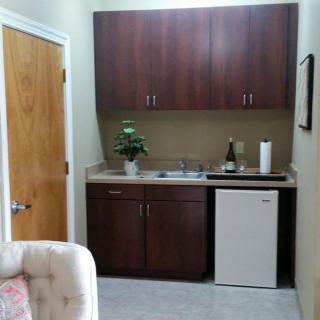
      pro Strong on-site amenities and 24/7 care (private bathrooms, kitchenette, dining, wellness, and transportation).

    • Heritage Crossings

      Heritage Crossings

      Jacksonville, FL

      4.5 from 2 reviews
      $2,525 to $2,800 / month

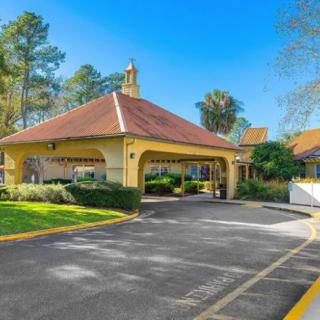
      pro Caring staff, engaging activities, and well-maintained grounds plus convenient on-site amenities.

    • Mount Carmel Gardens

      Mount Carmel Gardens

      Jacksonville, FL

       
      $545 to $731 / month

      pro Very affordable pricing (studio to 2BR) with strong on-site amenities.

    • Riverwood Center

      Riverwood Center

      Jacksonville, FL


      pro Extensive on-site amenities (salon, transportation, wellness, dining) and comprehensive care services.

    • OPIS Riverwood Center

      OPIS Riverwood Center

      Jacksonville, FL

      4.3 from 101 reviews
       

      pro Satisfactory care with good meals and regular family communication.

    • Maxim Healthcare Jacksonville

      Maxim Healthcare Jacksonville

      Jacksonville, FL

       
      $2,999 / month

      pro Affordable private room at $2,999, lower than county and state averages.

    • First Coast Health & Rehab Ctr

      First Coast Health & Rehab Ctr

      Jacksonville, FL


      pro Convenient access to a wide range of nearby amenities and healthcare services.

    • The Fountains at Mill Cove

      The Fountains at Mill Cove

      Jacksonville, FL

      4.4 from 194 reviews
      $2,350 to $3,200 / month

      pro Friendly staff, engaging activities, and spacious apartments with attractive grounds.

    • Inspirations at the Towncenter

      Inspirations at the Towncenter

      Jacksonville, FL

      5 from 6 reviews
      $3,500 to $4,500 / month

      pro Spacious, light apartments with resort-like amenities and friendly staff.

    Related Resources

    • palliative care vs hospiceUnderstanding the Nuances of Palliative Care and Hospice: A Comprehensive Exploration

      Palliative care focuses on alleviating distress at any stage of a serious illness and can accompany curative treatments, while hospice care is for those nearing the end of life with a prognosis of six months or less, emphasizing comfort over curative measures. Both prioritize holistic care for patients and families but differ in timing, goals, and scope.

    • fecal incontinenceFecal Incontinence in Older Adults: A Comprehensive Guide

      Fecal incontinence, prevalent among older adults, arises from factors like weakened pelvic muscles and nerve damage, significantly affecting well-being and social interactions. Diagnosis involves clinical evaluation and tests to inform tailored treatments, while caregivers and preventive measures can aid in managing the condition effectively.

    • anticipatory griefRecognizing the Journey: Understanding and Navigating Anticipatory Grief


      Anticipatory grief is an emotional response to the impending loss of a loved one, characterized by complex emotions such as sadness and anger, and involves navigating stages similar to those identified by Kübler-Ross. Coping strategies are vital for managing this process, emphasizing compassionate communication, self-care, and support groups while recognizing the cultural influences on grieving.


    Get Pricing Ask A Question Schedule A Tour Contact Senior Advisor