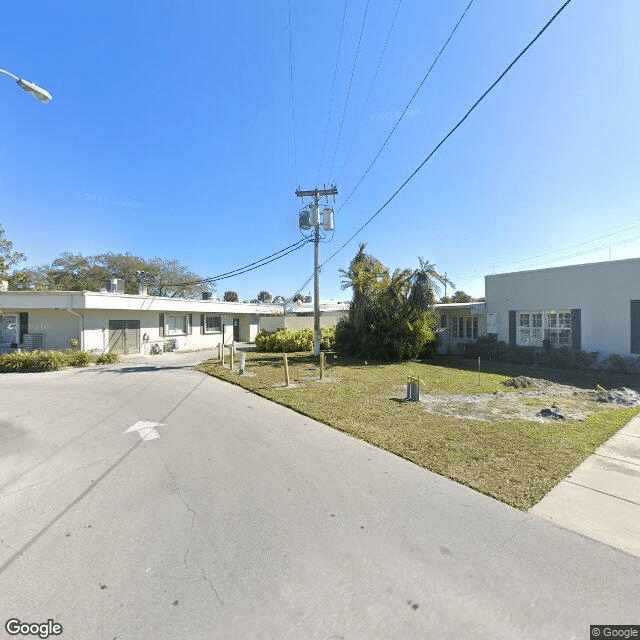
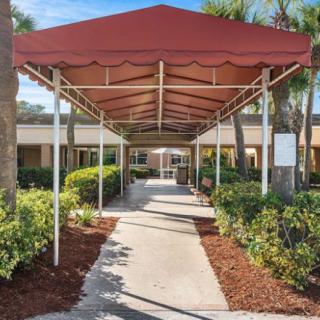
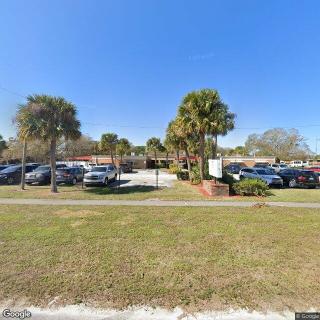
Aidan Post-Acute and Rehabilitation Center in Fort Pierce, FL
Save
700 S 29th St, Fort Pierce, FL 34947
For more information about senior living options: (844) 490-3973
Aidan Post-Acute and Rehabilitation Center is best suited for families pursuing a rehabilitation-forward path with the goal of returning a loved one home, provided there is active family participation in care planning and daily oversight. The center can be a solid choice for post-surgical or acute-episode recoveries where skilled physical and occupational therapy is the centerpiece and where steady progress toward independence is realistic. It is less appropriate for residents who require unwavering, 24/7 safety and consistency, or for families who cannot devote time to closely monitor care and advocate on behalf of their loved one.
Those who should consider alternatives are families prioritizing flawless cleanliness, consistently responsive staff, and rock-solid medication management. Several reviews point to issues with cleanliness and upkeep, delayed call-bell responses, and inconsistent attentiveness across shifts. For residents with high infection risk, fragile wounds, or sensitive dietary needs, the variability in day-to-day care can magnify problems. If a family cannot regularly advocate on behalf of the individual, the risk profile shifts toward seeking a facility with more uniform staffing and fewer reported gaps in basic care.
On the upside, therapy stands out as a clear strength. Multiple accounts highlight a highly skilled therapy team that helps residents regain function and move toward independence, with some patients returning home and praising the rehab process. The environment for rehabilitation is described by several families as well-organized, with a focus on progress and engagement. When staff across the therapy and daytime nursing teams mesh well and demonstrate genuine concern, the center can deliver meaningful, life-changing outcomes for those needing to rebuild strength or mobility.
The most consistent concerns center on the basic day-to-day experience: cleanliness and maintenance, timely response to call lights, and reliability of nursing care. Several reviews recount dirty rooms, pest issues, and odors, alongside reports of medications or daily tasks being delayed or mishandled. There are also stories of miscommunication, frequent administrative turnover, and inconsistent leadership, which collectively erode confidence in a safe, predictable environment. In short, the risk of neglect or dissatisfaction in routine care overshadows the rehab gains for residents who cannot or will not litigate every request.
Given the trade-offs, the pros can offset the cons only for a defined subset of residents. If a loved one is medically stable and entering rehab with the explicit objective of getting home, and if a proactive family can partner with the care team - checking meds, wound dressings, and daily routines - the therapy wins may justify the stay. For others, especially those who require reliable pain control, immediate attention to needs, consistent meal service, and a consistently clean, calm setting, the drawbacks are prohibitive. The decision hinges on whether therapy momentum and open family involvement can prevail over ongoing concerns about basic safety and daily care quality.
Practical steps for a decisive path include arranging in-person conversations with the administrator and the therapy director, visiting at different times to observe care dynamics, and requesting a current staff roster with shift coverage. Families should insist on a formal plan for wound care, medication administration, and call-bell response times, and ask to review recent quality and safety metrics. If possible, request a trial period or short-term stay to assess day-to-day operations firsthand. If these assurances cannot be secured, or consistent performance remains elusive, exploring other post-acute rehabilitation centers in the Fort Pierce area is prudent, prioritizing facilities with demonstrated consistency in cleanliness, staffing, and safe, responsive care.
Aidan Post-Acute and Rehabilitation Center in Fort Pierce, FL is an exceptional assisted living community dedicated to providing top-quality care and support for individuals in need of rehabilitation and post-acute services. Situated in a convenient location, this center offers easy access to a variety of amenities and services that enhance the residents' overall experience.
Residents at Aidan Post-Acute and Rehabilitation Center can enjoy the convenience of having two cafes nearby, perfect for grabbing a quick bite or meeting with friends over a cup of coffee. These cafes offer a cozy atmosphere and delicious food options that cater to different preferences and dietary needs.
For those requiring pharmaceutical services, there are five pharmacies within close proximity of the center. This ensures that residents have easy access to medications and other health-related supplies, without having to travel long distances or face any inconvenience.
The presence of 20 physicians nearby signifies the comprehensive medical care available to residents at Aidan Post-Acute and Rehabilitation Center. These physicians specialize in various fields, ensuring that residents receive personalized attention and expertise based on their specific healthcare requirements.
The community is also surrounded by 11 restaurants, offering an array of dining options for residents to explore. From casual eateries to fine dining establishments, these local restaurants provide residents with diverse menus featuring delectable dishes prepared with utmost care.
Additionally, with one hospital located nearby, Aidan Post-Acute and Rehabilitation Center prioritizes the safety and well-being of its residents by being in close proximity to immediate medical attention if ever needed. This adds an extra layer of security for both residents and their families.
In summary, Aidan Post-Acute and Rehabilitation Center is a highly reputable assisted living community located in Fort Pierce, FL. With its convenient location near cafes, pharmacies, physicians' offices, restaurants, and hospitals, it provides a comfortable environment for residents while ensuring that essential services are easily accessible whenever required.
This part of Fort Pierce, Florida, offers a convenient location with various amenities nearby. There are multiple physicians and pharmacies within a short distance, providing easy access to healthcare services. Additionally, there are several cafes and restaurants offering a variety of dining options for residents. Nearby hospitals such as New Horizons of the Treasure Coast and Martin Memorial Health Systems ensure quality medical care is readily available. The parks in the area provide opportunities for outdoor recreation and relaxation. Overall, this neighborhood provides a comfortable and accessible environment for senior living.
Aidan Post-Acute and Rehabilitation Center is located at 700 S 29th St, Fort Pierce, FL 34947 in St. Lucie County, Florida
9 Stimulating Memory Activities for Seniors: Puzzles, Cards, and Much More

The article highlights nine memory-boosting activities for seniors that enhance cognitive health and social interaction, including puzzles, trivia quizzes, and storytelling, while emphasizing the importance of adapting these activities to individual preferences to maximize enjoyment and engagement. Consistent mental engagement is linked to improved cognitive function and emotional well-being in older adults.
Managing Nursing Home Expenses After Medicare Coverage Ends

Medicare provides limited coverage for skilled nursing home care, covering full benefits for the first 20 days and partial benefits up to 100 days under certain conditions, after which families must explore alternative funding options like Medicaid or long-term care insurance to manage potentially high costs. Proactive planning is essential to navigate the complexities of financing ongoing care once Medicare coverage ends.
Is a Geriatric Care Manager the Right Choice for Your Family?
Geriatric care managers create personalized care plans for older adults, addressing their medical, social, financial, and psychological needs while coordinating services and advocating for their well-being. They help families navigate caregiving challenges but may be hindered by high costs and a shortage of qualified professionals.