3075 North West 35Th Avenue, Lauderdale Lakes, FL 33311
For more information about senior living options: (866) 208-4318
2.9 from 94 reviews
5 stars
35
4 stars
10
3 stars
3
2 stars
3
1 stars
43
Overall Review of St Johns Nursing Center
common
Staff care feels inconsistent
Residents and families frequently describe how quickly staff respond to needs.
Across reviews, the biggest divide is whether families feel supported by the staff during recovery. Multiple reviewers say nurses, aides, therapists, and recreation/activity staff are kind, attentive, and responsive, and that their updates reduce stress. Other reviewers report delays in getting help, problems reaching staff or receiving accurate information, and concerns about how requests were handled. The community also offers medication management and assistance with activities of daily living, which is the kind of hands-on support families are discussing in their reviews.
common
Rehab therapy support draws praise
Physical and occupational therapy are commonly cited as helpful during rehab.
Several reviews highlight progress tied to occupational and physical therapy, including getting back to walking and regaining strength after major events. A number of families specifically thank therapists and describe professional, caring therapy sessions as the most dependable part of the stay. At the same time, some negative reviews criticize transfers, daily care, and whether patients were pushed appropriately or received consistent follow-through. The listing also indicates skilled nursing and includes assistance with transfers, bathing, dressing, and medication management, aligning with what residents and families evaluate day-to-day.
caveat
Food quality is a split topic
Food reviews range from well-liked to described as inadequate.
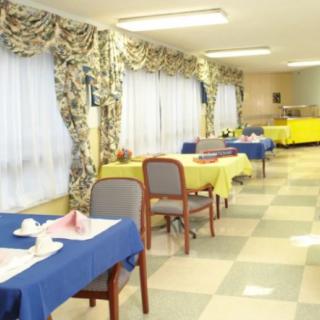
In positive reviews, residents and families say meals were enjoyable and that people were happy with the food, including comments that the food was good or even top notch. In negative reviews, food is described in harsh terms, including reports of food poisoning and complaints about meals not meeting basic expectations. The community offers restaurant-style dining and supports medically directed diets such as diabetes diets and special dietary restrictions, which is consistent with why some families judge dining against specific needs.
caveat
Cleanliness and upkeep get mixed reactions
Cleanliness is mentioned both as a strength and a serious concern.
Some reviewers describe the facility as clean, well maintained, and welcoming, with a comfortable environment during their stay. Others report the opposite, including complaints about dirty bathrooms, a run-down feel, or unpleasant conditions. Since nursing and daily assistance are central to a skilled nursing stay, these cleanliness concerns often accompany broader comments about attention to routine care. The listing includes housekeeping services and multiple personal-care supports, which are the kinds of day-to-day items reviewers are reacting to.
common
Activities and outings help engagement
Residents describe recreation and activities as part of life there.
A few reviews mention that entertainment and recreation staff do a good job decorating and involving residents and families in events. Others also note that residents have friends, enjoy activities, and have structured daily programming. While activity quality is not uniform across every review, the listing includes community-sponsored activities, resident-run activities, and planned day trips, supporting the idea that engagement is built into the routine.
caveat
Communication during recovery is debated
Family communication is a recurring point of frustration for some reviewers.
Some families say they receive prompt updates and feel reassured by how staff communicate about care. Others report difficulty reaching staff, long delays in getting answers, or being told information that did not match what they were seeing. Reviews also describe urgent situations where families felt discharge timing or care decisions needed more clarity. The listing includes 24-hour call system and transportation arrangement, which can be relevant when families are trying to get attention and coordinate needs.
How we summarize
We summarize when many written reviews mention each theme; a review can touch several themes, and only frequently mentioned themes are displayed.
Features
Housing
181 resident community capacity
Types of Care
Skilled Nursing Facility
Amenities
Air-conditioning
Beauty salon
Cable or satellite TV
Computer center
Dining room
Fitness room
Fully furnished
Gaming room
Garden
Housekeeping services
Kitchenette
Move-in coordination
Outdoor space
Private bathrooms
Restaurant-style dining
Small library
Telephone
Wellness center
Wi-Fi/high-speed internet available
Transportation
Fort Lauderdale-Hollywood International (7 miles away)
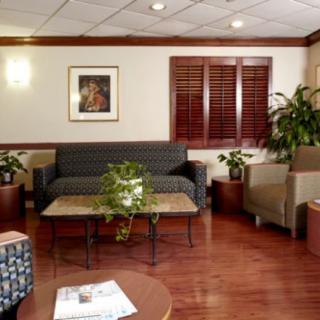
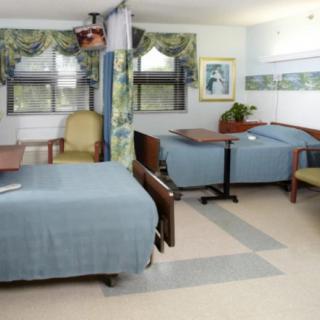
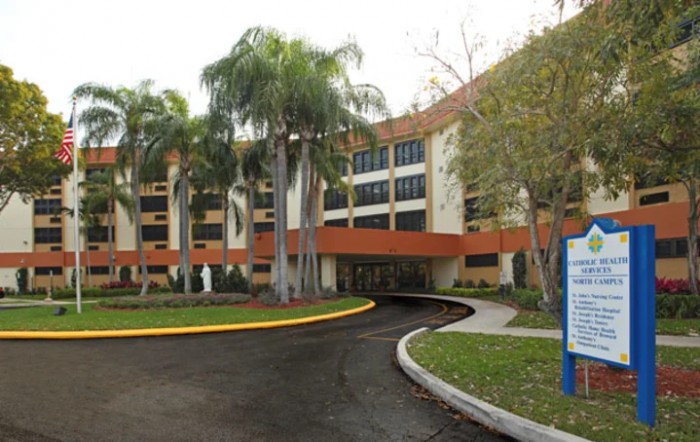
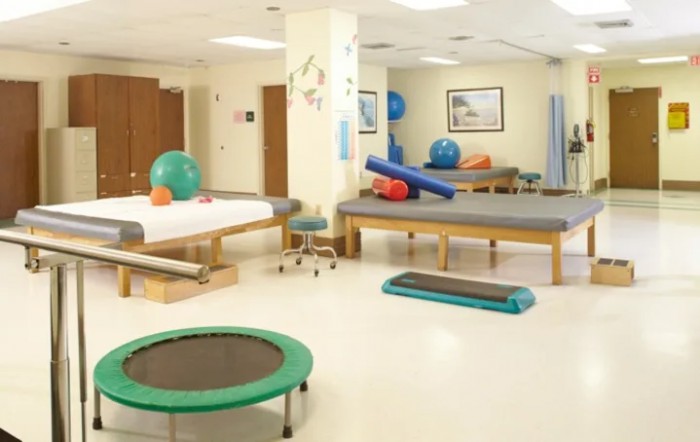
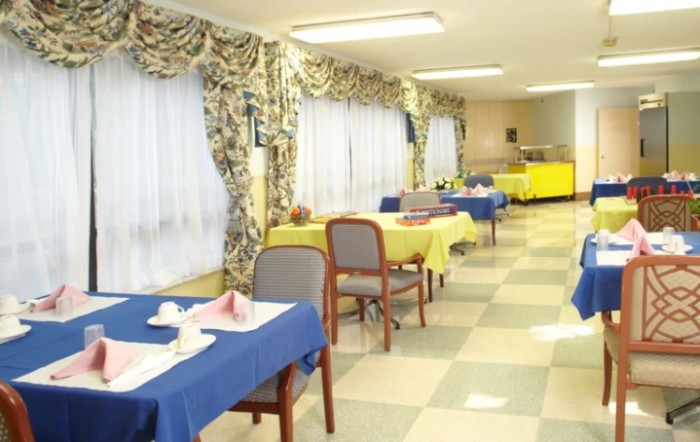
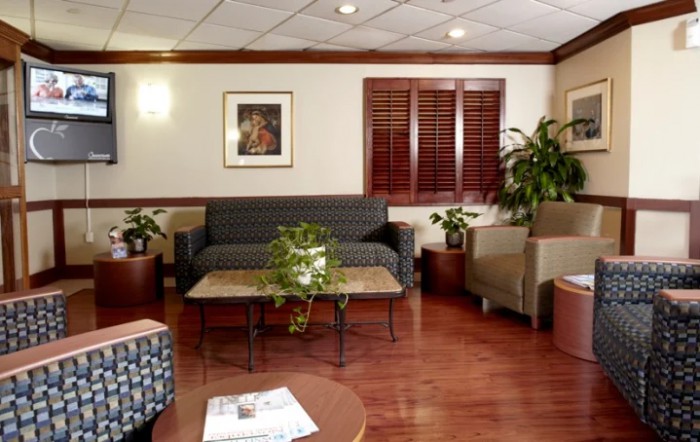
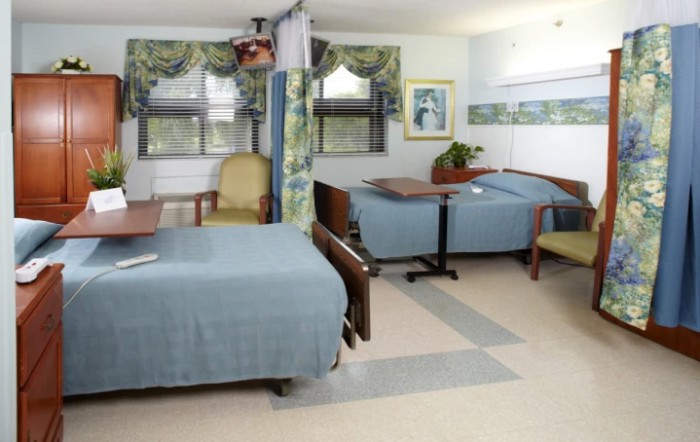
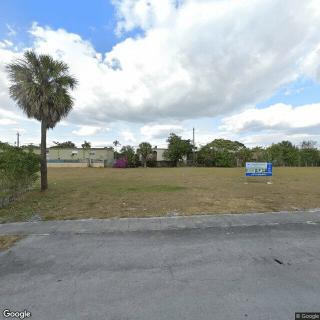
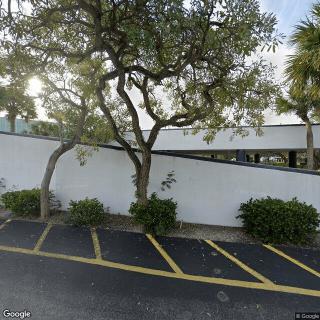
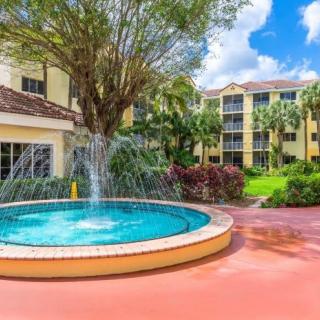
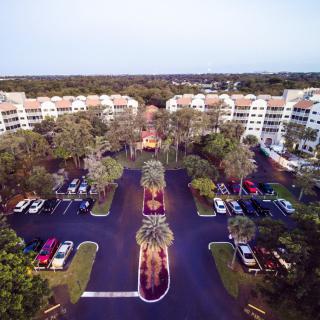
St Johns Nursing Center on seniors.fyi includes 5 photos including images showing exercise equipment, therapy room, fitness, dining, interior, artwork, healthcare, building, and more.
Nearby Communities
St. Joseph Residence
Lauderdale Lakes, FL
3.8 from 16 reviews
Extensive on-site amenities and comprehensive care
St Joseph's Residence
Fort Lauderdale, FL
3.5 from 15 reviews
$2,242 to $3,745 / month
Budget-friendly pricing with on-site amenities and care options.
Lauderhill Family Care
Fort Lauderdale, FL
4 from 1 review
Strong nearby amenities including parks, cafes, pharmacies, physicians, restaurants, transportation, and hospitals.
Lakes Active Senior Living
Fort Lauderdale, FL
5 from 5 reviews
Intimate, personalized care in a small community.
Assisting Hands Fort Lauderdale
Fort Lauderdale, FL
5 from 71 reviews
Consistent, personalized caregiver assignments that provide peace of mind for families.
Good Shepherd - ALF
Fort Lauderdale, FL
Homelike environment with furnished rooms and daily activities.
Oasis Living Quarters
Fort Lauderdale, FL
3.9 from 150 reviews
$3,195 to $5,295 / month
Friendly staff across dining, cleaning, activities, and maintenance; clean, recently renovated apartments with engaging activities.
The Preserve at Palm-Aire
Pompano Beach, FL
4.6 from 165 reviews
$2,840 to $6,825 / month
Caring staff, clean facilities, and engaging activities.
Pacifica Senior Living Forest Trace
Lauderhill, FL
4.4 from 246 reviews
$3,725 to $3,950 / month
Beautiful park-like grounds with friendly staff and spacious, well-equipped units plus ample activities.
Palliative care focuses on alleviating distress at any stage of a serious illness and can accompany curative treatments, while hospice care is for those nearing the end of life with a prognosis of six months or less, emphasizing comfort over curative measures. Both prioritize holistic care for patients and families but differ in timing, goals, and scope.
Fecal incontinence, prevalent among older adults, arises from factors like weakened pelvic muscles and nerve damage, significantly affecting well-being and social interactions. Diagnosis involves clinical evaluation and tests to inform tailored treatments, while caregivers and preventive measures can aid in managing the condition effectively.
Anticipatory grief is an emotional response to the impending loss of a loved one, characterized by complex emotions such as sadness and anger, and involves navigating stages similar to those identified by Kübler-Ross. Coping strategies are vital for managing this process, emphasizing compassionate communication, self-care, and support groups while recognizing the cultural influences on grieving.
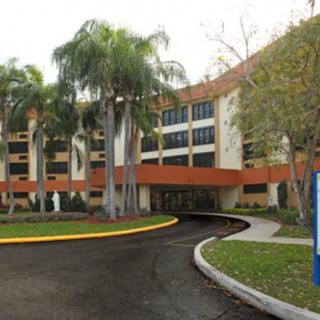
Landscaping, Building, Architecture, Entrance, and Palm Trees
Artwork
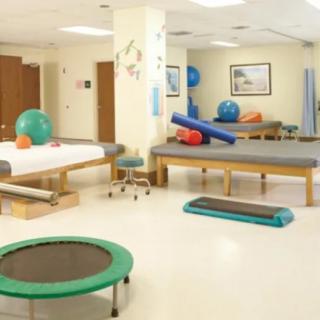
Exercise Equipment, Rehabilitation, Physical Therapy, Fitness, and Therapy Room
Healthcare
Get PricingAsk A QuestionSchedule A TourContact Senior Advisor
By clicking submit, you agree to our Partner's Terms of Use. You
also consent to receive calls and texts, which may be autodialed, from our Partner. Your consent is not a condition to
using our Partner's service. Please visit our Partner's Privacy Policy for information about their privacy practices.

 181 resident community capacity
 Skilled Nursing Facility
 Air-conditioning
 Beauty salon
 Cable or satellite TV
 Computer center
 Dining room
 Fitness room
 Fully furnished
 Gaming room
 Garden
 Housekeeping services
 Kitchenette
 Move-in coordination
 Outdoor space
 Private bathrooms
 Restaurant-style dining
 Small library
 Telephone
 Wellness center
 Wi-Fi/high-speed internet available
 Fort Lauderdale-Hollywood International (7 miles away)
 Community operated transportation
 12-16 hour nursing
 24-hour call system
 Activities of daily living assistance
 Assistance with bathing
 Assistance with dressing
 Assistance with transfers
 Diabetes diet
 Medication management
 Mental wellness program
 Special dietary restrictions
 Concierge services
 Planned day trips
 Extensive on-site amenities and comprehensive care


 Understanding the Nuances of Palliative Care and Hospice: A Comprehensive Exploration
 Fecal Incontinence in Older Adults: A Comprehensive Guide
 Recognizing the Journey: Understanding and Navigating Anticipatory Grief