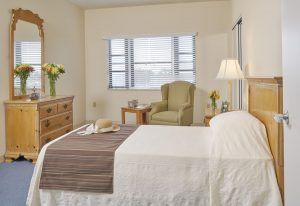
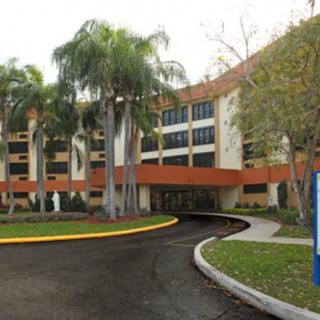
3485 North West 30th Street, Lauderdale Lakes, FL 33311
For more information about senior living options: (866) 208-4318
Overall Review of St. Joseph Residence
Pros
 She felt at home in her private 1-bedroom apartment with a balcony.
- She was happy to have a small on-site chapel and attended Mass and rosary.
- The staff were very helpful and pleasant, and she connected with many residents.
- The facility was clean, well-maintained, and free of odors.
- It offered good value for the money and felt safe.
- The nursing staff, aides, front desk, and maintenance were consistently nice and helpful.
- The coordinators Elaine and Michaelle were very helpful to the family.
Cons
 One reviewer reported that a resident was found head to toe in urine with belongings not unpacked, and no staff available to assist.
- The reviewer said the overall care quality was poor, stating that the care “stinks” even though the facility was appealing.
- The director was described as intimidating, a control freak, petty, and vindictive, allegedly trying to take away the resident’s voice and rights.
- The facility refused to refund the resident’s first, last, and deposit.
- The reviewer had to pack the resident up and remove her from the facility the same day due to these issues.
Review
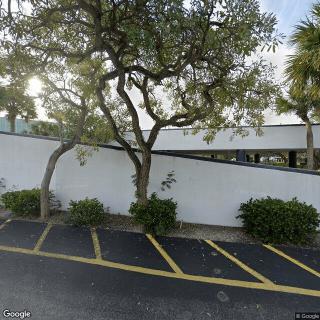
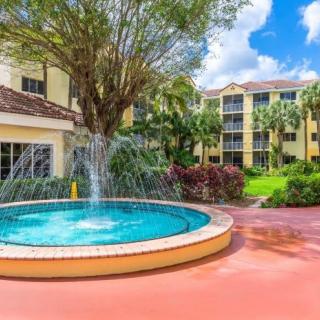
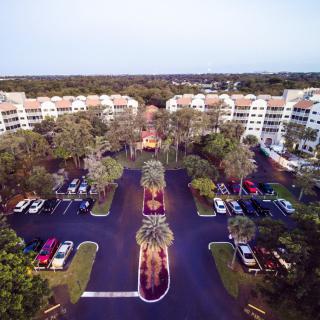
St. Joseph Residence in Lauderdale Lakes is best suited for seniors who want a warm, home-like, faith-centered environment with a private apartment option, a modest price tag, and meaningful opportunities for daily connection. Residents commonly appreciate a one-bedroom layout with a small kitchen and a balcony that supports independence while still offering the security of a 24/7 staff presence. The on-site chapel and regular religious programming, mass and rosary, provide a meaningful anchor for families seeking a life that accommodates spiritual practice alongside daily living. For households prioritizing social ties, easy access to care, and a neighborhood atmosphere over luxury finishes, this community often hits the right balance.
Those who may want to consider alternatives are those with higher medical acuity or demanding care needs, or families unwilling to tolerate occasional management-related tensions. The most serious red flags from the resident experiences describe lapses in responsiveness and oversight, particularly in scenarios of acute need or during transitions. An aging building with fewer “frills” can feel limiting for families seeking modern amenities or heightened privacy. In short, this is not the place for families requiring top-tier care continuity, highly proactive clinical management, or a perfectly seamless operations machine every day.
The strongest pros here are tangible and repeatedly observed: residents move into a comfortable private apartment, and the setting remains clean and well maintained. The chapel and daily religious routine stand out as a distinctive benefit, offering continuity of practice that matters to many families. Food is described as decent, and the kitchen setup, shared with a nearby rehab hospital, often translates into varied menu options and communal dining choices. Laundry assistance on a weekly schedule, along with staff who are generally attentive and personable, reinforces a sense of daily support. For many families, the value proposition is boosted by friendly coordinators in marketing and social services, and by a staff who seem genuinely available to lend a hand when needed.
Yet the cons are significant enough to warrant careful weighing. A few families report disturbing incidents where care fell short, belongings left unpacked, a resident who appeared unclean or unsafe, and difficulties obtaining timely help. Complaints about management style, described as intimidating or controlling, along with issues around refunds for deposits, paint a picture of inconsistency at the top levels. The facts suggest that while the facility’s day-to-day environment can be kind and capable, the quality of its leadership and responsiveness varies and can pose real risks during emergencies or complex care transitions. The older physical plant also means fewer high-end amenities and potentially less flexibility for evolving care needs over time.
These pros offset the main cons only when families bring closely coordinated oversight and clear expectations to the table. The combination of a home-like apartment, steady religious programming, robust social interaction, and a reputational emphasis on staff warmth can create a comforting, low-stress backdrop for residents who do not require intensive medical supervision. The near-hospital adjacency and the presence of a rehab partner can be a practical support if physical therapy or short-term recuperation becomes relevant, mitigating some concerns about access to allied services. Importantly, strong social services contact and a track record of helpful staff can translate to a well-managed daily life, provided leadership stability remains evident and accountability is maintained.
The practical verdict is decisive. St. Joseph Residence offers a solid fit for families seeking a community with heart, faith-based routines, and a cost-conscious footprint, where residents can feel known and supported in a familiar, modest setting. It is not the right choice for those whose top priority is flawless, always-on clinical management or modern, luxury-like accommodations. Prospective families should conduct thorough due diligence: meet several staff members, review recent incident histories, ask pointed questions about staffing ratios and responses to medical needs, and consider a trial or short-term stay to judge whether the day-to-day pace aligns with expectations. In the right circumstances, this residence can be a comforting, livable home, one that keeps residents engaged, connected, and cared for, without pretending to be something it is not.
 90 resident community capacity
 Assisted Living
 Air-conditioning
 Beauty salon
 Cable or satellite TV
 Computer center
 Dining room
 Fitness room
 Fully furnished
 Gaming room
 Garden
 Housekeeping services
 Kitchenette
 Move-in coordination
 Outdoor space
 Private bathrooms
 Restaurant-style dining
 Small library
 Telephone
 Wellness center
 Wi-Fi/high-speed internet available
 Fort Lauderdale-Hollywood International (7 miles away)
 Community operated transportation
 24-hour call system
 Activities of daily living assistance
 Assistance with bathing
 Assistance with dressing
 Assistance with transfers
 Diabetes diet
 Medication management
 Special dietary restrictions
 Concierge services
 Planned day trips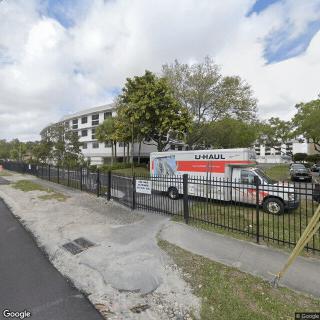


 Assisted Living Support for Veterans: A Complete and Detailed Overview
 Exploring the Contrasts Between Assisted Living and Skilled Nursing
 8 Key Indicators That Suggest It May Be Time to Transition from Assisted Living to Skilled Nursing Care