For more information about senior living options: (866) 208-4318
2.7 from 97 reviews
5 stars
34
4 stars
7
3 stars
1
2 stars
7
1 stars
48
Overall Review of Boca Raton Rehabilitation Center
common22 reviews mention this
Care and compassion split opinions
Residents describe both very caring staff and moments when communication and bedside attention fall short.
Many reviewers talk about staff showing up for residents with kindness, responsiveness, and respectful treatment. Several families also mention nurses, CNAs, and therapy staff taking time to address concerns, explain care, or help residents feel comfortable.
At the same time, a substantial set of reviews criticize staff for not answering phones, not providing timely help, or failing to communicate with families during medical changes. Some reviews also describe behavior they felt was unprofessional or dismissive, which directly conflicts with the more positive accounts.
differentiator14 reviews mention this
Therapy is the strongest theme
Physical and occupational therapy receives more praise than any other day-to-day service residents discuss.
A clear pattern in the reviews is that therapy teams make a noticeable difference, with multiple residents and families describing progress in mobility and strength. Several reviewers specifically call out physical therapy and occupational therapy as knowledgeable, attentive to individual needs, and focused on returning residents to function.
Even among more critical reviews, at least a few still single out therapy staff as doing well when nursing or operations were described as lacking. That overall split makes therapy one of the more consistently discussed strengths.
caveat18 reviews mention this
Cleanliness is a recurring concern
Cleanliness comes up repeatedly in the reviews, including strong complaints about odors and rooms.
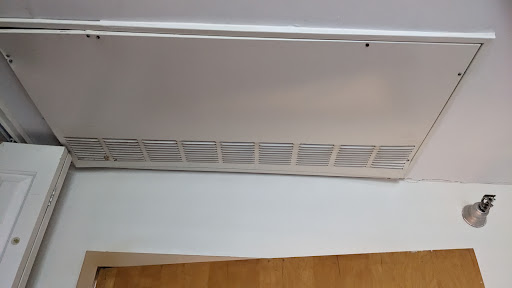
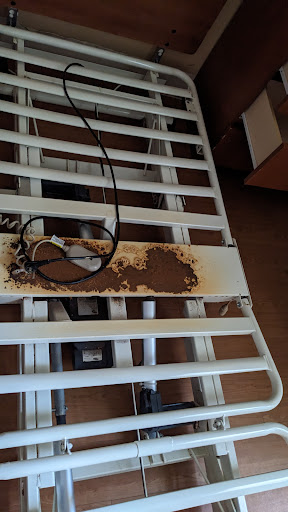
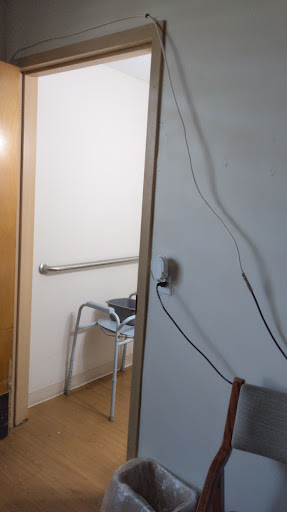
Some reviewers describe the facility as clean and well kept, including comments about rooms and linens. Others, however, write detailed complaints about smells, soiled conditions, and visible messes that they felt were not handled promptly.
Because the negative reviews include problems like soiled linens and rooms left in poor condition, cleanliness appears to be an area where experiences vary widely across stays. That makes it a practical question for anyone considering a visit.
caveat17 reviews mention this
Communication and phone access vary
Multiple reviewers say families struggle to reach the center and to get timely updates.
Several reviews complain that calls to the facility go unanswered or that staff are slow to respond when families request information. Other accounts describe delayed or missing communication about care plans, medication timing, and doctor visits.
Even in reviews that praise care, communication is still mentioned as something families watch closely—some describe quick attention to concerns, while others say families felt left in the dark. Overall, how reliably families can get answers is one of the more consistently discussed friction points.
common2 reviews mention this
Close to medical care
Reviewers point to the center’s proximity to hospital care as a practical advantage.
At least a couple of reviewers mention the location near hospital services as part of why they felt comfortable choosing the facility. That aligns with the nearby hospital options listed in the surrounding area, including a women’s health center about 0.1 miles away and a major neuroscience institute about 0.1 miles away.
Because this benefit is mentioned far less often than staffing or therapy, it looks more like an informational tie-in than a theme residents rely on in everyday care.
How we summarize
Counts show how many written reviews mention each theme; a review can touch several themes, and only frequently mentioned themes are displayed.
Features
Housing
120 resident community capacity
Types of Care
Skilled Nursing Facility
Amenities
Air-conditioning
Beauty salon
Cable or satellite TV
Computer center
Dining room
Fitness room
Fully furnished
Gaming room
Garden
Housekeeping services
Kitchenette
Move-in coordination
Outdoor space
Private bathrooms
Restaurant-style dining
Small library
Telephone
Wellness center
Wi-Fi/high-speed internet available
Transportation
Fort Lauderdale-Hollywood International (20 miles away)
Palm Beach International (22 miles away)
Community operated transportation
Transportation arrangement
Transportation arrangement (non-medical)
Transportation to doctors appointments
Care Services
12-16 hour nursing
24-hour call system
24-hour supervision
Activities of daily living assistance
Assistance with bathing
Assistance with dressing
Assistance with transfers
Diabetes diet
Meal preparation and service
Medication management
Mental wellness program
Special dietary restrictions
Dining
Diabetes diet
Special dietary restrictions
Activities
Community-sponsored activities
Concierge services
Fitness programs
Planned day trips
Resident-run activities
Scheduled daily activities
Nearby Places of Interest
This part of Boca Raton, Florida, offers a convenient and accessible location with a variety of amenities nearby. The Christine E. Lynn Womens Health Center and Baptist Health Marcus Neuroscience Institute provide quality healthcare options within close proximity. There are also several pharmacies in the area for easy access to medication. In terms of dining options, there is a range of restaurants offering diverse cuisines to suit different tastes. Additionally, there are cafes for socializing and enjoying a cup of coffee. For entertainment, residents can visit the nearby theaters for movies or explore the parks for outdoor activities. Places of worship like Congregation B'nai Israel and B'nai Torah Congregation cater to spiritual needs as well. Overall, this neighborhood offers a well-rounded living environment with everything one might need within reach.
Hospitals
Christine E. Lynn Womens Health Center (0.1 miles)
West Boca Medical Center (6 miles)
Physicians
Baptist Health Marcus Neuroscience Institute | Boca Raton (0.1 miles)
Boca General & Family Medicine (0.3 miles)
Retina Group of Florida (0.3 miles)
Aker Kasten Eye Center (0.8 miles)
Steiger Facial Plastic Surgery: Dr. Jacob D. Steiger (1.1 miles)
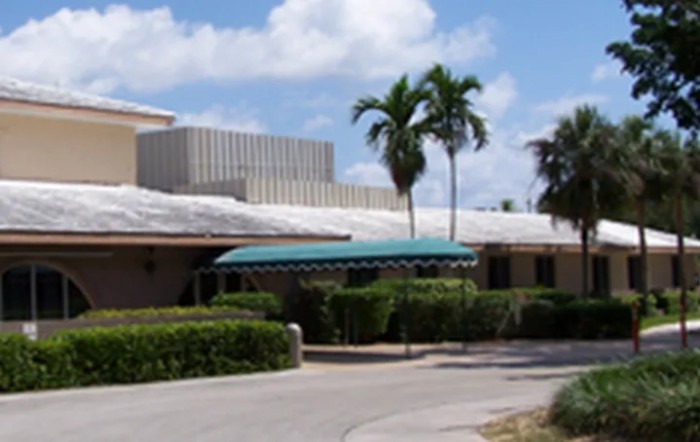
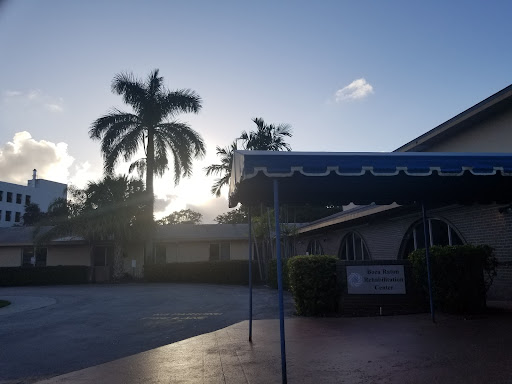
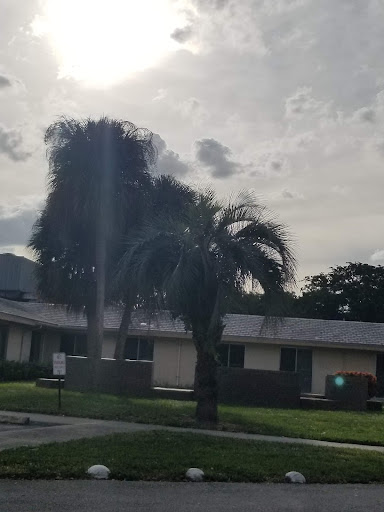
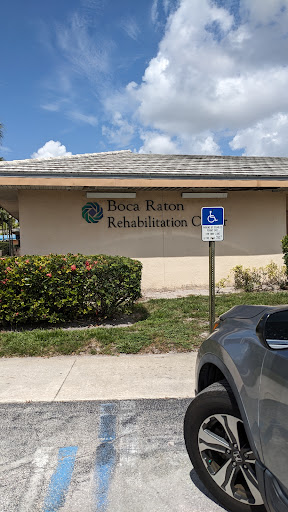
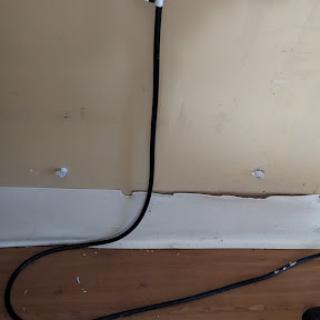
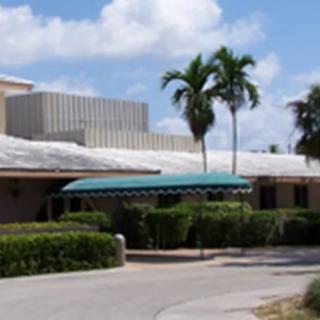
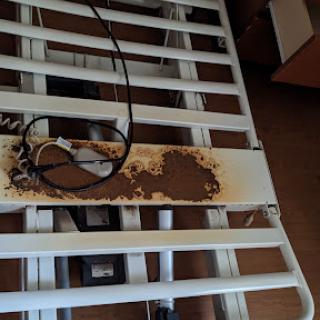
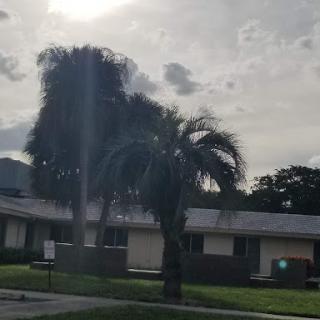
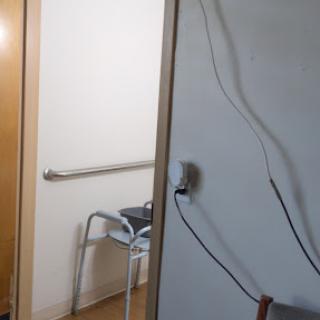
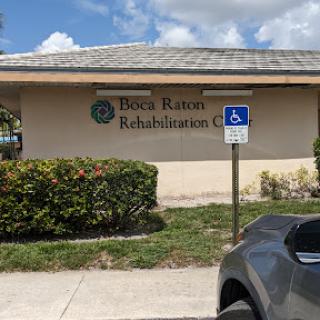
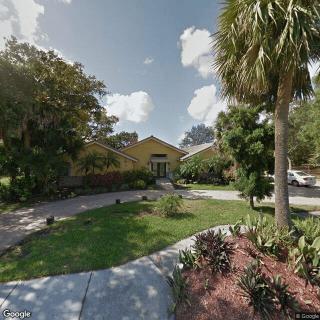
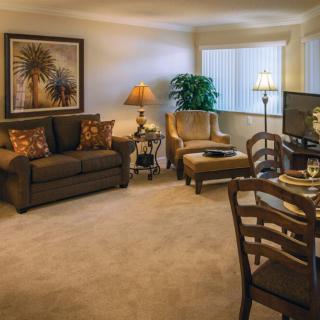
Boca Raton Rehabilitation Center on seniors.fyi includes 8 photos including images showing building, palm trees, interior, landscaping, awning, outdoor, parking, bedroom, and more.
Nearby Communities
Boca Raton Rehab Ctr
Boca Raton, FL
2.5 from 91 reviews
Caring staff, effective therapy, and clean rooms.
The Atrium at Boca Raton
Boca Raton, FL
4.1 from 135 reviews
$2,800 to $4,500 / month
Friendly staff and engaging activities in a hotel-like setting.
Avante Terrace At Boca Raton
Boca Raton, FL
3.1 from 117 reviews
Comprehensive high-acuity and diabetes care with 24/7 supervision and engaging activities.
Cynthia Gardens
Boca Raton, FL
4.8 from 108 reviews
Exceptional staff, quality meals, engaging activities, and good value.
Havencrest on the Lake
Boca Raton, FL
4.2 from 9 reviews
$5,500 / month
Small, intimate assisted living with private rooms and full care services.
Health Force Inc
Boca Raton, FL
1 from 1 review
Excellent access to nearby dining, parks, healthcare, worship, and entertainment.
Willowbrooke Court At St Andrews
Boca Raton, FL
3.2 from 12 reviews
Beautiful grounds and modern facilities with diverse amenities.
Five Star Premier Residences Of Boca Raton
Boca Raton, FL
4.6 from 94 reviews
$4,250 to $5,350 / month
Warm staff in a welcoming, activity-rich community with comfortable spaces.
Brighton Gardens Of Boca Raton
Boca Raton, FL
4.3 from 26 reviews
Comprehensive care options (incl. memory care) with 24/7 supervision.
Hospice care focuses on providing comfort and support for individuals nearing the end of life, with Medicare Part A covering services like nursing care and counseling for patients with a terminal illness and a life expectancy of six months or less. While most hospice services are low-cost for eligible patients, families should be aware that certain expenses, such as room and board, may not be covered.
Caregiver burnout is a common issue resulting from the intense physical, emotional, and mental demands of caregiving, leading to symptoms like fatigue and social withdrawal. To prevent burnout, caregivers should recognize early warning signs and implement self-care strategies, seek support, and prioritize their own well-being alongside that of those they care for.
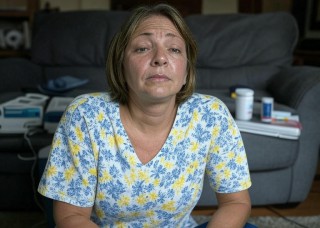
Caregiver exhaustion, or burnout, stems from the relentless demands of caregiving, leading to emotional and physical depletion characterized by stress, frustration, and neglect of personal needs. Addressing this burden is essential to prevent long-term consequences, with early recognition and support being crucial for caregivers to maintain balance and implement self-care.
Get PricingAsk A QuestionSchedule A TourContact Senior Advisor
By clicking submit, you agree to our Partner's Terms of Use. You
also consent to receive calls and texts, which may be autodialed, from our Partner. Your consent is not a condition to
using our Partner's service. Please visit our Partner's Privacy Policy for information about their privacy practices.


 120 resident community capacity
 Skilled Nursing Facility
 Air-conditioning
 Beauty salon
 Cable or satellite TV
 Computer center
 Dining room
 Fitness room
 Fully furnished
 Gaming room
 Garden
 Housekeeping services
 Kitchenette
 Move-in coordination
 Outdoor space
 Private bathrooms
 Restaurant-style dining
 Small library
 Telephone
 Wellness center
 Wi-Fi/high-speed internet available
 Fort Lauderdale-Hollywood International (20 miles away)
 Community operated transportation
 12-16 hour nursing
 24-hour call system
 Activities of daily living assistance
 Assistance with bathing
 Assistance with dressing
 Assistance with transfers
 Diabetes diet
 Medication management
 Mental wellness program
 Special dietary restrictions
 Concierge services
 Planned day trips
 Caring staff, effective therapy, and clean rooms.



 Comprehensive Guide to Medicare Coverage for Hospice Care
 Caring for Those Who Care: Recognizing, Understanding, and Overcoming Caregiver Burnout
 Caregiver Exhaustion: Recognizing the Signs and Restoring Your Well-Being