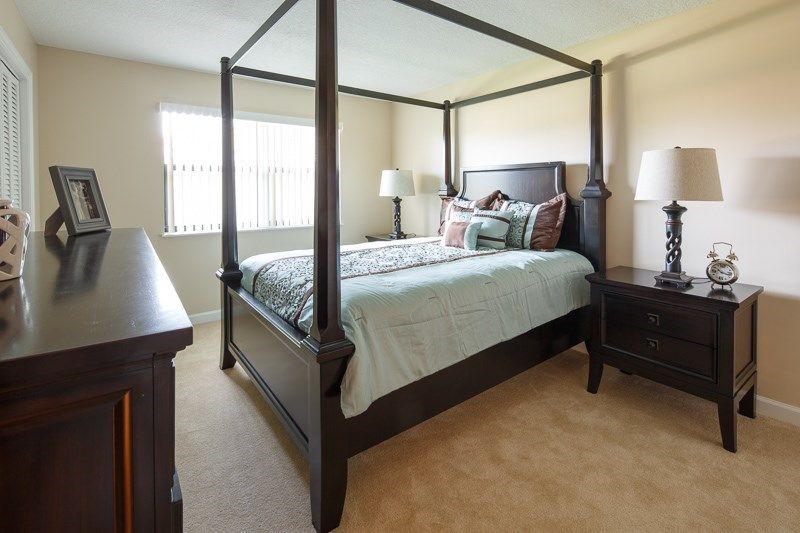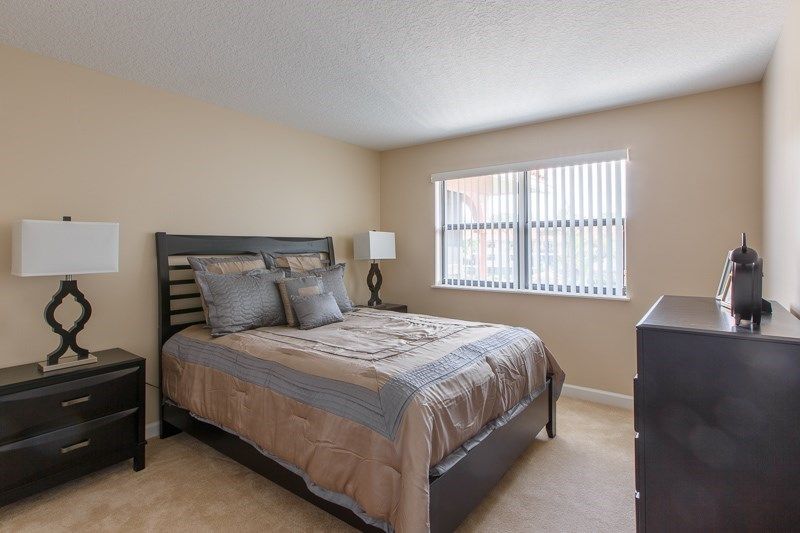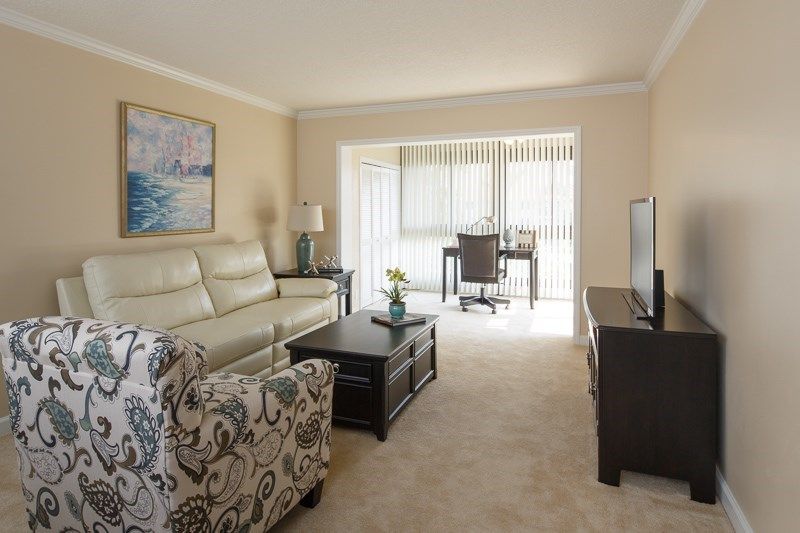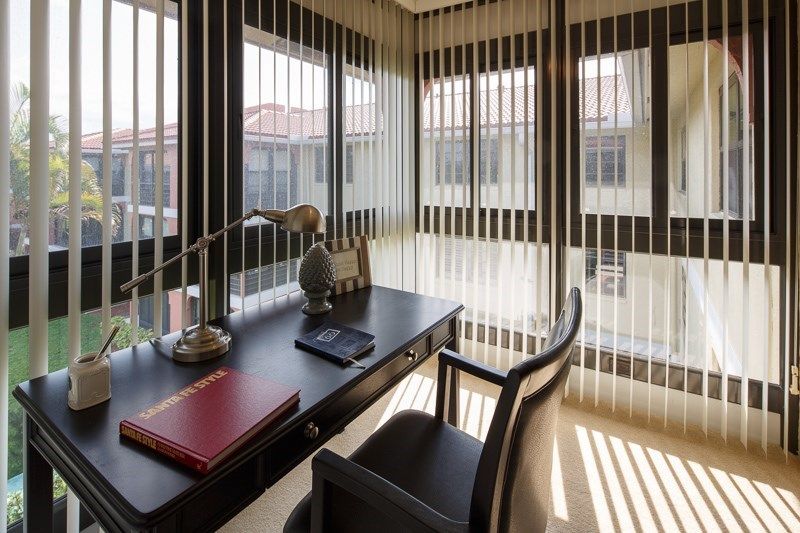





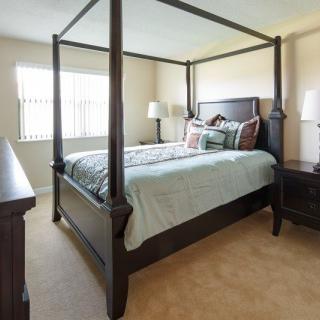

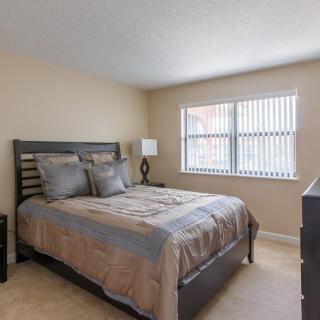


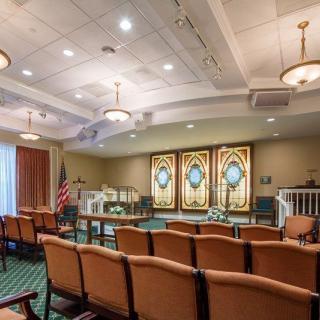


6152 North Verde Trail, Boca Raton, FL 33433
For more information about senior living options: (866) 208-4318
Overall Review of Willowbrooke Court At St Andrews
Pros
 St. Andrews Estates is very nice, clean, and homey, with super nice people and plenty of activities.
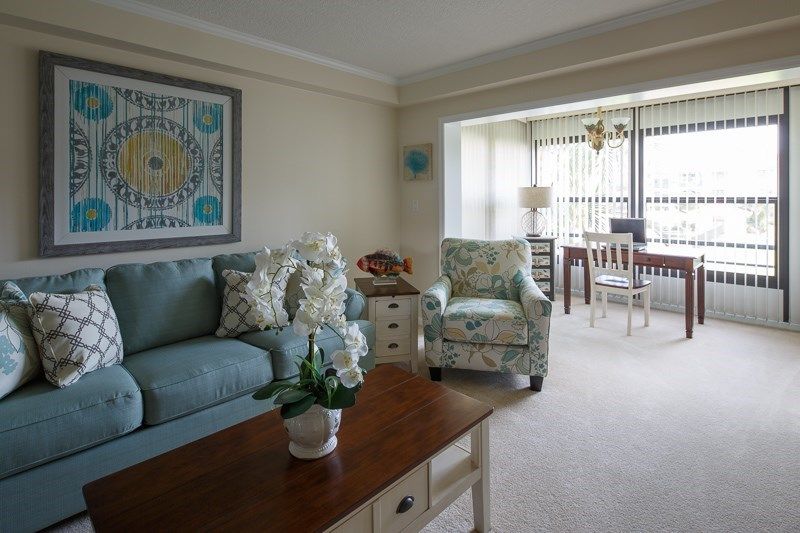
 - The independent living facility on the property offers luxury condo living with lifetime health care at a reasonable cost, providing peace of mind about medical care and debt.
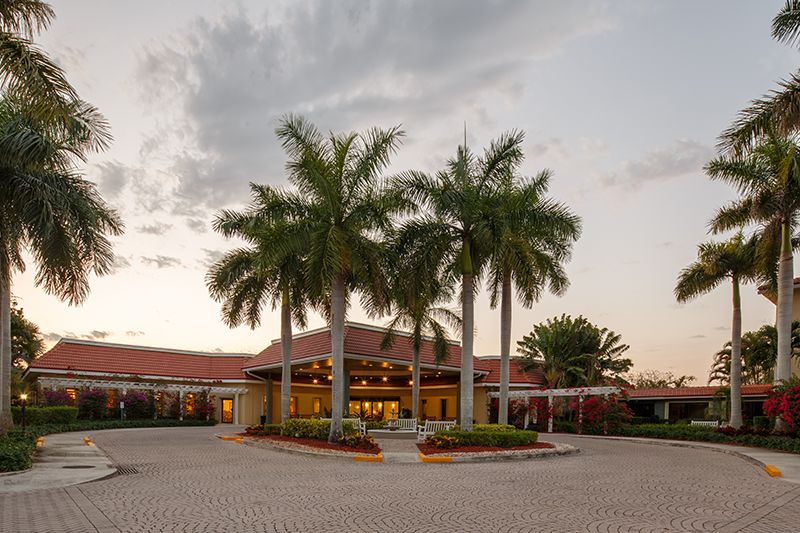
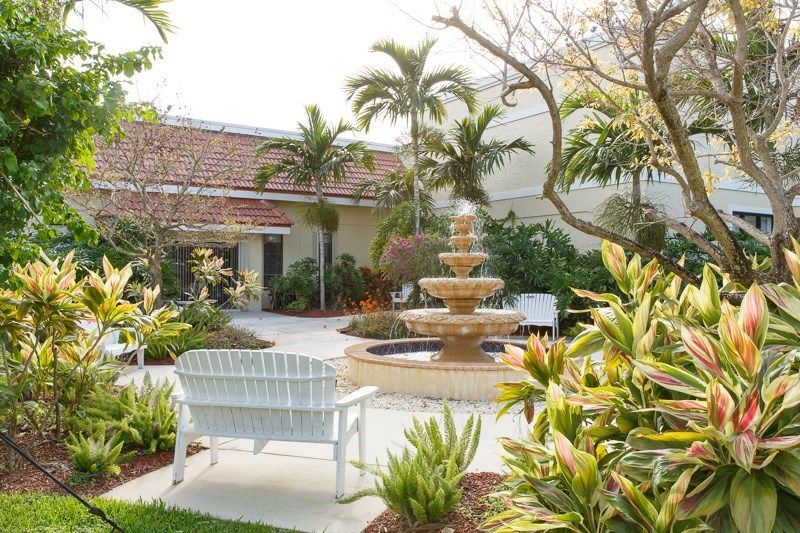
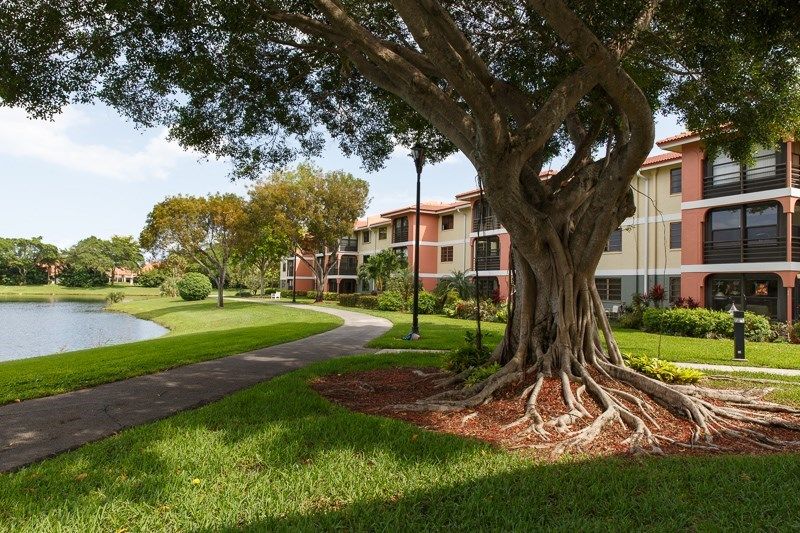
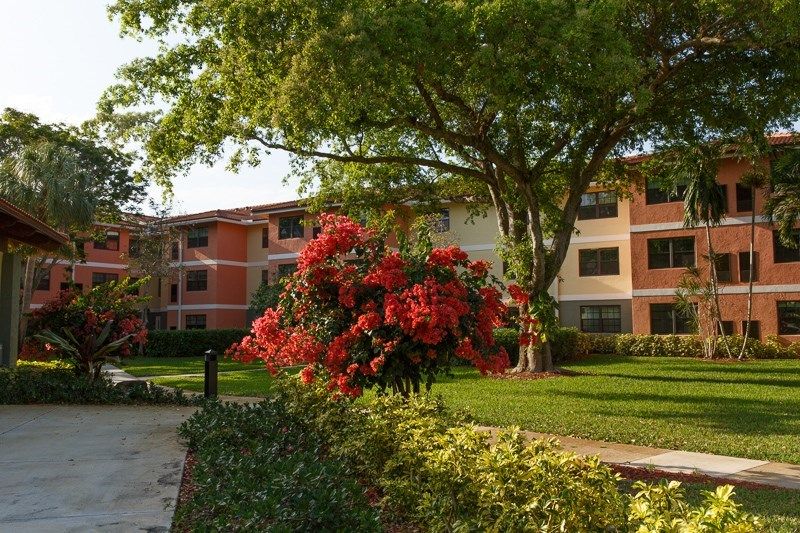
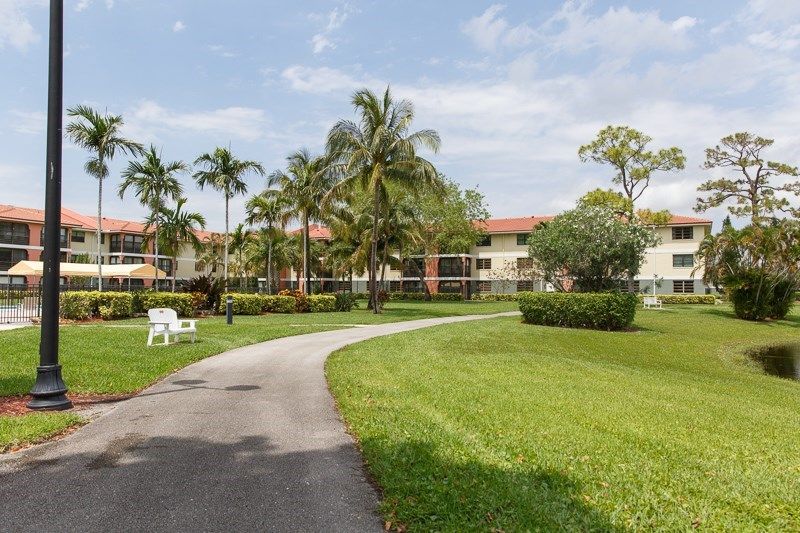
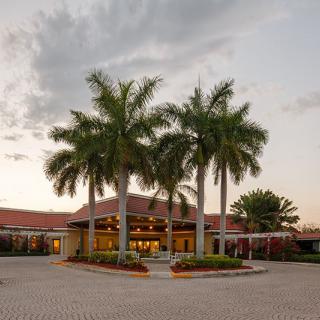
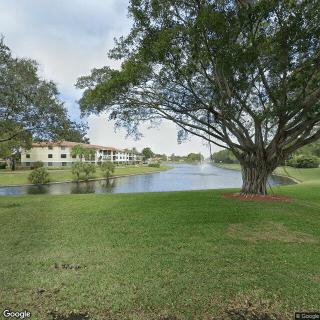
- The property is beautifully landscaped with fountain-filled lakes and beautiful birds.
- Willowbrooke Court at St. Andrews is highly praised for its amazing staff, including Carol the Charge Nurse and Kathy LPN, who go above and beyond for residents.
- The caregiving team is described as loving and supportive, with CNAs delivering remarkable, hands-on service.
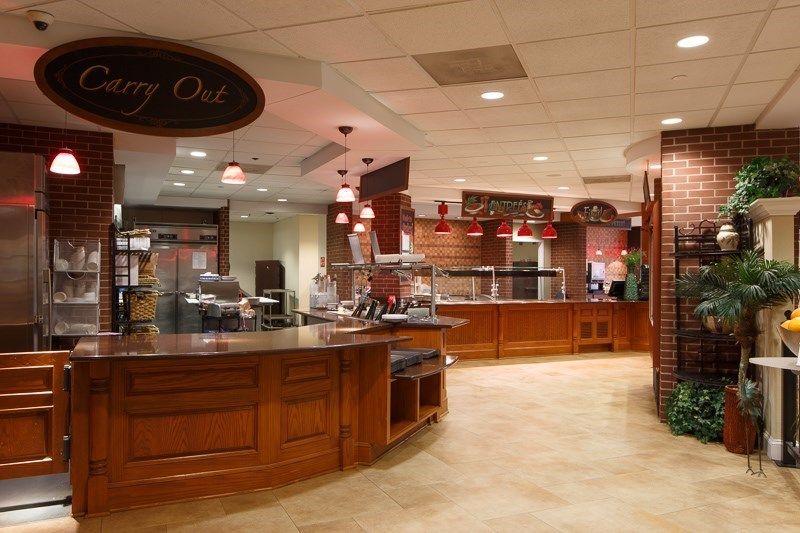
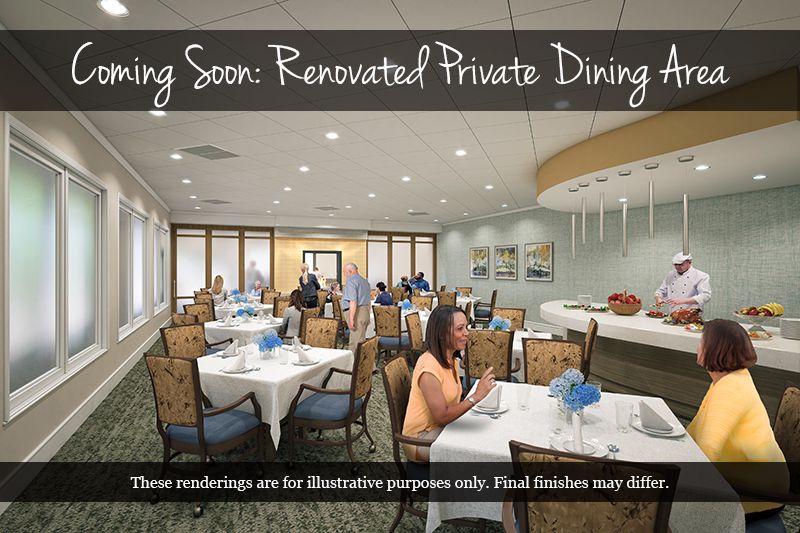
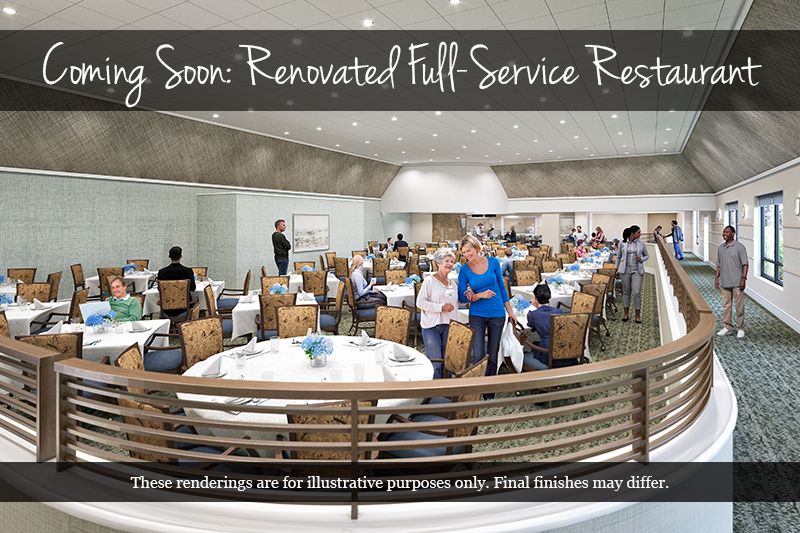
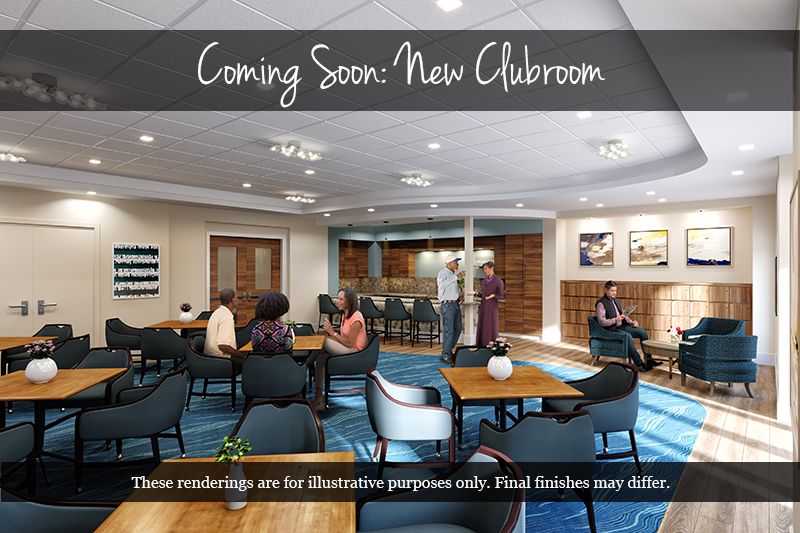
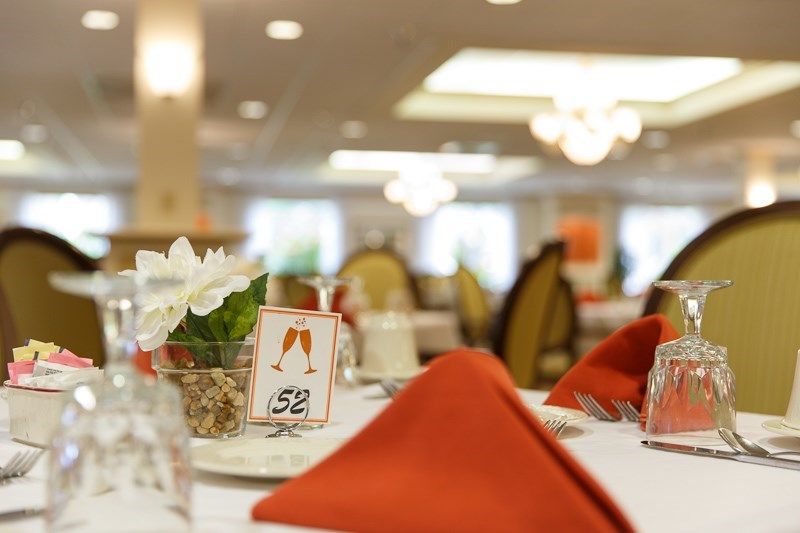
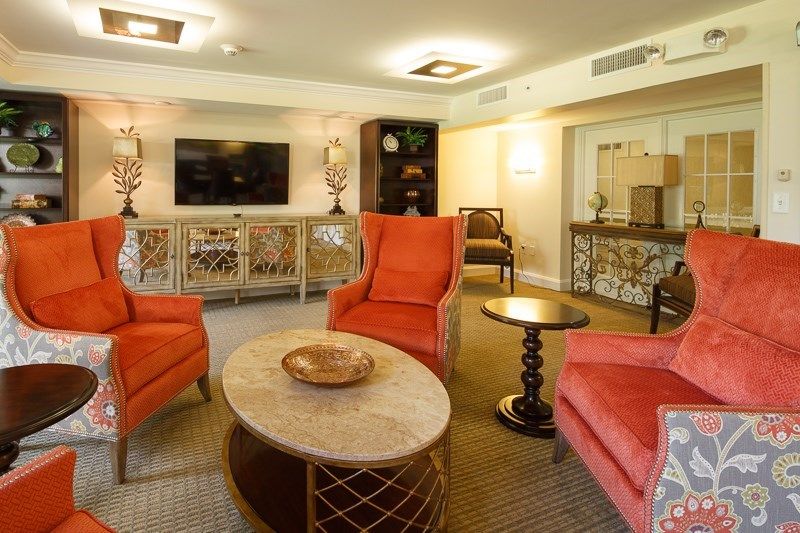
- The dining facilities are beautiful, with lots of activities and frequent events such as movies and opera outings.
- Willowbrooke Court is portrayed as luxurious, very clean, and well-staffed with aides, nurses, and doctors on duty 24/7.
Cons
 The staff were the most unfriendly and uncaring the observer had ever seen.
- The dining room staff were the worst, with residents waiting a long time for their food and often not getting what they chose.
- The directors never answered phone calls or returned messages.
- Staff would walk by residents when asked for help and not bother to assist.
- They pushed a resident to continue walking even when she couldn't, contributing to a decline in health.
- The condo policy takes the condo after payment, denying the family the right to inherit or sell it.
- A 102-year-old resident was found exhausted, lying on the floor for two days with no timely assistance.
Review
Willowbrooke Court at St. Andrews is best suited for families that want a campus approach to care where skilled nursing is on site and the broader St. Andrews community can support evolving medical needs. It works well for seniors who value ready, around-the-clock nursing attention and the sense that a dedicated care team can pull together when needed. The strongest case is for families willing to tolerate inconsistent administrative follow-through in exchange for hands-on care from nurses, CNAs, and therapists who, in certain shifts, show genuine warmth and engagement with residents.
Alternatives are worth considering for several types of families. If reliable front-desk communication and steady, proactive leadership matter most, this campus becomes harder to rely on, given repeated notes of disorganized administration and high turnover at the top levels. Couples aging together but needing different levels of care also warrant looking elsewhere, since continuity across care lines on this site can be awkward or costly. Finally, families who demand a uniformly courteous dining and service platform across every shift may want to compare other communities with a more consistently high customer-service profile.
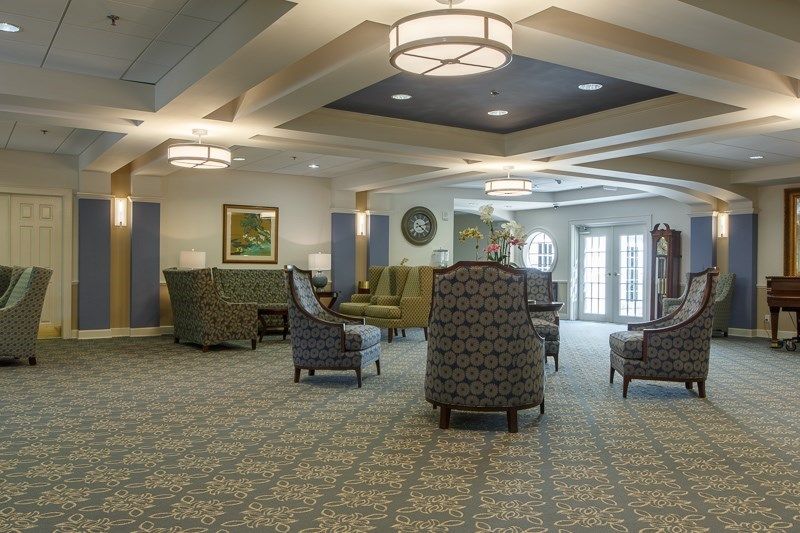
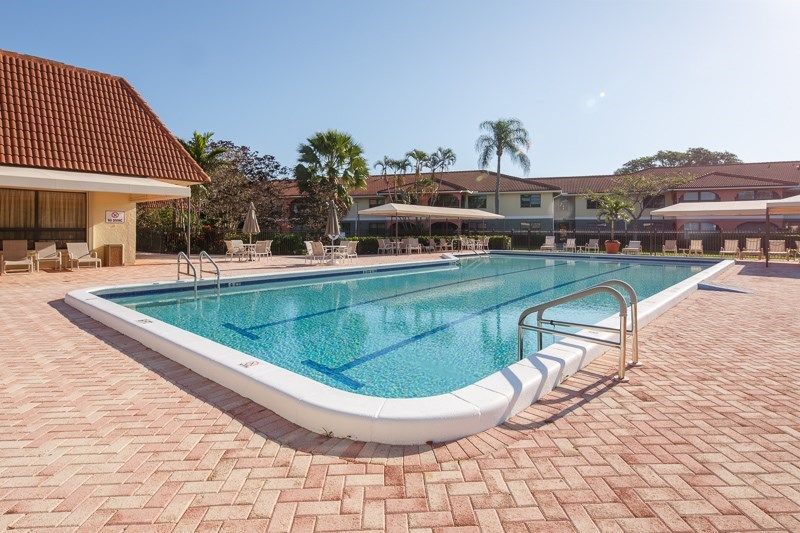
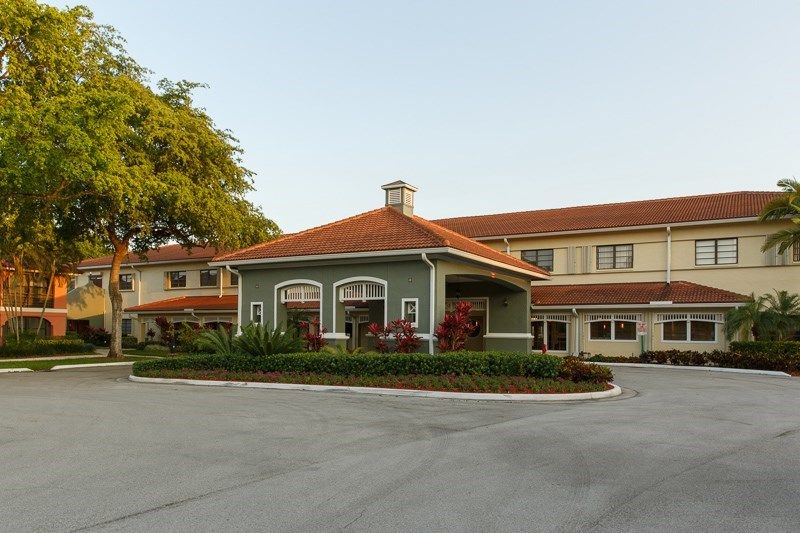
On the upside, the strongest, most persuasive pros lie in the direct caregiving relationships and the on-site continuum: a 24/7 staffing reality with nurses and CNAs who can be deeply attentive to daily needs, plus a culture of engaged caregivers who connect with families. When memories of excellent frontline care surface, they hang over the campus like a tangible assurance, the kind of care that can help a resident eat better, participate in activities, and feel genuinely attended to. Several residents and family members praise specific staff members who made a difference, and the campus environment, clean, well-kept, and aesthetically appealing, supports a respectable quality of life. For families weighing medical stability and the reassurance of on-site professionals, these elements carry meaningful weight.
Yet the core drawbacks are substantial and cannot be dismissed. The most persistent critique centers on the administrative layer: delayed or unresponsive directors, inconsistent communication, and a perception that decision-makers are detached from day-to-day resident experience. Reports of long meal waits, forks of frustration between residents and kitchen staff, and episodes where calls or visits from administration never arrive create an ongoing risk that needs deliberate mitigation. Safety and quality concerns surface in the most troubling terms: a resident suffering a fall, a late response to a critical health issue, and a sense that one or two shifts can feel uncaring or inattentive. These are not minor annoyances; they impact daily dignity and trust.
Those who must balance these realities will struggle if only the top-line marketing or the glossy common areas are considered. The pros, genuine frontline care, a prepared nursing presence, and a lively, activity-rich campus, can offset many worries when backed by reliable administration and consistent leadership. When they are not, however, the same pros fail to fully counterbalance the lived experience of slow responsiveness, mixed staff morale, and episodic lapses in oversight. In practical terms, Willowbrooke Court at St. Andrews should be evaluated as a campus with strong caregiving potential but with notable governance risks that families must actively probe before committing.
For families visiting, the recommended playbook is clear: request to meet with multiple members of the care team, not just the front-desk staff; insist on speaking with the administrator about discharge planning, care coordination, and escalation processes; ask to observe a mealtime and a shift change to gauge consistency; verify current bed availability and the cost implications of a private versus shared room; and explore whether a specific public-facing promise from administration matches the day-to-day experience of residents. If a single-room preference or a desire for seamless aging-in-place across levels is non-negotiable, be prepared to compare with CCRCs or other local options that emphasize both strong frontline care and steadier administrative execution.
 89 resident community capacity
 Continuing Care Retirement Community (CCRC)
 Skilled Nursing Facility
 Air-conditioning
 Beauty salon
 Cable or satellite TV
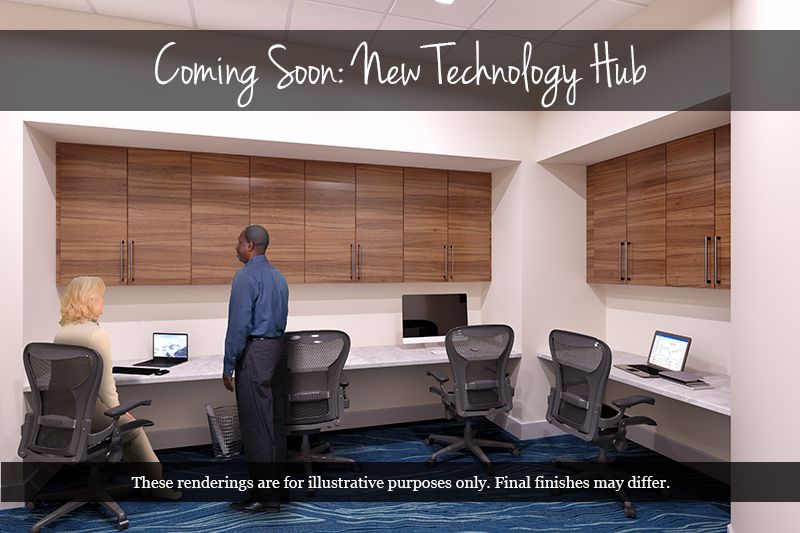
 Computer center
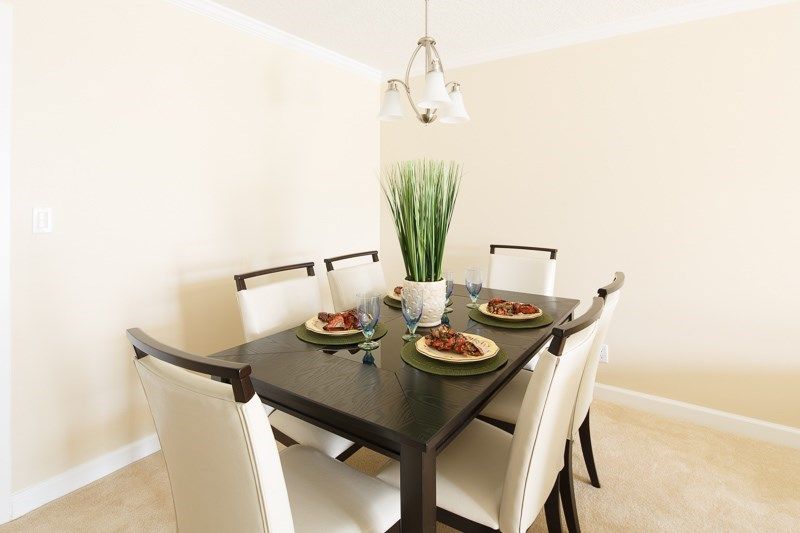
 Dining room
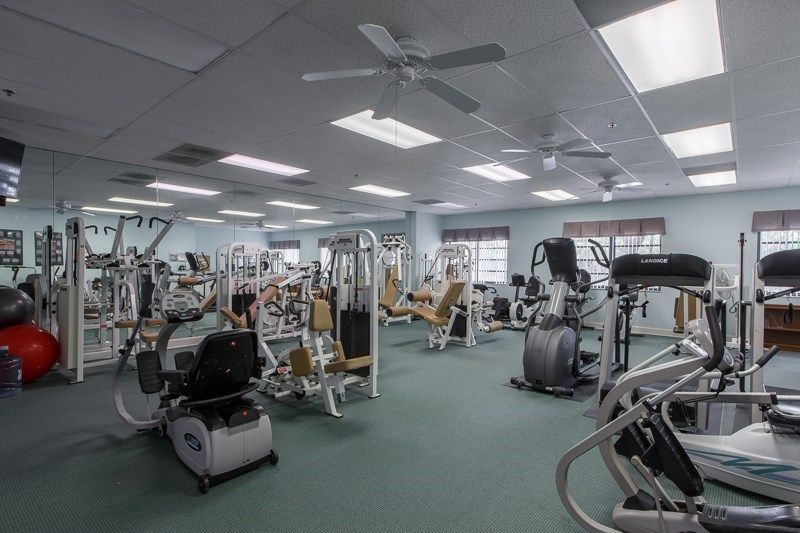
 Fitness room
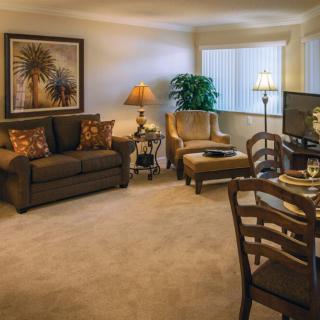
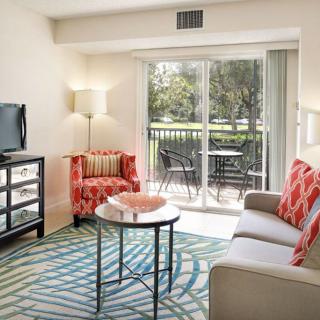
 Fully furnished
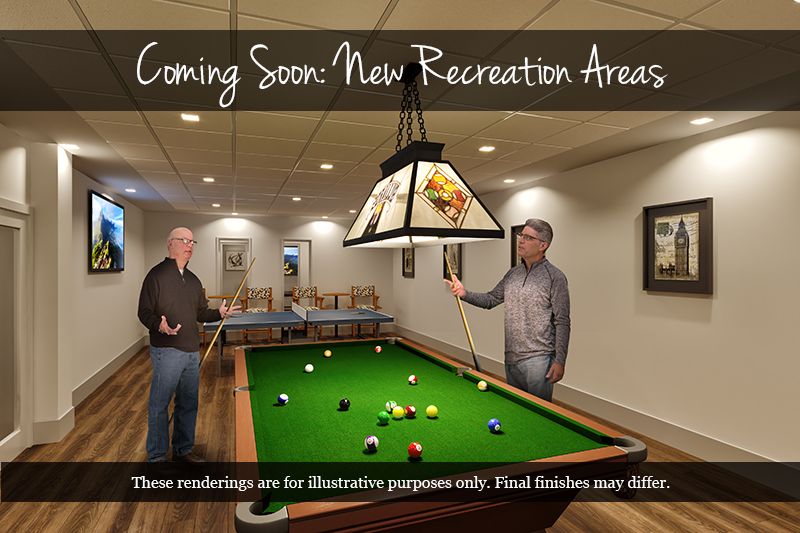
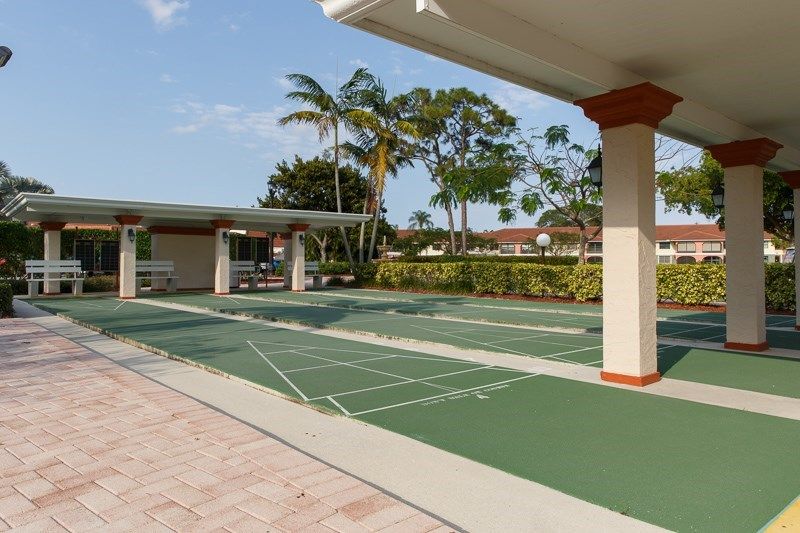
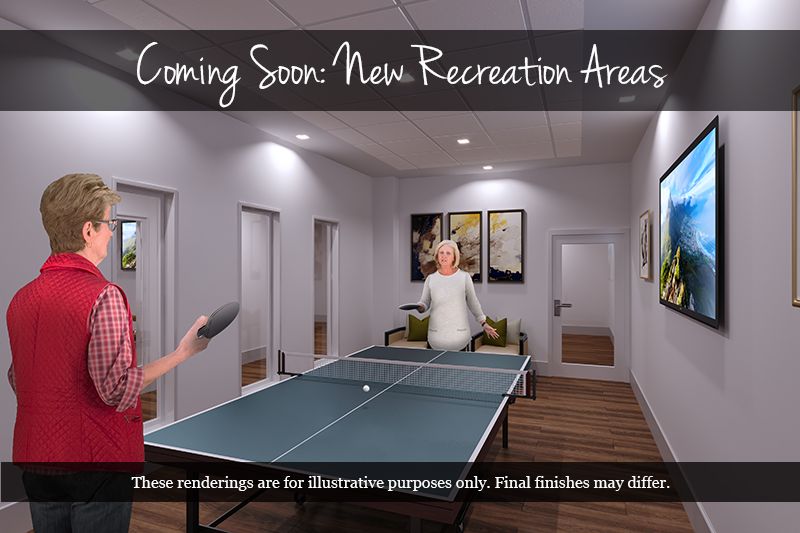
 Gaming room
 Garden
 Housekeeping services
 Kitchenette
 Move-in coordination
 Outdoor space
 Private bathrooms
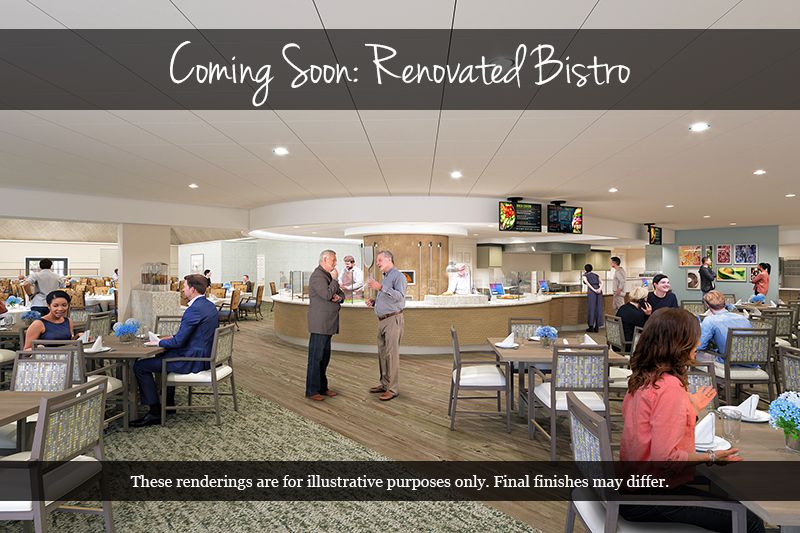
 Restaurant-style dining
 Small library
 Telephone
 Wellness center
 Wi-Fi/high-speed internet available
 Fort Lauderdale-Hollywood International (20 miles away)
 Community operated transportation
 12-16 hour nursing
 24-hour call system
 Activities of daily living assistance
 Assistance with bathing
 Assistance with dressing
 Assistance with transfers
 Diabetes diet
 Medication management
 Mental wellness program
 Special dietary restrictions
 Concierge services
 Planned day trips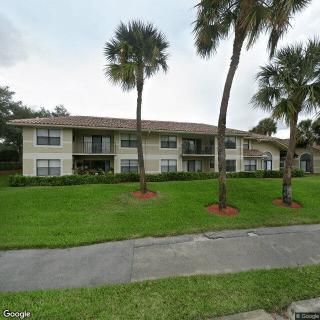




 Comprehensive Guide to Medicare Coverage for Hospice Care
 Caring for Those Who Care: Recognizing, Understanding, and Overcoming Caregiver Burnout
 Caregiver Exhaustion: Recognizing the Signs and Restoring Your Well-Being