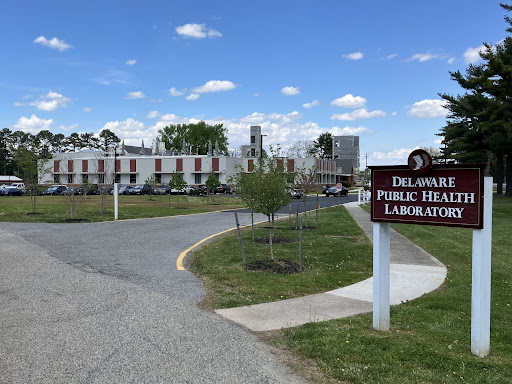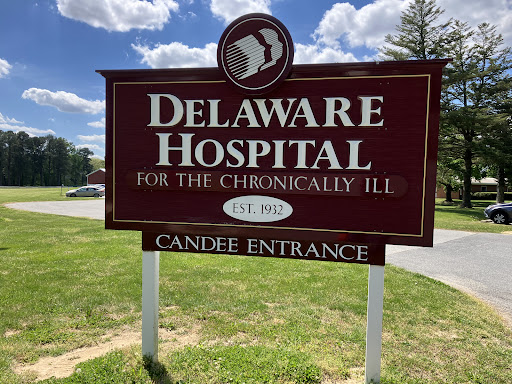

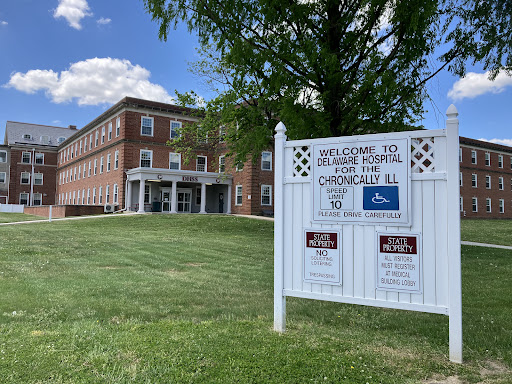








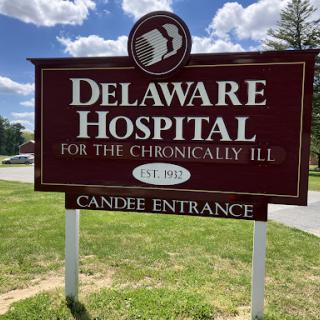
100 Sunnyside Road, Smyrna, DE 19977
For more information about senior living options: (866) 208-4318
Overall Review of Delaware Hospital F/T Chronically Ill (DHCI)
Pros
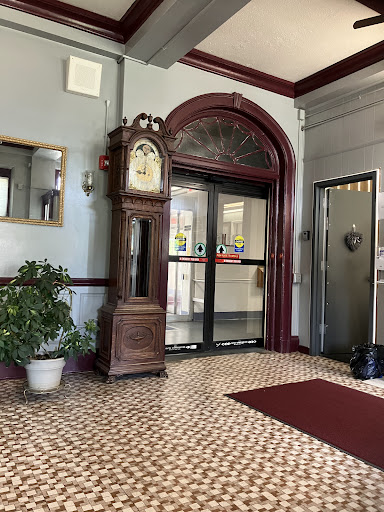
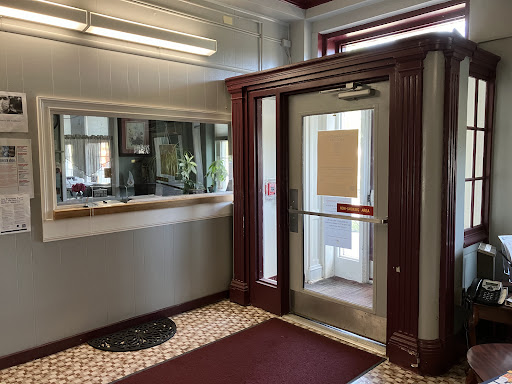
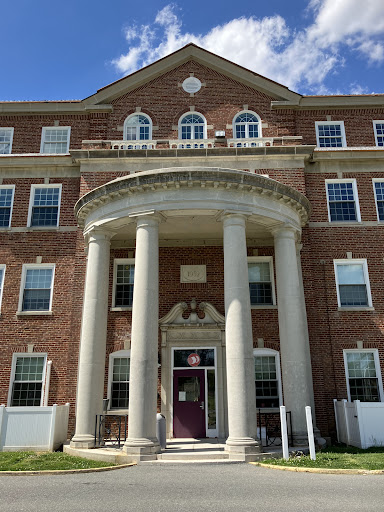
 The building is beautiful with 1930s charm.
- The staff are friendly and supportive.
- The staff are caring and treat him like a normal person.
- The dad has shown significant improvement since entering rehab.
- It is a great place to aid recovery.
- It provides a nice environment to meet beautiful people.
- It is quiet.
Cons
 They should go somewhere else; the place is definitely not five stars.
- The facility is very unorganized, lacks communication skills, and shows no compassion for those who are ill.
- The building is old.
Review
Delaware Hospital F/T Chronically Ill (DHCI) in Smyrna is best suited for families seeking inpatient rehabilitation for adults with chronic illness who prize personal attention and a caregiver culture over clinical polish. The setting rewards warmth, conversation, and dignity in daily care, and it suits residents who respond to a quieter, older-building environment where staff engagement matters more than buzz and bright finishes. It is not a fit for those who demand a rigorously organized administration, crisp workflows, or modern, showroom-style facilities. In short, DHCI can deliver meaningful recovery when the emphasis is on human connection and steady, low-key routines rather than high-tech amenities.
Those who should consider alternatives are families seeking highly structured communication, predictable scheduling, and rapid problem-solving from management. If a resident needs intensive case management, transparent, timely updates, or hospital-grade organization, other facilities may do better. Individuals who dislike older-world aesthetics or require contemporary spaces and equipment may feel the environment distracts from care. And if safety and consistency of service across shifts are paramount, the variability implied by some reviews warrants comparison with other local options before making a commitment.
Pros that frequently surface include demonstrable staff warmth and patient engagement. Caregivers who talk with residents, treat them like normal people, and make recovery feel collaborative are repeatedly highlighted as meaningful advantages. Positive anecdotes describe real improvement during rehab and a supportive atmosphere that fosters gentleness and respect. The setting, an old, quiet building with a hint of historic charm, can contribute to a calming, less chaotic environment that supports focused rehab and social contact with other residents. For families, this can translate into reduced anxiety about daily interactions and more confidence in progress when staff demonstrate genuine concern for the person beyond the chart.
Yet the downsides cannot be ignored. The facility’s age and layout contribute to an impression of outdated spaces, cramped offices, and infrastructure that show their years. Several reviews allege disorganization and limited communication, and a portion question the consistency of compassion across moments and shifts. These cons matter because chronic-illness rehab hinges on timely updates, coherent care plans, and dependable staffing. When organization falters, even well-meaning staff struggle to align goals, causing frustration for families and potential safety concerns for residents who rely on prompt, coordinated care.
Decision-making should weigh these factors against the resident’s priorities. If the priority is a humane, conversation-driven rehab with moments of genuine connection and a calmer pace, DHCI can be suitable, provided family members are prepared to advocate actively and to set clear expectations around communication. Residents who value an intimate, homey feel and who are less sensitive to aging infrastructure may thrive here. Conversely, if the resident requires highly predictable operations, rapid problem resolution, or modern facilities with robust systems, exploring alternatives in the region is prudent. Prospective families should verify staffing ratios, confirm who supervises daily rehab plans, and establish the cadence and format of family updates before deciding.
Bottom line: DHCI presents a practical path for the right fit, a community that can deliver meaningful recovery through compassionate, engaged care in a quiet, older setting. It is not the place for someone who must have impeccable organization or cutting-edge amenities. With careful expectations, proactive communication, and a clear plan for oversight, families can decide confidently. Visit the campus, talk to frontline staff and administrators, and pull specific examples of recent progress and care planning to determine whether this environment aligns with the loved one’s goals and daily needs.
 205 resident community capacity
 Skilled Nursing Facility
 Air-conditioning
 Beauty salon
 Cable or satellite TV
 Computer center
 Dining room
 Fitness room
 Fully furnished
 Gaming room
 Garden
 Housekeeping services
 Kitchenette
 Move-in coordination
 Outdoor space
 Private bathrooms
 Restaurant-style dining
 Small library
 Telephone
 Wellness center
 Wi-Fi/high-speed internet available
 Community operated transportation
 12-16 hour nursing
 24-hour call system
 Activities of daily living assistance
 Assistance with bathing
 Assistance with dressing
 Assistance with transfers
 Diabetes diet
 Medication management
 Mental wellness program
 Special dietary restrictions
 Concierge services
 Planned day trips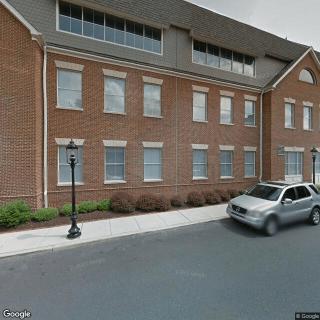




 Encouraging Participation in Adult Day Care: A Guide to Supporting a Hesitant Parent
 Comprehensive Exploration of Living Wills and Other Advance Directives
 A Detailed Exploration of Living Wills and Advance Directives