At Seaford Center, the costs for monthly care reflect a higher price point compared to both Sussex County and the broader state of Delaware. For semi-private rooms, residents can expect to pay $6,900 per month, significantly above the county's average of $4,879 and the state's rate of $4,428. When it comes to private accommodations, Seaford Center's fee stands at $7,200, again exceeding both local and state averages of $5,292 and $4,553 respectively. These figures suggest that while Seaford Center may offer enhanced amenities or specialized services that justify its premium pricing, prospective residents should carefully weigh these costs against their budgetary considerations and desired level of care.
Floor plans
Seaford Center
Sussex County
Delaware
Semi-Private
$6,900
$4,879
$4,428
Private
$7,200
$5,292
$4,553
Skilled Nursing Facilities with a similar price nearby
Many residents’ families describe staff who are friendly and responsive to needs.
Across the reviews, families repeatedly praise staff for being pleasant, attentive, and professional, including nurses and CNAs who communicate and help with care. Some reviewers also point to warmer moments—like staff greeting visitors, taking meal orders, and supporting rehab progress. At the same time, a handful of reviews describe staffing and follow-through problems that left residents waiting or dealing with basic care needs without timely support.
caveat6 reviews mention this
Communication can fall short
Several families report delays or gaps when they try to reach staff.
Some reviews say communication with staff was non-existent or slow, including long waits when calling to reach a loved one. There are also reports that staff did not respond promptly to concerns raised by families, including situations involving therapy checks or questions about a medical issue. Others describe more positive interactions at reception, but the overall theme is that follow-through is not consistent.
common11 reviews mention this
Cleanliness is a recurring plus
Multiple reviews highlight cleanliness and a well-kept facility.
Several reviewers describe the facility as clean and well maintained, including rooms and common areas. A few comments also note the overall look and smell as being clean, and one reviewer contrasts the cleanliness with a hospital stay. While most cleanliness mentions are positive, at least one review raises hygiene concerns like flies in rooms and patients’ areas.
caveat4 reviews mention this
Food quality is uneven
Dining satisfaction varies, with both praise and complaints.
Some families say the food was good or even a standout part of the experience. Others report dissatisfaction, including that food was not good or that residents did not enjoy meals. The community also lists special diet support such as diabetic, vegetarian, and other restricted-diet options, which aligns with the dining-related comments about what’s served.
caveat5 reviews mention this
Activities and outdoor time vary
Reviews describe daily activities, but some residents get limited options.
Several reviews mention meaningful activity involvement, including socializing with others and staff sharing time in activity spaces. Others, however, describe restricted daily options—like spending long stretches lying in bed or limited access to outside time. The community lists scheduled daily activities and pet-focused programs, but resident experiences in the reviews suggest participation and access aren’t the same for everyone.
caveat5 reviews mention this
Skilled nursing comes with care complaints
A few reviews describe inadequate attention for medical needs.
While some reviewers praise rehab and ongoing care, multiple negative reviews describe problems such as inadequate follow-up, delayed attention after concerns were raised, or missing elements of wound care. There are also accounts of residents not being assisted promptly with mobility and basic needs, along with family frustration about the level of support. Overall, residents’ and families’ experiences with day-to-day clinical follow-through are not consistently aligned.
caveat
Rates are above county and state
Pricing sits above both county and state benchmarks.
No reviews in the provided text discuss pricing directly, but the posted rate ranges are higher than the county and state comparisons. If cost is a deciding factor, it may be worth confirming what’s included for each level of room type and care plan. Families should also ask how costs relate to the day-to-day support described in reviews.
How we summarize
We summarize when many written reviews mention each theme; a review can touch several themes, and only frequently mentioned themes are displayed.
Features
Housing
21 resident community capacity
Types of Care
Skilled Nursing Facility
Pets
Cats allowed
Dogs allowed
Amenities
Activities off-site
Activities on-site
Air-conditioning
Beautician on-site
Beauty salon
Cable or satellite TV
Devotional services off-site
Devotional services on-site
Dining room
Fully furnished
Garden
Housekeeping services
Indoor common areas
Kitchenette
Move-in coordination
Outdoor common areas
Outdoor space
Private
Respite or short term stays offered
Telephone
Wi-Fi/high-speed internet available
Care Services
24-hour call system
24-hour supervision
Activities of daily living assistance
Ambulatory care
Assistance with bathing
Assistance with dressing
Assistance with transfers
Coordination with health care providers
Diabetes diet
Diabetic care
Meal preparation and service
Medication management
Mental wellness program
Special dietary restrictions
Transportation arrangement (medical)
Transportation to doctors appointments
Dining
Diabetes diet
Kosher
Meals provided
Special dietary restrictions
Vegetarian
Activities
Activities off-site
Activities on-site
Community-sponsored activities
Devotional activities offsite
Devotional activities on-site
Pet-focused programs
Scheduled daily activities
Nearby Places of Interest
This part of Seaford, Delaware offers a convenient and accessible location for senior living. With multiple physicians, pharmacies, and hospitals in close proximity, residents have easy access to medical care and services. The area also boasts a variety of dining options including fast food restaurants like McDonald's and Taco Bell, as well as sit-down establishments like Stargate Diner and Grotto Pizza. For those seeking religious or spiritual fulfillment, there are several places of worship nearby representing different denominations. Additionally, parks such as Soroptimist Park provide opportunities for outdoor recreation and relaxation. Overall, this neighborhood offers a blend of essential amenities and services that cater to the needs of older individuals looking for a comfortable and convenient living environment.
Physicians
Nanticoke Hospital - Mears Center (0.1 miles)
Nanticoke Women's Health Center (0.2 miles)
James A Trauger MD (0.4 miles)
MyEyeDr (0.4 miles)
Nanticoke Physician's Network (0.4 miles)
Nanticoke Cardiology (0.4 miles)
Regional Medical-Pain Management (0.4 miles)
Restaurants
McDonald's (0.2 miles)
Taco Bell (0.3 miles)
Stargate Diner (0.3 miles)
Chick-Fil-A (0.4 miles)
Grotto Pizza (0.5 miles)
Burger King (0.5 miles)
Gordy's Pub (0.7 miles)
Cafes
Starbucks (0.3 miles)
Starbucks (11.1 miles)
Transportation
U-Haul (0.3 miles)
Dewey Beach Taxi (0.9 miles)
Alamo (3.2 miles)
Pharmacies
Walgreens (0.6 miles)
Walgreens (4.9 miles)
Walgreens (11.1 miles)
Bi-State Pharmacy (13.7 miles)
Epic Pharmacies (13.8 miles)
Walgreens (13.8 miles)
Mulvey's Preston Pharmacy (17 miles)
Parks
Soroptimist Park (0.6 miles)
Kiwanis Park (1.7 miles)
Trap Pond State Park (7.7 miles)
Places of Worship
Redemptorist Fathers (0.7 miles)
Southern Baptist Convention (1.7 miles)
Seaford Spanish Company (1.9 miles)
Immanuel House of Praise (2 miles)
Gethsemane United Methodist Church (2.2 miles)
Atlanta Road Alliance Church (2.3 miles)
Seaford Church of Christ (2.4 miles)
Hospitals
Nanticoke Hospital Wound & Hyperbaric (0.9 miles)
Nanticoke Memorial Hospital (0.9 miles)
A I Dupont Hospital For Children-Pediatric Practices (1 miles)
At Seaford Center, the costs for monthly care reflect a higher price point compared to both Sussex County and the broader state of Delaware. For semi-private rooms, residents can expect to pay $6,900 per month, significantly above the county's average of $4,879 and the state's rate of $4,428. When it comes to private accommodations, Seaford Center's fee stands at $7,200, again exceeding both local and state averages of $5,292 and $4,553 respectively. These figures suggest that while Seaford Center may offer enhanced amenities or specialized services that justify its premium pricing, prospective residents should carefully weigh these costs against their budgetary considerations and desired level of care.
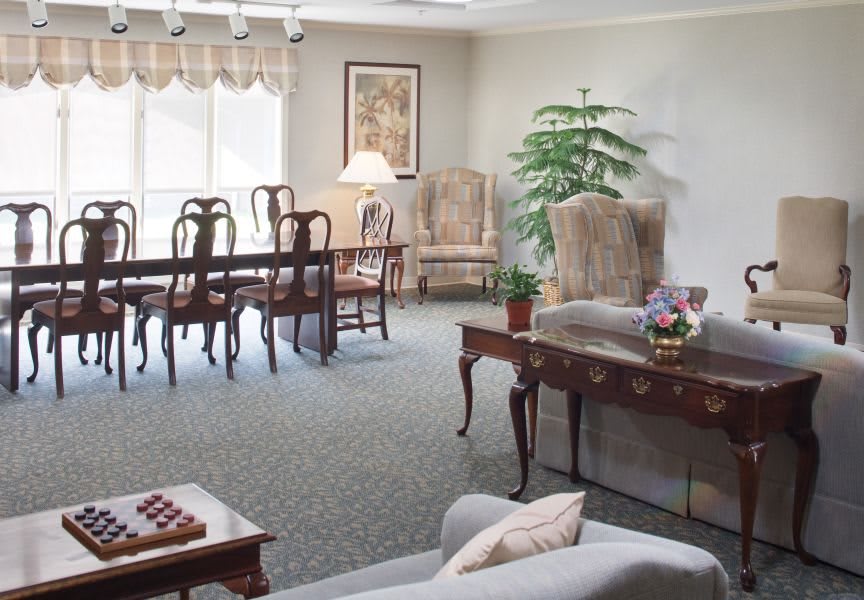
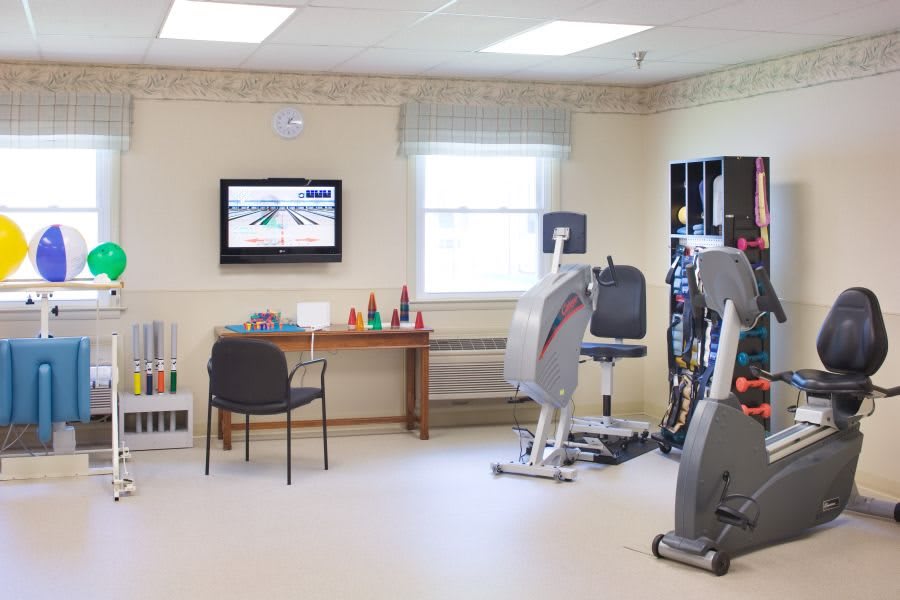
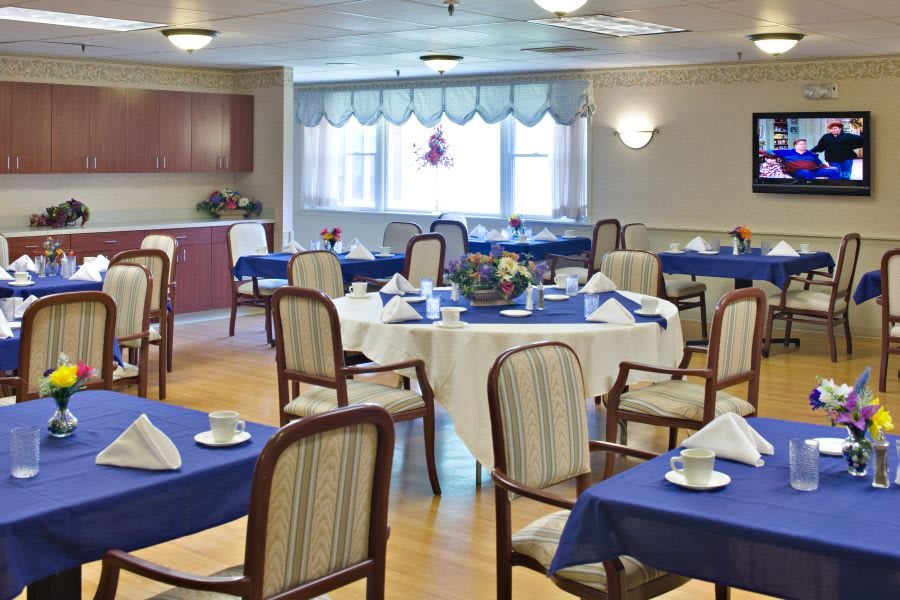
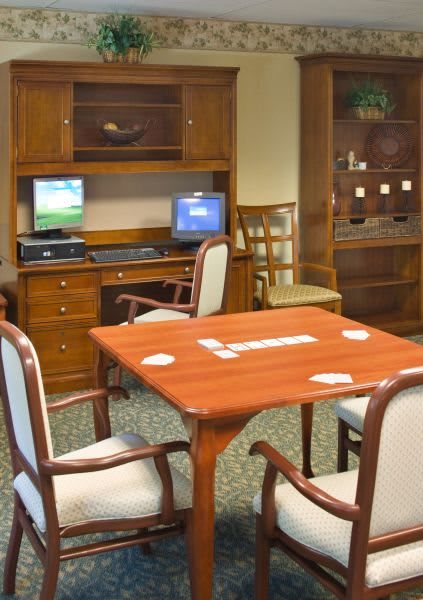
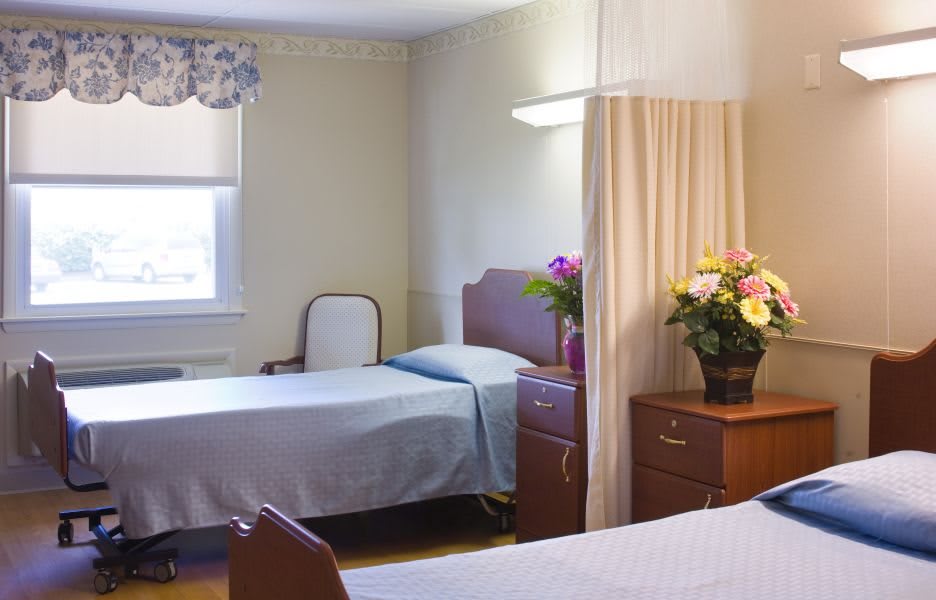
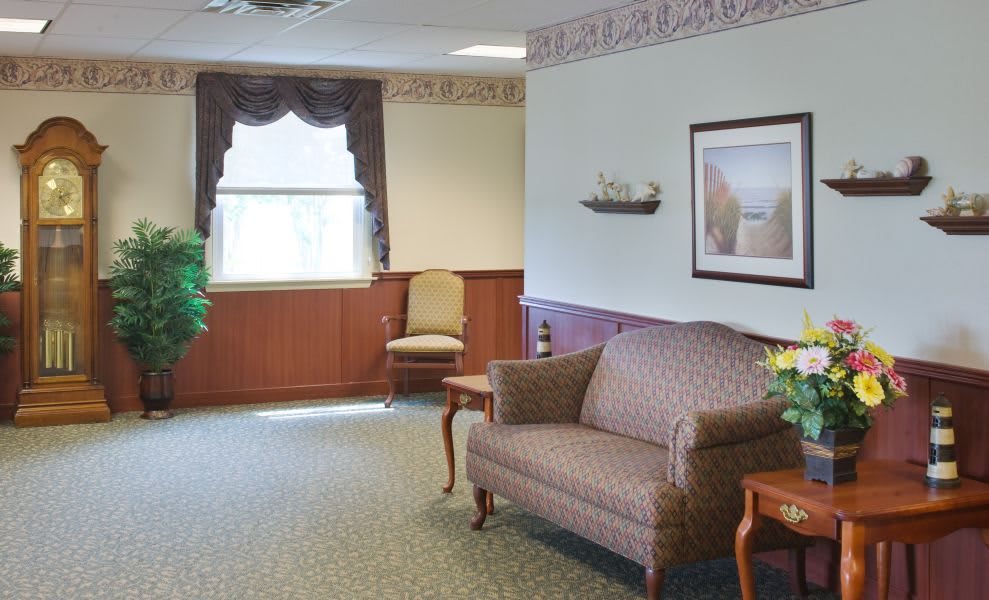
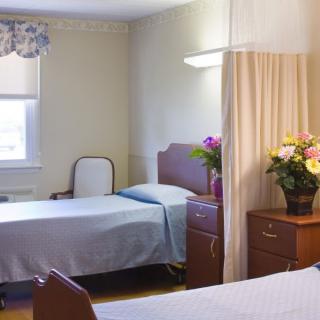
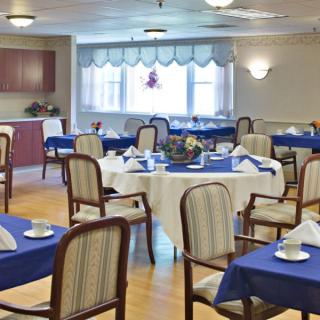
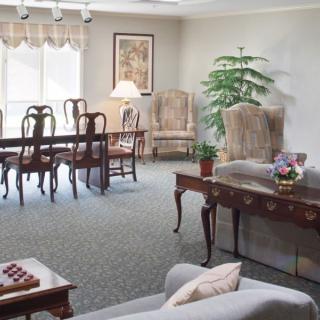
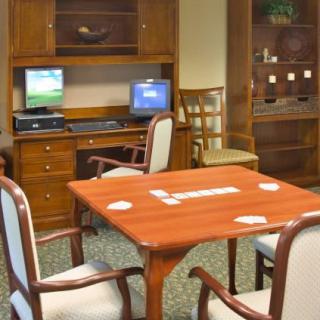
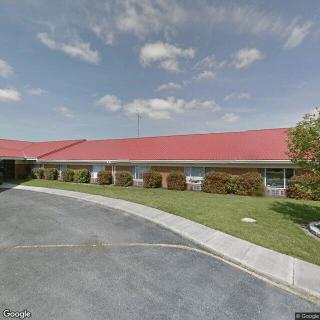
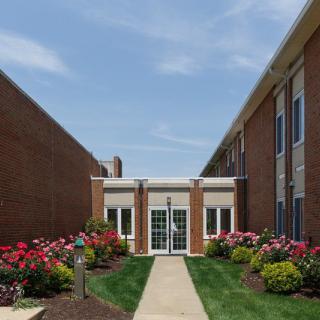
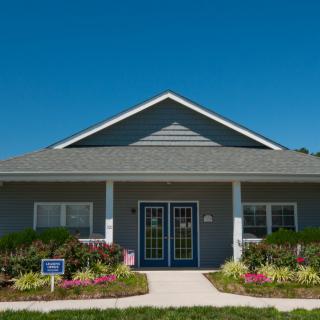
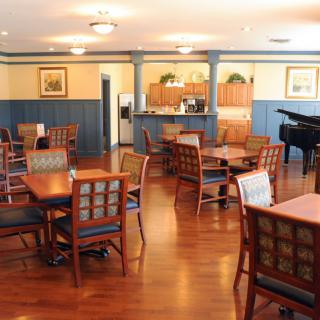
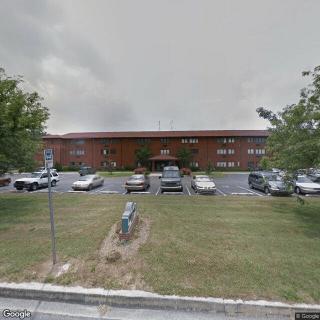
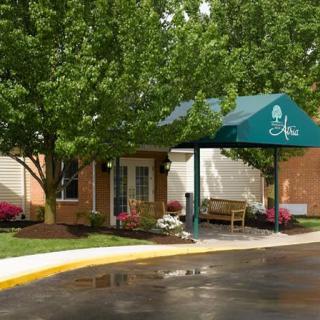
Seaford Center on seniors.fyi includes 6 photos including images showing interior, windows, living room, exercise equipment, dining, office, computers, bedroom, and more.
Nearby Communities
Seaford Meadows Apartments
Seaford, DE
3.3 from 13 reviews
Excellent access to dining, healthcare, worship, parks, and transit.
Pennsula Home Care LLC
Seaford, DE
Vibrant community with convenient access to healthcare, parks, dining, and transportation nearby.
Oak Bridge Terrace At Manor House
Seaford, DE
4.7 from 74 reviews
Comprehensive CCRC/SNF with 24/7 supervision and engaging daily activities.
Lofland Park Center
Seaford, DE
4.5 from 119 reviews
$4,500 / month
24/7 supervision with memory care options; furnished rooms with Wi-Fi and cable, on-site dining, and daily activities.
Heritage Shores
Bridgeville, DE
4.6 from 117 reviews
Comprehensive care services (medication management, assistance with dressing, meal preparation and service), plus housekeeping and Wi?Fi, with a convenient location near shops, pharmacies, and parks.
Laurel Commons
Laurel, DE
3.7 from 3 reviews
$605 / month
Beautiful setting with helpful staff and an informative manager.
Victoria Park at Sassafras Meadows
Salisbury, MD
4.7 from 27 reviews
$545 / month
Peaceful, well-kept community with responsive staff.
Luther Towers of Milton
Milton, DE
4.2 from 6 reviews
Great access to parks, pharmacies, physicians, restaurants, and transit.
Peregrine Senior Living at Salisbury
Salisbury, MD
4.8 from 132 reviews
Friendly, attentive staff in a welcoming, well-maintained setting with strong dining.
Linda's caregiving journey for her elderly mother, Joan, is marked by deep love and challenges as she navigates health changes, emotional support, and practical arrangements while learning to prioritize self-care and utilize community resources. Their evolving relationship highlights resilience and the universal themes of empathy and preparedness in caregiver experiences.
The article clarifies common misconceptions about Powers of Attorney (POA), highlighting the necessity of the principal's consent, the limitations on an agent's authority, and the importance of mental capacity when signing. It also distinguishes between various types of POAs, addresses concerns about potential abuse, and emphasizes the need for legal consultation to ensure valid and up-to-date documents.
Exercise Equipment, Gym, Exercise Room, and Fitness Room
Office and Computers
Get PricingAsk A QuestionSchedule A TourContact Senior Advisor
By clicking submit, you agree to our Partner's Terms of Use. You
also consent to receive calls and texts, which may be autodialed, from our Partner. Your consent is not a condition to
using our Partner's service. Please visit our Partner's Privacy Policy for information about their privacy practices.

 21 resident community capacity
 Skilled Nursing Facility
 Cats allowed
 Dogs allowed
 Activities off-site
 Air-conditioning
 Beautician on-site
 Cable or satellite TV
 Devotional services off-site
 Dining room
 Fully furnished
 Garden
 Housekeeping services
 Indoor common areas
 Kitchenette
 Move-in coordination
 Outdoor common areas
 Private
 Respite or short term stays offered
 Telephone
 Wi-Fi/high-speed internet available
 24-hour call system
 Ambulatory care
 Assistance with bathing
 Assistance with dressing
 Assistance with transfers
 Diabetes diet
 Diabetic care
 Meal preparation and service
 Medication management
 Mental wellness program
 Special dietary restrictions
 Transportation arrangement (medical)
 Transportation to doctors appointments
 Pet-focused programs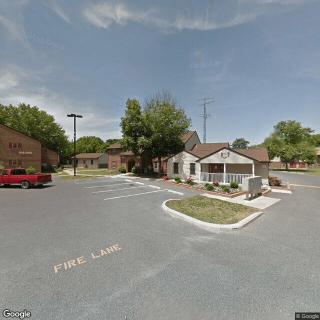
 Excellent access to dining, healthcare, worship, parks, and transit.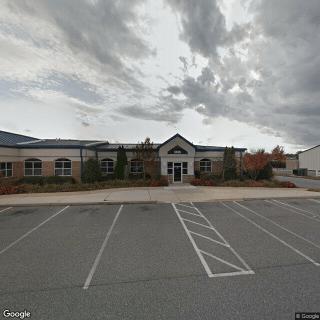


 Nurturing Our Loved Ones: A Daughter's Journey in Caring for Her Mother
 Nurturing Our Elders: Linda's Journey of Supporting Her Mother
 A Comprehensive Exploration of Common Misunderstandings about Powers of Attorney