
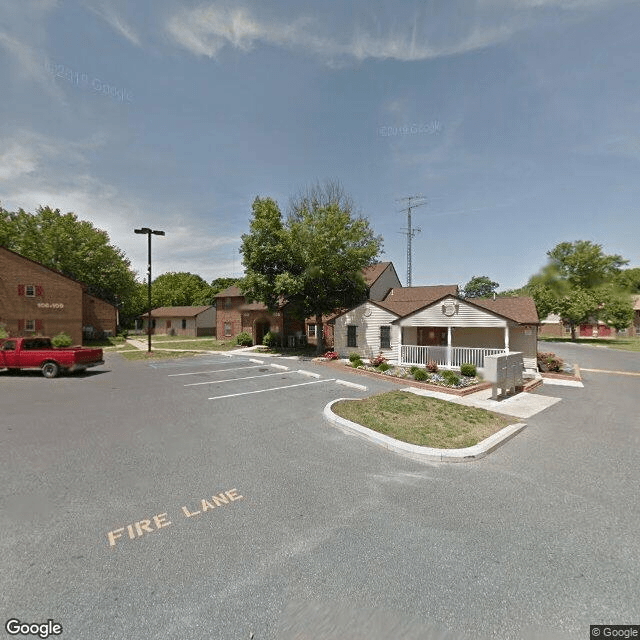
122 Seaford Meadows Dr, Seaford, DE 19973
To contact a resident: (302) 629-6416
For more information about senior living options: (866) 208-4318
Overall Review of Seaford Meadows Apartments
Pros
 She is very nice and helpful, explaining what you need to do.
- The environment is great.
- The property management is of high quality.
- The location is nice.
- The community fosters personal growth through lasting memories.
Cons
 They never answer the phone and are unprofessional about the wait list.
- They base decisions on favoritism and ignore people’s circumstances, demanding excessive paperwork.
- They evict tenants and blame them, especially when residents are working.
- They are slow with maintenance and fail to carry out promised renovations.
- They invade tenants’ privacy during inspections and have an ignorant, unhelpful property manager.
- They disallow service animals and ESAs, which is illegal.
- They are racist, disrespectful, and show favoritism toward certain people.
Review
This community is best suited for independent seniors or adults seeking affordable, no-frills housing who can navigate a complex administrative landscape without relying on consistently responsive management. The strongest appeal lies in a quiet, established environment and a location that some residents treasure. For households that prize stability and memory-rich routines, Seaford Meadows can feel like a familiar, low-stress home. However, the trade-off is a management dynamic that often requires tenants to advocate for themselves, stay on top of paperwork, and tolerate gaps in communication and service. In short, it serves those who can absorb procedural friction in exchange for an economical place to live rather than a hands-on care setting.
Prospective occupants who require predictable rules, transparent processes, and fast maintenance should consider alternatives. The reviews repeatedly flag favoritism, eviction threats, and inconsistent phone access, all of which suggest a high degree of administrative volatility. Those needing daily assistance or medical oversight will find this community unsuitable, as the property’s core offering is housing rather than care. Families should look for options with clearly published policies, reliable maintenance responsiveness, and inclusive practices regarding service animals and accommodations. For seniors who can manage without guaranteed rapid repairs and with a willingness to push for clarity, there may be a fit; otherwise, look elsewhere.
Several reviewers acknowledge genuine positives. A resident describes a courteous staffer who explains what is needed to access resources, signaling that at least some staff members are helpful and approachable. Others recall a long tenure and a legitimately pleasant environment, implying that the community can deliver a stable, friendly atmosphere for those who do not demand constant change. A few accounts mention competent property management and a good location, reinforcing that the basics, security, proximity to conveniences, and a workable living environment, can be met. Still, these positives are unevenly distributed and do not fully counter the deeper governance and policy concerns raised by multiple residents.
The most consistent and troubling threads revolve around fairness, responsiveness, and control over what tenants must provide. Reports of favoritism and discriminatory treatment cast a shadow over the resident experience, undermining trust. The eviction threats and the sense that paperwork is weaponized to discipline late or incomplete tasks create a chilling atmosphere for long-term occupancy. Telephone access or waitlist transparency is described as unreliable, making it hard to gauge when a unit becomes available or what is expected next. Add to that restrictions on smoking, invasive inspections, and a reportedly dismissive demeanor from management, and the overall vibe becomes tense rather than supportive.
On balance, the core advantages, location, a generally calm environment, and some personable staff, do not fully offset the weight of the main drawbacks. The uncertain maintenance responsiveness undermines daily comfort, while the policy climate around service animals and the invasive checks erode residents’ sense of autonomy. The eviction risk and opaque administrative processes create long-term instability, which is particularly consequential for seniors who depend on predictable housing as a foundation for other needs. The reviews collectively argue for caution, not confidence, and suggest that Seaford Meadows is better viewed as a cost-conscious option with notable governance caveats rather than a trusted home for seniors seeking straightforward tenancy and dependable care.
For families weighing options, proceed with a measured due diligence plan. Visit at multiple times to observe maintenance speed, check for written policy references, and request current waitlist metrics and criteria. Ask for documented proof of pet and service-animal accommodations and for assurances around rights to privacy and fair treatment. Compare with nearby affordable housing or senior-living communities that emphasize transparent management, regular maintenance cycles, and clear communication channels. If ongoing care needs are anticipated, prioritizing facilities with on-site care or stronger tenant protections is prudent. In its best light, Seaford Meadows can be a modest, budget-friendly home; in a more conservative assessment, it warrants caution and a candid comparison against more stable alternatives.
 Independent Living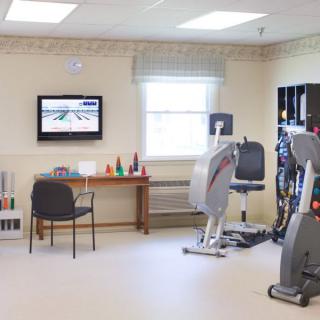



 Nurturing Our Loved Ones: A Daughter's Journey in Caring for Her Mother
 Nurturing Our Elders: Linda's Journey of Supporting Her Mother
 A Comprehensive Exploration of Common Misunderstandings about Powers of Attorney