At Lofland Park Center, the monthly cost for a one-bedroom unit is set at $4,500, which positions it competitively within Sussex County, where similar accommodations average around $4,675. When considered against the broader context of Delaware's housing market, which reports an average rate of $4,105 for one-bedroom units statewide, Lofland Park Center offers a compelling balance of quality and value. This pricing reflects not only the amenities and care services provided but also underscores the commitment to maintaining a welcoming environment that prioritizes resident comfort and well-being.
Floor plans
Lofland Park Center
Sussex County
Delaware
1 Bedroom
$4,500
$4,675
$4,105
Skilled Nursing Facilities with a similar price nearby
Rehab and therapy staff are repeatedly described as highly effective and supportive.
Residents and families frequently mention therapy and rehab as a standout part of the stay, with multiple reviews calling the therapy department top notch. Several comments describe quick progress, strong support during recovery, and therapists who worked closely with patients. A number of reviews also credit therapy staff for helping someone get back to being able to return home.
common18 reviews mention this
The facility cleanliness stands out
Many reviewers specifically call out the building as clean and well kept.
Cleanliness comes up often, with multiple reviews describing a spotless or very clean facility. Families also mention feeling comfortable during visits because the place looks tidy and maintained. Even some lower-star experiences still note the facility itself being neat or without an unpleasant nursing home smell.
differentiator4 reviews mention this
Memory care support feels accommodating
Memory care staff are described as accommodating and attentive to special moments.
Reviews that mention dementia or memory care describe staff as responsive to residents’ needs and symptoms. Families specifically talk about staff helping with access to outdoor space and supporting a family celebration in the unit. One tour-related comment also notes there was no availability in the dementia care unit at the time, but the household remained on the waiting list.
caveat6 reviews mention this
Care quality varies and concerns recur
A recurring set of reviews raises serious concerns about care consistency.
Some reviews describe breakdowns in basic care, including delayed or missed help, incomplete hygiene, and wound care issues. Others mention residents being left for long periods, including waiting for restroom use, and report severe outcomes such as bedsores. There are also concerns in a few reviews about staff attention and communication, including complaints that the facility prioritizes money or releases patients before recovery needs are addressed.
How we summarize
Counts show how many written reviews mention each theme; a review can touch several themes, and only frequently mentioned themes are displayed.
Features
Housing
21 resident community capacity
Types of Care
Memory Care
Skilled Nursing Facility
Amenities
Beauty salon
Cable or satellite TV
Dining room
Fully furnished
Garden
Housekeeping services
Kitchenette
Move-in coordination
Outdoor space
Telephone
Wi-Fi/high-speed internet available
Care Services
24-hour call system
24-hour supervision
Activities of daily living assistance
Assistance with bathing
Assistance with dressing
Assistance with transfers
Coordination with health care providers
Diabetes diet
Meal preparation and service
Medication management
Mental wellness program
Mild cognitive impairment
Special dietary restrictions
Specialized memory care programming
Transportation arrangement (medical)
Transportation to doctors appointments
Dining
Diabetes diet
Special dietary restrictions
Activities
Community-sponsored activities
Scheduled daily activities
Nearby Places of Interest
Hospitals
Nanticoke Hospital Wound & Hyperbaric (0.1 miles)
A I Dupont Hospital For Children-Pediatric Practices (0.1 miles)
At Lofland Park Center, the monthly cost for a one-bedroom unit is set at $4,500, which positions it competitively within Sussex County, where similar accommodations average around $4,675. When considered against the broader context of Delaware's housing market, which reports an average rate of $4,105 for one-bedroom units statewide, Lofland Park Center offers a compelling balance of quality and value. This pricing reflects not only the amenities and care services provided but also underscores the commitment to maintaining a welcoming environment that prioritizes resident comfort and well-being.
Lofland Park Center's comprehensive array of features plays a vital role in enhancing the quality of life for residents with dementia or Alzheimer's disease. Assistance with dressing and bathing promotes dignity and comfort, while medication management ensures that residents receive their prescribed treatments consistently and safely, mitigating potential health complications. Meal preparation and service focus on nutritional needs, which are essential for overall well-being. Transportation arrangements facilitate access to medical appointments, ensuring timely healthcare interventions, while coordination with healthcare providers fosters a holistic approach to each resident's health status. Activities of daily living assistance empowers residents to maintain autonomy where possible, contributing to their self-esteem. The presence of 24-hour supervision offers peace of mind for families and residents alike, while specialized memory care programming is tailored to address specific cognitive challenges through engaging activities. Additionally, the mental wellness program supports emotional health through various therapeutic initiatives, benefitting those with mild cognitive impairment by promoting mental engagement and social interaction within a safe environment.
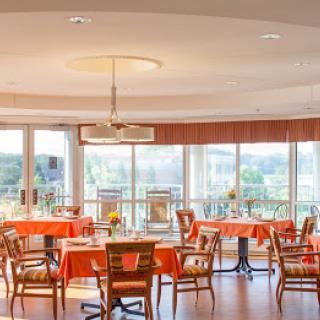
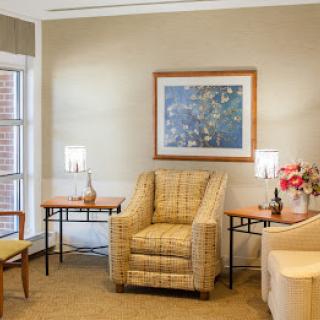
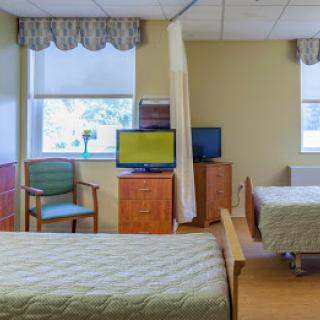
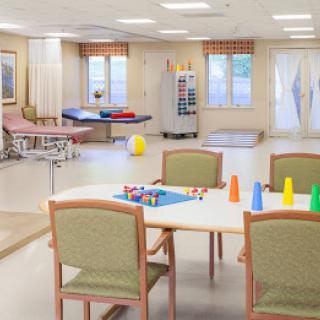
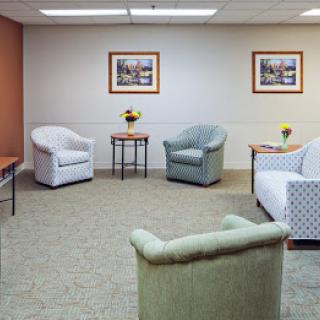
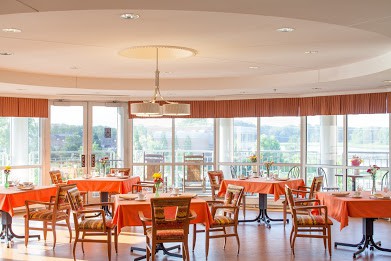
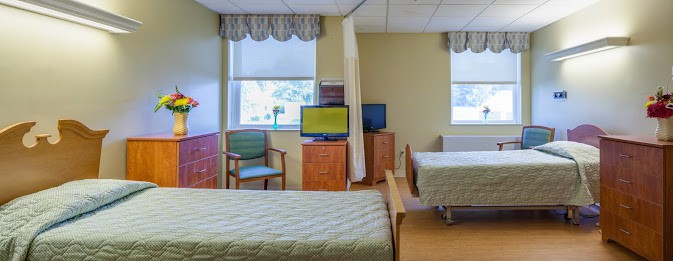
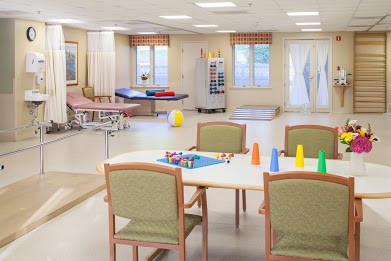
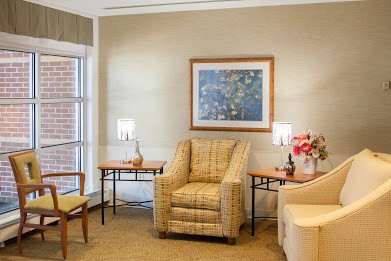
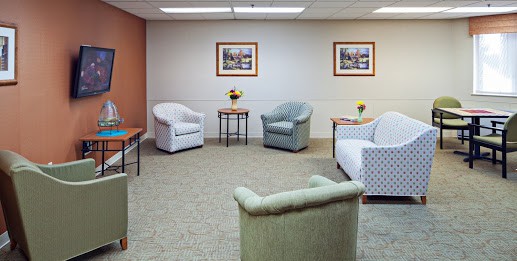
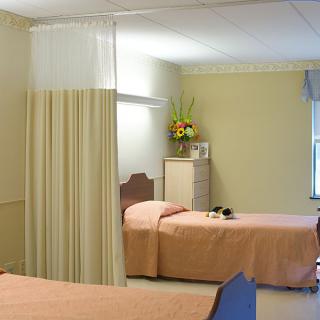
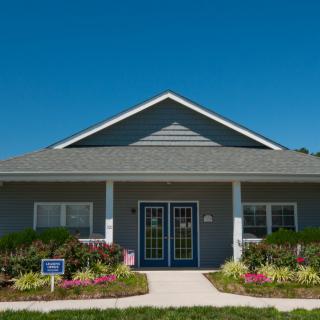
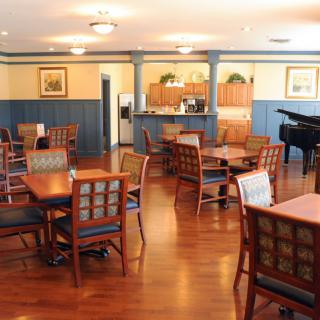
Lofland Park Center on seniors.fyi includes 5 photos including images showing interior, dining, windows, exercise equipment, daylight, living room, painting, decor, and more.
Nearby Communities
Oak Bridge Terrace At Manor House
Seaford, DE
4.7 from 74 reviews
Comprehensive CCRC/SNF with 24/7 supervision and engaging daily activities.
Seaford Center
Seaford, DE
4.5 from 113 reviews
$6,900 to $7,200 / month
Attentive staff, welcoming atmosphere, engaging activities, and quality meals.
Seaford Meadows Apartments
Seaford, DE
3.3 from 13 reviews
Excellent access to dining, healthcare, worship, parks, and transit.
Pennsula Home Care LLC
Seaford, DE
Vibrant community with convenient access to healthcare, parks, dining, and transportation nearby.
Heritage Shores
Bridgeville, DE
4.6 from 117 reviews
Comprehensive care services (medication management, assistance with dressing, meal preparation and service), plus housekeeping and Wi?Fi, with a convenient location near shops, pharmacies, and parks.
Laurel Commons
Laurel, DE
3.7 from 3 reviews
$605 / month
Beautiful setting with helpful staff and an informative manager.
Victoria Park at Sassafras Meadows
Salisbury, MD
4.7 from 27 reviews
$545 / month
Peaceful, well-kept community with responsive staff.
Luther Towers of Milton
Milton, DE
4.2 from 6 reviews
Great access to parks, pharmacies, physicians, restaurants, and transit.
Peregrine Senior Living at Salisbury
Salisbury, MD
4.8 from 132 reviews
Friendly, attentive staff in a welcoming, well-maintained setting with strong dining.
The article highlights eight indicators that a loved one with dementia may require specialized memory care, emphasizing the emotional and logistical challenges families encounter in this decision. It discusses signs such as difficulties with daily tasks, safety concerns, and caregiver burnout, suggesting that memory care facilities can provide the necessary support and structured environments for those experiencing cognitive decline.
Dementia, primarily caused by Alzheimer's disease but also linked to other conditions, leads to cognitive decline impacting memory and daily functioning, with individuals experiencing varied awareness of their impairments. Despite memory loss, emotional connections persist, enabling responses to familiar stimuli, highlighting the need for caregivers to provide compassionate support that recognizes both limitations and retained emotional depth.
The article presents five subtle indicators of dementia, such as memory lapses and mood swings, to help families assess cognitive decline in loved ones. It emphasizes early detection, open communication, and seeking professional help while providing practical support steps.
Exercise Equipment, Rehabilitation, Therapy Room, and Daylight
Paintings
Get PricingAsk A QuestionSchedule A TourContact Senior Advisor
By clicking submit, you agree to our Partner's Terms of Use. You
also consent to receive calls and texts, which may be autodialed, from our Partner. Your consent is not a condition to
using our Partner's service. Please visit our Partner's Privacy Policy for information about their privacy practices.

 21 resident community capacity
 Memory Care
 Skilled Nursing Facility
 Beauty salon
 Cable or satellite TV
 Dining room
 Fully furnished
 Garden
 Housekeeping services
 Kitchenette
 Move-in coordination
 Outdoor space
 Telephone
 Wi-Fi/high-speed internet available
 24-hour call system
 Activities of daily living assistance
 Assistance with bathing
 Assistance with dressing
 Assistance with transfers
 Diabetes diet
 Meal preparation and service
 Medication management
 Mental wellness program
 Special dietary restrictions
 Transportation arrangement (medical)
 Transportation to doctors appointments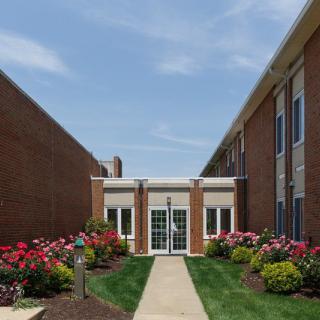
 Comprehensive CCRC/SNF with 24/7 supervision and engaging daily activities.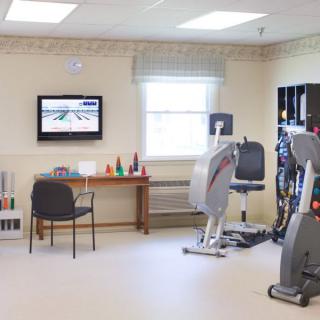

 8 Important Indicators That Memory Care May Be Necessary
 Delving into the Inner World of Dementia: Insights into Thoughts and Awareness
 Five Subtle Dementia Indicators to Observe: An In-Depth Guide to Understanding “Does My Mom Have Dementia?”