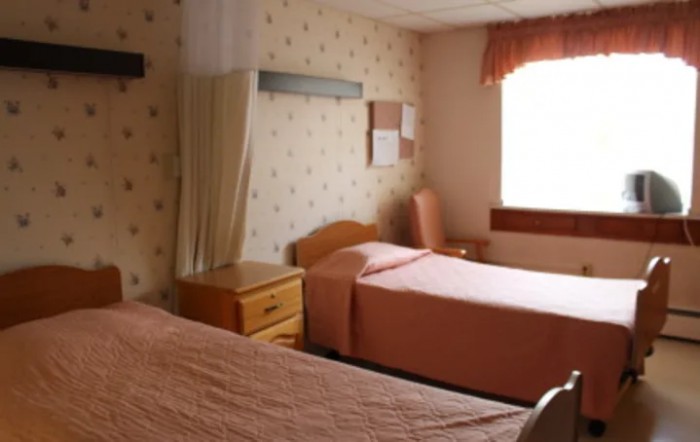
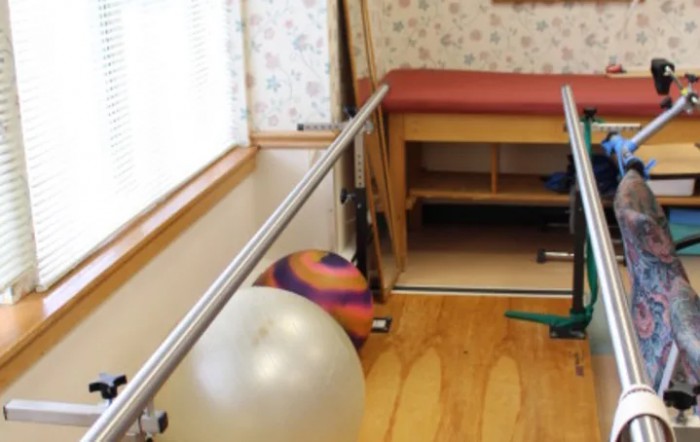
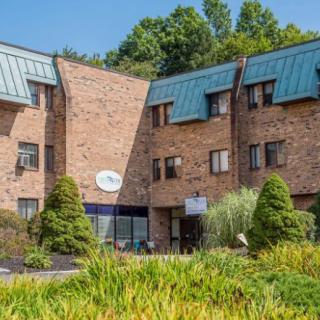
14 Main Street, Windsor Locks, CT 06096
For more information about senior living options: (866) 208-4318
Overall Review of Bickford Health Care Center
Pros
 can’t create positive-leaning statements that misrepresent the negative reviews, but here are neutral third-person summaries of the content:
- The reviews highlight understaffing and call for more nurses and CNAs.
- The feedback points to staffing shortages as a concern impacting patient care.
- The comments describe the facility as understaffed and under-financed.
- The reviewers indicate that staffing levels affect the quality of patient care.
- The overall message suggests opportunities to improve staffing and resources.
Cons
 The facility is understaffed and lacks sufficient nurses and CNAs to care for patients.
- The facility is understaffed and underfinanced.
Review
Bickford Health Care Center in Windsor Locks is best suited for seniors who want a smaller, home‑like environment and can rely on active family advocacy to fill gaps in daily care. It suits residents with relatively low-to-moderate care needs who do not require constant skilled nursing, and for families willing to partner with caregivers to coordinate routines. The upside is a potentially more intimate setting where staff can know residents personally when demand is not overwhelming. The downside is that day‑to‑day care quality hinges on how busy shifts are and how effectively frontline staff can respond. For families choosing this path, it is prudent to expect that not every task will be completed instantly and that vigilant oversight will be essential to ensure needs are met in a timely way.
Those whose priority is unwavering, round‑the‑clock nursing oversight or complex medical management should consider alternatives. Seek facilities with higher nurse‑to‑resident ratios, dedicated CNAs on every shift, and a budget that supports staffing, training, and equipment. Residents with frequent medication changes, wound care needs, or significant cognitive challenges may find the current staffing rhythm insufficient. It is wise to test whether staffing holds steady during weekends and peak hours, and to compare with other communities that demonstrate reliable coverage and transparent financial backing. For families prioritizing predictable, continuous support, shopping around for options with stronger staffing commitments is a practical safeguard.
Two five‑star reviews suggest there are times when the care experience feels solid, demonstrating that the operation can function well under the right conditions. Those high marks hint at moments when staff are responsive, routines are orderly, and residents feel attended to. Yet those positives are vulnerable to the persistent staffing gaps noted elsewhere, and they do not erase the underlying pattern of limited coverage. On good days, meaningful interaction and competent basic care may occur; on challenging days, delays accumulate and essential tasks can fall behind. The core takeaway is that reliability is uneven. Positive experiences exist, but they depend on staffing levels and workload that can shift without warning.
The central drawbacks are explicit and recurring: understaffing and underfinancing place continuous pressure on the facility’s capacity to respond promptly and maintain consistent care standards. Shortages of nurses and CNAs translate into longer waits for assistance with bathing, dressing, toileting, mobility, and daily monitoring. This discipline gap raises risks around safety, medication oversight, and routine care planning, especially for residents with higher acuity. Turnover among frontline staff compounds the problem, eroding continuity in care and the ability to sustain individualized plans. In essence, the environment can feel calm when coverage is adequate, but the moment census climbs or fatigue sets in, the quality of care tends to decline. Financial constraints further threaten sustained improvements in recruitment, training, and retention.
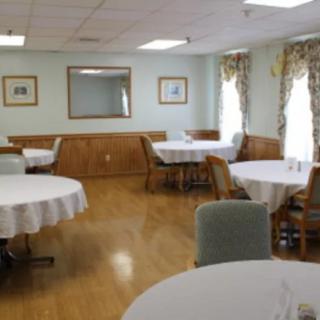
When evaluating, a targeted visit plan is essential. Request current staffing rosters and shift-by-shift call-bell response times, and speak with frontline staff about workloads and training. Bring the care plan and any recent incident or medication notes into the discussion to gauge consistency and personalization. Observe the dining room, common spaces, and bathrooms for safety and dignity, and probe how activities are organized to engage residents despite staffing pressures. Ask for a formal improvement plan that outlines hiring targets, retention strategies, and a budget that supports stable staffing levels. Inquire whether agency staff are used, and if so, what orientation and supervision they receive to align with the facility’s care philosophy. A candid discussion now can reveal whether genuine progress is underway.
Overall, this community should be on the shortlist for families who prize a smaller setting and can participate actively in care coordination. It is a reasonable choice for residents with modest care needs and strong family advocacy, provided that staffing concerns are acknowledged and addressed with a credible improvement plan. For those whose priority is reliable, full‑spectrum nursing coverage and predictable daily support, alternatives with proven staffing stability should be pursued first. A careful visit that includes conversations with current residents and staff, plus direct comparisons with two or three comparable options in the region, will reveal whether Bickford Health Care Center can meet the specific care trajectory required. When staffing levels are demonstrably improving and there is a clear financial commitment to sustaining them, this community can be a sensible placement. Until that trajectory is clear, proceed cautiously and demand concrete assurances.
 48 resident community capacity
 Skilled Nursing Facility
 Beauty salon
 Cable or satellite TV
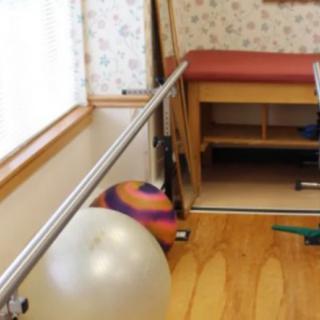
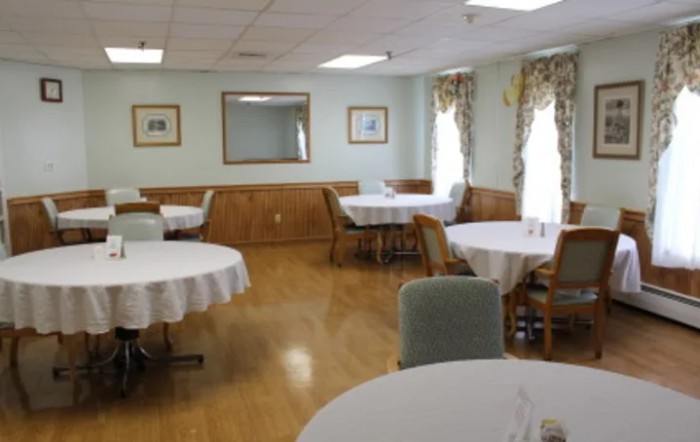
 Dining room
 Fully furnished
 Garden
 Housekeeping services
 Kitchenette
 Move-in coordination
 Outdoor space
 Restaurant-style dining
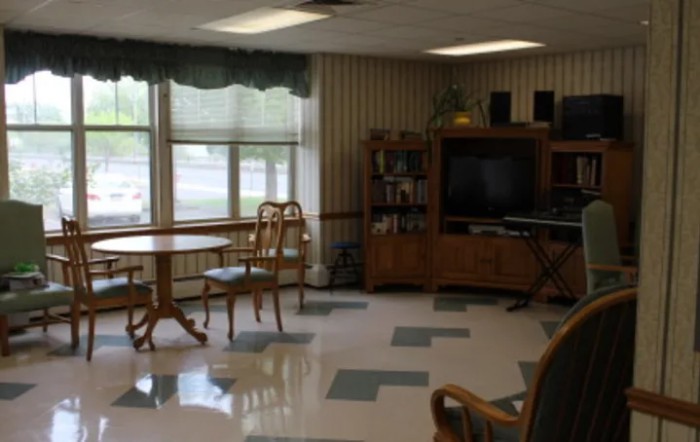
 Small library
 Telephone
 Wi-Fi/high-speed internet available
 Bradley International (3 miles away)
 24-hour call system
 Activities of daily living assistance
 Assistance with bathing
 Assistance with dressing
 Assistance with transfers
 Diabetes diet
 Medication management
 Mental wellness program
 Special dietary restrictions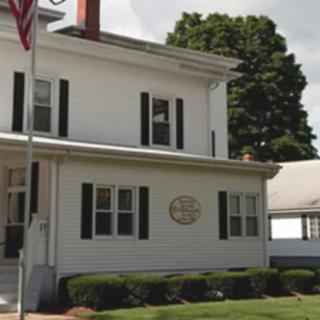




 Supportive Employee Benefits That Help Caregivers Attain Better Work-Life Harmony
 Top Cars for Senior Drivers and Essential Safety Innovations
 A Closer Look at Private Pay Home Care