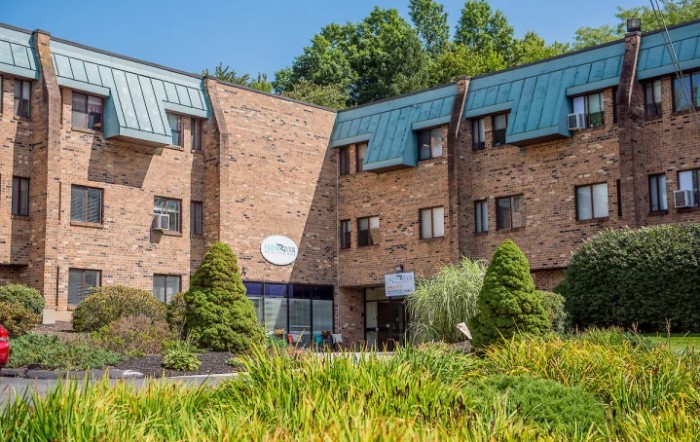
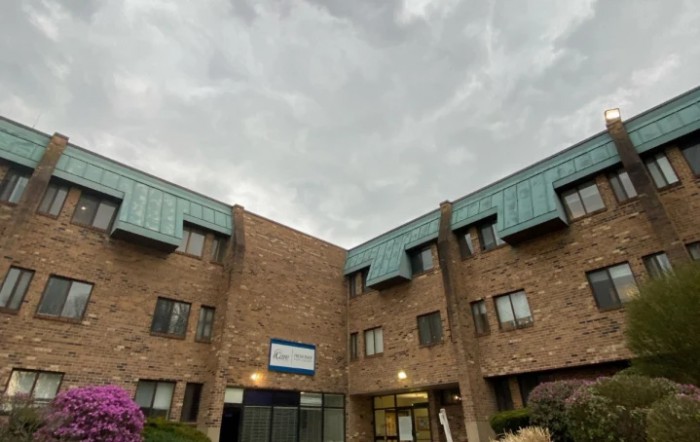

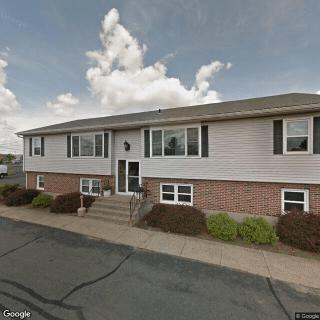
96 Prospect Hill Road, East Windsor, CT 06088
For more information about senior living options: (866) 208-4318
Overall Review of Fresh River Healthcare
Pros
 Everything at Fresh River was wonderful.
- The staff was always watching over him.
- They were kind, attentive, and always willing to help in any way.
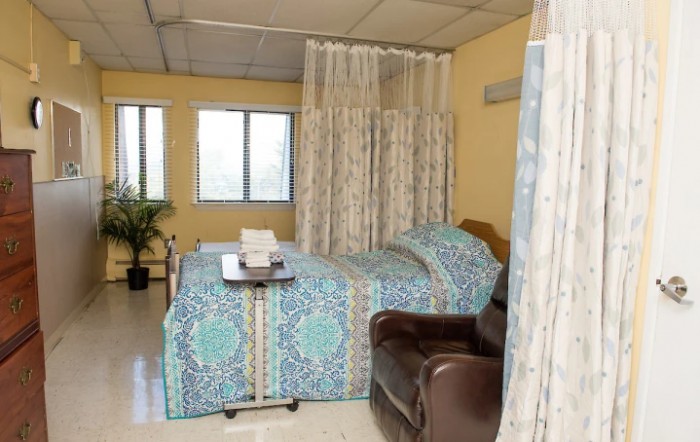
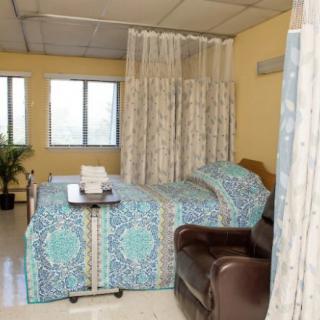
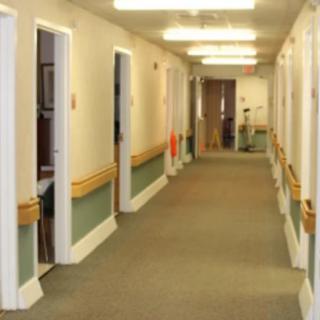
- The room was clean and well taken care of.
- Every member of the staff was caring, kind, and responsive.
- They worked with the family to resolve issues.
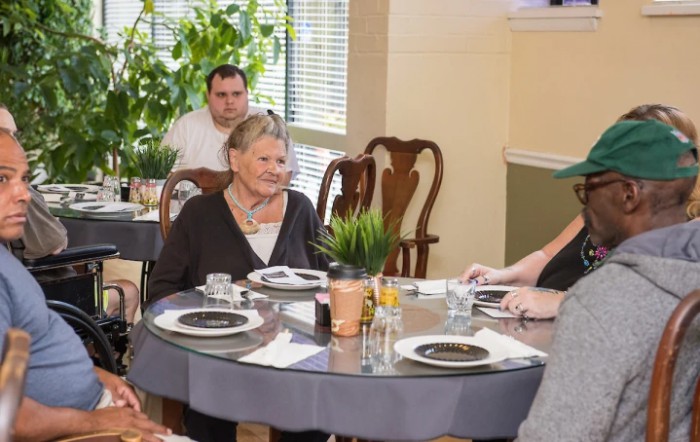
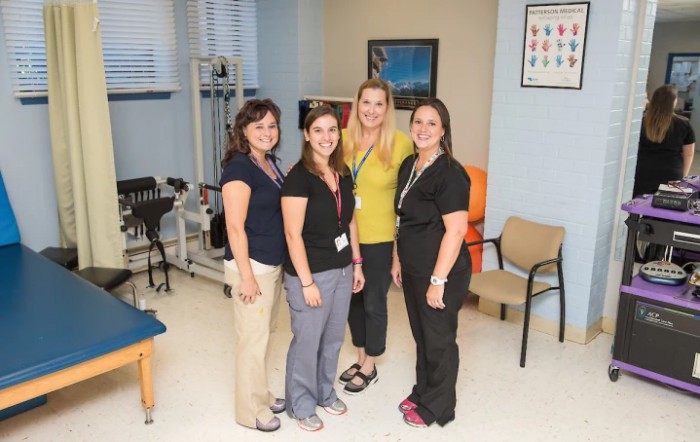
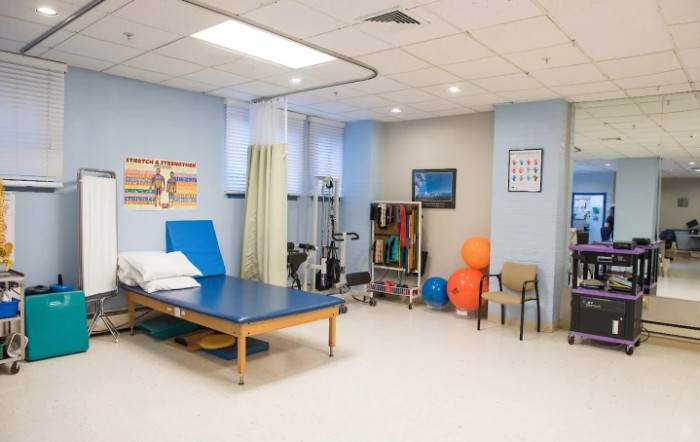
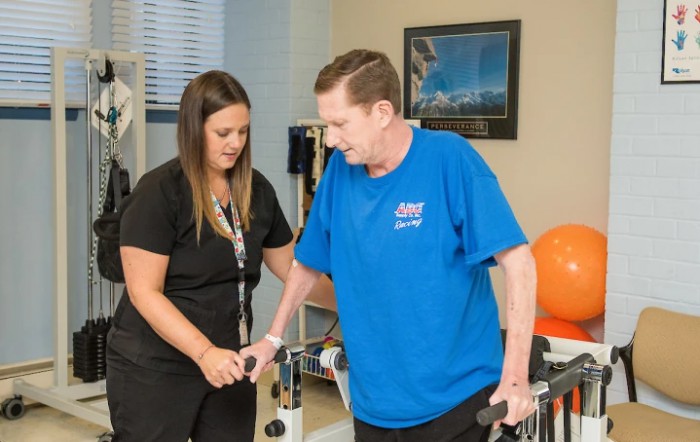
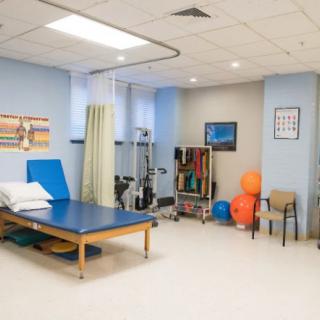
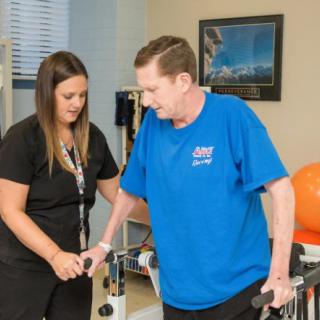
- The facility offers a lot of activities and access to physical therapy.
- The staff are wonderful, caring, and knowledgeable about Huntington's disease.
Cons
 There is definitely not enough staff at this facility.
- The neglect suffered by the reviewer’s family led to a horrible death and should be deemed a crime.
- Do not send anyone here; there is no communication, poor care, not enough staff, unsafe, unsanitary conditions, and mistreatment.
- The facility is absolutely filthy, with basic toilet cleaning beyond the staff’s limited ability.
- Roughly two weeks there, about 85% of nursing staff and aides view patients as major inconveniences.
- The laziness, rudeness, and incompetence of the majority of caregivers are evident, along with their failure to organize necessary paperwork or follow physician orders.
- Being stuck there for three weeks was absolute hell.
Review
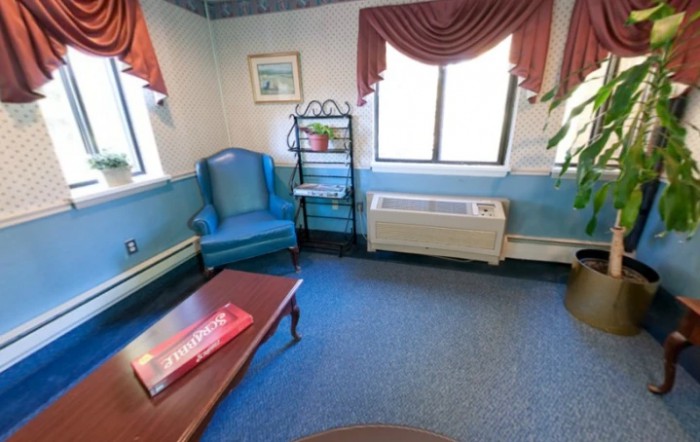
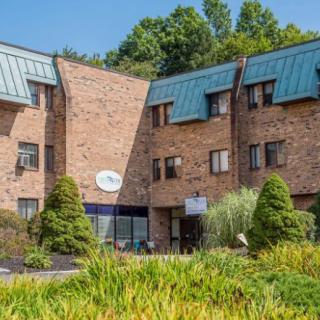
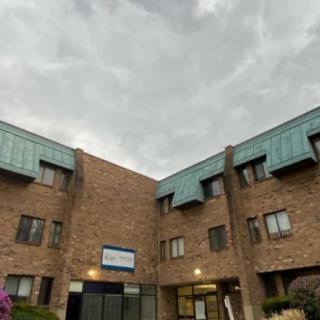
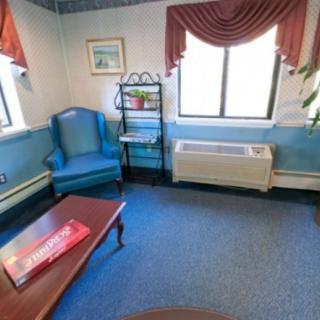
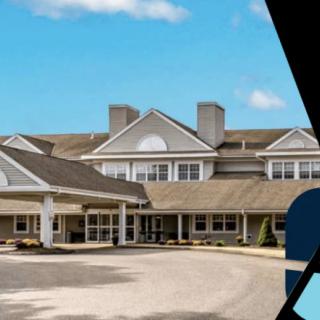
Fresh River Healthcare in East Windsor is best suited for families seeking steady, hands-on nursing care for a loved one with complex medical and cognitive needs, especially neurodegenerative conditions such as Huntington’s disease or advanced dementia. The community earns its keep through a staff culture that is consistently described as caring, responsive, and willing to problem-solve, often even when funds or facility aesthetics are limited. The care model prioritizes daily supervision, timely help, and structured activity options that can support rehabilitation and engagement. In practice, this means residents can receive 24/7 nursing attention, with families noting that caregivers know the residents well and focus on comfort, safety, and individualized support. The building itself is not modern luxury, but the care team can compensate for that with dedication.
However, alternatives will make sense for those who place a premium on pristine sanitation, abundant staffing, or state-of-the-art amenities. Several reviews flag under-staffing, inconsistent communication, and cleanliness lapses that raise legitimate safety concerns. For families whose loved one cannot tolerate any gap in supervision or meticulous adherence to medical orders, a facility with stronger staffing ratios and more robust operational controls may be a better match. If the resident requires highly specialized care beyond what the current team can safely sustain, or if the family cannot engage closely with the facility’s care planning and oversight, pursuing other options is prudent.
On the positive side, many caregivers at Fresh River display genuine warmth, attentiveness, and a willingness to adapt care as conditions change. Residents with Huntington’s or dementia often benefit from staff who understand disease-specific behaviors and can tailor activities and therapies accordingly. Families repeatedly highlight personal touches, the timely responses to concerns, consistent bedside care, and even small gestures of generosity, that can make a tough transition more bearable. Cleanliness is variable but reported as acceptable in several accounts. The strongest counterweight to these strengths is the specter of understaffing and communication gaps, which have led to grievances about missed dressings, delayed treatments, and disorganization. When such issues arise, they can overshadow daily acts of kindness and undermine trust, particularly for fragile patients.
Prospective families should be rigorous in evaluating whether Fresh River can meet specific needs. Schedule a tour and observe how nurses, aides, and the front desk interact with residents. Inquire about nurse-to-resident ratios on day and night shifts, staff turnover, and how care plans are communicated across shifts. Review the availability of Huntington’s- and dementia-trained staff, and ask to meet the administrator or case manager who would coordinate care. Request recent QA metrics, sanitation records, and a snapshot of activities and rehab options. Finally, verify costs, what Medicaid covers, and whether any flexible payment plans exist, along with the facility’s process for addressing complaints and resolving problems.
When to include Fresh River in the shortlist: for residents with meaningful deficits in physical therapy, mobility, and cognition where a compassionate, hands-on team can make a tangible difference, and where a family is prepared to participate actively in care planning and monitoring. The presence of staff who understand Huntington’s and dementia is a notable asset that can lead to better day-to-day stability and behavioral management. The downside, potential staffing gaps, limited amenities, and reports of unsanitary conditions, means that this option is not ideal for families with minimal tolerance for risk or for those seeking a consistently pristine environment. In such cases, alternatives with stronger staffing models and higher-quality facilities should be pursued.
Fresh River Healthcare represents a pragmatic, if imperfect, choice. It can deliver meaningful, compassionate care for residents whose conditions demand continuous nursing and whose families can stay engaged to counter occasional shortfalls. The key is balancing the undeniable warmth and expert attention of the caregiving team against the real risks voiced by families who experienced neglect or poor communication. A decisive choice emerges from a candid assessment of the resident’s medical needs, the family’s capacity to supervise care, and the willingness to tolerate variability in staffing and environment. If those conditions align, Fresh River is worth a close, proactive evaluation.
 140 resident community capacity
 Skilled Nursing Facility
 Air-conditioning
 Beauty salon
 Cable or satellite TV
 Computer center
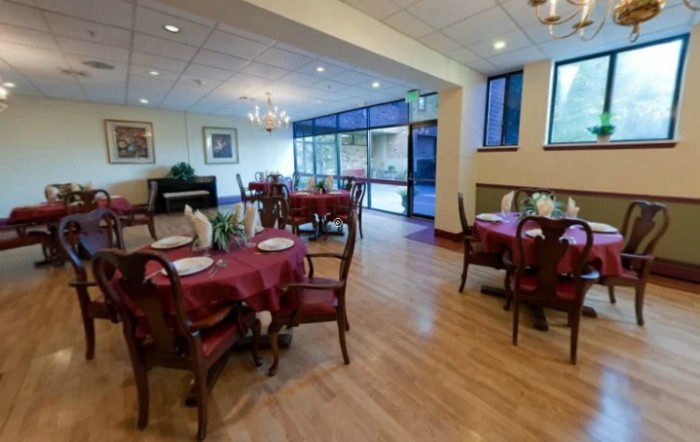
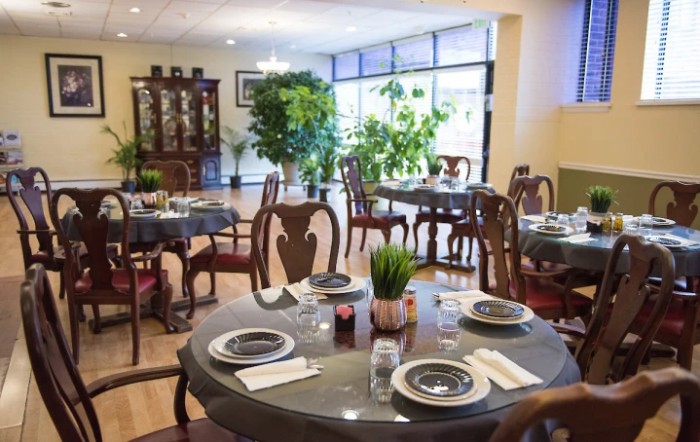
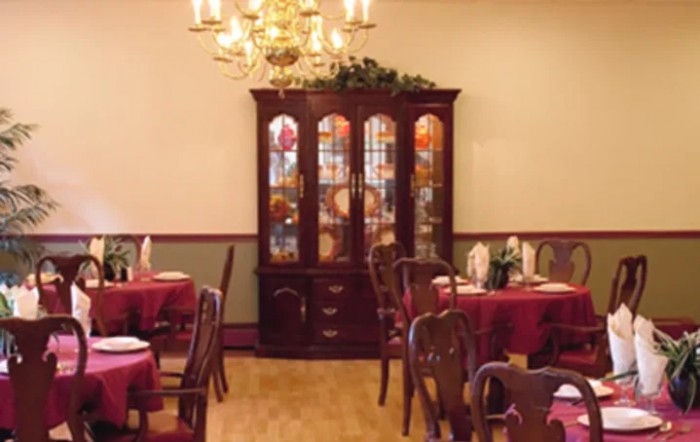
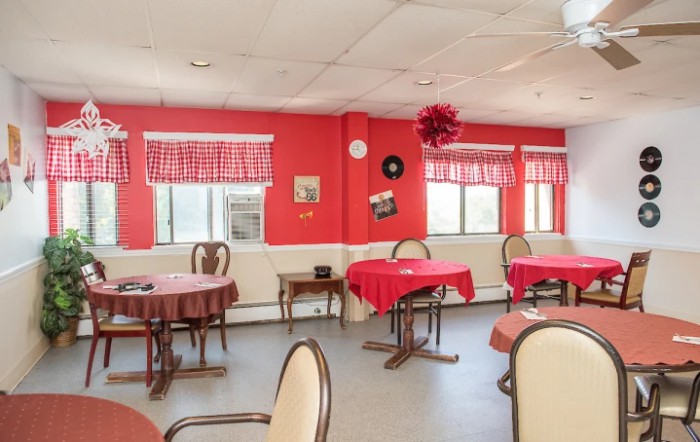
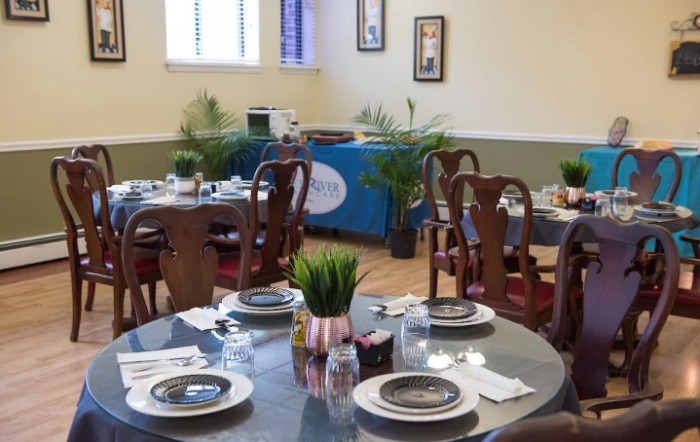
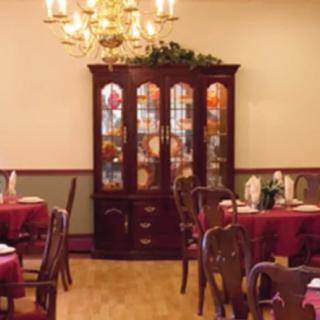
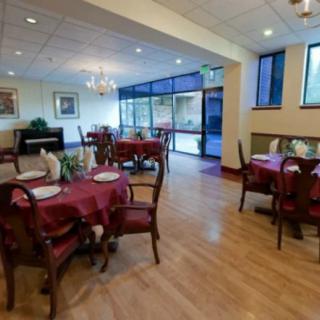
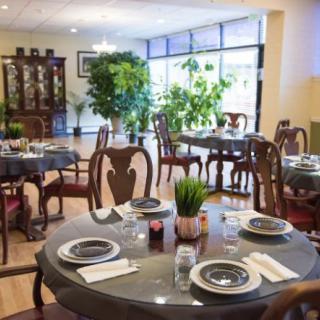
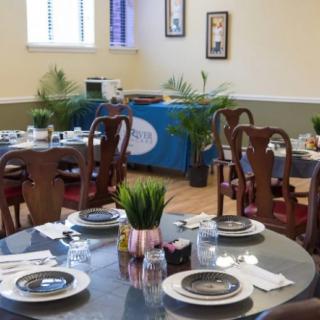
 Dining room
 Fitness room
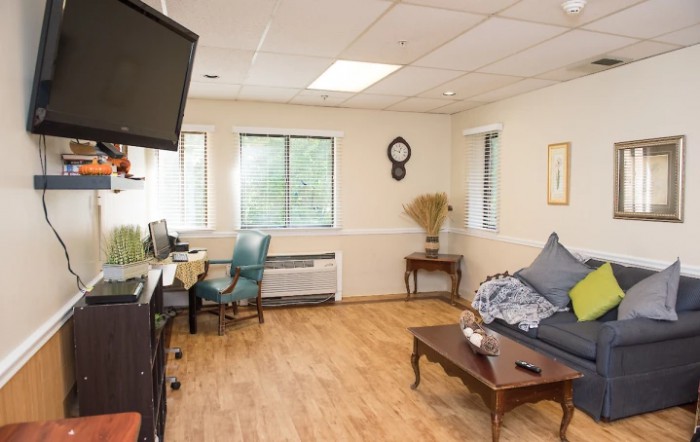
 Fully furnished
 Gaming room
 Garden
 Housekeeping services
 Kitchenette
 Move-in coordination
 Outdoor space
 Private bathrooms
 Restaurant-style dining
 Small library
 Telephone
 Wellness center
 Wi-Fi/high-speed internet available
 Bradley International (4 miles away)
 Community operated transportation
 12-16 hour nursing
 24-hour call system
 Activities of daily living assistance
 Assistance with bathing
 Assistance with dressing
 Assistance with transfers
 Diabetes diet
 Medication management
 Mental wellness program
 Special dietary restrictions
 Concierge services
 Planned day trips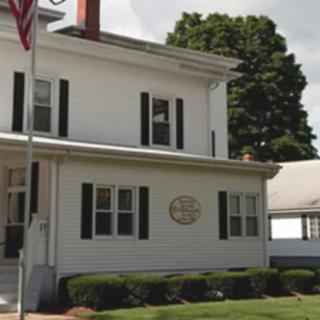


 Weight Training for Seniors: Building Strength and Vitality
 Understanding the Sandwich Generation: Stress and Responsibilities for Multigenerational Caregivers
 8 Essential Assistive Devices for Older Adults