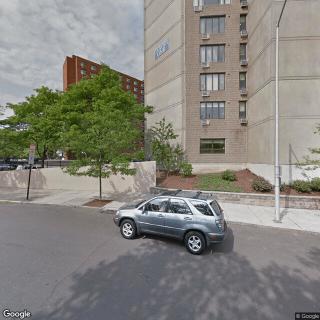
Regalcare At West Haven is a nursing home community in West Haven, CT.
Information last verified:
310 Terrace Avenue, West Haven, CT 06516
For more information about senior living options: (866) 208-4318
3.2 from 39 reviews
5 stars
19
4 stars
3
3 stars
0
2 stars
2
1 stars
15
Overall Review of Regalcare At West Haven
common23 reviews mention this
Staff are caring, but inconsistent
Residents and families often describe staff as friendly and supportive.
Many reviews say staff members are friendly, helpful, and treat residents well, including moments where families felt reassured. Several mentions focus on specific people and support roles, like social workers and on-site staff who helped families during a stay. At the same time, other reviewers describe care that felt uneven or unresponsive, suggesting the experience can vary from person to person and shift to shift.
common9 reviews mention this
Cleanliness is a mixed point
Cleanliness comes up often, with some calling it spotless and others disagreeing strongly.
Positive reviews describe the facility as clean, well-maintained, and tidy. Several negative reviews contrast that by describing unpleasant odors and cleanliness problems, including concerns about showers and overall hygiene. There are also accounts where cleanliness was described as not meeting expectations during rehabilitation or after admission.
caveat13 reviews mention this
Care responsiveness concerns are repeated
Some residents and families report delays and problems getting timely help.
A recurring concern in critical reviews is slow response when assistance is needed, including long waits for aides and issues tied to call bells or phones. Multiple reviewers describe situations where care needs went unmet, such as delayed or missing medications, trouble settling into a room, or inadequate follow-through after a discharge. While some families report excellent care, these complaints point to significant variability in day-to-day responsiveness.
caveat5 reviews mention this
Food quality draws strong opinions
Food is a frequent source of frustration for some families.
Several reviews criticize meals, describing the food as bad or not the best. There are also complaints about food not arriving correctly or being mishandled. A smaller number of comments pair dining concerns with broader dissatisfaction about resident care during the stay.
common3 reviews mention this
Concierge and social support
Residents and families mention helpful concierge and social work support.
Some reviews highlight a concierge by name for taking time to talk with people. Others point to social workers for assistance—especially around the early part of a stay when communication and treatment needed improvement. These mentions suggest support staff can be a bright spot for families navigating the process.
How we summarize
Counts show how many written reviews mention each theme; a review can touch several themes, and only frequently mentioned themes are displayed.
Features
Housing
98 resident community capacity
Types of Care
Skilled Nursing Facility
Amenities
Air-conditioning
Beauty salon
Cable or satellite TV
Computer center
Dining room
Fitness room
Fully furnished
Gaming room
Garden
Housekeeping services
Kitchenette
Move-in coordination
Outdoor space
Private bathrooms
Restaurant-style dining
Small library
Telephone
Wellness center
Wi-Fi/high-speed internet available
Transportation
Community operated transportation
Transportation arrangement
Transportation arrangement (non-medical)
Transportation to doctors appointments
Care Services
12-16 hour nursing
24-hour call system
24-hour supervision
Activities of daily living assistance
Assistance with bathing
Assistance with dressing
Assistance with transfers
Diabetes diet
Meal preparation and service
Medication management
Mental wellness program
Special dietary restrictions
Dining
Diabetes diet
Special dietary restrictions
Activities
Community-sponsored activities
Concierge services
Fitness programs
Planned day trips
Resident-run activities
Scheduled daily activities
Nearby Places of Interest
Hospitals
Veterans Affairs CT Healthcare System: West Haven Medical Center (0.4 miles)
Hill Health Center Grant Street Partnership (1.7 miles)
Yale New Haven Hospital Saint Raphael Campus (2.4 miles)
Milford Hospital Walk In (5.6 miles)
Milford Campus Bridgeport Hospital (6.7 miles)
Cafes
Starbucks (0.8 miles)
Kaiydens Coffee (3 miles)
Starbucks (3.3 miles)
Panera Bread (3.8 miles)
Starbucks (4 miles)
Starbucks (4.8 miles)
Panera Bread (6.5 miles)
Restaurants
Wendy's (0.8 miles)
McDonald's (0.9 miles)
Shell & Bones Oyster Bar & Grill (2 miles)
Chip's Family Restaurant (2.2 miles)
Book Trader Cafe (2.6 miles)
Mamoun's Falafel (2.6 miles)
Arethusa Farm Dairy (2.7 miles)
Transportation
Metro North West Haven Train Station (0.8 miles)
U-Haul Moving & Storage of Orange (1.5 miles)
New Haven Union Station (NHV) - Metro North/Amtrak/Shore Line East (2.5 miles)
Palliative care enhances the quality of life for seriously ill patients by providing comprehensive support at home through a multidisciplinary team, addressing various needs and prioritizing comfort over curative treatments. While it offers personalized care and involves family in decision-making, challenges like caregiver stress and logistical issues persist, with growing demand prompting advancements in technology and healthcare policies to improve access.
Palliative home care focuses on improving the quality of life for individuals with serious illnesses by providing comfort, symptom management, and emotional support in their own homes. This approach includes personalized care plans, regular assessments, and resources for family caregivers, all while prioritizing person-centered treatment that aligns with patients' goals.
Skilled nursing facilities (SNFs) provide high-level medical care and rehabilitation for short-term recovery, typically covered by Medicare after hospitalization, while nursing homes focus on ongoing custodial care for chronic conditions, mainly funded by Medicaid or private payments. The staffing and regulatory structures differ significantly between the two, necessitating clarity for families in choosing appropriate long-term care options.
Get PricingAsk A QuestionSchedule A TourContact Senior Advisor
By clicking submit, you agree to our Partner's Terms of Use. You
also consent to receive calls and texts, which may be autodialed, from our Partner. Your consent is not a condition to
using our Partner's service. Please visit our Partner's Privacy Policy for information about their privacy practices.

 98 resident community capacity
 Skilled Nursing Facility
 Air-conditioning
 Beauty salon
 Cable or satellite TV
 Computer center
 Dining room
 Fitness room
 Fully furnished
 Gaming room
 Garden
 Housekeeping services
 Kitchenette
 Move-in coordination
 Outdoor space
 Private bathrooms
 Restaurant-style dining
 Small library
 Telephone
 Wellness center
 Wi-Fi/high-speed internet available
 Community operated transportation
 12-16 hour nursing
 24-hour call system
 Activities of daily living assistance
 Assistance with bathing
 Assistance with dressing
 Assistance with transfers
 Diabetes diet
 Medication management
 Mental wellness program
 Special dietary restrictions
 Concierge services
 Planned day trips
 Excellent access to nearby healthcare and amenities.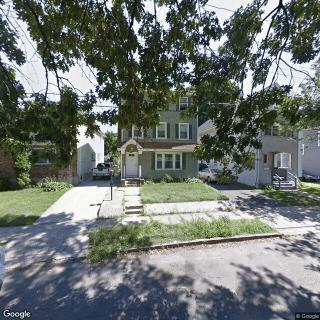



 Exploring Palliative Care in the Home: A Comprehensive Overview
 Comprehensive Insights into Palliative Home Care: What It Is and What to Expect
 Skilled Nursing Facilities vs. Nursing Homes: Making Sense of the Differences