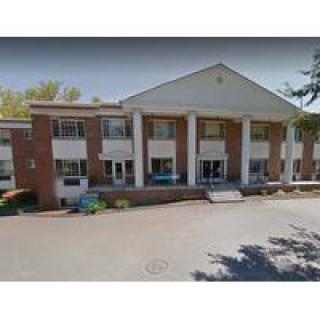
128 Cedar Avenue, Waterbury, CT 06705
For more information about senior living options: (866) 208-4318
Overall Review of Waterbury Gardens Nursing And Rehab
Pros
 The facility is beautiful.
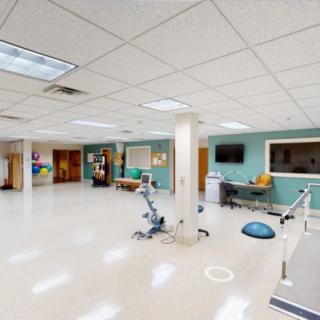
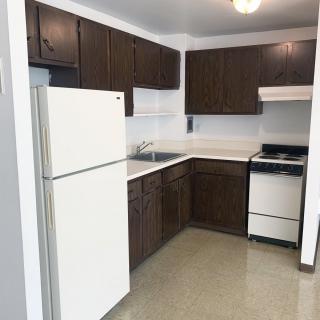
- It features fresh paint, new furniture, a large clean kitchen, and a sunny dining room.
- The staff are very friendly and kind.
- Waterbury Gardens residents are well cared for.
- The staff's work ethic is very good.
- The dining room meals are nice.
Cons
 This place is a death sentence.
- The State of CT should be ashamed and held accountable for what they allowed at this house of horror.
- The social workers that push patients to go to this place should be fired.
- The administration there has first-class tickets to hell.
- Anyone considering this place would not want to send their enemy here.
- There is corruption and cover-ups surrounding the facility.
- The staff never answer their phones or return calls from family.
- The patient was given too much insulin and not properly fed.
- The patient was not turned and developed bed sores that went to the bone.
Review
Waterbury Gardens Nursing And Rehab is best considered for families seeking a recently renovated, visually appealing environment with approachable staff and clear, accessible spaces. The facility’s turnover to a refreshed presentation, fresh paint, new furniture, a large, clean kitchen, and a sunny dining room, conveys pride in its appearance and daily ambiance. For residents whose needs are primarily about daily care in a pleasant setting and for families who can be present and engaged, this combination can support a comfortable, home-like feel. However, this community is not a blanket fit for every situation, and those with high-risk medical needs or a history of care gaps should actively seek alternatives.
Alternatives merit serious consideration for families prioritizing rigorous clinical oversight and proven outcomes. Several reviews raise alarms about neglect, preventable complications, and inconsistent responsiveness. When a loved one requires meticulous wound care, timely turning, precise diabetes management, or rapid communication with family, these red flags become decisive. Prospective residents with significant medical frailties or a history of dehydration, bedsores, or insulin-related issues may find safer options elsewhere. The inconsistency in phone calls and the sense that administrative or state-level accountability has been an ongoing struggle are also meaningful cautions.
On the upside, Waterbury Gardens does offer tangible day-to-day strengths that can matter in decision-making. The refreshed facility, with its bright spaces and welcoming atmosphere, can improve mood and daily functioning for many residents. Staff in some accounts are described as friendly and engaged, and at least one family notes that visits are easy to arrange and that regular communication occurs when needed. For families living nearby, or those who value straightforward visitation and visible staff accessibility, these factors translate into a practical, reassuring presence that supports ongoing oversight.
Yet the strongest advantages are overshadowed by substantial safety and care concerns. The most troubling reviews recount bedsores reaching bone, dehydration, insulin administration issues, and a perceived lack of turning or repositioning. When these clinical red flags appear, the ability to verify care through unannounced checks, timely call-backs, and proactive problem-solving becomes critical, and that is where the accounts diverge. The combination of reported neglect and questions about fund handling in some families’ accounts further erodes confidence in financial and medical stewardship, complicating decisions for those with limited local access.
Visitability and oversight emerge as a double-edged sword. The ability to sign in and show vaccination status is practical, but other reviews describe appointment-only visits and delays in family members being able to check on a loved one in person. In settings where rapid escalation of concerns may be required, this rigidity can impede necessary interventions. For residents who rely on continuous monitoring and frequent family updates, a facility that cultivates consistent, proactive communication becomes non-negotiable. The current pattern suggests a strong emphasis on surface-level hospitality and comfort, with uneven consistency in critical clinical governance.
In the end, Waterbury Gardens presents a conflicted value proposition. The refreshed environment and friendly demeanor create a favorable first impression and can support a decent daily living experience for some residents. The decisive caveat is that serious care-quality questions persist in multiple reviews, particularly around mobility management, wound care, nutrition, and responsive communication. Families weighing options should prioritize facilities with verifiable, ongoing excellent performance in clinical metrics, emergency responsiveness, and transparent financial practices. If Waterbury Gardens is chosen, implement a rigorous oversight plan: insist on clear, written care protocols; demand regular, documented updates; and insist on unencumbered access for family oversight and rapid escalation if concerns arise.
 150 resident community capacity
 Skilled Nursing Facility
 Air-conditioning
 Beauty salon
 Cable or satellite TV
 Computer center
 Dining room
 Fitness room
 Fully furnished
 Gaming room
 Garden
 Housekeeping services
 Kitchenette
 Move-in coordination
 Outdoor space
 Private bathrooms
 Restaurant-style dining
 Small library
 Telephone
 Wellness center
 Wi-Fi/high-speed internet available
 Community operated transportation
 12-16 hour nursing
 24-hour call system
 Activities of daily living assistance
 Assistance with bathing
 Assistance with dressing
 Assistance with transfers
 Diabetes diet
 Medication management
 Mental wellness program
 Special dietary restrictions
 Concierge services
 Planned day trips




 Urinary Tract Infections in Older Adults: Comprehensive Insights on Symptoms, Treatment, and Prevention
 California's Form 602A: An In-Depth Examination of Senior Care Assessment
 Comprehensive Look at Senior Blood Pressure Charts: Normal and Elevated Levels by Age