Overall Review of Waterbury Gardens
common
5 reviews mention this
Cleanliness quality comes up often
Residents mention both clean, updated areas and cleanliness lapses.
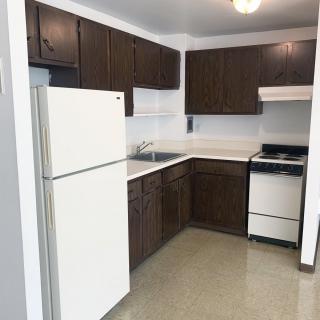
Some reviewers describe the facility as newly refreshed and generally clean, including a sunny dining room and areas that stay tidy. Others report problems like dirty linens and that cleaning quality is not good. One reviewer also contrasts a cleaner downstairs with an upstairs they wish were cleaner. Overall, cleanliness is mixed across resident experiences.
common
8 reviews mention this
Staff helpfulness is a mixed theme
Many reviewers say staff are friendly and responsive during day-to-day visits.
Several reviewers say staff are kind, friendly, and helpful, and that they keep families informed. A few also describe staff as attentive and engaged with residents, including therapy staff. At the same time, other reviews raise serious concerns about care delivery and whether staff answer calls or respond to issues. The staff experience therefore varies widely by reviewer.
caveat
8 reviews mention this
Care quality concerns drive negatives
A recurring concern is that care fell short for residents with serious health needs.
Several negative reviews describe neglect-related outcomes, including deterioration and residents developing severe bed sores. Others cite medication or feeding problems, including insulin and diabetic care concerns. Some reviewers also describe delayed or insufficient responsiveness, which they connect to worsening conditions. Together with the positive reviews, this creates a strongly mixed picture of medical and daily care quality.
caveat
5 reviews mention this
Response times and staffing concerns
Some reviewers report slow responses and staffing limits.
A few reviewers say the call-button and daily needs are not handled promptly enough. Others describe limited coverage, saying there aren’t always enough staff on hand. There are also complaints about phones not being answered and about visit scheduling leading to waiting. These issues are tied by reviewers to the level of support residents and families feel they’re getting.
common
2 reviews mention this
Therapy support is praised
At least two reviewers say therapy is helping.
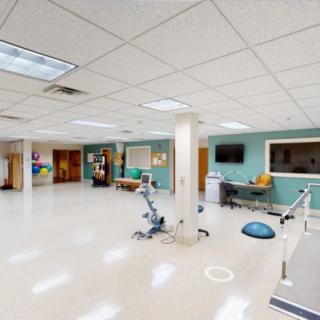
One reviewer highlights that therapy ladies are wonderful, and another says therapy has been going well and helping a loved one. These comments focus on the day-to-day support residents receive through therapy. While other reviews raise broader care concerns, therapy-specific experiences are positive where described.
common
2 reviews mention this
Meals are a point of disagreement
Dining gets both positive meal feedback and negative food complaints.
Some reviewers say residents like the meals, and one mentions their loved one’s food preferences. Other reviews describe the food as disgusting and also note concerns about whether diet-specific options are available. Overall, dining satisfaction depends heavily on the reviewer’s experience.
How we summarize
Counts show how many written reviews mention each theme; a review can touch several themes, and only frequently mentioned themes are displayed.

 Skilled Nursing Facility
 Activities on-site
 Indoor common areas
 Respite or short term stays offered
 High acuity care
 Incontinence care
 Medication management
 Meals provided
 Dedicated staff with strong communication and spacious, rehab-focused rooms.




 Comprehensive Exploration of Living Wills and Other Advance Directives
 A Detailed Exploration of Living Wills and Advance Directives
 Comprehensive Guide to Medicare Coverage for Hospice Care