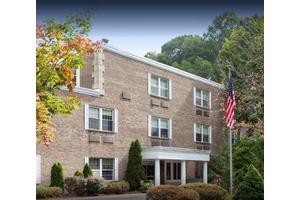







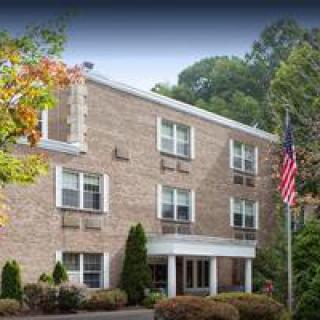




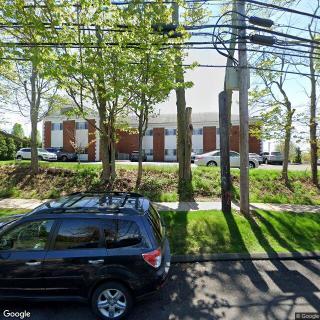
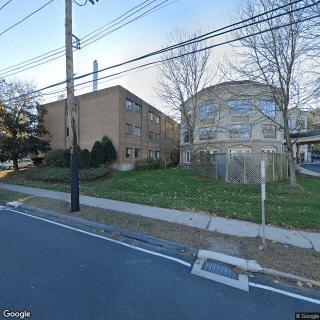
55 Kondracki Ln, Wallingford, CT 06492
To contact a resident: (203) 265-6771
For more information about senior living options: (866) 208-4318
Overall Review of Village Green of Wallingford
Pros
 Nurses and aides are doing their best for patients with the little they have to work with.
- The staff are great.
Cons
 The facility lacks enough staff to attend to patients' needs.
- The staff have been working with insufficient personal protective equipment.
- There are not enough gowns for staff to go to the floors.
- Dietary, laundry, and janitorial staff are using masks stored in a bag for the next day.
- The staff work in fear of contaminating their families after shifts.
- The facility is the worst place to place a loved one.
- The staff are not attended to sufficiently by management.
- The supervisors are the worst to deal with, and medication decisions come from doctors not on the premises.
- The staff are very rude and very lazy.
- The facility needs to be investigated by the state; more complaints are needed to make a difference.
- Dr Taber is accused of prescribing psychiatric medications to cover up neglect.
- The facility is understaffed and in need of repairs and updating.
Review
Village Green of Wallingford is best suited for seniors who mostly need light assistance and whose families are prepared to stay closely involved, monitoring daily care and advocating for basic standards. It is not a good fit for residents with significant medical needs, complex nursing requirements, or memory care needs. Those seeking reliable 24-hour supervision, consistent medical oversight on-site, and a consistently clean, well-maintained environment should look elsewhere. The facility’s strongest signal is the willingness of frontline staff to try, even when resources are thin; the real question is whether that effort can be sustained long enough to ensure safe, dignified care over time.
Families weighing alternatives should assume this is a last-resort or transitional option rather than a home chosen for ongoing high-quality care. Alternatives with stronger staffing ratios, clearer supervision, and more robust housekeeping and maintenance programs are worth evaluating. Prospective buyers should compare state inspection histories, talk to current residents and families at competing communities, and scrutinize daily routines, dining quality, and activity options. If memory care, dementia support, or intensive medical management is a must, broader search becomes essential rather than settling for a facility with chronic systemic gaps.
The limited positives in this setting come from the frontline caregivers who, against steep odds, deliver attention and kindness where possible. When nurses and aides are present, they tend to be attentive and respectful, and their commitment can translate into meaningful moments for residents. That goodwill matters, but it does not erase the core imbalance between expectations and reality. The most compelling counterweight to this strength is the pervasive under-resourcing: insufficient staff to meet all needs, limited housekeeping, and a facility atmosphere that often signals deferred maintenance. In practical terms, care quality rises or falls with staffing, and Village Green’s staffing reality regularly undercuts reliability.
The most consequential drawbacks are systemic and non-negotiable for families evaluating safety and daily quality of life. Understaffing translates into delayed assistance, missed routines, and reduced supervision. Housekeeping and janitorial shortfalls leave common areas dull or dirty, with a tangible sense that maintenance is not a priority. Food and activities are described as mediocre or lacking, and the facility shows signs of aging without timely updates. Notable concerns include a lack of consistent oversight, medication decisions appear to be driven by external physicians rather than on-site teams, and a perception among some families that expectations are not consistently met. These factors collectively erode trust and increase the emotional burden on families trying to safeguard their loved ones.
Decision-making should center on a concrete due-diligence plan. Prospective residents and families should request recent state survey results, review any open violations, and ask hard questions about staffing ratios at all shifts, the cadence of housekeeping, and how dietary and activity programs are actually implemented day to day. Tour the environment at different times, speak candidly with current residents and families, and observe how staff respond to calls for assistance. If memory support or higher acuity care is anticipated, insist on concrete plans for escalation, on-site nursing coverage, and a clear pathway to higher-level facilities if needs escalate. Have a backup plan in place and be prepared to pivot if ongoing concerns persist.
In the end, Village Green of Wallingford represents a cautious choice for those with very specific limits on budget and flexibility, coupled with a readiness to stay actively involved. It is not a recommendation for anyone prioritizing consistent quality, strong cleanliness standards, or robust medical and activity programming. Families should approach with clear expectations, a rigorous monitoring routine, and a preparedness to explore superior options if the daily experience begins to diverge from basic safety and dignity. A prudent decision here treats the facility as a temporary, tightly supervised arrangement rather than a long-term home.
 Skilled Nursing Facility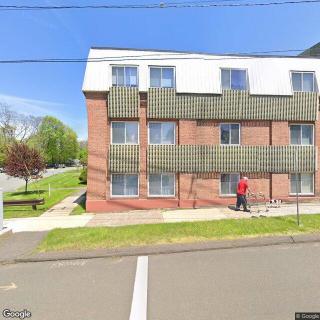





 Nurturing Our Loved Ones: A Daughter's Journey in Caring for Her Mother
 Nurturing Our Elders: Linda's Journey of Supporting Her Mother
 A Comprehensive Exploration of Common Misunderstandings about Powers of Attorney