


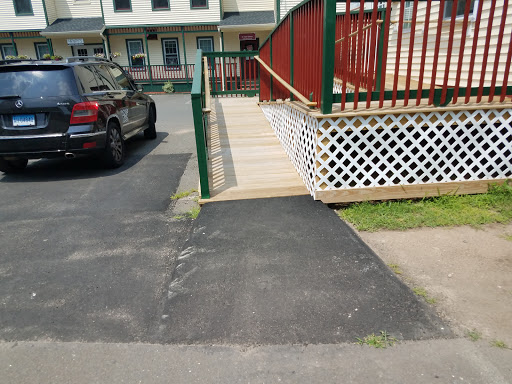






7 Wallace Row, Wallingford, CT 06492
To contact a resident: (203) 269-4400
For more information about senior living options: (866) 208-4318
Overall Review of Right At Home-Wallingford, CT
Pros
 They were very happy with the service provided by the staff and owner of Right At Home (Wallingford).
- Robin and Josh are compassionate and professional caregivers.
- Crystal kept families informed about caregiver status and timing.
- Simona’s care for clients is genuine and heartfelt.
- Tracy did an exceptional job meeting her husband’s needs while respecting the family’s preferences.
- Right at Home met the challenge of providing good care at low wages to maintain round-the-clock care.
- The aides were amazing caregivers for the father.
- The caregivers are compassionate and reliable.
Cons
 Money and jewelry were stolen by two different caregivers within the first 24 hours after bringing the aunt home from the hospital.
- The owner intimated that the aunt's belongings were stolen by a sister or by a family member.
- The police could do nothing.
- Tracy took the father's money and did not return it.
- The company took almost $1,000 from the father and refused to return the deposit.
- The owner did not refund the father's deposit, claiming that he owed money for care.
- There was no explanation given for why the father was charged for services while in a facility.
Review
Right At Home-Wallingford is best suited for families that want reliable in-home care from compassionate, hands-on caregivers who can handle ongoing daily living tasks and, importantly, memory-care challenges in Wallingford. The reviews repeatedly highlight staff who show genuine concern, paired with a home-office team that keeps families informed about caregiver availability and scheduling. This community excels when a loved one needs regular, personable support rather than clinical or medication-heavy oversight, and when families value a care team willing to step in personally to meet difficult needs. For families seeking continuity of care, clear communication, and a responsive local owner-driven operation, this provider often delivers.
Those who may want to consider alternatives include families with heightened sensitivity to financial trust and risk, or those needing tighter safeguards around billing and deposits. Several reviews reference disputes over money and deposits, and concerns about how issues are handled administratively. If a strict, policy-driven approach to charges, refunds, and accountability is essential, or if there is a desire to avoid potential friction with an owner-led management style, exploring other providers with more formalized grievance procedures and documented financial protections could be prudent. For families prioritizing 24/7 clinical oversight or highly structured care plans, a different model may fit better.
The strongest positives here revolve around caregiver quality and dependable scheduling. Commenters consistently praise caregivers for compassion and reliability, with staff arriving on time and delivering personalized assistance across a wide range of daily tasks. The willingness of staff to accommodate challenging situations, such as dementia-related needs, and even to provide hands-on care when necessary is repeatedly cited as a core strength. The home-office side is credited with keeping families informed, adding a layer of reassurance for those juggling multiple care needs. When care plans are well-matched to a loved one’s routines, these strengths translate into meaningful daily improvements and smoother family dynamics.
However, the negative threads cannot be ignored. The most damaging concerns center on financial handling and perceived mismanagement by the ownership. One family recounts a substantial deposit issue and ongoing billing discrepancies that culminated in a perceived lack of accountability, with the owner reportedly resisting refunds and, in some versions of the story, implying the fault lay with the family. Another review highlights a chilling incident of theft by caregivers and suggests a problematic response by leadership that damaged trust. Taken together, these experiences cast a long shadow over otherwise solid caregiver performance and create a nontrivial risk for families considering long-term commitments.
For decision-making, it matters to verify several practical points before committing: how deposits are documented, what protections exist against improper charges, and what steps are taken if a caregiver is unavailable or if a concern arises. Families should seek explicit, written agreements detailing billing cycles, refund policies, and a clear escalation path for disputes. It’s also wise to confirm caregiver-to-client ratios, backup staffing plans, and dementia-specific training, along with checks on criminal history and ongoing supervision. A transparent pilot period with measurable milestones can help separate promising care from opportunity-laden risk.
In the end, Right At Home-Wallingford offers a compelling option for families who prize compassion, dependable scheduling, and hands-on caregiver involvement, especially when dementia care is a central concern. Yet the standout caution is governance: the potential for financial disputes and trust issues tied to an owner-led model. For families prioritizing risk minimization and crystal-clear protections around money and care quality, evaluating alternatives or insisting on robust, written safeguards is wise. If a measured, trial approach is possible, starting with a clearly defined, short-term arrangement will illuminate whether the caregiving chemistry and operational habits align with long-term needs.








 Understanding Home Health Care: A Comprehensive Guide
 Home Health Care Demystified: A Comprehensive Guide for Families and Caregivers
 Seniors and Modern Transportation: Exploring Uber, Lyft, and Other Ride-Hailing Options