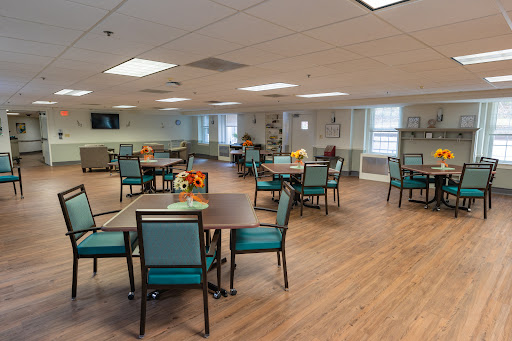
Masonicare Health Center in Wallingford, CT

Save

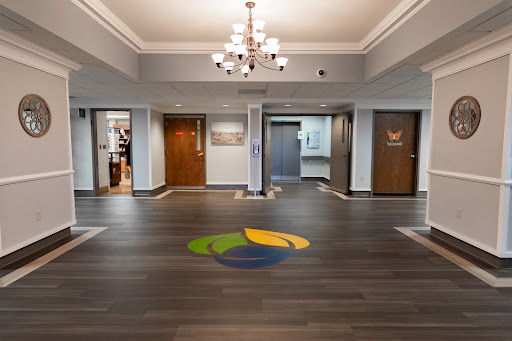
  • Interior

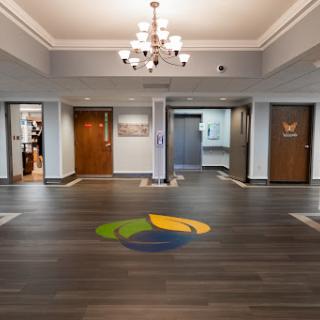
    A spacious and modern lobby featuring a stylish chandelier and elegant wooden flooring.
  • Decor

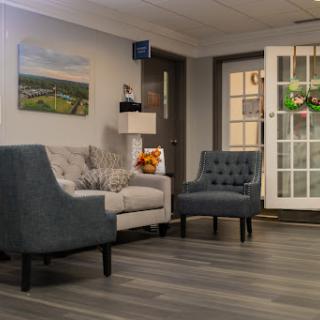
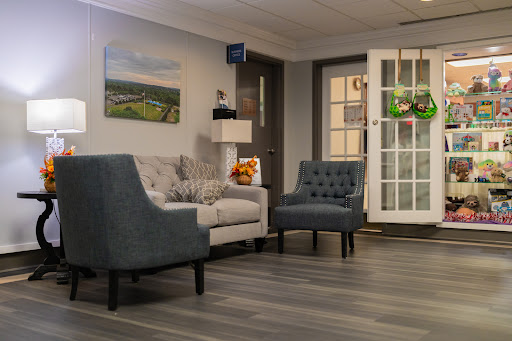
    A cozy living room featuring a gray sofa, armchair, and a welcoming atmosphere.
  • Building

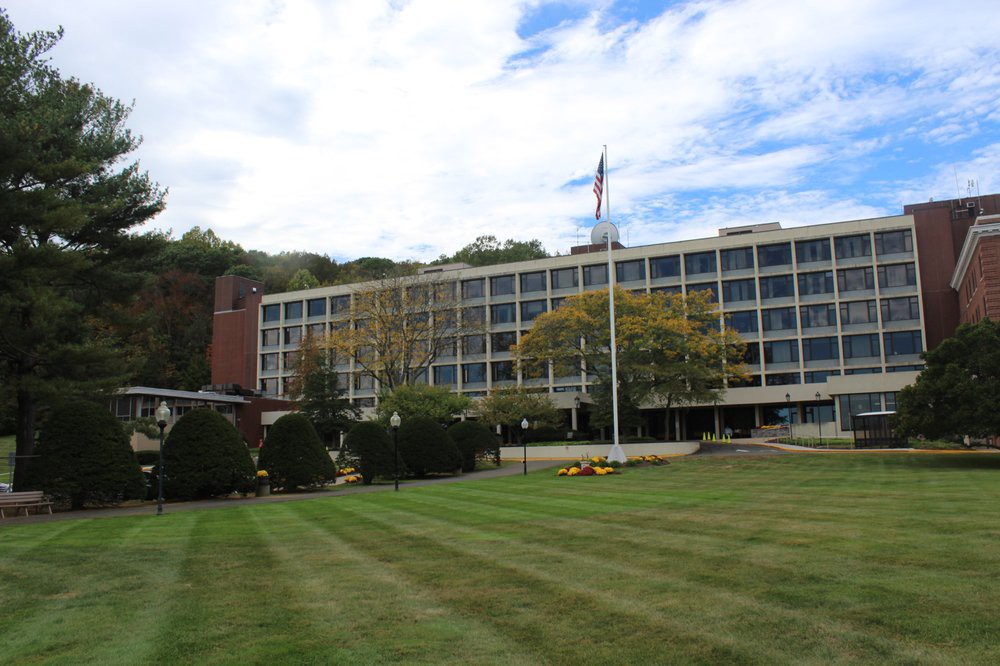
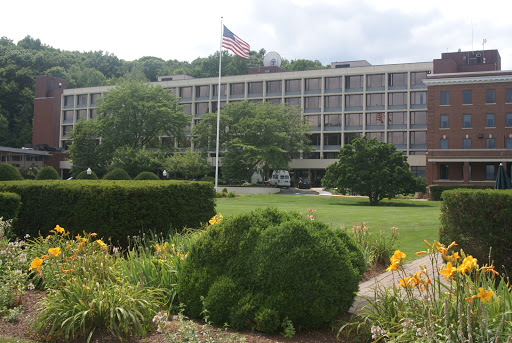
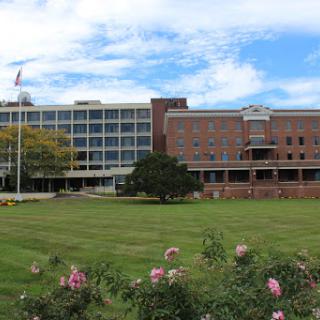
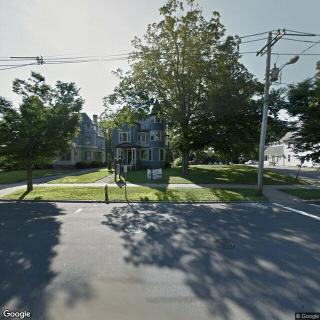
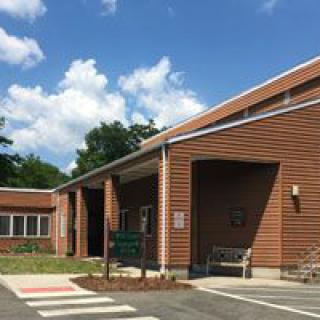
    A large building with multiple windows, surrounded by a well-maintained lawn, trees, and a flagpole.
  • Architecture

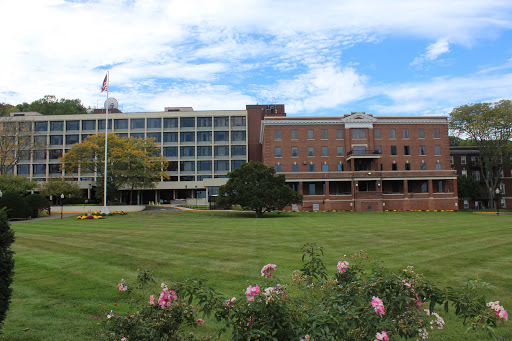
    A view of a modern and historic building against a blue sky, surrounded by green grass and blooming flowers.
  • Windows

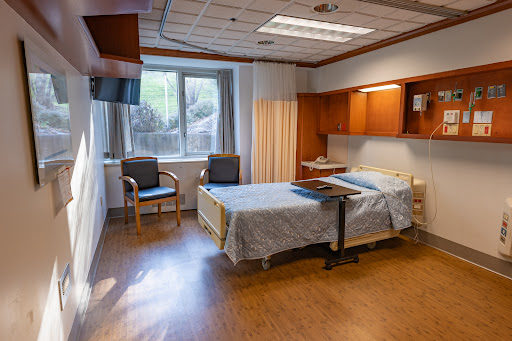
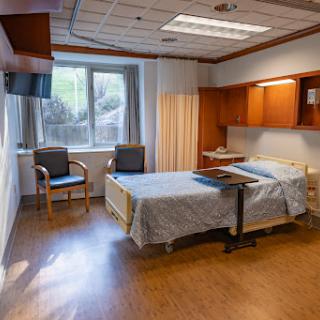
    A well-lit and organized hospital room equipped for patient care.
  • Dining

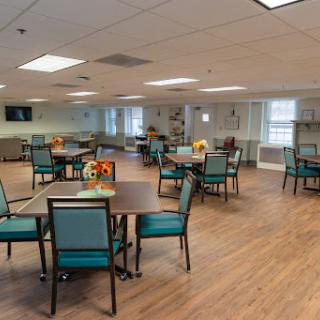
    A spacious and well-lit dining area with tables and chairs arranged for communal activities.
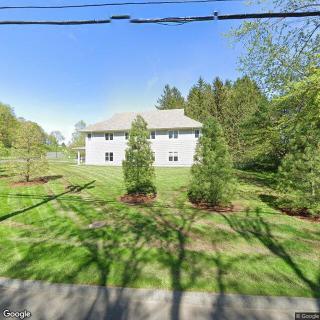
  • Landscaping

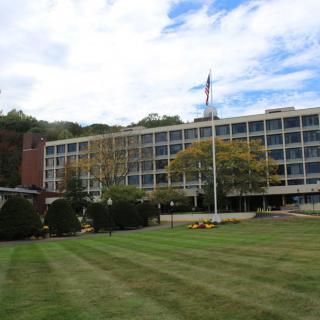
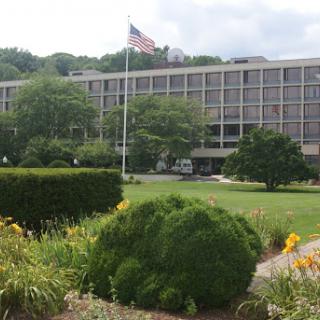
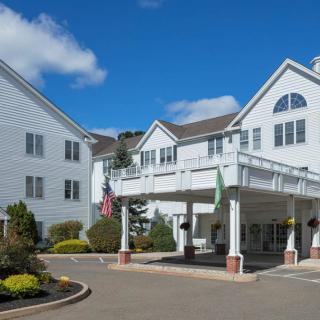
    A view of a modern building with an American flag and landscaped gardens.
  • Lobby

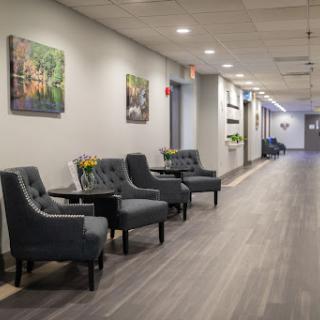
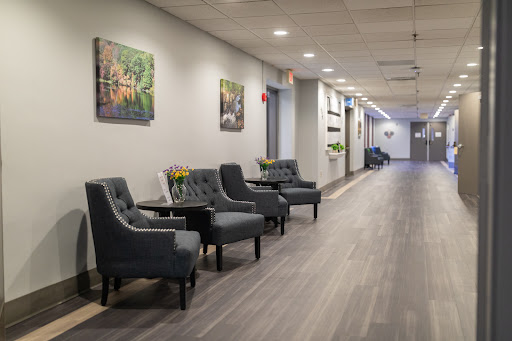
    A well-lit and elegantly designed waiting area featuring comfortable seating and decorative art on the walls.
  • Natural Light

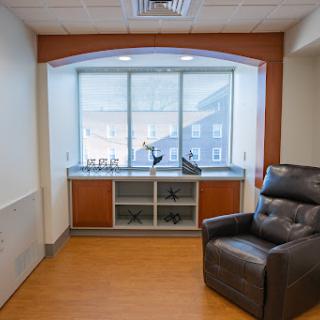
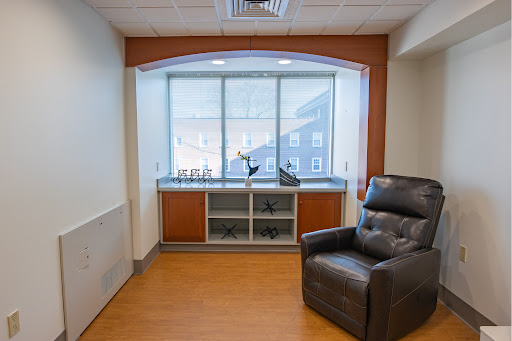
    A cozy corner of a room featuring a comfortable chair and a window with natural light.
  • Lounge

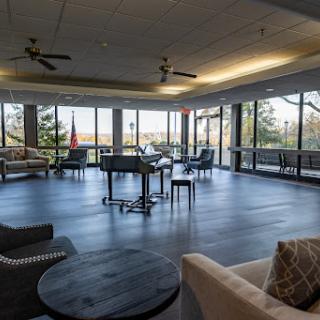
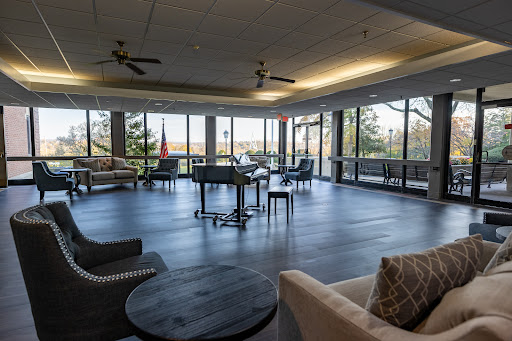
    A bright and modern lounge area featuring comfortable seating and large windows that invite natural light.
  • Flag

    A statue standing proudly in a park, framed by flags and under a beautiful blue sky.
  • Parking

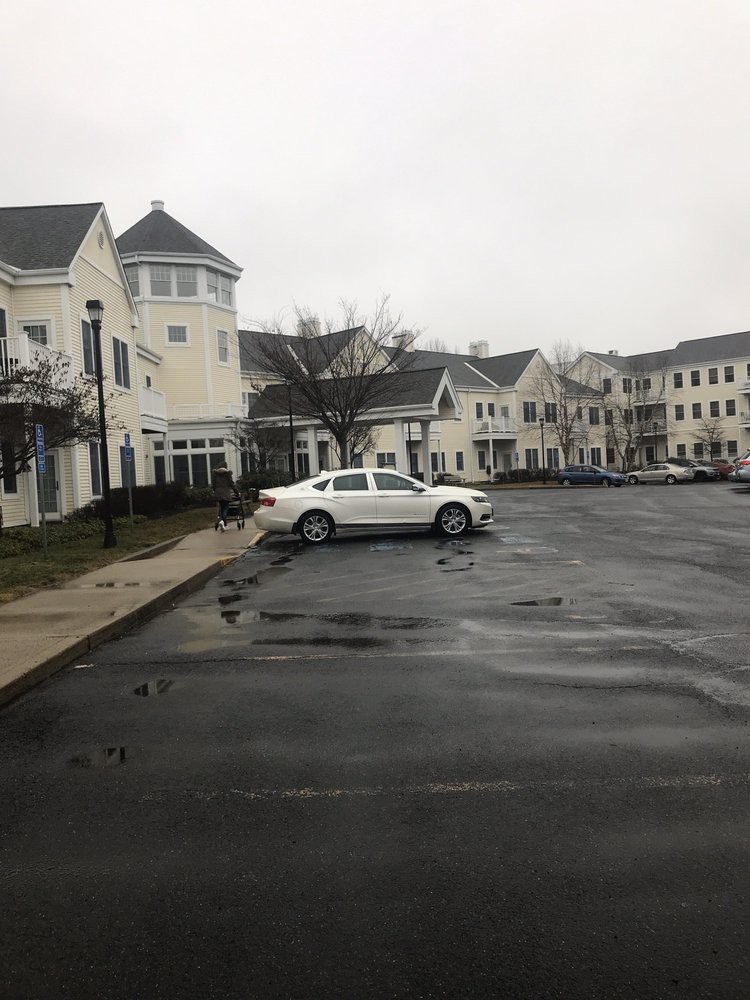
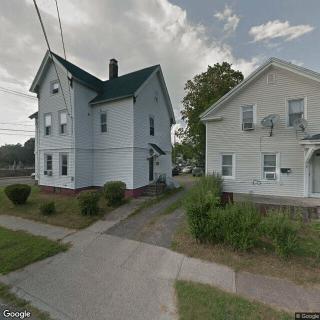
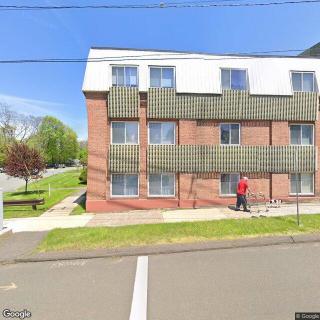
    A parking lot with wet pavement in front of apartment buildings on a cloudy day.

Masonicare Health Center in Wallingford, CT

22 Masonic Avenue, Wallingford, CT 06492

For more information about senior living options: (844) 490-3973

3.3 from 72 reviews
5 stars
37
4 stars
2
3 stars
3
2 stars
3
1 stars
27

Assisted Living Board and Care Home Continuing Care Retirement Community (CCRC) Skilled Nursing Facility

Overall Review of Masonicare Health Center

Pros

  • pro The staff on Ramage Floor 5 are among the best, and Floor 2 staff are compassionate toward residents.
  • pro The CNAs and nurses provide caring, friendly, and knowledgeable care.
  • pro The facility is clean, well-maintained, and welcoming.
  • pro The dining room is attractive and meals are prepared fresh, with rooms and common areas kept pristine.
  • pro The care team communicates well with families and keeps them informed about care plans.
  • pro Rehab and therapy teams are professional, responsive, and dedicated.
  • pro The community offers daily activities and a supportive environment where residents can engage and feel at home.

Cons

  • pro The facility is described as horrible and a place to stay far away from, with neglect and a focus on money.
  • pro Multiple regulatory bodies (Dept of Labor, OSHA, and the state) have called on them, and it's a matter of time before it gets shut down.
  • pro It's alleged that the facility encourages abuse and neglect of patients, with constant complaints from staff and families.
  • pro The building is dirty, outdated, and in need of major renovations; floors are dirty, elevators are damaged, and the environment is depressing.
  • pro Staff and nurses are frequently rude or indifferent; care is inconsistent, with long delays in attending to patients and in administering medications.
  • pro The food service is described as the worst, with microwaved meals and weight loss due to poor nutrition.
  • pro Hospice care is criticized for lack of compassion, missed visits, and poor communication with families.
  • pro Belongings and clothes of patients go missing, and items are not treated with care due to turnover and neglect.
  • pro Overall patient safety and communication have been seriously compromised in some cases, including delayed notifications about falls or medical events.

Review

This community is best suited for families seeking a full-spectrum care campus where skilled nursing, rehabilitation, and long-term care coexist with on-site medical offices and amenities. It works well for residents who can benefit from active therapy, structured daily routines, and ongoing social engagement - particularly on floor assignments where families report compassionate CNA care, attentive nursing staff, and therapy teams driven to restore function. For seniors with Alzheimer's or other complex needs, the campus offers dedicated units and a continuum of services that can be a practical, centralized solution rather than juggling multiple providers. When the goal is steady, hands-on care in a setting with built-in resources, this center can deliver meaningful stability.

At the same time, alternatives should be on the short list for families prioritizing consistently flawless care, flawless communication, and a modern, well-maintained environment. This community is not a slam dunk for those who demand uniform excellence across every shift or who cannot tolerate frequent variability in staff responsiveness. A recurring theme in reviews is the risk of neglectful moments, rude staff, and inconsistent emphasis on patient dignity. Building upkeep and cleanliness surface as concerns in several accounts, and turnover appears to affect consistency of care. For families unwilling to accept uneven experiences or to undergo aggressive advocacy, exploring other options with steadier staffing and more transparent operations is prudent.

The strong points do not disappear even amid the red flags. When rehabilitation is the primary objective, the center's therapy teams - especially physical and occupational therapists - are frequently praised for competency and progress. Long-tenured staff on certain units raise trust and continuity, and some families highlight attentive nurses, supportive social workers, and reassuring on-site medical oversight. The campus structure - complete with multiple care tracks, on-site doctors, and accessible ancillary services like hair care and a gift shop - helps families feel that a loved one can be cared for without bouncing between venues. For residents who value real, tangible care moments and a community that emphasizes activity, these pros can be decisive.

Yet the negatives carry serious weight. A pattern of complaints centers on patient neglect, delayed responses to needs, and frail communication between families and caregivers. Reports of overwhelmed or disengaged staff, inconsistent cleanliness, and ongoing frustration with administrative processes undermine trust. The physical environment itself is described by some as outdated and poorly maintained, with concerns about odor, clutter, and overall atmosphere contributing to a sense of institutional fatigue rather than warmth. In the worst reviews, crucial protections and timely interventions were questioned, and the emotional cost to families who lost confidence is nontrivial.

Given the mixed track record, prospective residents should approach with a tactical plan. During visits, demand current, verifiable data on staff-to-resident ratios by unit, turnover rates, and the training cadence for CNAs and nurses. Request to meet the unit supervisor and the lead therapist; ask how care plans are shared with families and how changes are communicated. Examine a live menu and ask for a representative sample of meals; observe meal service and hygiene. Ask about laundry and personal-item accountability, and inquire how missing items are handled. Request copies of recent state inspections and any corrective-action plans to understand how governance responds to concerns.

In the end, Masonicare Health Center can be a strong choice for families who can capitalize on its rehab strengths, continuity on select units, and the breadth of services on a single campus. It is not a universal solution, however. For families that cannot tolerate uneven care, ongoing staffing gaps, or a visibly aging facility, alternatives with steadier staffing, clearer accountability, and consistently high resident satisfaction deserve serious consideration. The decision should hinge on unit-specific performance, the ability to establish reliable family?care team communication, and a clear, written plan for monitoring quality over time.

Features

Housing

  • 22 resident community capacity 22 resident community capacity

Types of Care

  • Assisted Living Assisted LivingAssisted living facilities provide crucial support and care for seniors who may need help with daily tasks such as medication management, bathing, and meal preparation. These communities offer a safe and comfortable environment where seniors can maintain their independence while receiving the assistance they need to thrive in their golden years.
  • Board and Care Home Board and Care HomeBoard and care homes provide a smaller, more intimate setting for seniors who require assistance with daily tasks but do not need the level of care offered by a nursing home. They offer personalized care, meals, and social activities in a homelike environment, ensuring that seniors receive individualized attention and support in their golden years.
  • Continuing Care Retirement Community (CCRC) Continuing Care Retirement Community (CCRC)Continuing Care Retirement Communities (CCRCs) are important for seniors because they provide a range of housing options and care services all in one location. This allows seniors to age in place and receive the level of care they need as their health changes, without having to move to a new facility. CCRCs provide a sense of security and peace of mind for seniors and their families, knowing that they will be taken care of no matter what the future holds.
  • Skilled Nursing Facility Skilled Nursing FacilitySkilled Nursing Facilities are crucial for seniors as they provide round-the-clock medical care, rehabilitation services, and assistance with daily activities. These facilities ensure that seniors receive the specialized care they need to maintain their health and well-being as they age.

Amenities

  • Activities on-site Activities on-siteActivities on-site are important for seniors because they provide opportunities for socialization, mental stimulation, physical activity, and overall well-being. Engaging in activities can help seniors stay active, maintain their independence, and improve their quality of life.
  • Beauty salon Beauty salonBeauty salons are important for seniors because they provide a space for them to feel pampered, socialize, and maintain their personal grooming and hygiene. Regular visits to a beauty salon can help boost seniors' self-esteem and overall well-being.
  • Cable or satellite TV Cable or satellite TVCable or satellite TV is important for seniors because it provides entertainment, news, and companionship, helping to combat loneliness and boredom. It also offers a wide range of programming options tailored to different interests and preferences.
  • Devotional services off-site Devotional services off-siteDevotional services off-site are important for seniors as they provide spiritual nourishment, social engagement, and a sense of community outside of the senior living facility. This can enhance overall well-being and help combat feelings of isolation and loneliness often experienced by older adults.
  • Dining room Dining roomDining rooms are important for seniors as they provide a space for socialization, connection, and nutritious meals. They offer opportunities for residents to bond over shared meals, foster a sense of community, and promote healthy eating habits. Dining rooms also ensure that seniors have access to well-balanced meals tailored to their dietary needs and preferences.
  • Fully furnished Fully furnishedFully furnished senior living communities are important for seniors because they provide convenience, comfort, and a hassle-free moving experience. Seniors can easily settle into their new living space without the stress of having to buy and move furniture. This allows them to focus on enjoying their new home and community.
  • Garden GardenGardens are important for seniors as they provide a peaceful and therapeutic environment for relaxation, physical activity, and socialization. Being in nature has been shown to reduce stress, improve mood, and promote overall well-being. Gardens also offer opportunities for seniors to engage in gardening activities, which can improve mobility, flexibility, and cognitive function. Additionally, gardens create a sense of community and connection with others who share a passion for plants and outdoor spaces.
  • Housekeeping services Housekeeping servicesHousekeeping services are important for seniors because they help maintain a clean and safe living environment, promote independence, and reduce the risk of accidents or illnesses. Additionally, having assistance with household chores can alleviate physical strain and allow seniors to focus on other aspects of their well-being.
  • Indoor common areas Indoor common areasIndoor common areas are crucial for seniors as they provide a space for socialization, recreation, and community engagement, promoting overall well-being and reducing feelings of isolation and loneliness.
  • Kitchenette KitchenetteKitchenettes are important for seniors living in senior living communities because they provide the convenience and independence of being able to prepare simple meals and snacks in the comfort of their own living space. This can help promote a sense of autonomy and well-being for seniors, allowing them to maintain some level of control over their dietary choices and daily routines.
  • Move-in coordination Move-in coordinationMove-in coordination is important for seniors because it helps ease the transition into their new living environment. It ensures that all logistics, such as packing, organizing movers, and setting up utilities are taken care of, allowing seniors to focus on settling in and adjusting to their new home. Having a smooth move-in process can alleviate stress and anxiety, making the transition smoother and more enjoyable for seniors.
  • Outdoor space Outdoor spaceOutdoor spaces are important for seniors as they provide opportunities for physical activity, social interaction, exposure to natural light and fresh air, and a sense of connection to nature. Having access to outdoor spaces can improve overall well-being and quality of life for older adults living in senior communities.
  • Telephone TelephoneTelephones are important for seniors as they provide a lifeline for communication with loved ones, emergency services, and healthcare providers. They offer a sense of security and independence, enabling seniors to stay connected and access assistance when needed.
  • Wi-Fi/high-speed internet available Wi-Fi/high-speed internet availableWi-Fi/high-speed internet is important for seniors to stay connected with loved ones, access online resources, and participate in virtual activities to combat feelings of loneliness and isolation. It also allows them to easily manage healthcare needs, access entertainment, and engage in lifelong learning opportunities.

Care Services

  • 24-hour call system 24-hour call system24-hour call systems are important for seniors because they provide peace of mind and immediate assistance in case of emergencies. This technology ensures that help is always available, promoting safety and security for elderly individuals living alone or in assisted living facilities.
  • 24-hour supervision 24-hour supervision24-hour supervision is important for seniors to ensure their safety, well-being, and access to immediate assistance in case of emergencies or health issues. This constant support provides peace of mind for both seniors and their loved ones, allowing them to age in place with dignity and security.
  • Activities of daily living assistance Activities of daily living assistanceActivities of daily living assistance are important for seniors because they provide essential support with tasks such as eating, bathing, dressing, and mobility. This assistance helps seniors maintain their independence, dignity, and overall quality of life as they age.
  • Ambulatory care Ambulatory care"Ambulatory care services provide essential medical support and treatment to seniors without requiring hospitalization, allowing them to maintain their independence and quality of life while managing chronic conditions or receiving routine medical care."
  • Assistance with bathing Assistance with bathingAssistance with bathing is crucial for seniors as it helps maintain personal hygiene, prevents infections, and ensures their overall well-being and comfort. It also provides a sense of dignity and independence for seniors who may struggle with this task on their own.
  • Assistance with dressing Assistance with dressingAssistance with dressing is important for seniors because it helps maintain their independence, promotes personal hygiene, prevents accidents and injuries, and improves overall quality of life. This service ensures that seniors can continue to dress comfortably and confidently, despite any physical limitations they may have.
  • Assistance with transfers Assistance with transfersAssistance with transfers is crucial for seniors as it helps prevent falls and injuries, maintains their independence, and ensures they can safely navigate their living environment. It also provides peace of mind for both seniors and their loved ones.
  • Coordination with health care providers Coordination with health care providersCoordination with health care providers is crucial for seniors to ensure proper medical care, medication management, and overall well-being. This collaboration helps prevent overlapping treatments, track progress more effectively, and provide comprehensive support tailored to individual needs.
  • Diabetes diet Diabetes dietA diabetes diet is crucial for seniors as it helps manage blood sugar levels, reduce risks of complications, and improve overall health and well-being. By following a balanced and nutritious diet tailored to their specific needs, seniors can better control their diabetes and enhance their quality of life.
  • Diabetic care Diabetic careDiabetic care is crucial for seniors as they are more susceptible to developing diabetes due to aging and other health conditions. Proper management of diabetes can help prevent complications such as heart disease, vision loss, and nerve damage, improving the overall quality of life for seniors in senior living communities.
  • Meal preparation and service Meal preparation and serviceMeal preparation and service are crucial for seniors as they may have limited mobility or energy to cook nutritious meals. Having access to healthy and convenient food options can ensure they are getting the proper nutrition needed to maintain their overall health and well-being.
  • Medication management Medication managementMedication management is crucial for seniors to ensure they are taking the right medications at the correct dosages and times. This helps prevent adverse drug interactions, reduces the risk of medication errors, and promotes overall health and well-being. Proactive management also allows for adjustments as needed based on changing health conditions or new prescriptions.
  • Mental wellness program Mental wellness programMental wellness programs are essential for seniors as they promote cognitive stimulation, emotional support, and social engagement. These programs help prevent isolation, depression, and cognitive decline, ultimately enhancing the overall quality of life for older adults.
  • Special dietary restrictions Special dietary restrictionsSpecial dietary restrictions are important for seniors because age-related changes in metabolism and health conditions can make it difficult for their bodies to process certain foods. By following a diet tailored to their specific needs, seniors can maintain their overall health and well-being, manage chronic conditions, and reduce the risk of complications such as malnutrition or food interactions with medications.
  • Transportation arrangement (medical) Transportation arrangement (medical)Transportation arrangements for medical purposes are essential for seniors as they may have difficulty driving themselves to appointments or accessing public transportation. Having reliable and safe transportation options ensures that seniors can receive timely medical care and maintain their health and well-being.
  • Transportation to doctors appointments Transportation to doctors appointmentsTransportation to doctors' appointments is crucial for seniors as it ensures they have access to necessary medical care and support for their health needs. Without reliable transportation, seniors may struggle to attend important appointments, leading to potential delays in treatment and health complications. Providing transportation services helps seniors maintain their overall well-being and quality of life.
Dining

  • Diabetes diet Diabetes dietA diabetes diet is crucial for seniors as it helps manage blood sugar levels, reduce risks of complications, and improve overall health and well-being. By following a balanced and nutritious diet tailored to their specific needs, seniors can better control their diabetes and enhance their quality of life.
  • Meals provided Meals provided"Meals provided" are crucial for seniors in assisted living communities as it ensures they have access to nutritious, balanced meals without the stress of meal planning and preparation. This can help promote overall health and well-being for seniors who may have limited mobility or cognitive abilities.
  • Special dietary restrictions Special dietary restrictionsSpecial dietary restrictions are important for seniors because age-related changes in metabolism and health conditions can make it difficult for their bodies to process certain foods. By following a diet tailored to their specific needs, seniors can maintain their overall health and well-being, manage chronic conditions, and reduce the risk of complications such as malnutrition or food interactions with medications.

Activities

  • Activities on-site Activities on-siteActivities on-site are important for seniors because they provide opportunities for socialization, mental stimulation, physical activity, and overall well-being. Engaging in activities can help seniors stay active, maintain their independence, and improve their quality of life.
  • Community-sponsored activities Community-sponsored activitiesCommunity-sponsored activities are important for seniors as they provide opportunities for social interaction, mental stimulation, and physical activity. These activities can help improve overall well-being, combat loneliness and isolation, and promote a sense of belonging and purpose among older adults.
  • Devotional activities offsite Devotional activities offsiteDevotional activities offsite are important for seniors because they provide social engagement, spiritual growth, and a sense of community outside of their living environment. This can improve overall well-being, mental health, and combat feelings of isolation or loneliness.
  • Scheduled daily activities Scheduled daily activitiesScheduled daily activities are important for seniors because they provide structure, socialization, mental stimulation, and physical activity. Engaging in regular activities can improve overall well-being and quality of life for seniors living in a community setting.

Description

Masonicare Health Center in Wallingford, CT is an assisted living community that offers a range of care services and amenities to provide a comfortable and enriching environment for its residents. With options for board and care home, continuing care retirement community (CCRC), and skilled nursing facility care, Masonicare Health Center is able to accommodate the specific needs of each resident.

The community boasts several amenities to enhance the overall living experience. Residents can enjoy the convenience of an on-site beauty salon, as well as access to cable or satellite TV. Devotional services are offered off-site to cater to the spiritual needs of residents, while communal dining rooms provide spaces for socializing over meals. The living spaces are fully furnished with all required essentials, and there are indoor common areas where residents can relax or engage in activities. Additionally, there is a garden and outdoor space where residents can take in the fresh air and enjoy nature. Wi-Fi/high-speed internet is available throughout the community so residents can stay connected.

Residents at Masonicare Health Center receive exceptional care services from a dedicated staff. The community provides 24-hour supervision to ensure safety and security. Assistance with various activities of daily living is provided, including bathing, dressing, and transfers. The staff coordinates with health care providers to ensure comprehensive care management for each resident. Special diet plans, such as diabetes diets, are accommodated for those with dietary restrictions. Meal preparation and service are provided by the community's culinary team.

Additionally, Masonicare Health Center offers medication management services to ensure residents receive their medications promptly and accurately. A mental wellness program is available to support emotional well-being. Transportation arrangements for medical appointments are made by the community to ensure residents' healthcare needs are met.

Residents of Masonicare Health Center enjoy delicious meals provided by the culinary team on-site who also cater to special dietary restrictions. They have numerous opportunities for engagement through a variety of community-sponsored activities scheduled daily within the community. Devotional activities offsite are also arranged for those who wish to practice their faith.

The community is conveniently located near several cafes, parks, pharmacies, physicians' offices, restaurants, and hospitals, providing easy access to essential services and amenities.

Overall, Masonicare Health Center in Wallingford, CT offers a comprehensive assisted living community that prioritizes the well-being and comfort of its residents. With various care options available, numerous amenities offered, and exceptional care services provided by a dedicated staff, residents can enjoy a fulfilling lifestyle in this inviting community.

Videos

Nearby Places of Interest

Physicians

  • Masonic Health Center (0.2 miles)
  • Connecticut Orthopaedics (1.2 miles)
  • Walmart Garden Center (1.7 miles)
  • The Women's Center Of Southern New England (2 miles)
  • Hartford HealthCare Medical Group (2.2 miles)
  • Dr Francescon's Office (3.4 miles)
  • Ear Nose & Throat Specialists (5.4 miles)

Restaurants

  • Neil's New York Style Donut & Bake Shop (0.8 miles)
  • McDonald's (1.1 miles)
  • Wendy's (1.3 miles)
  • Hometown Pizza & Restaurant (1.6 miles)
  • Double Play Cafe (1.7 miles)
  • Sliders Grill & Bar (2.4 miles)
  • Sonic Drive-In (2.5 miles)

Pharmacies

  • Walgreens (1 miles)
  • Rite Aid (1.1 miles)
  • CVS Pharmacy (1.8 miles)
  • CVS Pharmacy (3.8 miles)
  • CVS Pharmacy (4.6 miles)
  • CVS Pharmacy (4.7 miles)
  • Walgreens (5.1 miles)

Hospitals

  • Gaylord Specialty Healthcare/Gaylord Hospital (1.2 miles)
  • MidState Medical Center (6.2 miles)
  • Family Birthing Center (6.2 miles)
  • Hospital Of Central Connecticut At Bradley Memorial (9.3 miles)

Cafes

  • Starbucks (1.8 miles)
  • Starbucks (3.7 miles)
  • Panera Bread (7.9 miles)
  • Starbucks (10.1 miles)
  • Starbucks (11.2 miles)

Parks

  • Lock 12 Historical Park (4.5 miles)
  • Northford Park (5.4 miles)
  • Washington Park (5.7 miles)
  • Hubbard Park (5.9 miles)
  • East Rock Park (10.3 miles)
  • Sage Park (11.1 miles)

Theaters

  • Cinemark North Haven (7.5 miles)
  • AMC Starplex Cinemas Southington 12 (7.9 miles)

Frequently Asked Questions

Where is Masonicare Health Center?
What photos are available for Masonicare Health Center in Wallingford, Connecticut?

Nearby Communities

  • Masonicare at Ashlar Village

    Masonicare at Ashlar Village

    Wallingford, CT

    4.2 from 28 reviews
    $3,625 to $6,197 / month

    pro Well-maintained, amenity-rich community with friendly staff and diverse activities.

  • Masonicare At Ashlar Village

    Masonicare At Ashlar Village

    Wallingford, CT


    pro Continuum of care (independent living to memory care) with 24/7 nursing and supportive services.

  • Skyview Rehab And Nursing

    Skyview Rehab And Nursing

    Wallingford, CT

    3.5 from 32 reviews
     

    pro Comprehensive amenities and care services.

  • Right At Home-Wallingford,  CT

    Right At Home-Wallingford, CT

    Wallingford, CT

    4.2 from 14 reviews
     

    pro Reliable, on-time caregivers with compassionate, family-focused ownership and dementia-care support at affordable rates.

  • Comfort Keepers

    Comfort Keepers

    Wallingford, CT

    4.6 from 10 reviews
     

    pro Reliable, punctual caregiver with proactive communication.

  • Silverpond Apartments

    Silverpond Apartments

    Wallingford, CT

     
    $775 to $900 / month

    pro Very affordable pricing for 1- and 2-bedroom units compared to local averages with convenient access to nearby amenities.

  • Regency House Nursing And Rehabilitation Center

    Regency House Nursing And Rehabilitation Center

    Wallingford, CT

    4.8 from 108 reviews
     

    pro Attentive staff, clean facilities, good dining, and engaging activities.

  • The Residence at Elim Park

    The Residence at Elim Park

    Cheshire, CT

    4 from 1 review
    $7,110 to $7,710 / month

    pro Well-maintained community with extensive amenities and engaging activities.

  • Hamden Housing Authority

    Hamden Housing Authority

    Hamden, CT


    pro Fully furnished rooms with 24-hour supervision and medication management.

Related Resources

  • active senior livingVibrant Senior Living: A Comprehensive Guide for Active Older Adults

    Vibrant Senior Living emphasizes active senior living communities that promote independence and engagement through diverse amenities and activities, fostering wellness and social interaction among older adults. These communities range from independent to assisted living, with a focus on personal growth, family involvement, financial planning, and leveraging technology to enhance residents' experiences.

  • when to move from assisted living to memory careWhen to Transition from Assisted Living to Memory Care: Key Indicators, Steps, and Finding the Right Community

    Transitioning from assisted living to memory care is driven by an individual's cognitive decline and specific needs, requiring careful evaluation of indicators like increased confusion and wandering. The process involves consulting medical professionals, researching suitable communities, considering financial and legal aspects, and ensuring effective communication for personalized care plans.

  • assisted living vs memory careAssisted Living and Memory Care: Understanding Their Core Differences
    Assisted living provides moderate support for seniors seeking independence, while memory care offers specialized support for individuals with dementia or cognitive impairments through structured routines and trained staff. Key differences include care approaches, environment security measures, staff training levels, activity types, and cost considerations.