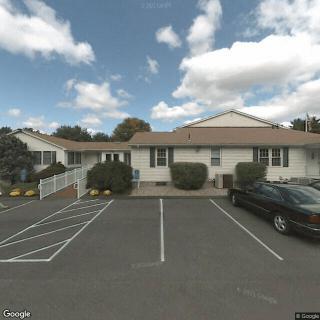
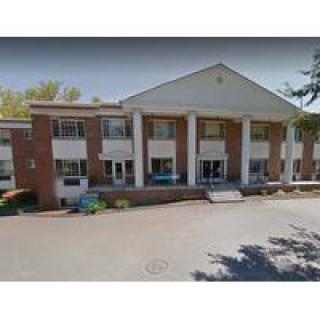
Alzheimer's Resource Center Of Connecticut in Plantsville, CT

1261 South Main, Plantsville, CT 06479

For more information about senior living options: (844) 490-3973

4.4 from 29 reviews
5 stars
24
4 stars
1
3 stars
0
2 stars
0
1 stars
4

Skilled Nursing Facility

Overall Review of Alzheimer's Resource Center Of Connecticut

Pros

  • pro The staff, including Laura, Rita, and Grace, went above and beyond in their care.
  • pro It was the best place for him.
  • pro Donna and Jay are kind and caring individuals.
  • pro LiveWell provides knowledgeable and caring professionals who support caregivers.
  • pro The organization offers classes, memory cafe meetings, and engaging activities, with in-house care available when needed.
  • pro The care and attention at LiveWell surpassed expectations and made residents feel at home.
  • pro The staff are genuinely caring and treat residents with dignity and respect.
  • pro LiveWell remained COVID-free and communicates changes clearly to families.

Cons

  • pro They call LiveWell awful and accuse it of putting on a show for visitors rather than providing real care.
  • pro They contend that once LiveWell took over, the previously caring staff left, and their mother suffered unreported injuries.
  • pro They describe uncaring, cold-hearted nurses in charge of their elderly mother.
  • pro They allege that their mother's bones were broken and she was left in a wheelchair without proper diagnosis.
  • pro They report that their mother's last years were filled with agony and suffering under LiveWell's care.
  • pro They recount an incident where a staff member made insensitively negative remarks about their loved one's appearance after death.

Review

Alzheimer's Resource Center of Connecticut in Plantsville is best suited for families seeking a dementia-focused skilled-nursing option that feels intimate and resident-centered. The community's Memory Care Unit and the emphasis on personalized attention make it a strong fit for individuals living with Alzheimer's, other forms of dementia, or post-injury cognitive challenges who respond to a familiar, home-like rhythm. Families prioritizing meaningful daily engagement - music, routines, individual care plans, and visible caregiver warmth - will find value here, especially when the goal is hands-on, in-house support rather than a purely hospital-like setting. The reality of care in this setting rests on the strength of the caregiving bond, the ability to tailor activities to memory needs, and the facility's capacity to partner with families over time.

There are clear caveats that families should weigh when considering alternatives. Several reviews point to management and staffing shifts that can alter the care climate, including perceptions that good staff departed after ownership changes and questions about safety and consistent oversight. For families with historically difficult experiences around staff turnover or with serious concerns about how injuries or safety issues are addressed, it may be prudent to compare with other memory-care focused SNFs that offer more transparent leadership, steadier staffing, and verifiable safety histories. In short, this community rewards trust in current leadership and continuity; those seeking a different quality of oversight may want to evaluate other options first.

On the plus side, the strongest recurring strength is the staff's dedication and individualized care. Compliments consistently highlight compassionate nurses and aides who go beyond routine duties, demonstrating patience, attentiveness, and a willingness to treat residents with dignity. Families report personal touches that create a sense of home - assistance with grooming, kind greetings, and staff who remember personal preferences. The environment is described as deeply caring, with residents benefiting from tailored activities, regular social interactions, and a culture that values family involvement. In addition, the center offers robust, in-house supports that extend beyond basic care: memory-focused programming, therapy that can be coordinated on-site, and a network of professionals who actively assist families in navigating dementia care.

However, significant concerns surface in several accounts. Some reviews allege neglectful patterns, unreported injuries, and a deterioration in care after management changes. The most troubling notes speak to safety lapses and a perception that staff accountability diminished when new leadership took the helm. These claims, whether isolated or systemic in perception, warrant serious attention from families: do not assume the best-in-class standard without verifying current practices, staffing stability, and ongoing safety measures. The presence of positive, deeply caring staff does not automatically neutralize fears raised by these more troubling reports; families must assess whether the current environment provides reliable safety and consistent, transparent communication.

Given the mix of strong caregiver engagement and recent safety-related concerns, the pros can offset the cons only when care leadership remains stable and communicative. The value lies in the tried-and-true warmth of the caregiving team, the ability to deliver in-house care with coordinated therapies, and the family-centered approach that turns care into a collaborative process. For families who can establish a clear line of sight into staffing rosters, incident reporting, and regular updates, ARC/LiveWell can deliver a compelling, personalized memory-care experience that feels like a supportive extension of home. The key is due diligence: confirm who is currently driving the campus, request recent inspection notes, and speak directly with frontline staff and resident families about day-to-day safety and responsiveness.

Bottom line: this community is a strong fit for families prioritizing dementia-focused care with authentic, affectionate staff and in-house therapeutic options, provided the current leadership and staffing are stable and transparent. For those who cannot accept potential volatility in management or who require ironclad assurances around injuries and safety, exploring other well-rated memory-care facilities with comparable programs and a track record of steady governance is advisable. Prospective families should conduct targeted inquiries, arrange site visits, and speak with multiple staffers and families to gauge whether the present climate aligns with safety, trust, and the level of personal attention that memory-care residents deserve.

Features

Housing

  • 120 resident community capacity 120 resident community capacity

Types of Care

  • Skilled Nursing Facility Skilled Nursing FacilitySkilled Nursing Facilities are crucial for seniors as they provide round-the-clock medical care, rehabilitation services, and assistance with daily activities. These facilities ensure that seniors receive the specialized care they need to maintain their health and well-being as they age.

Amenities

  • Air-conditioning Air-conditioningAir conditioning is important for seniors as they are more vulnerable to heat-related illnesses and may have underlying health conditions that make it difficult for them to regulate their body temperature. It helps to keep them comfortable, safe, and healthy in hot weather.
  • Beauty salon Beauty salonBeauty salons are important for seniors because they provide a space for them to feel pampered, socialize, and maintain their personal grooming and hygiene. Regular visits to a beauty salon can help boost seniors' self-esteem and overall well-being.
  • Cable or satellite TV Cable or satellite TVCable or satellite TV is important for seniors because it provides entertainment, news, and companionship, helping to combat loneliness and boredom. It also offers a wide range of programming options tailored to different interests and preferences.
  • Computer center Computer centerA computer center is essential for seniors as it provides access to technology, communication tools, and resources that can enhance their daily lives. It allows them to stay connected with loved ones, engage in online activities, and learn new skills, ultimately promoting socialization and mental stimulation.
  • Fitness room Fitness roomHaving a fitness room in a senior living community is essential for seniors to stay active, maintain their physical health, and improve their overall well-being. Regular exercise can help prevent falls, reduce the risk of chronic diseases, and promote mental sharpness. It also provides social opportunities for residents to connect with others and enjoy a sense of community.
  • Fully furnished Fully furnishedFully furnished senior living communities are important for seniors because they provide convenience, comfort, and a hassle-free moving experience. Seniors can easily settle into their new living space without the stress of having to buy and move furniture. This allows them to focus on enjoying their new home and community.
  • Gaming room Gaming roomGaming rooms are important for seniors as they provide a fun and engaging environment for socializing, cognitive stimulation, and physical activity. Games can improve memory, problem-solving skills, and overall mental well-being while fostering friendships and reducing feelings of isolation.
  • Garden GardenGardens are important for seniors as they provide a peaceful and therapeutic environment for relaxation, physical activity, and socialization. Being in nature has been shown to reduce stress, improve mood, and promote overall well-being. Gardens also offer opportunities for seniors to engage in gardening activities, which can improve mobility, flexibility, and cognitive function. Additionally, gardens create a sense of community and connection with others who share a passion for plants and outdoor spaces.
  • Housekeeping services Housekeeping servicesHousekeeping services are important for seniors because they help maintain a clean and safe living environment, promote independence, and reduce the risk of accidents or illnesses. Additionally, having assistance with household chores can alleviate physical strain and allow seniors to focus on other aspects of their well-being.
  • Kitchenette KitchenetteKitchenettes are important for seniors living in senior living communities because they provide the convenience and independence of being able to prepare simple meals and snacks in the comfort of their own living space. This can help promote a sense of autonomy and well-being for seniors, allowing them to maintain some level of control over their dietary choices and daily routines.
  • Move-in coordination Move-in coordinationMove-in coordination is important for seniors because it helps ease the transition into their new living environment. It ensures that all logistics, such as packing, organizing movers, and setting up utilities are taken care of, allowing seniors to focus on settling in and adjusting to their new home. Having a smooth move-in process can alleviate stress and anxiety, making the transition smoother and more enjoyable for seniors.
  • Outdoor space Outdoor spaceOutdoor spaces are important for seniors as they provide opportunities for physical activity, social interaction, exposure to natural light and fresh air, and a sense of connection to nature. Having access to outdoor spaces can improve overall well-being and quality of life for older adults living in senior communities.
  • Private bathrooms Private bathroomsPrivate bathrooms are important for seniors in senior living communities because they provide independence, dignity, and comfort. Having a private bathroom allows seniors to maintain their personal hygiene routines without the need for assistance, promoting a sense of autonomy and privacy. Additionally, private bathrooms help prevent the spread of infections and provide a safe and clean environment for seniors to navigate safely.
  • Restaurant-style dining Restaurant-style diningRestaurant-style dining is important for seniors because it allows them to enjoy delicious, nutritious meals in a social and upscale setting. This enhances their dining experience, promotes healthy eating habits, and fosters socialization with fellow residents, ultimately contributing to their overall well-being and quality of life.
  • Small library Small librarySmall libraries are important for seniors as they provide access to a variety of reading materials, including books, newspapers, and magazines. This can help stimulate their minds, keep them engaged, and provide a sense of community through book clubs and other social activities. Additionally, reading has been shown to improve cognitive function and overall mental well-being in older adults.
  • Telephone TelephoneTelephones are important for seniors as they provide a lifeline for communication with loved ones, emergency services, and healthcare providers. They offer a sense of security and independence, enabling seniors to stay connected and access assistance when needed.
  • Wellness center Wellness centerWellness centers are important for seniors because they offer a variety of programs and services that promote physical, mental, and emotional well-being. These centers provide opportunities for exercise, socialization, education, and relaxation, helping seniors maintain their overall health and quality of life.
  • Wi-Fi/high-speed internet available Wi-Fi/high-speed internet availableWi-Fi/high-speed internet is important for seniors to stay connected with loved ones, access online resources, and participate in virtual activities to combat feelings of loneliness and isolation. It also allows them to easily manage healthcare needs, access entertainment, and engage in lifelong learning opportunities.

Transportation

  • Community operated transportation Community operated transportationCommunity operated transportation is crucial for seniors as it provides them with the means to access essential services, social activities, and medical appointments. It allows seniors to maintain their independence and quality of life by ensuring they can participate in activities outside of their homes. Additionally, community-operated transportation services offer a safe and reliable way for seniors to travel without having to rely on family or friends for assistance.
  • Transportation arrangement Transportation arrangementTransportation arrangements are crucial for seniors as they may face challenges with driving, mobility, or access to public transportation. Having reliable transportation services ensures that seniors can easily attend appointments, social activities, and maintain their independence and quality of life.

Care Services

  • 24-hour call system 24-hour call system24-hour call systems are important for seniors because they provide peace of mind and immediate assistance in case of emergencies. This technology ensures that help is always available, promoting safety and security for elderly individuals living alone or in assisted living facilities.
  • 24-hour supervision 24-hour supervision24-hour supervision is important for seniors to ensure their safety, well-being, and access to immediate assistance in case of emergencies or health issues. This constant support provides peace of mind for both seniors and their loved ones, allowing them to age in place with dignity and security.
  • Activities of daily living assistance Activities of daily living assistanceActivities of daily living assistance are important for seniors because they provide essential support with tasks such as eating, bathing, dressing, and mobility. This assistance helps seniors maintain their independence, dignity, and overall quality of life as they age.
  • Assistance with bathing Assistance with bathingAssistance with bathing is crucial for seniors as it helps maintain personal hygiene, prevents infections, and ensures their overall well-being and comfort. It also provides a sense of dignity and independence for seniors who may struggle with this task on their own.
  • Assistance with dressing Assistance with dressingAssistance with dressing is important for seniors because it helps maintain their independence, promotes personal hygiene, prevents accidents and injuries, and improves overall quality of life. This service ensures that seniors can continue to dress comfortably and confidently, despite any physical limitations they may have.
  • Assistance with transfers Assistance with transfersAssistance with transfers is crucial for seniors as it helps prevent falls and injuries, maintains their independence, and ensures they can safely navigate their living environment. It also provides peace of mind for both seniors and their loved ones.
  • Diabetes diet Diabetes dietA diabetes diet is crucial for seniors as it helps manage blood sugar levels, reduce risks of complications, and improve overall health and well-being. By following a balanced and nutritious diet tailored to their specific needs, seniors can better control their diabetes and enhance their quality of life.
  • Meal preparation and service Meal preparation and serviceMeal preparation and service are crucial for seniors as they may have limited mobility or energy to cook nutritious meals. Having access to healthy and convenient food options can ensure they are getting the proper nutrition needed to maintain their overall health and well-being.
  • Medication management Medication managementMedication management is crucial for seniors to ensure they are taking the right medications at the correct dosages and times. This helps prevent adverse drug interactions, reduces the risk of medication errors, and promotes overall health and well-being. Proactive management also allows for adjustments as needed based on changing health conditions or new prescriptions.
  • Special dietary restrictions Special dietary restrictionsSpecial dietary restrictions are important for seniors because age-related changes in metabolism and health conditions can make it difficult for their bodies to process certain foods. By following a diet tailored to their specific needs, seniors can maintain their overall health and well-being, manage chronic conditions, and reduce the risk of complications such as malnutrition or food interactions with medications.

Dining

  • Diabetes diet Diabetes dietA diabetes diet is crucial for seniors as it helps manage blood sugar levels, reduce risks of complications, and improve overall health and well-being. By following a balanced and nutritious diet tailored to their specific needs, seniors can better control their diabetes and enhance their quality of life.
  • Special dietary restrictions Special dietary restrictionsSpecial dietary restrictions are important for seniors because age-related changes in metabolism and health conditions can make it difficult for their bodies to process certain foods. By following a diet tailored to their specific needs, seniors can maintain their overall health and well-being, manage chronic conditions, and reduce the risk of complications such as malnutrition or food interactions with medications.

Activities

  • Community-sponsored activities Community-sponsored activitiesCommunity-sponsored activities are important for seniors as they provide opportunities for social interaction, mental stimulation, and physical activity. These activities can help improve overall well-being, combat loneliness and isolation, and promote a sense of belonging and purpose among older adults.
  • Concierge services Concierge servicesConcierge services are essential for seniors as they provide assistance with daily tasks and errands, enhance their quality of life by offering convenience and personalized care, and promote a sense of safety and security.
  • Fitness programs Fitness programsFitness programs are crucial for seniors as they help improve strength, flexibility, balance, and overall well-being. Staying active can reduce the risk of chronic diseases, improve mental health, and enhance quality of life in older adults.
  • Planned day trips Planned day tripsPlanned day trips are important for seniors because they offer opportunities for socialization, mental stimulation, and physical activity. They provide a change of scenery and help seniors stay engaged and connected to their community, promoting overall well-being and quality of life.
  • Resident-run activities Resident-run activitiesResident-run activities are important for seniors as they encourage social interaction, creativity, and a sense of autonomy. These activities empower seniors to stay engaged and active in their community while fostering meaningful connections with their peers.
  • Scheduled daily activities Scheduled daily activitiesScheduled daily activities are important for seniors because they provide structure, socialization, mental stimulation, and physical activity. Engaging in regular activities can improve overall well-being and quality of life for seniors living in a community setting.

Description

The Alzheimer's Resource Center of Connecticut in Plantsville offers a compassionate and supportive environment tailored specifically for individuals living with Alzheimer’s and other forms of dementia. This serene community is designed to promote comfort, independence, and well-being for its residents through a wide array of amenities and care services.

Upon entering the center, residents are greeted by inviting spaces, including beautifully furnished accommodations equipped with private bathrooms and kitchenettes. The community features a range of amenities such as a beauty salon, fitness room, gaming room, and cozy small library that encourages social interaction and engagement. Outdoor spaces and gardens provide peaceful settings for relaxation or light activities.

Culinary experiences at the center are elevated with restaurant-style dining that caters to special dietary restrictions, ensuring that nutritional needs are met while still providing delightful meal options. Residents benefit from 24-hour supervision and personalized care services tailored to individual needs, including assistance with daily activities such as bathing, dressing, medication management, and meal preparation.

Beyond day-to-day care, the Alzheimer's Resource Center fosters an active lifestyle through planned activities like fitness programs, scheduled daily events, concierge services for organized outings, resident-run activities, and engaging day trips that allow residents to explore the surrounding area.

Conveniently located near local cafes, parks, pharmacies, physicians’ offices, restaurants, theaters, and hospitals creates an enriching atmosphere where residents can thrive. With a commitment to enhancing quality of life in a nurturing setting focused on wellness and community connection, the Alzheimer's Resource Center of Connecticut stands out as an exceptional choice for assisted living.

Nearby Places of Interest

Plantsville, Connecticut offers a convenient and vibrant community for senior living. With a variety of amenities nearby, including theaters such as AMC Starplex Cinemas Southington 12, restaurants like Hop Haus and New Mill Restaurant, pharmacies like Walgreens and CVS Pharmacy, and healthcare facilities such as Hospital Of Central Connecticut At Bradley Memorial and Hartford HealthCare Medical Group, residents can easily access necessary services. Additionally, the area features beautiful parks like Hubbard Park and Norton Park for leisurely walks and outdoor activities. For coffee enthusiasts, cafes like Starbucks and Provision State Coffee are within a short distance. The availability of transportation options, such as Amtrak at 7.9 miles away, ensures easy travel for seniors in the area. Overall, Plantsville provides a convenient and welcoming environment for senior living with various amenities at close proximity.

Theaters

  • AMC Starplex Cinemas Southington 12 (0.9 miles)

Restaurants

  • Hop Haus (1 miles)
  • New Mill Restaurant (1.1 miles)
  • Arby's (1.3 miles)
  • Sweet Mia's (1.4 miles)
  • Viron Rondo Osteria (1.6 miles)
  • Wood-n-Tap Bar & Grill-Southington (4 miles)
  • Cava Restaurant (4.1 miles)

Physicians

  • MyEyeDr (1.4 miles)
  • Dr Francescon's Office (6.3 miles)
  • Dermatology Associates (6.6 miles)
  • Cloverleaf Family Medicine (7.3 miles)
  • Community Health Center (7.5 miles)
  • Hartford HealthCare Medical Group (7.5 miles)
  • Grove Hill Medical Center (7.6 miles)

Pharmacies

  • Walgreens (1.6 miles)
  • CVS Pharmacy (1.7 miles)
  • Beacon Prescriptions (3.2 miles)
  • CVS Pharmacy (4.1 miles)
  • Health Mart Pharmacy (5 miles)
  • CVS Pharmacy (5.8 miles)
  • CVS Pharmacy (6.4 miles)

Hospitals

  • Hospital Of Central Connecticut At Bradley Memorial (1.8 miles)
  • MidState Medical Center (5.1 miles)
  • Saint Mary's Health System Affiliates (5.1 miles)
  • Family Birthing Center (5.1 miles)
  • Gaylord Specialty Healthcare/Gaylord Hospital (7.2 miles)
  • Saint Mary's Hospital (7.5 miles)
  • The Hospital of Central Connecticut Cancer Center (8 miles)

Parks

  • Hubbard Park (3.6 miles)
  • Norton Park (6.2 miles)
  • Washington Park (6.4 miles)
  • Lock 12 Historical Park (6.8 miles)
  • Bucks Hill Park (6.9 miles)
  • Sage Park (8.2 miles)

Cafes

  • Starbucks (4.3 miles)
  • Starbucks (6.5 miles)
  • Starbucks (7.7 miles)
  • Provision State Coffee (7.9 miles)
  • Starbucks (8.3 miles)
  • Aroma Joe's (8.7 miles)

Transportation

  • Amtrak (7.9 miles)

Frequently Asked Questions

Where is Alzheimer's Resource Center Of Connecticut?

Nearby Communities

  • Mulberry Gardens of Southington

    Mulberry Gardens of Southington

    Plantsville, CT

    4.3 from 66 reviews
    $4,200 to $5,595 / month

    pro Warm, welcoming environment with attentive staff and engaging activities; personalized, home-like apartments.


  • Here for You,  LLC

    Here for You, LLC

    Plantsville, CT


    pro Safe, comfortable assisted living with convenient access to nearby amenities and healthcare.

  • Infinity Homecare

    Infinity Homecare

    Plantsville, CT

    3 from 23 reviews
     

    pro Dedicated staff with meticulous procedures.

  • Castle Heights of Cheshire

    Castle Heights of Cheshire

    Cheshire, CT

    4.8 from 12 reviews
     

    pro Personalized care with meal prep and medication management.

  • Summit At Plantsville

    Summit At Plantsville

    Plantsville, CT


    pro Comprehensive amenities and 24/7 care services.

  • Southington Care Center

    Southington Care Center

    Southington, CT

    4.5 from 58 reviews
     

    pro Friendly staff and well-equipped facilities with ample amenities.

  • Orchards At Southington

    Orchards At Southington

    Southington, CT

    4.3 from 58 reviews
     

    pro Caring staff and engaging activities in a warm, home-like community.

  • Cedar Springs

    Cedar Springs

    Southington, CT

     
    $50,000 / month

    pro Pet-friendly with nearby amenities and healthcare access.

  • Waterbury Gardens Nursing And Rehab

    Waterbury Gardens Nursing And Rehab

    Waterbury, CT

    2.6 from 13 reviews
     

    pro Dedicated staff with strong communication and spacious, rehab-focused rooms.

Related Resources