

13 Hakim St, Danbury, CT 06810
To contact a resident: (203) 744-3366
For more information about senior living options: (866) 208-4318
Overall Review of Filosa Convalescent Home Inc
Pros
 The staff are very friendly and kind.
- The head nurse, Nela, is wonderful.
- The care provided is very good.
- The facility is first-class and professional.
- The staff customize care plans to meet each resident’s individual needs.
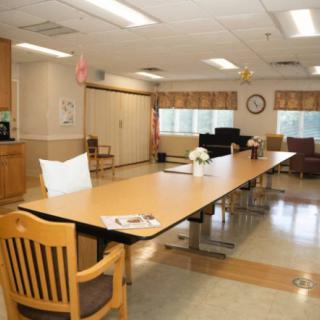
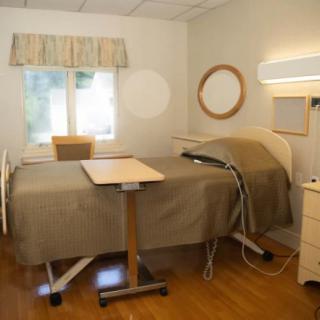
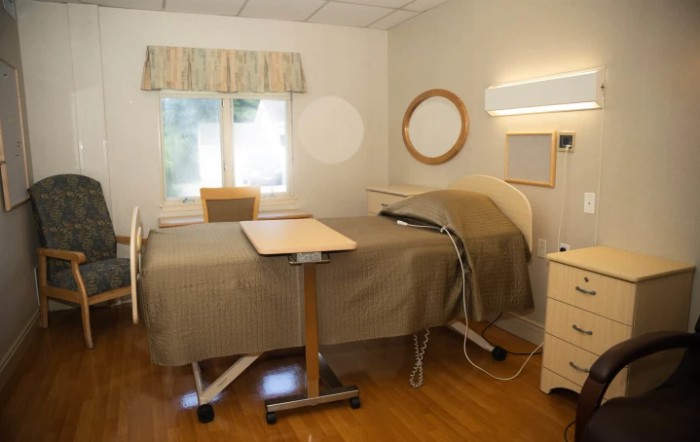
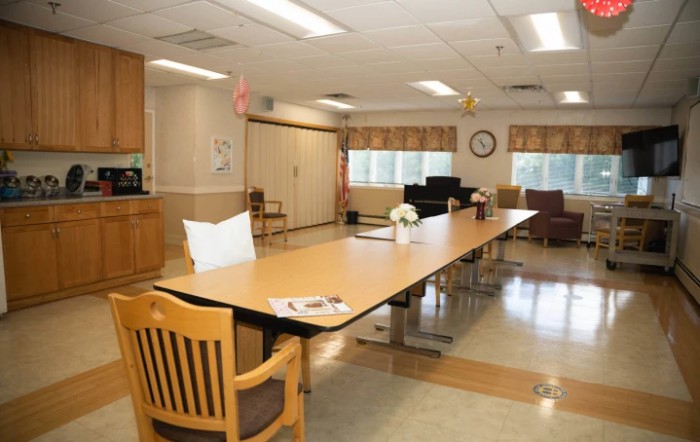
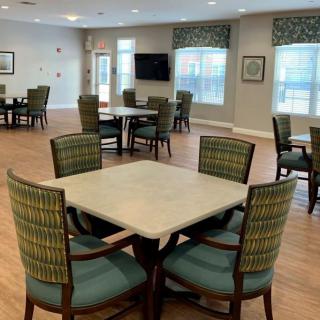
- The facility is clean, attractive, and well maintained.
- Pam, the social worker, goes above and beyond to help families.
- The recreation staff invites residents to a variety of activities and events.
Cons
 Filosa's care plummeted after Havencare took over.
- Agency nurses and aides replaced permanent staff and spend most of their time on computers or phones rather than checking on residents.
- Havencare's medical products seem to be of lower quality than those used by the previous owners.
- Interior renovations have kept residents out of their rooms for 14 hours at a stretch, which is totally unacceptable.
- Earlier renovations caused an almost total lack of visitor parking for weeks.
- The rehab program is ineffective and administratively horrible, with patients sometimes removed from Medicare if goals aren't met.
Review
Filosa Convalescent Home Inc in Danbury is best suited for families seeking a warm, home-like long-term residence where the daily experience centers on personal attention, dignity, and steady, compassionate care. This community tends to reward residents who benefit from individualized plans, ongoing relationships with a stable care team, and a focus on quality of life, especially for those with dementia, memory-related needs, or end-of-life comfort. Families report that residents can thrive when staff know their routines, preferences, and history, and when recreation and social engagement are part of the routine. For couples or seniors who want a smaller, more intimate feel with accessible staff, Filosa can feel like a reassuring home away from home.
Alternatives should be strongly considered for families who prioritize robust rehabilitation, aggressive short-term recovery goals, or the reassurance of a consistently permanent, on-site clinical team. Since the Havencare acquisition, concerns have circulated about reliance on agency nurses and aides who spend significant time at computers or phones rather than with residents, and about a perceived drop in the quality of medical products. Prospective residents who need intensive, hands-on rehab, rapid response to medical changes, or a stable permanent staff with predictable coverage may find this shift unsettling. Additionally, renovation-related disruptions and parking constraints during visits can compound accessibility challenges for visitors and new families.
The strongest positives, personalized care, cleanliness, and staff warmth, often offset some operational drawbacks for long-term residents. Several accounts praise attentive nursing leadership, friendly aides, and the ability of staff to individualize plans for challenging behaviors, particularly in dementia care. Families repeatedly highlight that residents feel safe, well cared for, and valued, with strong interplays between nursing, recreation, cooks, and maintenance teams contributing to a respectful, well-run environment. When a resident’s day revolves around meaningful activities, regular meals, and responsive caregivers, Filosa earns considerable credibility as a dependable home, even if other operational pieces falter.
However, the con side is non-trivial and cannot be ignored in decision-making. The shift to agency staff, the reports of lower-quality medical products, and gaps in timely family communication temper the otherwise positive reputation. The rehab track record is a specific red flag: multiple reviews warn strongly against using Filosa for rehabilitation, alleging insufficient effort toward achieving Medicare goals and a tendency to “give up” when rehab becomes challenging. The renovation-induced room disruptions, parking shortages, and occasional delays in updates about incidents also undermine confidence in a facility that otherwise demonstrates compassionate care. For families with high expectations for rehab outcomes or for a seamless, fully integrated clinical team, these issues may loom large.
Visiting and respite experiences present a more nuanced picture. Some reviewers describe Filosa as welcoming to families, with well-equipped spaces and accommodations that support visiting relatives, and with staff who are accommodating and communicative during respite stays. Yet other families report uneven communication during emergencies or falls, suggesting that while bedside care can be excellent, administrative responsiveness and proactive family updates are inconsistent. The divergence in experiences makes it crucial to verify the most current staffing mix, care protocols, and family communication norms before committing, especially for residents with complex medical needs or high rehab goals.
In practical terms, those considering Filosa should approach with a thorough, up-front check list. Request current staffing ratios and the mix of permanent versus agency personnel, ask for a tour focused on the nursing station during peak hours, and meet the head nurse and social worker to gauge responsiveness. Probe the rehab program directly: what services are offered, how progress is tracked, and what happens if Medicare goals are not met. Confirm parking and visiting logistics around renovations, and ask for recent examples of family communication following incidents or changes in a resident’s condition. If these aspects align, Filosa can deliver a nurturing environment with genuine, long-term caregiving strengths; if not, exploring alternatives with stronger rehab focus and more consistent staffing may yield a more predictable experience.
 Skilled Nursing Facility







 Compassionate Conversations: How to Comfort Someone Who Is Grieving
 Home Health Care Aides: Understanding Their Role and Supporting Your Family
 Urinary Tract Infections in Older Adults: Comprehensive Insights on Symptoms, Treatment, and Prevention