
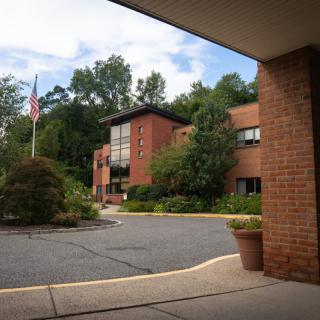
13 Hakim Street, Danbury, CT 06810
For more information about senior living options: (866) 208-4318
Overall Review of Filosa - For Nursing & Rehabilitation
Pros
 The care at Filosa is very good.
- The staff are friendly and kind.
- The head nurse, Nela, is wonderful.
- The facility is great and has no complaints.
- Residents at Filosa are healthy, safe, clean, and loved by the staff.
- The administration, RNs, aides, recreation staff, cooks, cleaning and maintenance are praised for their care.
Cons
 The level of care has plummeted since Havencare acquired Filosa.
- Agency nurses and aides have replaced many permanent staff, and many agency personnel spend most of their time at the computer or on their phones rather than checking on residents’ needs.
- The medical products used by Havencare appear to be of lower quality than those used by the previous owners.
- Interior renovations have kept residents out of their rooms for 14 hours at a stretch, which is totally unacceptable.
- Earlier outside renovations resulted in an almost total lack of parking for visitors for several weeks.
- It used to be almost impossible to get loved ones into the facility, because it used to be in such high demand.
Review
Filosa is best suited for families seeking skilled nursing and rehabilitation in a setting that emphasizes personal warmth, consistent daytime care, and a community feel. The strongest advocates describe a clean, well-maintained environment where administration, RNs, aides, recreation staff, cooks, and maintenance all contribute to a sense of safety and daily attentiveness. Residents with dementia or challenging behaviors can benefit from individualized care plans that adapt to changing needs, helping to reduce agitation and improve quality of life. The balance of compassionate front-line care and a well-run routine is a compelling frame for making progress in recovery or long-term nursing needs, provided expectations stay grounded in the current realities of ownership and operations.
Those weighing alternatives should be mindful of several red flags that recur in reviews. If consistent, permanent staff presence is non-negotiable, the shift toward agency nurses and aides can erode continuity and trust. The perception that some personnel spend time on screens rather than checking on residents speaks to workflow and supervision gaps that can affect day-to-day responsiveness. Additionally, the transition under new ownership has come with changes in medical products and supply quality, which matters for those with complex medication or treatment needs. Finally, the practical tangle of renovations and parking disruptions creates a tangible friction for visitors and families that can complicate regular oversight and engagement.
The most persuasive positives center on real, observable care: friendly, patient staff; a head nurse praised for leadership; and a culture of cleanliness and attentiveness that makes residents feel secure and well cared for. When plans of care are tailored to difficult behaviors or complex medical conditions, families report that the care team can make meaningful differences in comfort, safety, and emotional well-being. For many, these elements translate into better days for a loved one and a sense of reassurance for relatives who cannot be at the bedside constantly. The staff’s ability to coordinate supportive services, recreation, meals, and housekeeping, also reinforces a home-like atmosphere that supports recovery and ongoing rehabilitation goals.
Yet the cons cannot be dismissed. The presence of agency personnel, and the corresponding variability in consistency and hands-on attention, remains a salient risk; it can undermine the very continuity families rely on for peace of mind. The allegation that higher-quality medical products were supplanted by cheaper alternatives is a concern for residents with delicate or high-stakes medical regimens. The renovations that pull residents out of their rooms for extended periods and the outside-space disruptions, including parking and access for visitors, add logistical hurdles that can strain families during critical transitions. In sum, the operational volatility associated with ownership change creates a degree of unpredictability that some families will tolerate, and others will not.
When pros and cons are weighed, the case for Filosa rests on the strength of personal care and environmental quality outweighing the operational hiccups for many residents. The advantage of a clean, attentive culture and the ability to individualize care for dementia-related needs can offset some staffing uncertainties, especially for families who can maintain close oversight and want frequent, hands-on engagement with the care team. For residents who need steady, predictable staffing and uncompromising reliability in medications and equipment, those become the deciding gaps. The facility’s ability to deliver genuine warmth and daily attentiveness should be tested in recent weeks and months, but it remains a tangible differentiator for those who value human connection as a core part of treatment.
Practical next steps for families: request a direct conversation with the nursing leadership to probe current staffing mix, the ongoing impact of agency staff, and how the administration monitors care quality day-to-day. Ask for a clear description of the current product line and how substitutions were chosen, plus a transparent update on renovation schedules and parking accommodations. Visit at different hours to observe bedside routines, talk with nurses about their workflow, and gauge how often residents receive unprompted checks, meals, and activities. If these elements align with the resident’s needs and the family’s expectations for ongoing engagement, Filosa can be a strong match; if not, it’s prudent to explore options with a more consistent staffing model and fewer operational interruptions.
 64 resident community capacity
 Skilled Nursing Facility
 Air-conditioning
 Beauty salon
 Cable or satellite TV
 Computer center
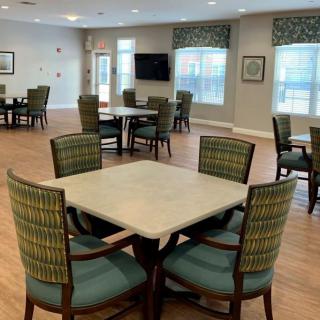
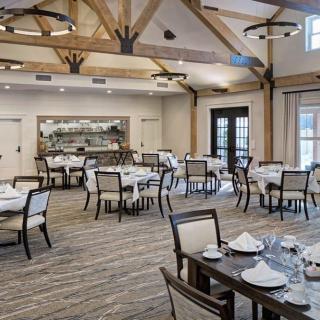
 Dining room
 Fitness room
 Fully furnished
 Gaming room
 Garden
 Housekeeping services
 Kitchenette
 Move-in coordination
 Outdoor space
 Private bathrooms
 Restaurant-style dining
 Small library
 Telephone
 Wellness center
 Wi-Fi/high-speed internet available
 Community operated transportation
 12-16 hour nursing
 24-hour call system
 Activities of daily living assistance
 Assistance with bathing
 Assistance with dressing
 Assistance with transfers
 Diabetes diet
 Medication management
 Mental wellness program
 Special dietary restrictions
 Concierge services
 Planned day trips





 Ten Vital Duties of a Senior Caregiver: A Comprehensive Guide
 9 Stimulating Memory Activities for Seniors: Puzzles, Cards, and Much More
 Managing Nursing Home Expenses After Medicare Coverage Ends