

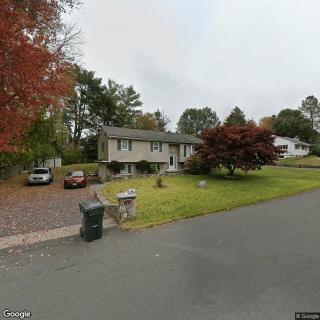
4 Crofut Street, Danbury, CT 06810
To contact a resident: (203) 312-3654
For more information about senior living options: (866) 208-4318
Overall Review of First Live-In Care, LLC
Pros
 The caregiver who worked with them was extremely helpful, compassionate, professional, and kind.
- They would recommend her to anyone who wishes to engage a compassionate caregiver.
- Miso was a wonderful caregiver who helped with cooking, cleaning, tending to Bob, and appointments.
- They highly recommend Miso as a caregiver.
- Adisha provided a safe and clean environment for their mother and was warmly accepted as part of the family.
- Everything about working with Elderly Caregivers has been a shining light in difficult health situations.
- Silba is a compassionate, attentive, and easygoing caregiver.
- Choosing Elderly Caregivers was the best decision ever made; they highly recommend the services.
- Grace was absolutely wonderful and a perfect match for her patient.
- The office staff is professional and easy to work with.
Cons
 The service was terrible.
- The caregiver arrived three hours late.
- The caregiver appeared unhappy and uninterested in being there.
- The caregiver lacked techniques to handle a dementia patient.
- The caregiver announced she would leave in the morning, calling it a waste of gas.
- The caregiver seemed to wake the patient to put him on the phone.
- The caregiver used the lack of sleep as an excuse to claim the arrangement wouldn’t work out.
- The experience was described as an absolute nightmare from start to finish.
- The agency should screen caregivers better and avoid taking on dementia patients with an uninterrupted sleep requirement.
- The family felt the caregiver did not receive the respect she deserved and that the mother was not getting the help she needed to maintain independence.
- The caregiver could only spend about an hour with the patient before moving on to the next.
- The hospital discharged the mother early, leaving nowhere safe for her to go.
Review
First Live-In Care, LLC in Danbury, CT is best suited for families facing an urgent or ongoing need for around-the-clock, live-in support for an aging loved one, especially when dementia or memory challenges are present and require constant monitoring, practical assistance, and steady companionship. The service shows strength in quickly connecting families with a compatible caregiver and maintaining ongoing communication, which translates into real peace of mind during hospital-to-home transitions or long-term home care. This is a solution built for those who want a proactive, present caregiving presence rather than sporadic, drop-in help.
Those who may want to consider alternatives are families for whom punctual reliability and seasoned dementia-specific technique are nonnegotiables. The reviews reveal a few red flags that can matter in tight timelines or demanding care situations: a caregiver arriving three hours late, difficulties managing a dementia patient, and situations where the care approach did not align with the family’s expectations. For households that require rigorously dependable scheduling, highly specialized behavioral strategies, or a longer-term, stable staffing pattern, it may be prudent to explore other agencies with deeper credentialing in dementia care or stricter caregiver performance controls.
On the plus side, the strongest advantages rest on compassionate, capable caregivers who routinely handle a broad scope of in-home duties. Several families praise the organization for finding a caregiver who cooks, cleans, assists with medical appointments, and provides practical support that eases the day-to-day burden. The testimonials highlight a quick placement timeline when a crisis hits, followed by consistent availability and responsive administrative support. When a match works, the caregiver becomes a trusted daily presence whose reliability becomes the family’s source of reassurance rather than a constant hunt for help.
Yet the main drawbacks cannot be dismissed, and they do underscore the need for careful upfront planning. The most troubling incidents point to limited consistency in caregiver fit and questions about dementia-specific training. A caregiver’s late arrival and the inability to manage dementia symptoms effectively can disrupt a night or a caregiver’s shift and ripple through a family’s schedule. These moments emphasize that, while the agency can deliver outstanding matches, there remains risk tied to individual caregiver performance and the complexity of dementia care, risk that can be mitigated but not eliminated by a robust back-up plan and precise care instructions.
Practically, this means families should pursue a candid pre-engagement conversation that defines expectations, caregiver qualifications, and contingency strategies. Ask for detailed caregiver profiles, proof of dementia-competence where applicable, and a clear back-up plan for holidays, shifts, and urgent needs. Consider requesting a trial period to verify reliability and compatibility, and insist on consistent, scheduled communication from a dedicated case manager. The agency’s strength in rapid placement and personalized matching makes it a compelling option, but success hinges on setting firm performance benchmarks and securing a dependable backup for the inevitable rough night or weekend gap.
Overall, First Live-In Care, LLC stands as a strong choice for Danbury-area families seeking 24/7 live-in caregiving with a proven capacity to move quickly and to personalize care to the family’s routines and medical needs. The record shows a majority of deeply satisfied clients and caregivers who deliver warmth, attentiveness, and practical daily support. For households prioritizing compassionate caregiving and steady administrative partnership, the advantages often outweigh the drawbacks. For those whose standards demand near-perfect punctuality and highly specialized dementia tactics, it remains wise to compare alternatives and demand explicit safeguards before committing.








 Weight Training for Seniors: Building Strength and Vitality
 Understanding the Sandwich Generation: Stress and Responsibilities for Multigenerational Caregivers
 8 Essential Assistive Devices for Older Adults