





36 Broadway, Colchester, CT 06415
For more information about senior living options: (866) 208-4318
Overall Review of Apple Rehab Colchester
Pros
 The facility was top notch and the staff was great.
- Apple Rehab Colchester impressed with its cleanliness and caring staff.
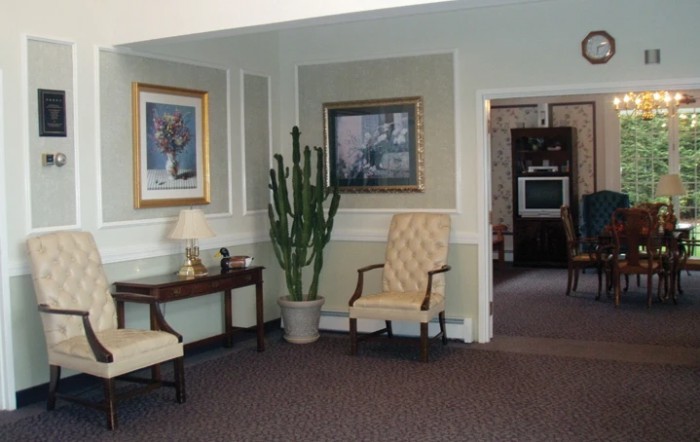
- It has a homelike atmosphere with knowledgeable staff.
- The food is great and the nurses provide excellent and professional care.
- The staff are nice, always smiling and helpful, and the facility is very clean.
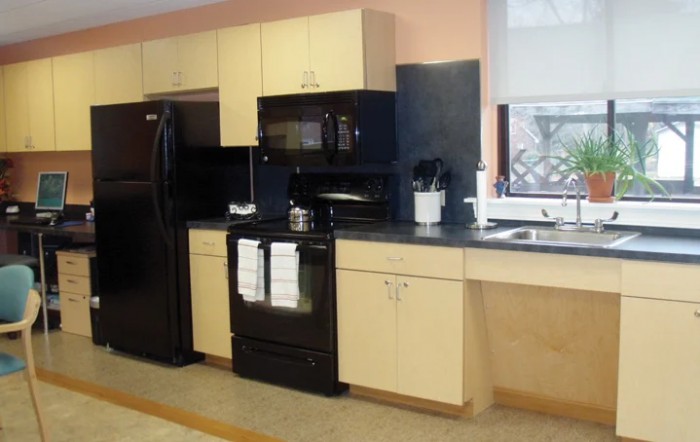
- The rooms are nice, large, and well set up with great amenities and views.
- Stacy is recognized for delivering high-quality, expert care to residents.
- The facility is highly recommended.
Cons
 They are uncaring and rude toward patients and their families.
- The facility is unsafe, with residents falling frequently.
- A 91-year-old veteran was not kept safe, facing delays in care and lack of mobility aids.
- Staff did not use a gait belt or walker when needed, and none were available.
- Call bells were not answered promptly, leaving residents to act without assistance.
- There were hygiene and linen issues, such as a pillowcase with blood and handling without gloves.
- A used urinal was left on a nightstand for hours, indicating neglect.
- There were not enough attendants and long waits after the bell was pressed.
Review
Apple Rehab Colchester is best suited for families seeking a clean, homey rehab setting with dependable nursing care and solid dining service, where a resident mostly needs moderate assistance and appreciates a consistent daily routine. The environment is described as bright and well maintained, with comfortable rooms that feel homelike rather than institutional. For residents who prize courteous, professional staff and a straightforward rehab path, the positives are real. However, potential buyers should be aware that this community can fall short for those who require vigilant supervision, rapid call-bell response, and highly reliable safety monitoring. In those cases, exploring alternatives with stronger staffing ratios and more explicit safety protocols is wise.
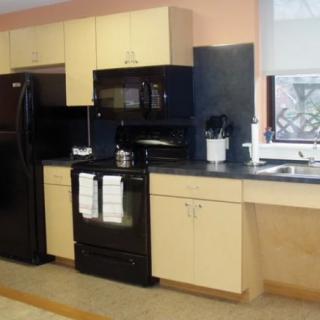
Several reviewers emphasize the facility’s strengths: cleanliness is repeatedly highlighted, and the staff is often described as caring and knowledgeable. The food garners frequent praise, and several nurses are singled out for competent, professional care. Rooms are notably large, with wall-mounted TVs, ample storage, and windows that bring light into the space. In practice, families report a homelike atmosphere where staff relationships can feel personal, and where skilled nursing support is available on good days. In short, these attributes can meaningfully support comfort and recovery for residents who do not require constant one-to-one supervision.
Yet the downside is serious enough to matter in decision-making. The most alarming issues involve safety and responsiveness: delays in answering call bells, occasional lapses in supervision, and concerns about mobility and fall risk. Personal safety incidents are described in vivid terms, including a patient left unattended and a walker not provided during transport. A head wound with delayed care and a missing loved one for several hours during admission are cited as particularly troubling examples. Other distressing episodes include questions about linen handling and bedding cleanliness. In short, staffing reliability and urgent-response speed appear variable, complicating care for residents needing closer oversight.
Those pros, cleanliness, a comforting ambiance, and capable nurses, do offset some concerns for residents with manageable needs and families who can supplement care with vigilant oversight and prompt communication with staff. A bright patient room and tasty meals can significantly enhance a rehab stay and promote recovery, and when staff are in sync, the care is clearly professional and reassuring. However, the negative experiences lean toward safety-critical failures rather than routine service lapses, and they cannot be dismissed. The divergence between pockets of excellent care and instances of missteps creates a real, practical risk calculus for families deciding how to allocate trust and resources.
Alternatives to Apple Rehab Colchester are worth considering for those who cannot tolerate uneven staffing or risk-prone episodes. Family members needing brisk call-bell responses, consistent fall-prevention oversight, or danger-critical monitoring should look at other options. Facilities with higher staffing ratios, more cohesive activity programming, and layouts designed to minimize hallway congestion and roommate mismatches may better serve residents who require more robust daily supervision and structured social engagement. Parking logistics and access near the entrance also matter; if practicalities create daily friction, it’s wise to compare nearby options offering easier accessibility and clearer visitor flow.
For families leaning toward Apple Rehab Colchester, a pragmatic due-diligence plan is essential. Schedule multiple visits at different times to observe response times and staffing levels, ask for the on-shift nurse-to-patient ratio, and review the facility’s record on safety incidents and follow-up actions. Probe roommate placement practices and the availability of common spaces for socialization, as well as the process for coordinating with therapists and discharge planners. Speak with current residents and their families about consistency of care and communication. If choosing to proceed, implement a clear, written care plan with milestones and regular check-ins, and maintain active involvement to balance the facility’s strengths with its noted risks.
 60 resident community capacity
 Skilled Nursing Facility
 Air-conditioning
 Beauty salon
 Cable or satellite TV
 Computer center
 Dining room
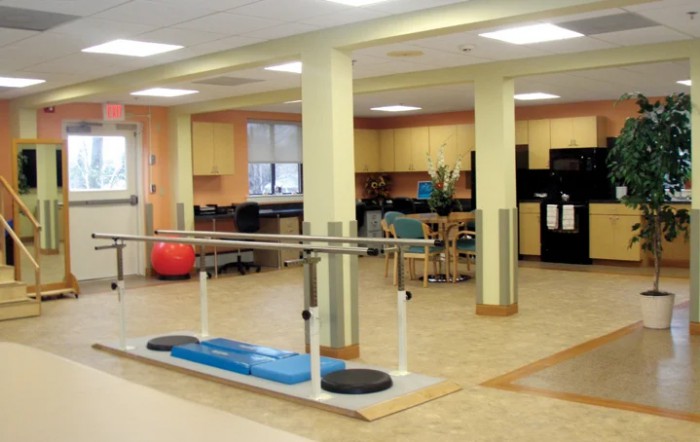
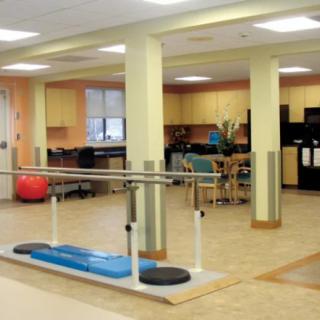
 Fitness room
 Fully furnished
 Gaming room
 Garden
 Housekeeping services
 Kitchenette
 Move-in coordination
 Outdoor space
 Private bathrooms
 Restaurant-style dining
 Small library
 Telephone
 Wellness center
 Wi-Fi/high-speed internet available
 Community operated transportation
 12-16 hour nursing
 24-hour call system
 Activities of daily living assistance
 Assistance with bathing
 Assistance with dressing
 Assistance with transfers
 Diabetes diet
 Medication management
 Mental wellness program
 Special dietary restrictions
 Concierge services
 Planned day trips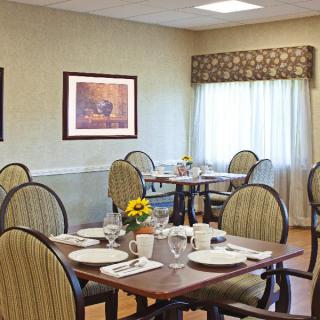







 8 Essential Assistive Devices for Older Adults
 Navigating the Financial Road to Nursing Home Care: In-Depth Guidance and Resources
 Supportive Employee Benefits That Help Caregivers Attain Better Work-Life Harmony