

2109 Chautard Dr, Pueblo, CO 81005
For more information about senior living options: (866) 208-4318
Overall Review of Spanish Peaks Mental Health Center/Chautard
Pros
 Alex is the best; she deeply cares about making a difference, and it shows.
- The staff are described as great people.
Cons
 They are not a good place to go for help; there are far better places in town.
- Patients who complain about services are mistreated by the company.
- The company claims to be nonprofit but is said to bring in over 14 million.
- Salaries are extremely high in Pueblo.
- The company takes payments from people below the poverty level.
- The company forced a recipient to give back pay from Social Security.
- Payees keep money from patients; many lack food or clothing.
- Many patients downtown beg on the street and have to go to the soup kitchen to get a meal.
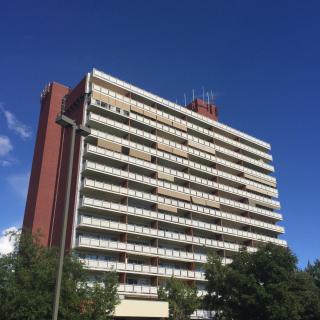
- The HUD apartments on 10th Street downtown were rated substandard by HUD.
Review
This community is best suited for families that prize direct, compassionate interactions with caregivers and can tolerate potential organizational gaps. The standout thread in the care experience is staff who genuinely connect with patients, epitomized by a caregiver named Alex, whose dedication is repeatedly praised. For someone who values personal attention over pristine systems, this center can feel like a lifeline when a trusted staff member is engaged.
Explicitly, those who should consider alternatives include families who require transparent governance and reliable financial stewardship. Reviewers raise red flags about how funds are managed and how complaints are handled, suggesting a risk of mistreatment toward those who speak up. Anyone seeking consistent, predictable programming and verificable oversight should look at other Pueblo options with stronger reputations for accountability and stability. There are "far better places in town" according to the feedback.
From a practical standpoint, the pros, especially the genuine care from certain staff, do offer a meaningful offset to some daily care needs. The warmth of the team can help residents feel seen and supported despite systemic issues. This can translate into improved mood, adherence to treatment plans, and a sense of dignity for patients who connect with the right person. However, the value of these positives hinges on the reliability and accessibility of those caretakers, which is not guaranteed across all shifts or departments.
Yet the main cons loom large. The reviews allege mistreatment of complainants and skepticism about the nonprofit claim, citing high salaries and funds diverted from patients to payees, with social security back-pay and other payments being contested. Allegations extend to housing stability, with HUD-subsidized apartments described as substandard and residents facing food insecurity. While these are claims from a small number of reviews and may not reflect every experience, they create a clear risk profile: financial opacity and vulnerable patients depend on oversight that may be inconsistent. The existence of a strong individual staff member does not mitigate concerns about governance, transparency, or the broader quality of day-to-day service.
Decision-making should center on verification and safeguards. Prospective families should push for concrete disclosures: how funds are allocated, who can access patient accounts, the grievance process, and the status of any HUD housing partnerships. Directly address with leadership the complaint handling framework and any recent audits or external reviews. If remaining, insist on regular, scheduled progress updates and opportunities to speak with multiple care professionals beyond a single advocate. In the Pueblo market, there are other providers with clearer oversight and reputations for consistent service; those alternatives deserve evaluation before committing.
Bottom line: this community offers undeniable caregiver warmth in specific moments, but the combination of reported governance concerns and financial red flags elevates risk for families seeking reliable, transparent care. It is not a default choice; it is a conditional option that may work for those who can secure steady, trusted staff support and who can demand and monitor governance and financial integrity. If a decision is made to pursue care here, treat it as a temporary, tightly supervised arrangement, with a plan to transition to a more stable provider if governance or care quality falters.
 Skilled Nursing Facility
 Pueblo Memorial (10 miles away)
 High acuity care



 Weight Training for Seniors: Building Strength and Vitality
 Understanding the Sandwich Generation: Stress and Responsibilities for Multigenerational Caregivers
 8 Essential Assistive Devices for Older Adults