2611 Jones Ave., Pueblo, CO 81004
For more information about senior living options: (866) 208-4318
Overall Review of Pueblo Center
Pros
 The nursing team and care at this facility is amazing.
- They do a great job taking care of their staff and residents.
- It is an amazing 5-star CMS facility.
- The facility has wonderful staff, is clean, and provides excellent care.
- The facility has a warm and welcoming atmosphere from the moment of entry.
- Elizabeth is the heart and soul of the facility, leading with professionalism and compassion.
- Elizabeth is hands-on and always goes the extra mile to support residents and families.
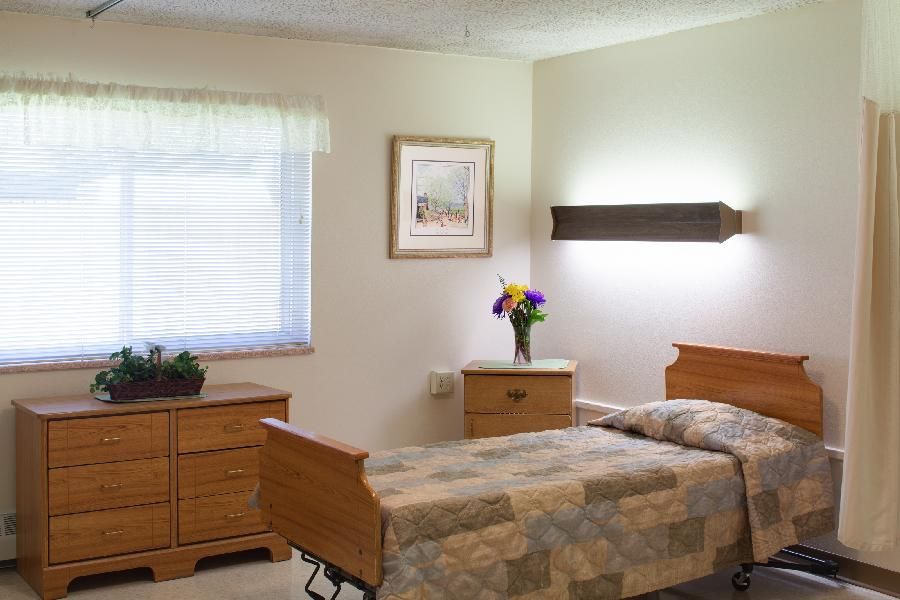
- The facility is clean, well-maintained, and thoughtfully designed for comfort.
- Activities are engaging and bring joy to the residents.
- Elizabeth and her team go above and beyond every day, providing peace of mind that loved ones are in excellent hands.
Cons
 The reviewer would have given negative stars if possible.
- The reviewer had a loved one at the facility for skilled therapy after a hospital stay, and the experience was awful.
- No one would return the reviewer's calls.
- The loved one was discharged without a safe and adequate discharge plan or discharge teaching.
- The care in the facility was awful, inconsistent, and neglectful.
- The reviewer expressed concern that, without involved family members, the loved one could have been more vulnerable.
Review
Pueblo Center in Pueblo, CO is best suited for families seeking a warm, people-focused senior care option where the nursing team is readily visible, responsive, and capable of delivering steady day-to-day care in a clean, comfortable setting. It suits residents who thrive in a culture run by an engaged leadership team and who value dignity, relationships, and predictable routines. The facility earns praise for a capable nursing staff, a clean and well-maintained environment, and a sense of community that makes residents feel seen and supported. It works especially well for long-term residential care or transitional rehab where daily life centers on meaningful interactions, structured activities, and reliable assistance. In short, this is a practical home-like choice for seniors who prize hands-on care, consistent staffing, and a welcoming atmosphere that emphasizes personal connection.
Those who may want to consider alternatives are those for whom flawless discharge planning and consistently proactive communication are nonnegotiables. A particularly troubling review describes a hospital-to-facility transition marked by a lack of discharge planning, no teaching, and unanswered calls, culminating in a disorienting and unsafe discharge. For families needing seamless transitions, tight coordination with hospital teams, and transparent, timely updates, this signals a potential mismatch. If risk management, accountability, and a well-documented process for rehab goals and discharge instructions are essential, it makes sense to compare other communities with proven transitional care protocols. Similarly, residents with complex medical needs that demand precise rehab oversight may want to assess options where discharge planning is demonstrably stronger and more consistently executed.
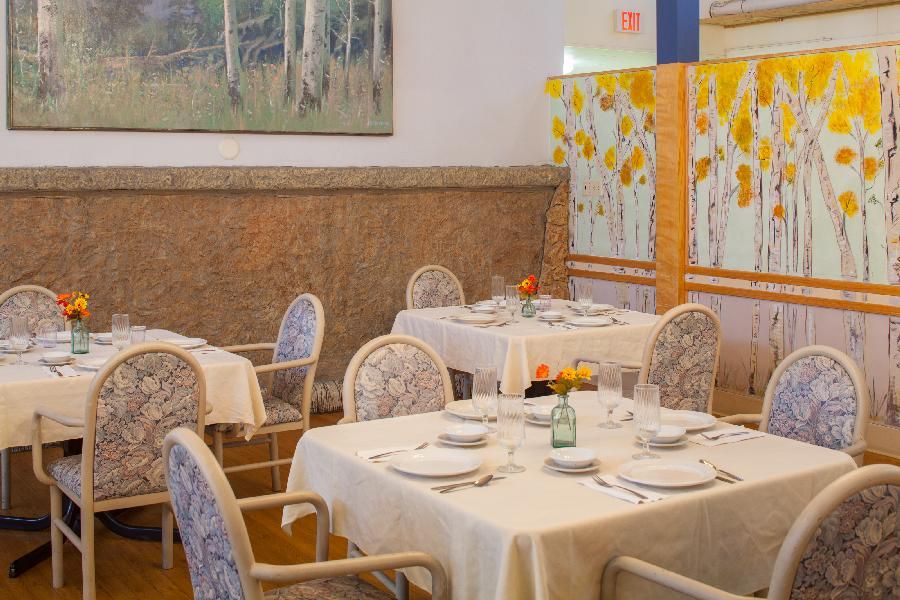
On the positives, the nursing team and overall care quality stand out as Pueblo Center’s core strength. Multiple reviews describe the staff as amazing and attentive, delivering care that goes beyond basic tasks to create a supportive, person-centered environment. The facility is repeatedly characterized as clean, well-maintained, and thoughtfully designed for comfort and safety, with routines that emphasize dignity and respect. Dining is noted as reliable and enjoyable, with residents finding familiar favorites and steady food quality. Activities are described as engaging and capable of bringing joy, helping residents stay connected and mentally engaged. Leadership is a central theme in the positive narratives, with administrator Elizabeth portrayed as the heart of the operation, hands-on, professional, and relentlessly committed to ensuring families feel supported and residents receive high-quality care. Taken together, these elements build a trustworthy baseline for daily life and ongoing support.
Yet the cons highlighted in the reviews cannot be ignored and carry real weight for decision-making. The most consequential risk centers on discharge planning and communication gaps during transitions. The negative account portrays a facility where calls go unanswered and discharge plans fail to provide safety, instruction, or a clear path forward. This kind of inconsistency can undermine trust and complicate rehab outcomes, especially when a loved one is vulnerable and relies on coordinated care across settings. There is an implication that while on-site care can be excellent, the fracture point is the transition out of the hospital and into sustained daily care, where families need timely, precise information and a coherent plan. These concerns do not erase the strengths but do create a tangible risk vector that must be actively managed by both the community and the families involved.
To decide with clarity, prospective residents should weigh the strong points against the risk signals by pressing for concrete protections before moving in. The outstanding nursing care, the cleanliness, and Elizabeth’s visible leadership should anchor expectations for day-to-day experience, staff responsiveness, and a culture of dignity. However, it is essential to insist on a formalized discharge process, a documented rehab plan, and a defined communication protocol that specifies responsible staff, update frequencies, and escalation paths. Tour discussions should include how rounds are conducted, how daily care routines are organized, and a sample activity calendar to confirm consistency. Ask for a written discharge plan that includes family teaching and a post-discharge point of contact. If these safeguards are in place and consistently honored, the positives become a reliable foundation for confident, ongoing care.
In the final assessment, Pueblo Center offers a compelling combination of compassionate care, visible leadership, and a resident-centered atmosphere that many families will value highly. The strongest endorsements point to dedicated nursing staff, a clean, comfortable environment, and leadership that translates into a cohesive, supportive culture. The clear caveat is the potential for uneven discharge planning and communication gaps, which can erode confidence during transitions if not actively addressed. For families prepared to stay engaged, asking for thorough discharge plans, requesting timely updates, and evaluating the facility’s transition protocols, this community delivers substantial value and a strong sense of security in daily life. Those who cannot tolerate possible communication gaps or variable transition quality should consider alternatives with more rigorous, transparent transition practices. With proactive oversight and explicit expectations, Pueblo Center stands as a practical, well-regarded option for long-term care that foregrounds dignity, staff cohesion, and resident well-being.
 21 resident community capacity
 Skilled Nursing Facility
 Beauty salon
 Cable or satellite TV
 Dining room
 Fully furnished
 Garden
 Housekeeping services
 Kitchenette
 Move-in coordination
 Outdoor space
 Telephone
 Wi-Fi/high-speed internet available
 Pueblo Memorial (9 miles away)
 24-hour call system
 Activities of daily living assistance
 Assistance with bathing
 Assistance with dressing
 Assistance with transfers
 Diabetes diet
 Meal preparation and service
 Medication management
 Mental wellness program
 Special dietary restrictions
 Transportation arrangement (medical)
 Transportation to doctors appointments

 6 Crucial Ways an Elder Law Attorney Assists Families
 Navigating the Tax Landscape of Caregiving: Credits, Deductions, and Beyond
 Highly Beneficial Low-Impact Exercises for Senior Living Residents