For more information about senior living options: (866) 208-4318
3.6 from 93 reviews
5 stars
58
4 stars
3
3 stars
1
2 stars
2
1 stars
29
Overall Review of Rock Canyon Respiratory And Rehabilitation Center
caveat6 reviews mention this
Call lights and alarms draw criticism
Some residents and families report long waits for help after using call buttons.
Several reviews describe situations where call buttons or alarms went unanswered for long stretches, including accounts of waits of roughly half an hour to hours. A few reviewers also say staff seemed to be chatting or otherwise unavailable when they expected assistance. Some narratives also mention follow-through issues once staff were contacted, even when symptoms were urgent.
common8 reviews mention this
Staff caring and responsive is praised
Many reviewers say the staff is kind, caring, and helpful throughout the stay.
A large share of positive reviews highlight nurses, CNAs, therapy, and front-desk staff as caring and attentive to residents. Multiple reviewers mention good communication with family, prompt attention to needs, and a supportive experience during rehab. Even among more critical comments, some families still point to a small number of staff members they felt treated their loved one well.
common4 reviews mention this
Cleaning and overall comfort vary
Reviewers are split on cleanliness and how pleasant the facility feels.
Some reviews describe the building as clean, with no offensive odors, cheerful atmosphere, and rooms that feel comfortable. Other reviewers report cleanliness problems such as spider webs, outdated conditions, or rooms they felt looked dirty. A few comments also connect the overall environment to how comfortable residents felt during their time there.
caveat5 reviews mention this
Activities and programming are inconsistent
Residents’ activity experiences are described as uneven across reviews.
On the positive side, some families mention daily programming and an activities team that kept residents engaged. Other reviewers say there were little to no activities, or that residents were not accommodated for their needs when it came to participating. A few reviews also tie this inconsistency to concerns about staffing and follow-through.
caveat2 reviews mention this
Medication management gets mixed reports
Some reviewers express concerns about medication handling and accuracy.
A couple of reviews describe medication problems, including confusion about what was being given and missed opportunities to confirm details. Others mention broader care failures that they connect to medication decisions and communication, especially when loved ones were dealing with health changes. These accounts stand alongside the rest of the feedback, which includes many positive caregiver experiences.
How we summarize
Counts show how many written reviews mention each theme; a review can touch several themes, and only frequently mentioned themes are displayed.
Features
Housing
81 resident community capacity
Types of Care
Skilled Nursing Facility
Amenities
Air-conditioning
Beauty salon
Cable or satellite TV
Computer center
Dining room
Fitness room
Fully furnished
Gaming room
Garden
Housekeeping services
Kitchenette
Move-in coordination
Outdoor space
Private bathrooms
Restaurant-style dining
Small library
Telephone
Wellness center
Wi-Fi/high-speed internet available
Transportation
Pueblo Memorial (9 miles away)
Community operated transportation
Transportation arrangement
Transportation arrangement (non-medical)
Transportation to doctors appointments
Care Services
12-16 hour nursing
24-hour call system
24-hour supervision
Activities of daily living assistance
Assistance with bathing
Assistance with dressing
Assistance with transfers
Diabetes diet
Meal preparation and service
Medication management
Mental wellness program
Special dietary restrictions
Dining
Diabetes diet
Special dietary restrictions
Activities
Community-sponsored activities
Concierge services
Fitness programs
Planned day trips
Resident-run activities
Scheduled daily activities
Nearby Places of Interest
Restaurants
KFC (0.1 miles)
Subway (0.5 miles)
Wendy's (0.5 miles)
Tian Jin Restaurant (0.5 miles)
Pass Key Restaurant (0.5 miles)
Feelin' A Little Philly (0.5 miles)
Tortilleria El Pampano (0.5 miles)
Pharmacies
Albertsons Pharmacy (0.2 miles)
Walgreens (0.3 miles)
Jb Pharmacy (1.1 miles)
Broadway Pharmacy (1.7 miles)
Walgreens (1.9 miles)
Express Scripts (2.5 miles)
Theaters
Blactino Entertainment Company (0.8 miles)
Physicians
Southern Colorado Dermatology (0.9 miles)
Ideal Family Medicine (0.9 miles)
Dorcy Cancer Center (1 miles)
Associates In Womens Health Care (1 miles)
Summit Primary Care (1 miles)
Southern Colorado Family Medicine (1.1 miles)
Azar Camille MD (1.1 miles)
Hospitals
St. Mary Corwin Hospital (1.1 miles)
Southern Colorado Clinic Urgent Care (1.2 miles)
Acpc Women's Clinic (1.3 miles)
Places of Worship
Cornerstone Assembly Of God (1.1 miles)
Temple Baptist Church (1.3 miles)
Church of The Jubilee (1.3 miles)
Christian Evangelical Church (1.7 miles)
Lady Of The Meadows (1.7 miles)
Church of Jesus Christ of Latter Day Saints (1.8 miles)
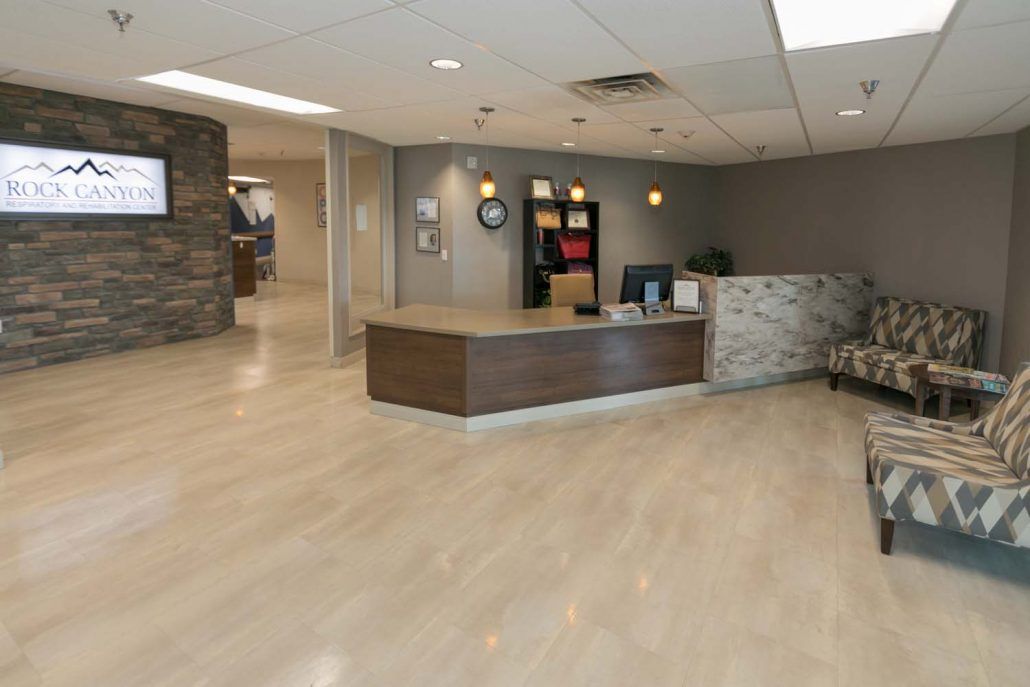
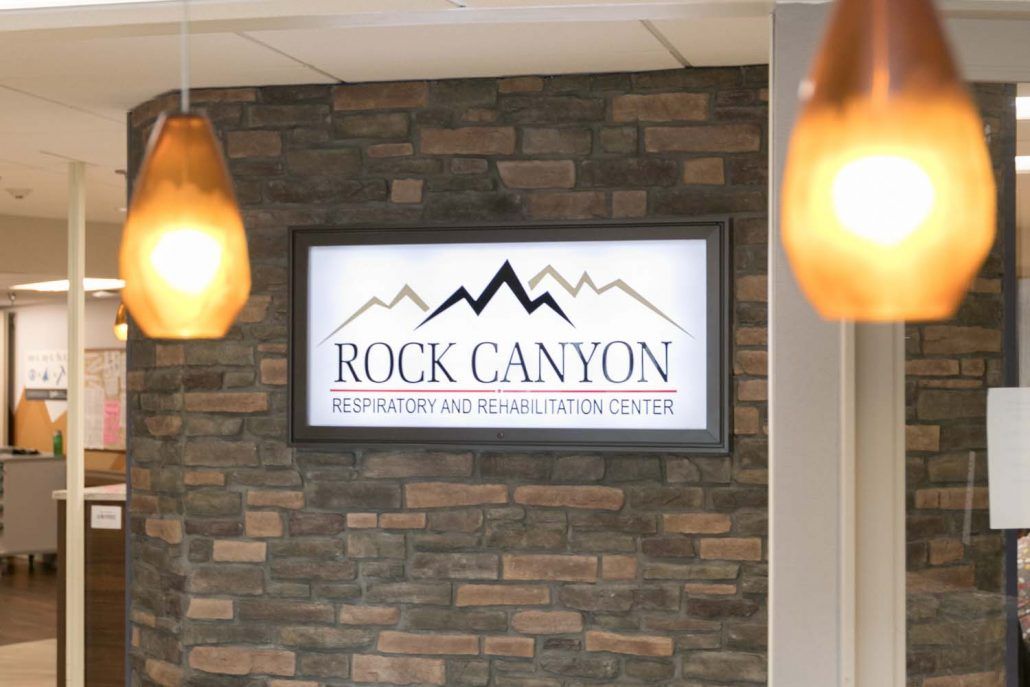
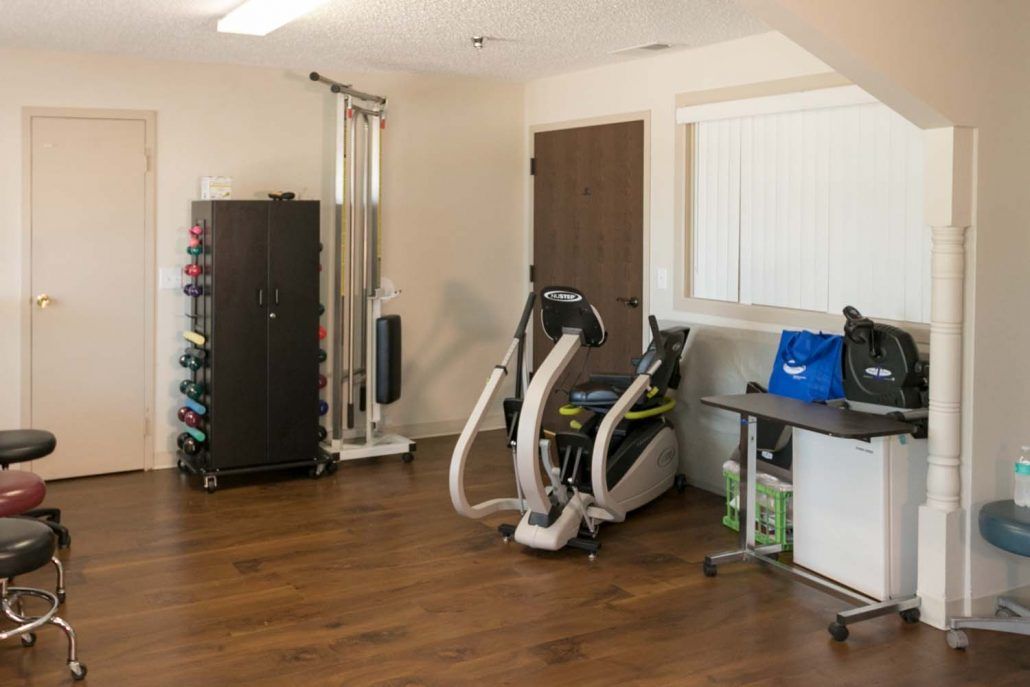
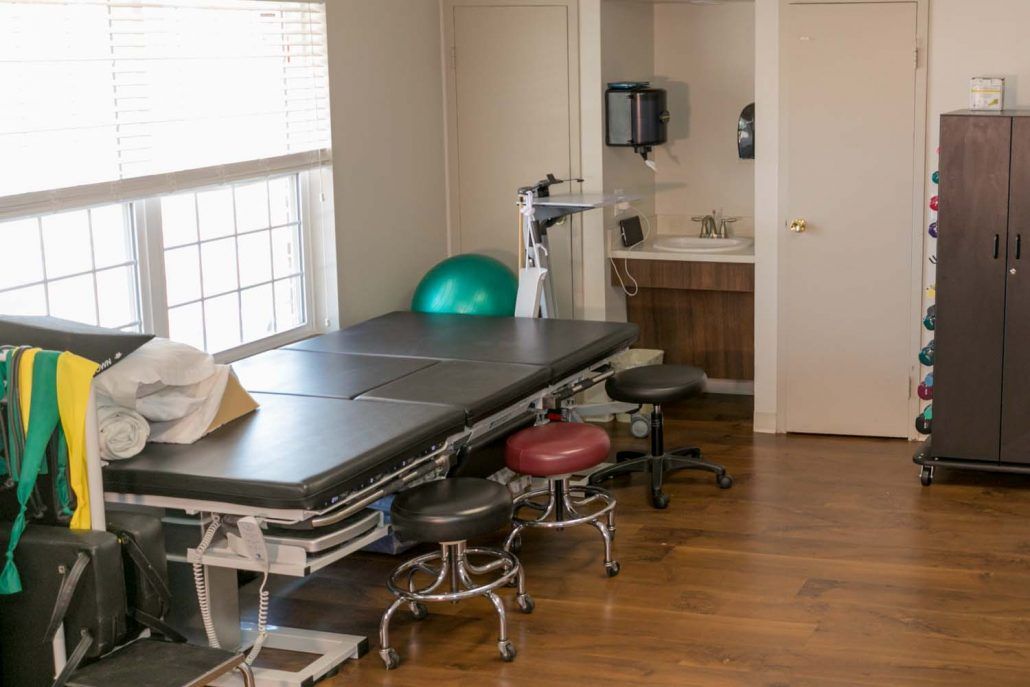
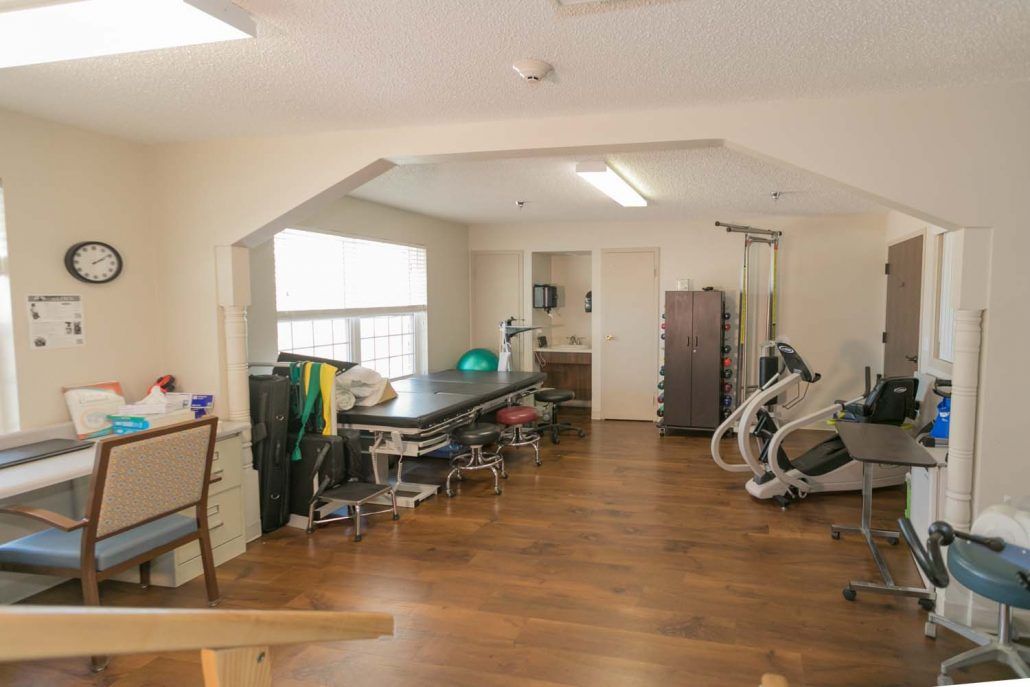
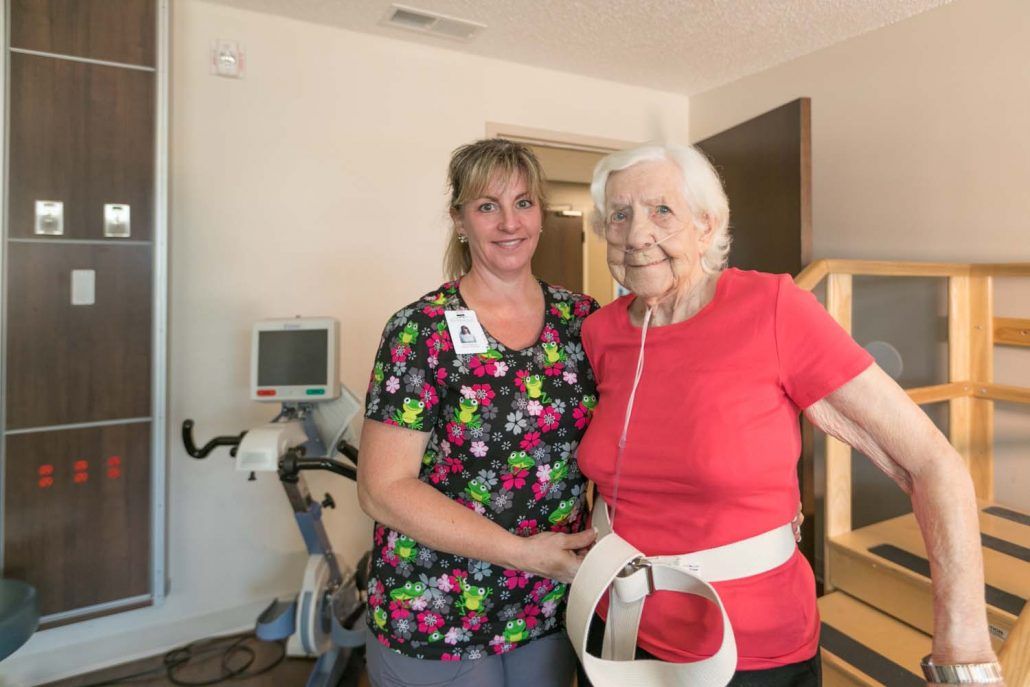
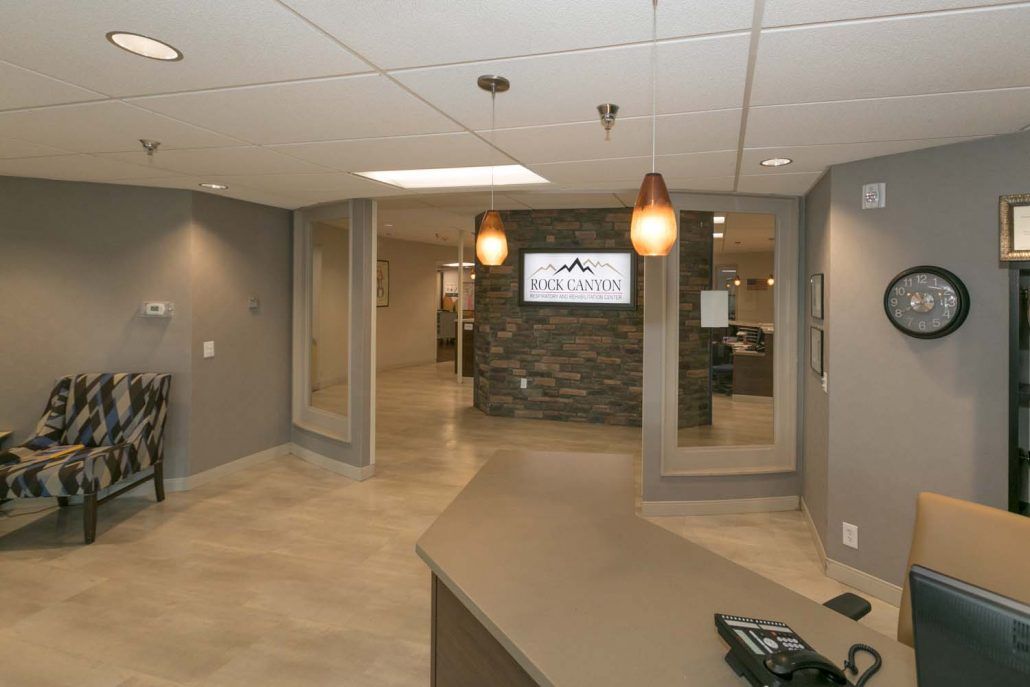
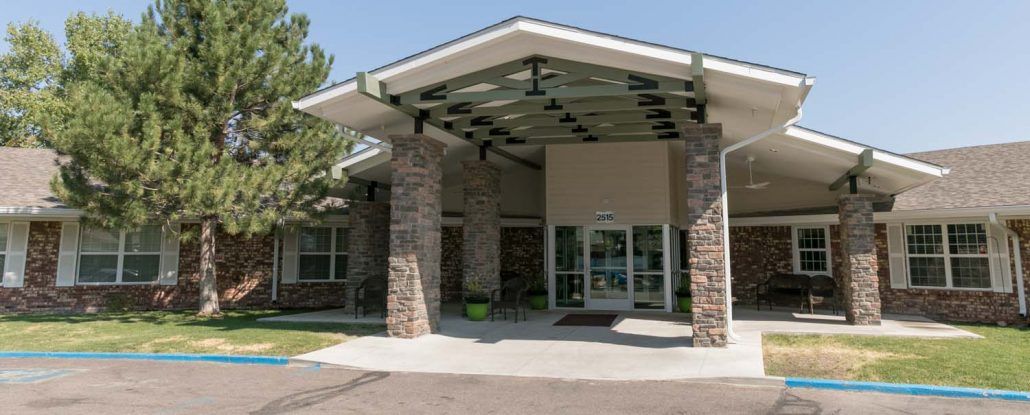
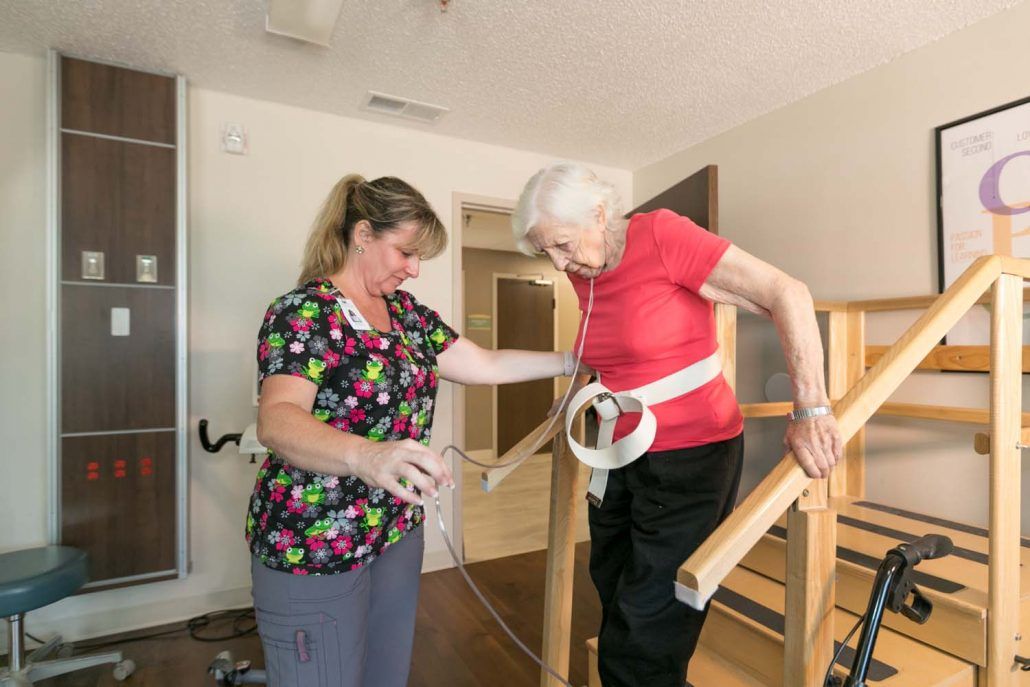
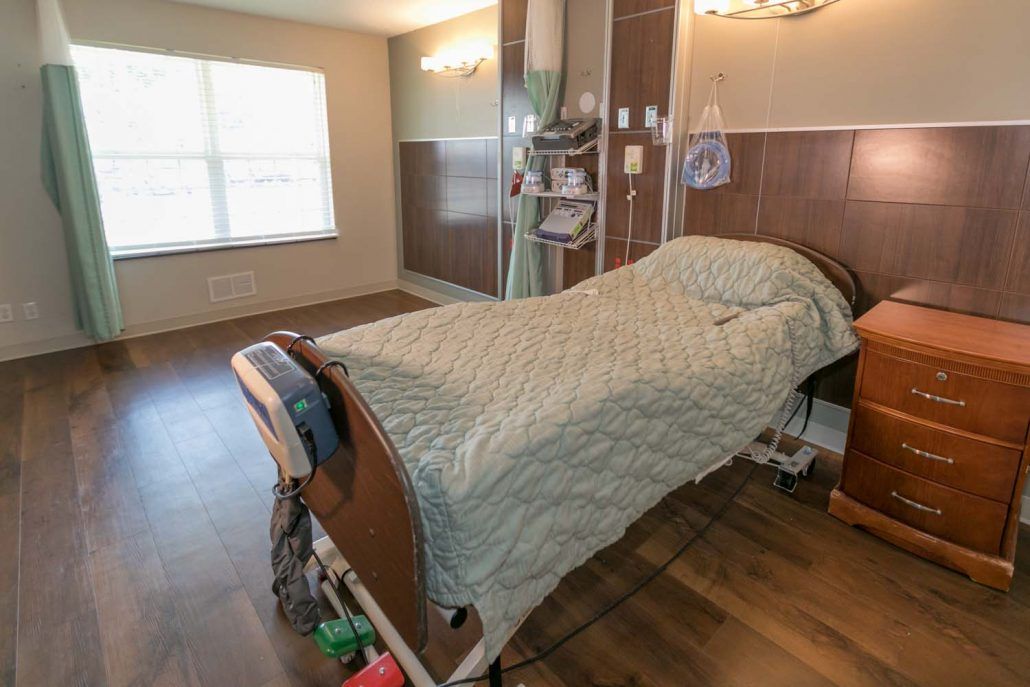
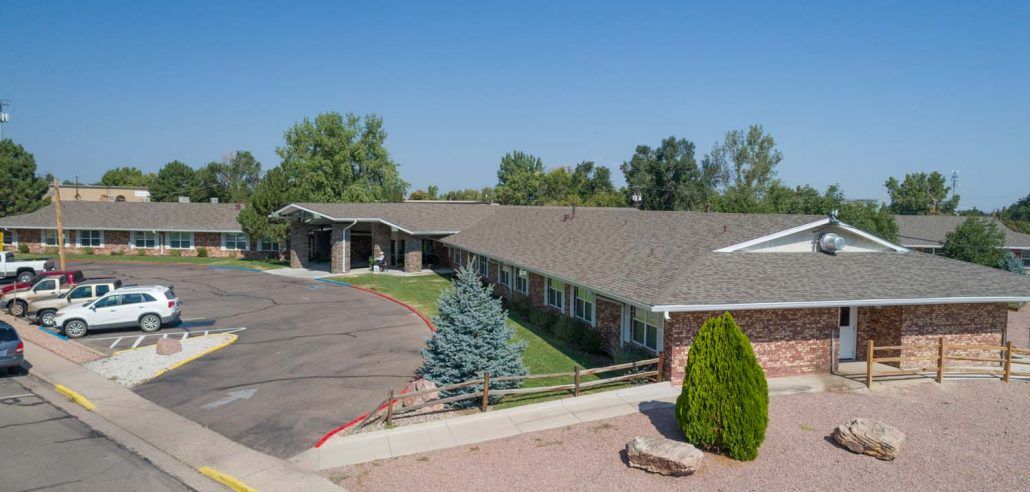
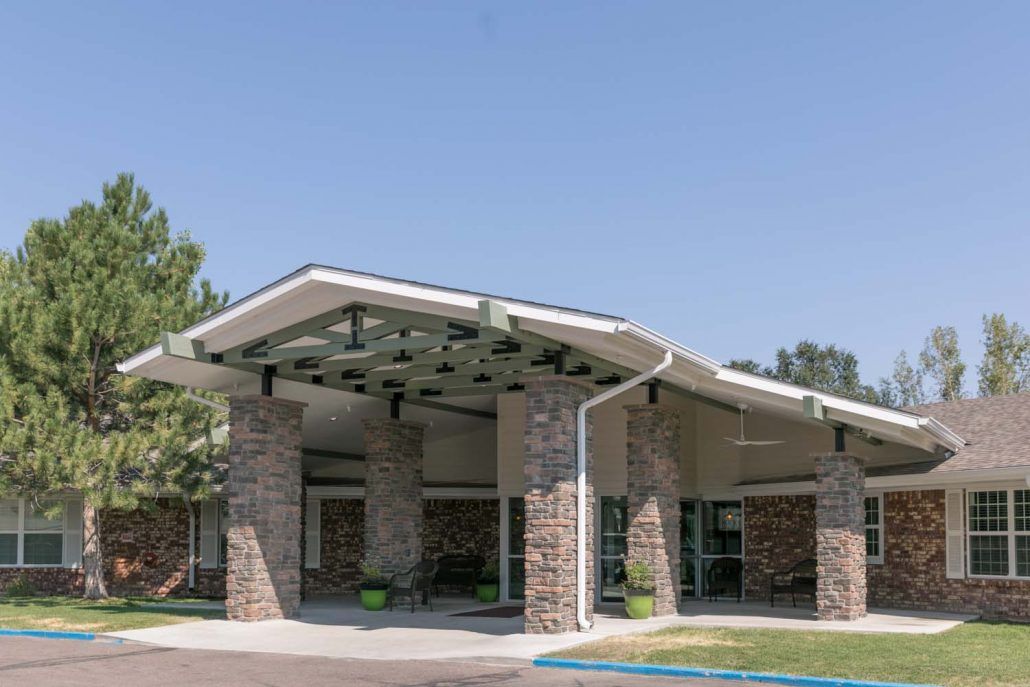
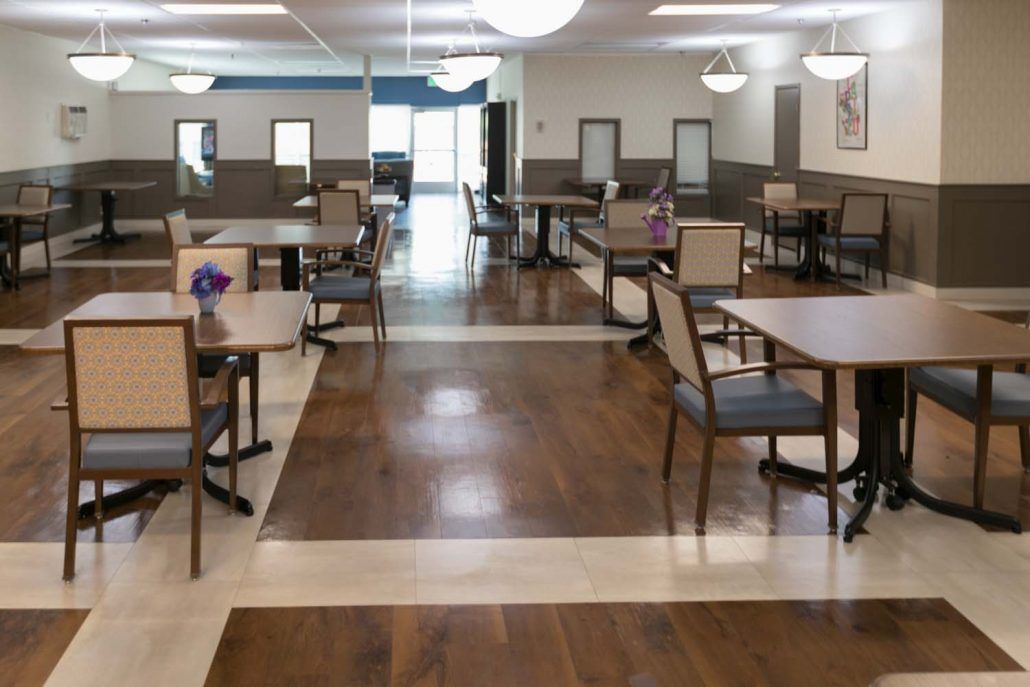
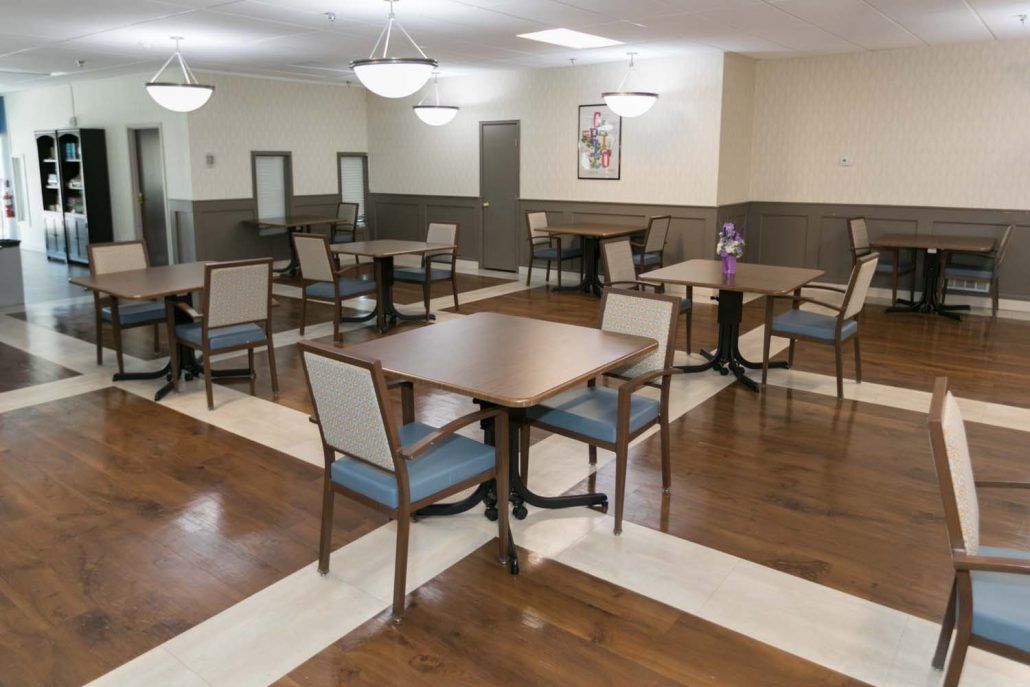
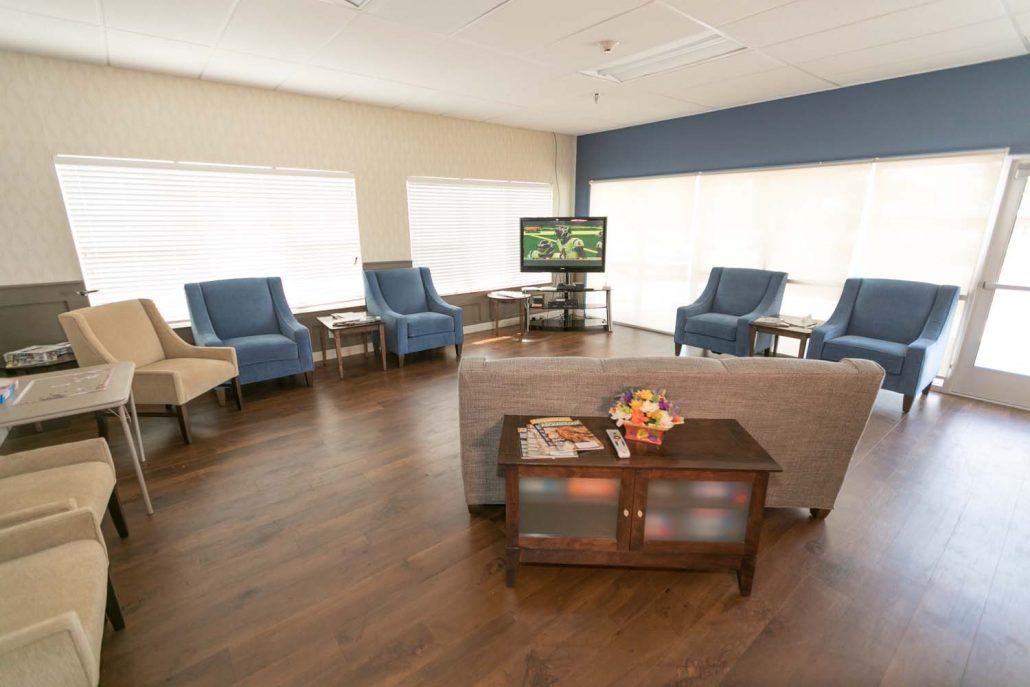
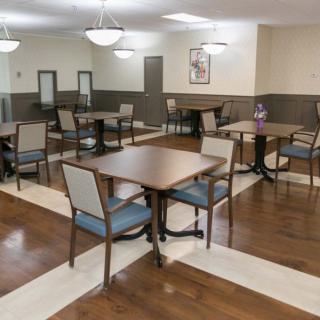
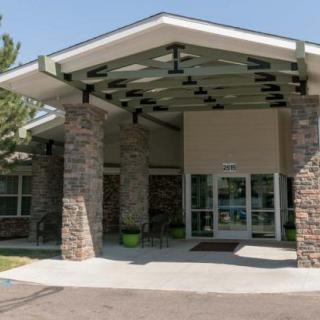
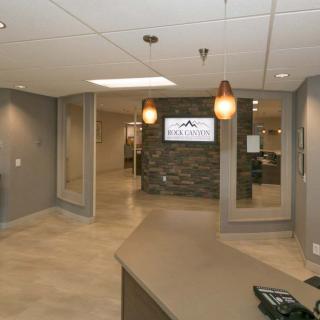
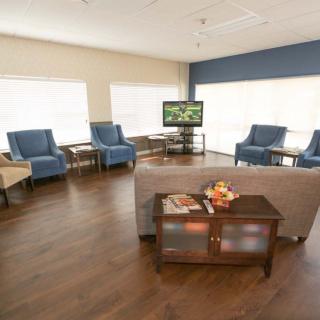
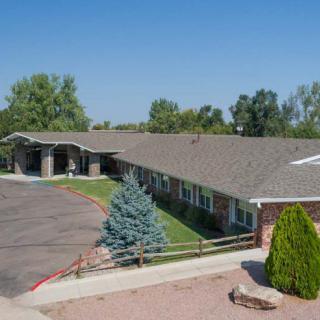
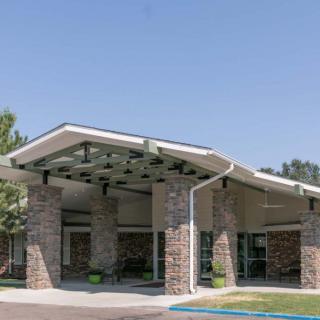
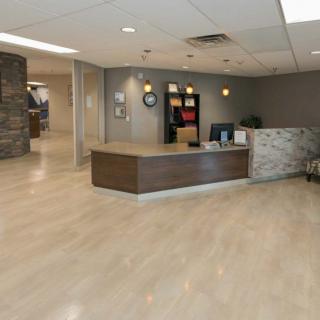
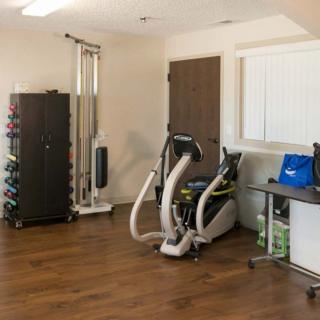
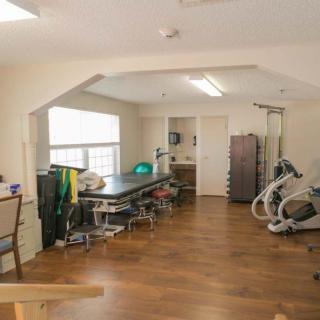
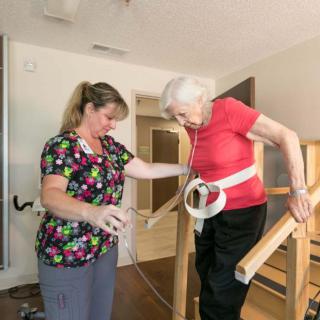
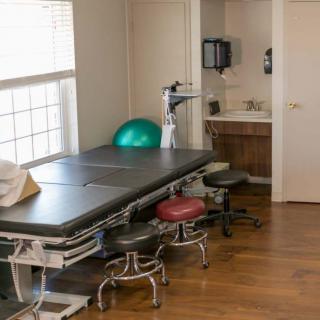
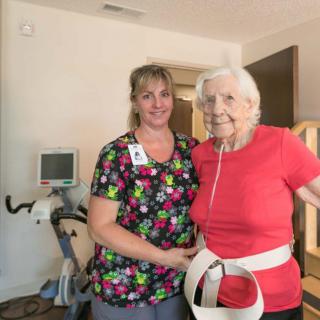
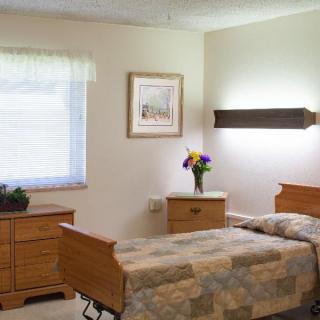
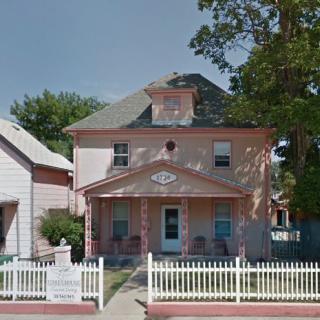
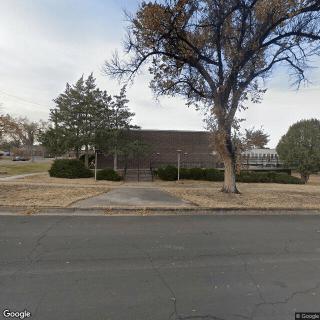
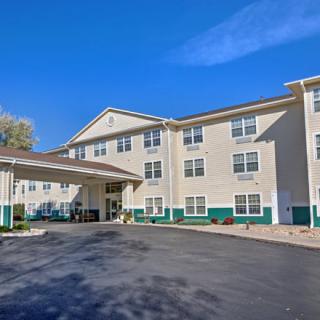
Rock Canyon Respiratory And Rehabilitation Center on seniors.fyi includes 17 photos including images showing interior, reception area, building, decor, physical therapy, rehabilitation, lighting, architecture, and more.
Nearby Communities
The Villas At Rock Canyon
Pueblo, CO
4.5 from 11 reviews
24-hour supervision with ADL assistance and medication management.
Riverwalk Post Acute And Rehabilitation
Pueblo, CO
3.5 from 11 reviews
Extensive on-site amenities and 24/7 care with activity programs
Pueblo Center
Pueblo, CO
4.5 from 17 reviews
Fully furnished apartments with 24/7 supervision and comprehensive care.
Golden Gate Manor II
Pueblo, CO
3.5 from 11 reviews
Personalized 24-hour care with ADL support and ample amenities.
Eddie's House
Pueblo, CO
3 from 12 reviews
Cozy, fully furnished board and care home with 24/7 supervision and comprehensive daily living support.
The Citadel Alzheimer’s/Dementia Assisted Living
Pueblo, CO
3.7 from 3 reviews
$3,800 / month
Specialized memory care with personalized care plans and on-site activities.
Brookdale El Camino
Pueblo, CO
4.6 from 87 reviews
$3,995 to $5,670 / month
Caring staff, a welcoming atmosphere, and comfortable rooms with engaging activities.
Villa Pueblo Senior Living Community
Pueblo, CO
4.1 from 117 reviews
$2,050 to $2,950 / month
Friendly staff, good meals, and spacious, affordable apartments with engaging activities.
Azteca Apartments
Pueblo, CO
3.3 from 18 reviews
Excellent access to dining, parks, and healthcare.
Medicare covers in-home health care services, which are medical and provided by licensed professionals under a physician's supervision, whereas non-medical personal assistance is generally not covered unless part of a broader skilled care plan. Eligibility for benefits depends on being homebound and needing intermittent skilled services from a Medicare-certified agency, with specific coverage limitations and additional resources available for navigating options.
In-home care is increasingly sought after by older adults for maintaining independence, with average private home care rates in 2025 varying by state and service type, reflecting geographical and local labor market influences. As demand rises, families are considering funding options like Medicaid waivers and long-term care insurance to manage costs effectively while ensuring quality care.
Home health care has become essential for supporting independence among the aging population, offering diverse services such as skilled nursing and rehabilitation in familiar environments, while also incorporating technology for personalized care. Despite its benefits, including improved recovery rates and emotional well-being, challenges like safety, staff availability, and insurance navigation must be managed for effective implementation.
Rock Canyon Respiratory And Rehabilitation Center photos
×
Interior
Outdoors
Decor
Living Room
Building
Architecture
Lighting
Lobby
Exercise Equipment
Healthcare
Rehabilitation
Physical Therapy
Caregiver
Interior
Decor and Lobby
Dining
Living Room, Television, and Seating Area
Landscaping
Building
Architecture and Entrance
Trees and Parking
Lighting
Outdoors
Exercise Equipment
Exterior
Healthcare
Gym, Fitness, and Workout Room
Rehabilitation
Physical Therapy
Lights
Reception Area
Brick Wall
Exercise
Therapy Room
Caregiver
Additional Photos
Get PricingAsk A QuestionSchedule A TourContact Senior Advisor
By clicking submit, you agree to our Partner's Terms of Use. You
also consent to receive calls and texts, which may be autodialed, from our Partner. Your consent is not a condition to
using our Partner's service. Please visit our Partner's Privacy Policy for information about their privacy practices.

 81 resident community capacity
 Skilled Nursing Facility
 Air-conditioning
 Beauty salon
 Cable or satellite TV
 Computer center
 Dining room
 Fitness room
 Fully furnished
 Gaming room
 Garden
 Housekeeping services
 Kitchenette
 Move-in coordination
 Outdoor space
 Private bathrooms
 Restaurant-style dining
 Small library
 Telephone
 Wellness center
 Wi-Fi/high-speed internet available
 Pueblo Memorial (9 miles away)
 Community operated transportation
 12-16 hour nursing
 24-hour call system
 Activities of daily living assistance
 Assistance with bathing
 Assistance with dressing
 Assistance with transfers
 Diabetes diet
 Medication management
 Mental wellness program
 Special dietary restrictions
 Concierge services
 Planned day trips
 24-hour supervision with ADL assistance and medication management.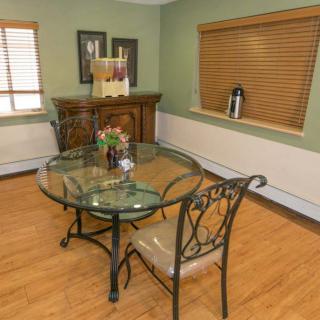
 Navigating Medicare Coverage for In-Home Care Services
 In-Home Care Costs in 2025: A Detailed State-by-State Exploration
 Understanding Home Health Care: A Comprehensive Guide