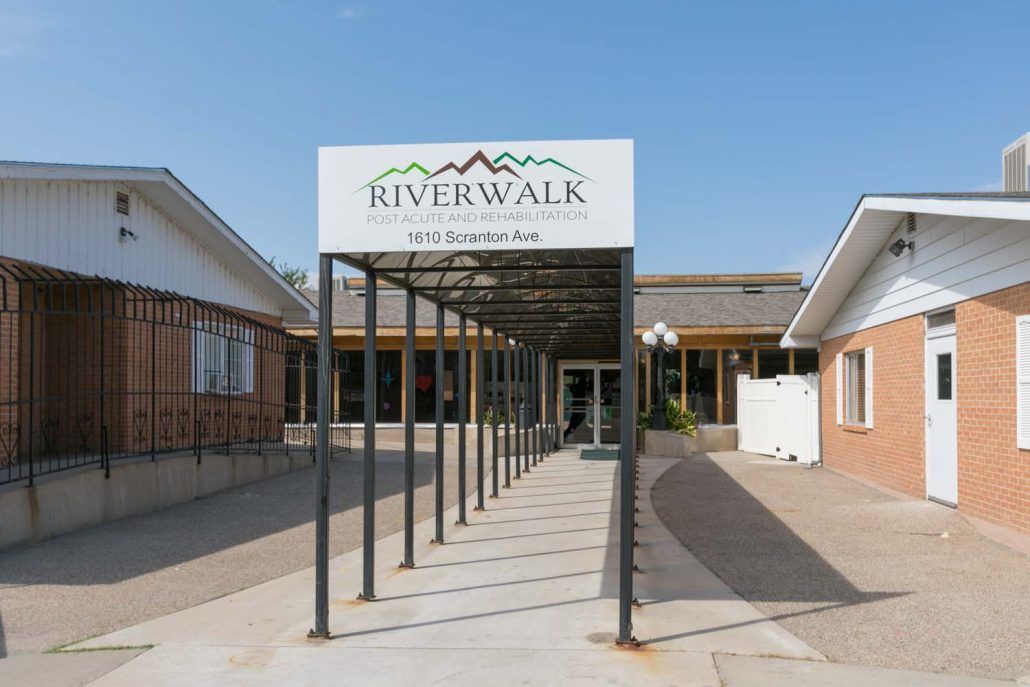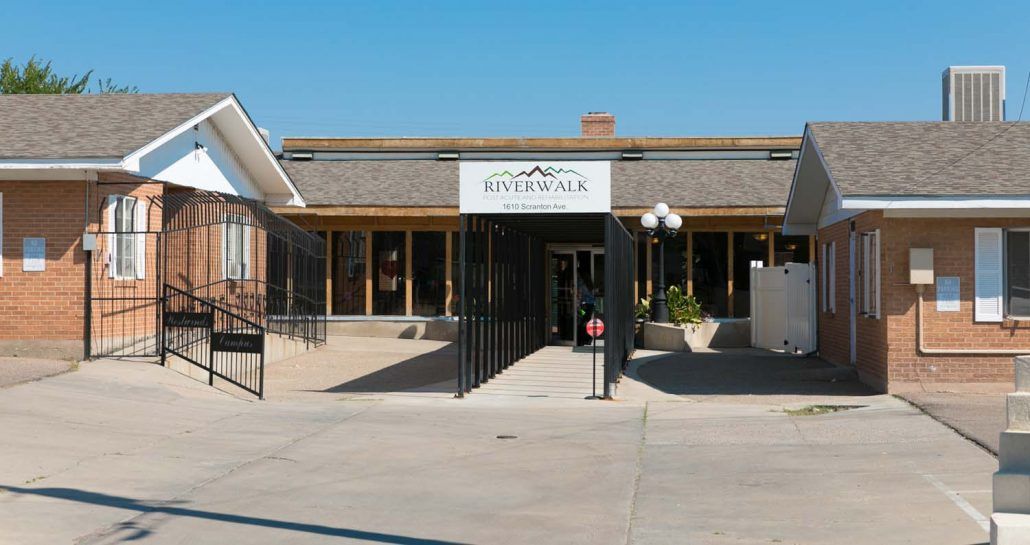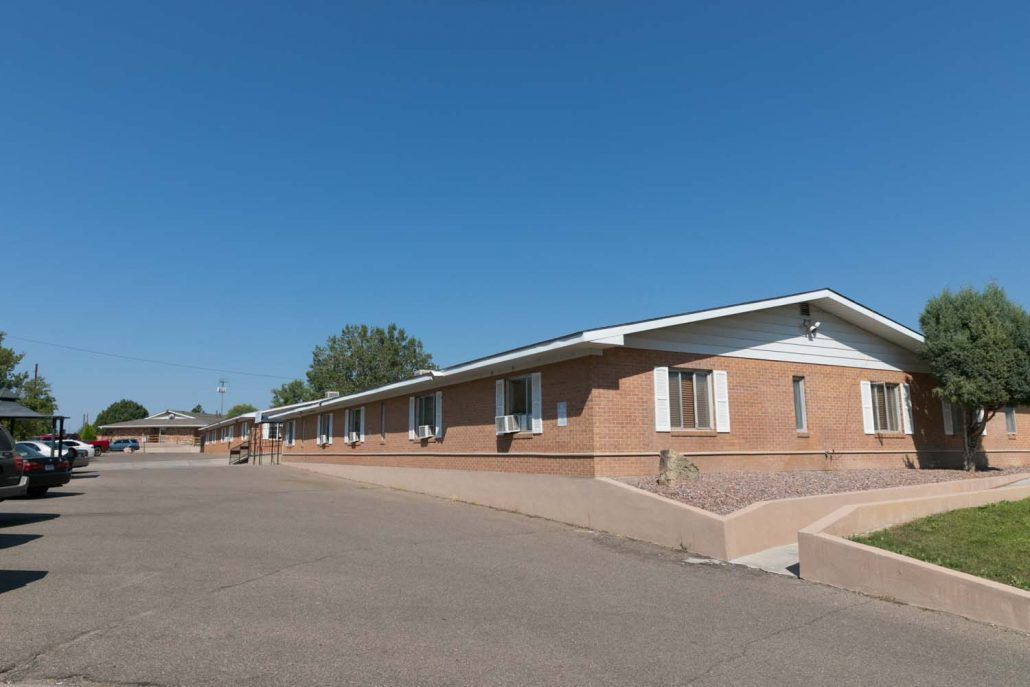
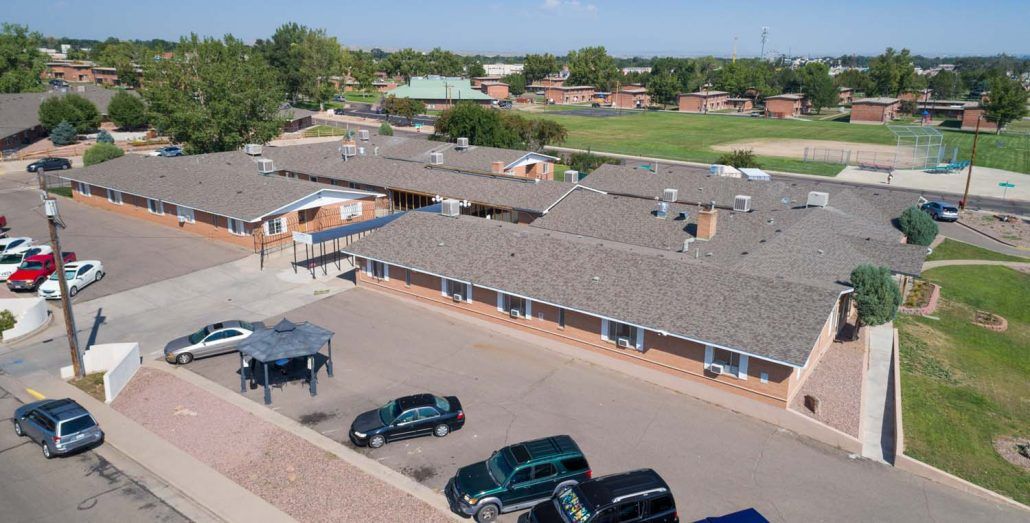

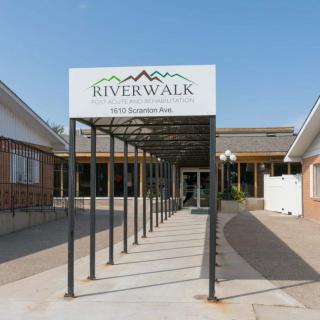
1610 Scranton Avenue, Pueblo, CO 81004
For more information about senior living options: (866) 208-4318
Overall Review of Riverwalk Post Acute And Rehabilitation
Pros
 The staff are very caring, have big hearts, and are well educated.
- The walk is safe, flat, and exactly one mile long.
- This is a beautiful place with a nice variety of restaurants and a 20-minute boat tour.
- The staff were very understanding and comforting.
- The care provided was better than expected.
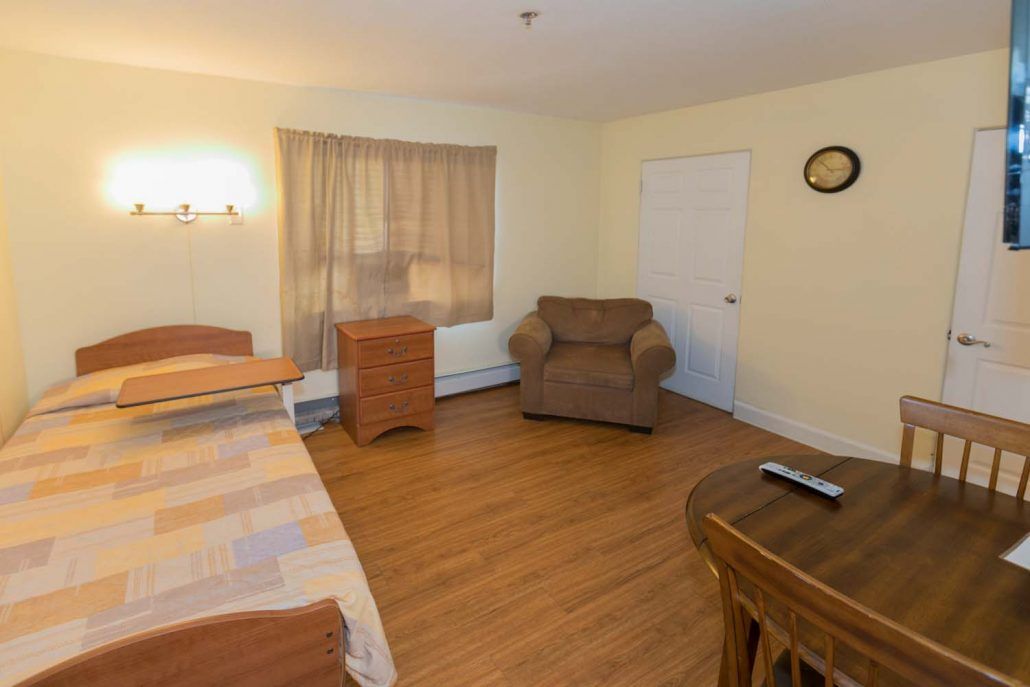
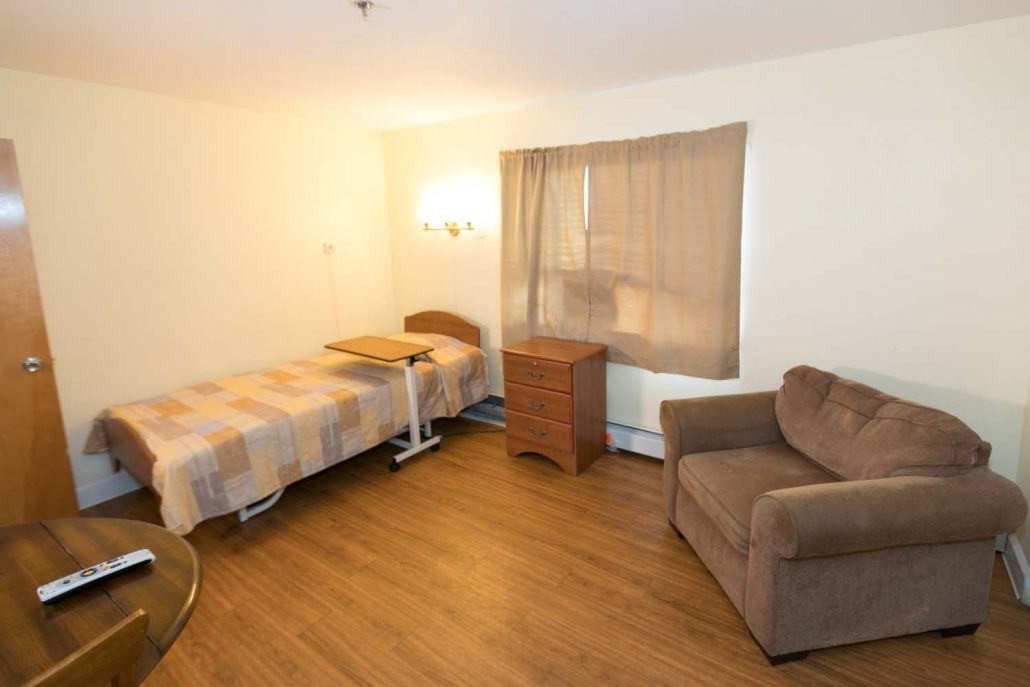
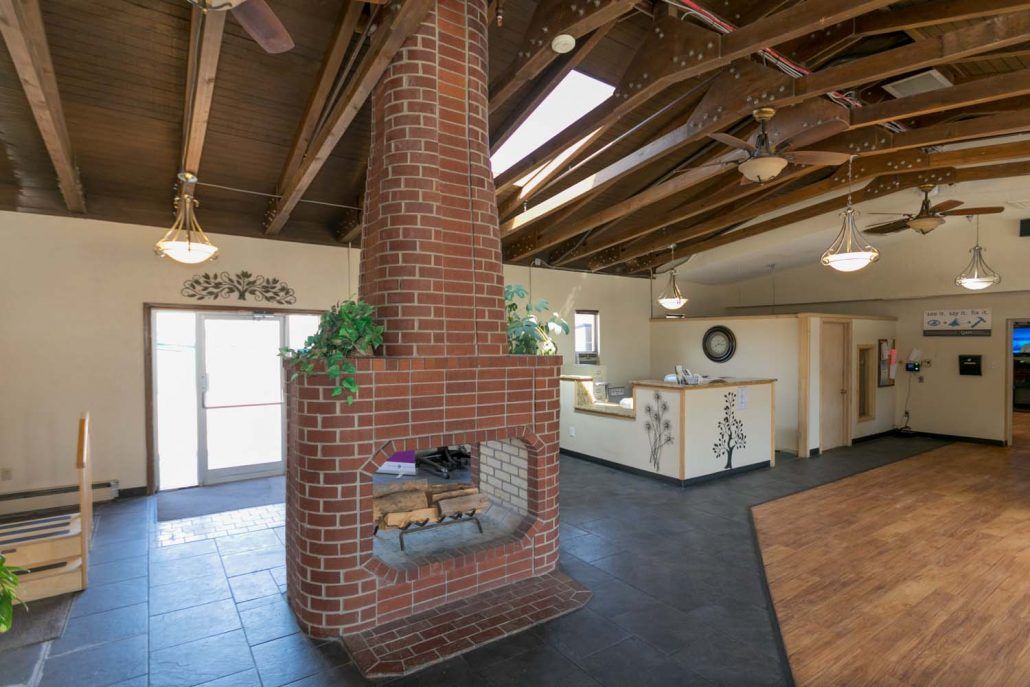
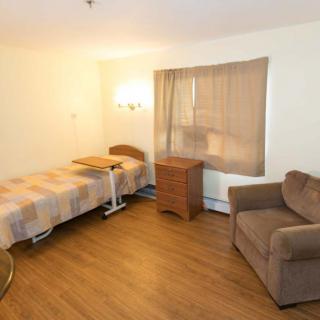
- The rooms are modest but very spacious.
- The therapists are good, and most of the nurses and staff are also quite good.
- It is recommended for those needing a restart due to accident or illness.
- The nurses are nice; they care about residents and listen to what they have to say.
Cons
 The reviewer states that no doctors or nurses updated the family on her condition or wellbeing.
- They couldn’t visit due to covid restrictions.
- The family reports missing items after her passing, including her cell phone.
- The reviewer discovered that the last use of her phone appeared to be in Puerto Rico by someone they didn’t know.
- The Christmas pajamas she wore were missing.
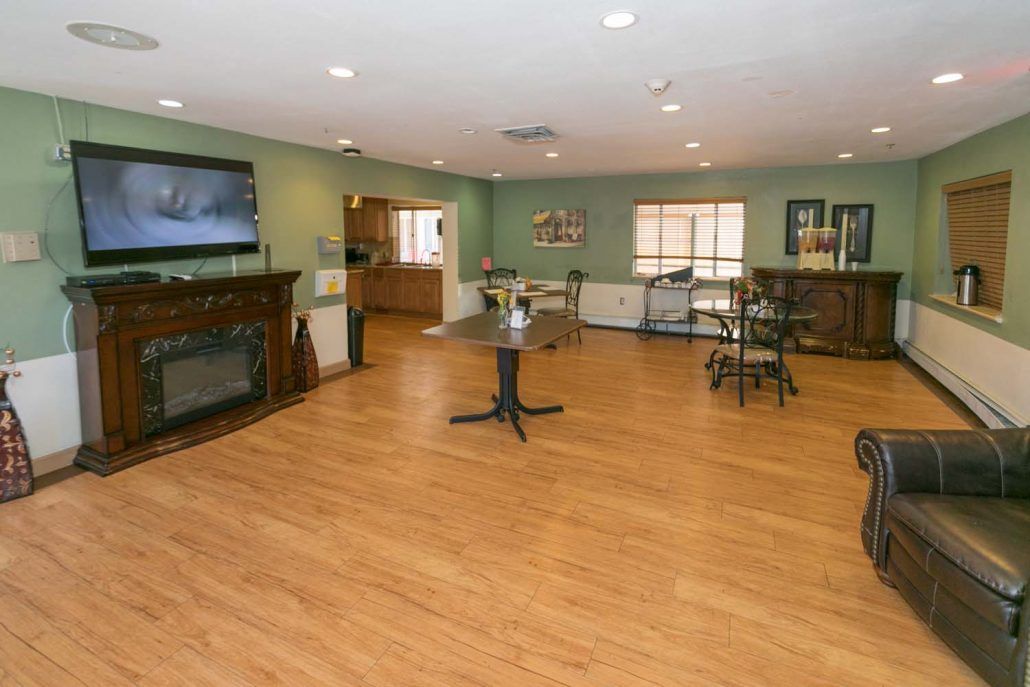
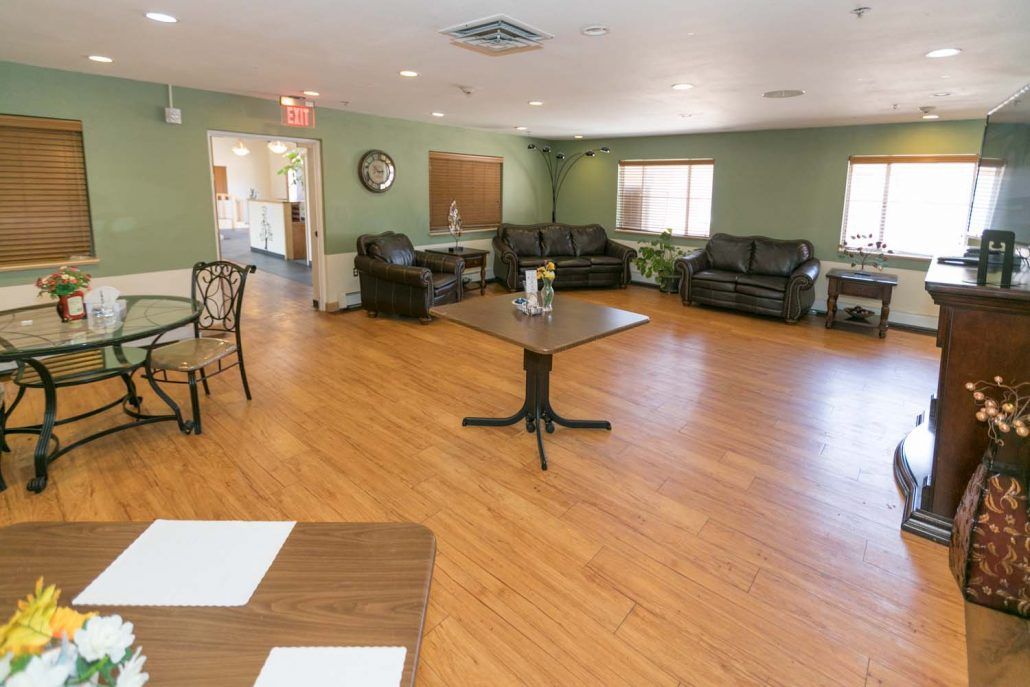
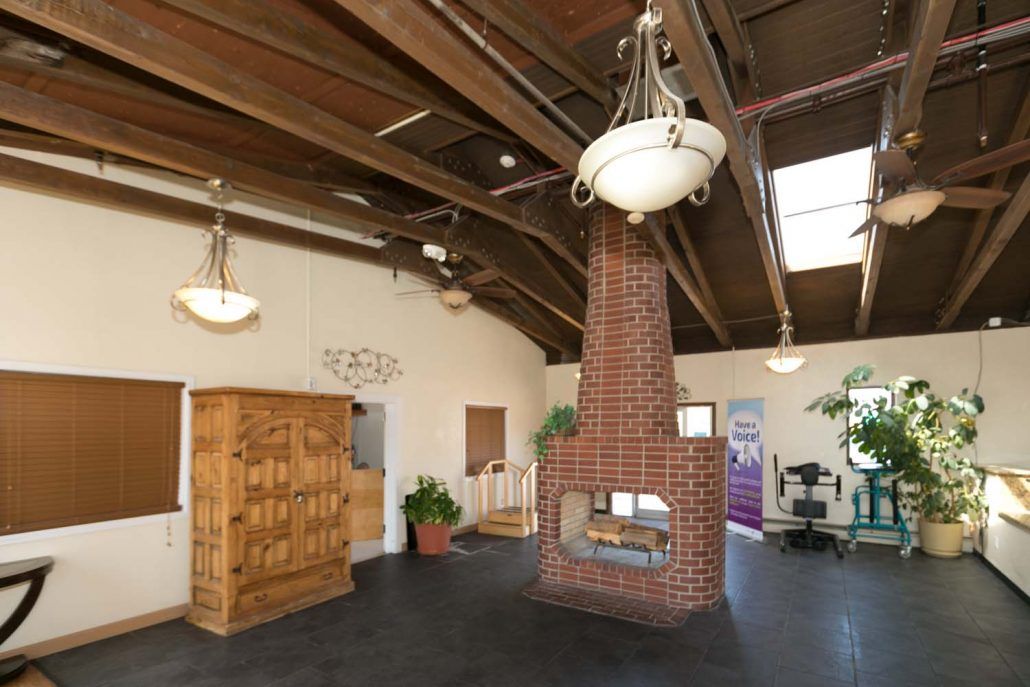
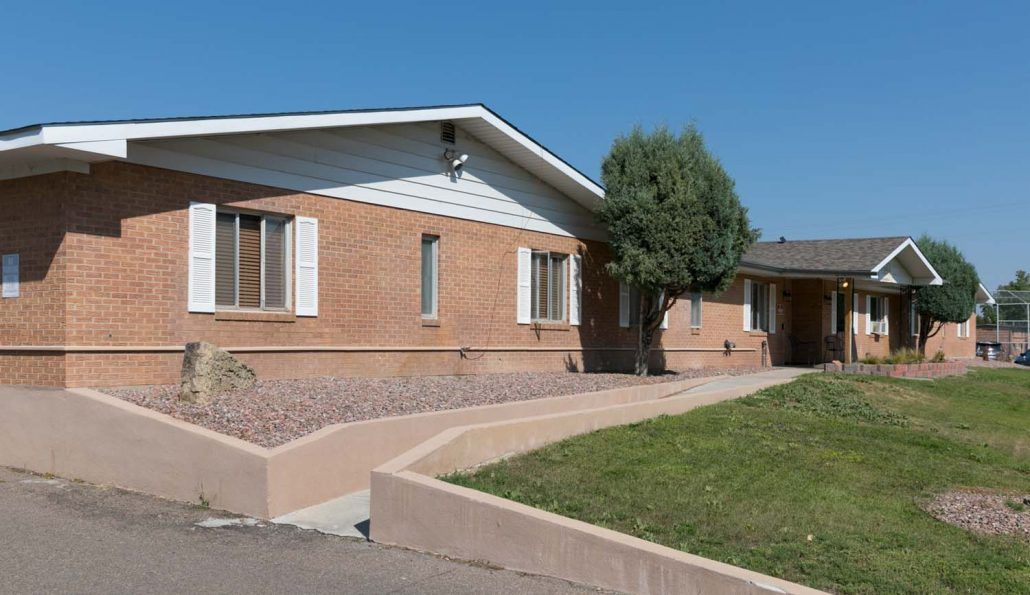
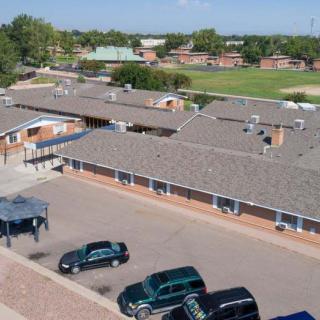
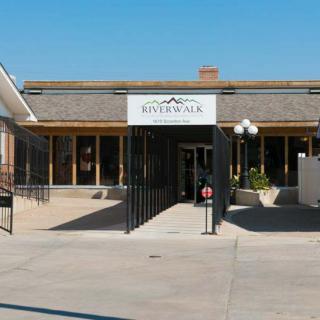
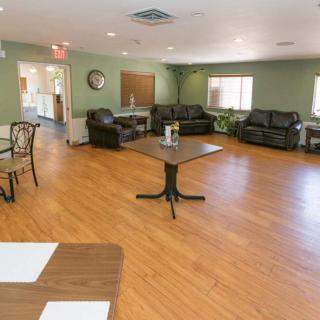
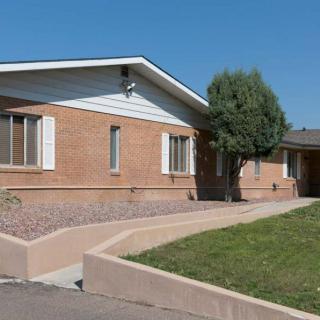
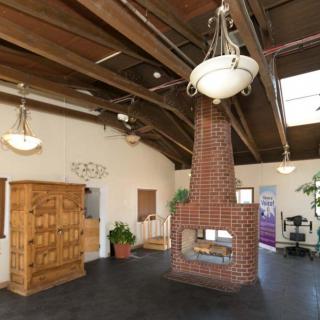
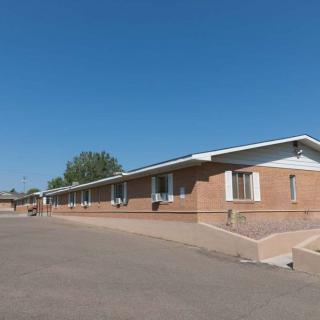
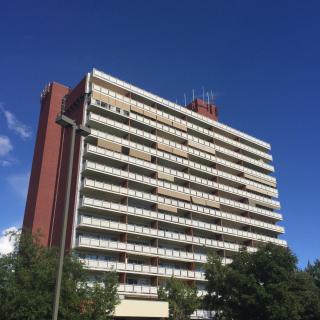
- The reviewer found the location to be nowhere near the river and very misleading compared to the website pictures.
- The reviewer reports hearing gunshots multiple times.
- The reviewer says elder abuse is a rising problem at the facility and that it is not worthy of even one star, advising others not to send loved ones there.
Review
Riverwalk Post Acute And Rehabilitation in Pueblo, CO is best suited for families seeking short-term post-acute recovery where the emphasis is on hands-on therapy and resident care delivered by attentive staff, rather than a high-end, resort-like environment. The facility appears more appropriate for seniors who need rehabilitation after a procedure or illness and who can tolerate some variability in amenities and administrative communication. In other words, the core value lies in therapists and nurses who genuinely engage with patients, with the understanding that not every operational detail will meet every family’s exacting standard.
Those weighing alternatives should consider options with a stronger track record on safety, transparency, and communication. If constant medical updates to families, proactive escalation of concerns, and a demonstrable culture of elder protection are must-haves, this community may not meet those expectations. Families who place a premium on meticulous accountability, documented incident handling, timely notification of changes in condition, and a proven safeguarding environment, will likely prefer facilities that prioritize these areas more consistently. In short, Riverwalk warrants caution for anyone who cannot tolerate lapses in oversight or a disconnect between website impressions and real-world operations.
From a positive perspective, several core strengths emerge from the experiences shared. Reviewers repeatedly note caring, well-educated staff and therapists who deliver solid rehabilitative care. For individuals recovering from surgery or needing extended therapy, skilled therapists and supportive nurses can drive meaningful gains and ease a difficult recovery. Modest but spacious rooms and periods of high-quality food or therapy experiences also surface as credible positives. When a patient’s mobility issues begin to improve and the care team demonstrates empathy and competence, this facility can clearly live up to expectations in those moments.
Yet the cons carry enough weight to blunt the positives and demand careful weighing. The most troubling frictions center on safety and trust: credible reports of elder abuse and neglected alarms paint a picture of a facility where patient protection and timely responsiveness may deteriorate under pressure. Administrative communication also appears inconsistent, families describe delayed or absent updates about a loved one’s condition and even missing personal items after a death. Environmental impressions matter too: some reviewers felt the setting did not match online visuals, and concerns about surrounding noise and other unsettling details can erode confidence in the overall experience. Taken together, these factors aren’t minor quirks; they challenge the fundamental premise of a secure, reliable care environment.
For families navigating this decision, practical steps can tilt the balance. Visit with the administrator and request a formal care conference to review recent incidents, response times, and documented quality measures. Request direct lines of communication with the primary nurse and the therapy team, and ask for a clear contingency plan if condition changes occur. Review state or county inspection reports, grievance logs, and any corrective action plans related to safety and staff conduct. If choosing Riverwalk, insist on a written commitment to regular family updates, robust incident reporting, and a transparent process for handling missing belongings or post-visit reconciliations.
The bottom line is cautious: Riverwalk Post Acute And Rehabilitation offers meaningful rehabilitation potential and compassionate caregivers, but safety and communication gaps are serious red flags. For families prioritizing steady medical updates, rigorous elder protection, and a consistent culture of accountability, it’s prudent to explore other options first. If Riverwalk is on the short list, approach with explicit expectations, frequent oversight, and a plan that escalates concerns promptly. The care journey should feel secure as progress happens; when it does not, the risk of frustration and harm becomes too high to overlook.
 60 resident community capacity
 Skilled Nursing Facility
 Air-conditioning
 Beauty salon
 Cable or satellite TV
 Computer center
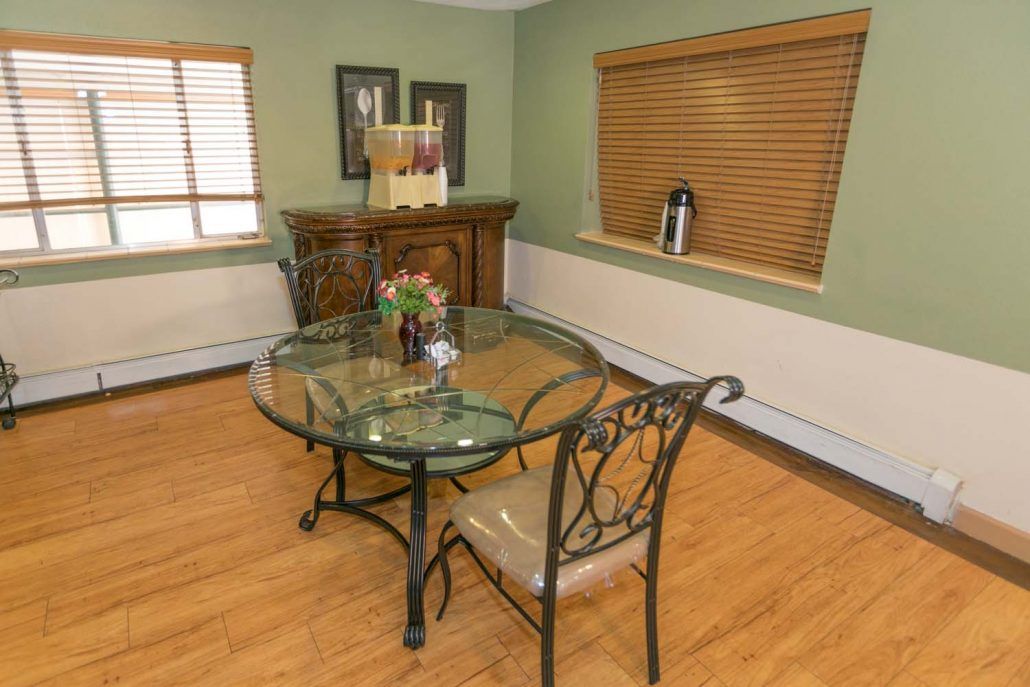
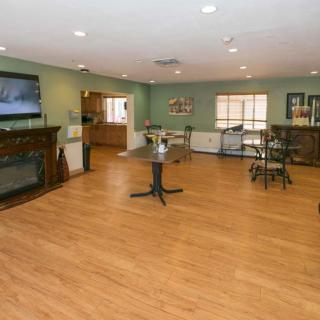
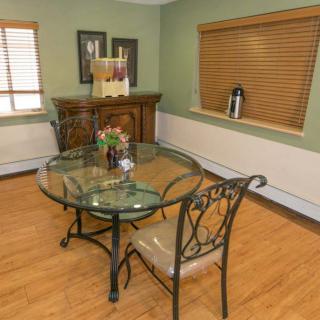
 Dining room
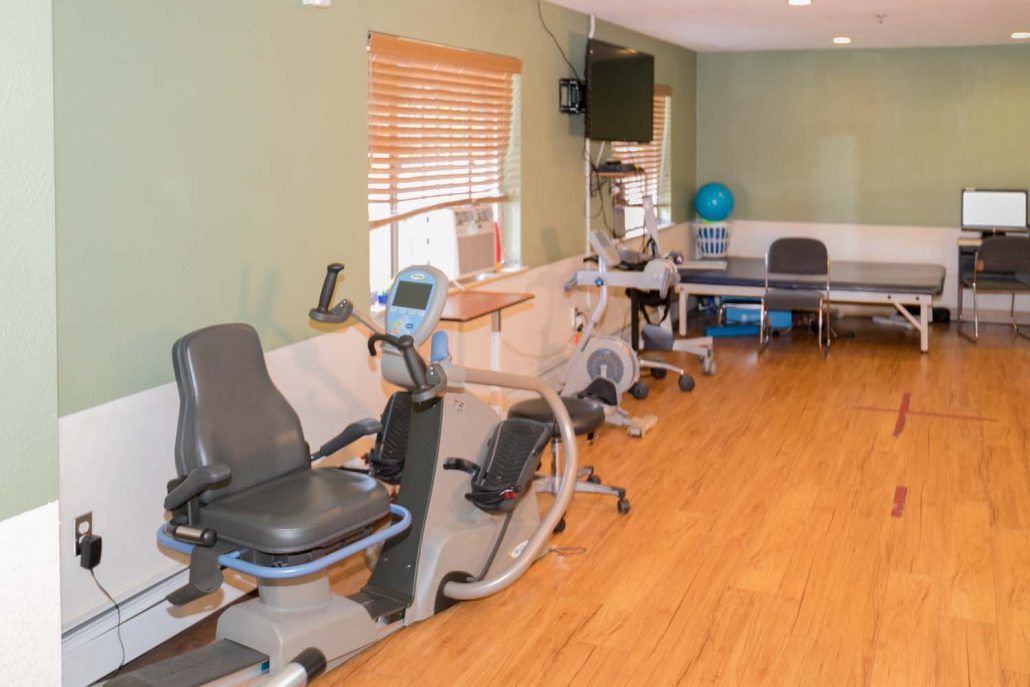
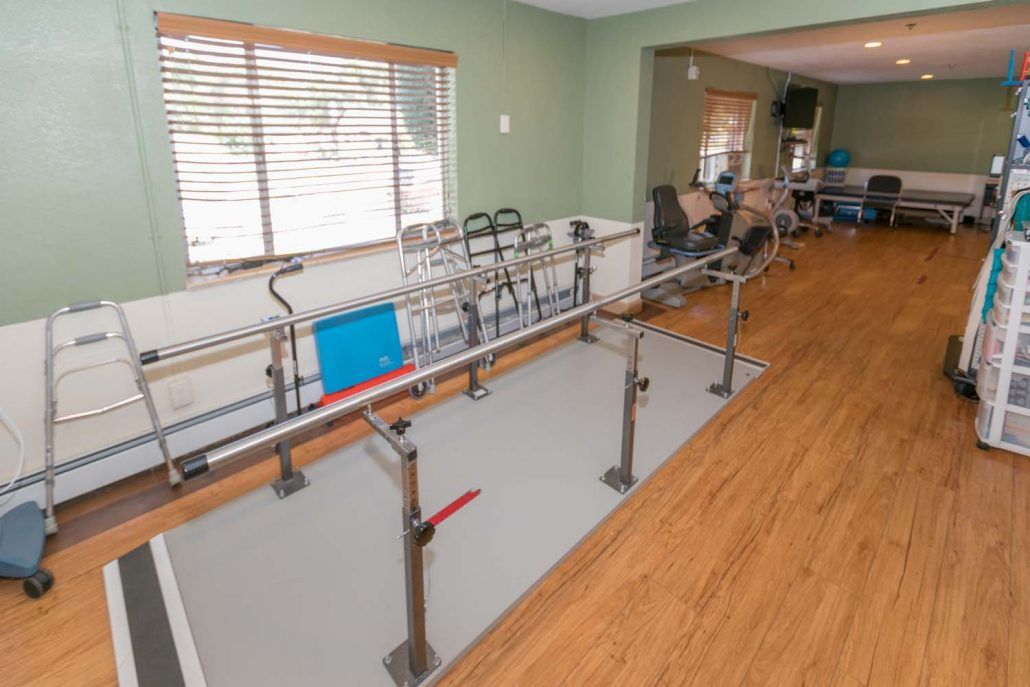
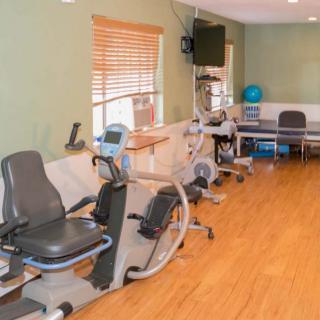
 Fitness room
 Fully furnished
 Gaming room
 Garden
 Housekeeping services
 Kitchenette
 Move-in coordination
 Outdoor space
 Private bathrooms
 Restaurant-style dining
 Small library
 Telephone
 Wellness center
 Wi-Fi/high-speed internet available
 Pueblo Memorial (8 miles away)
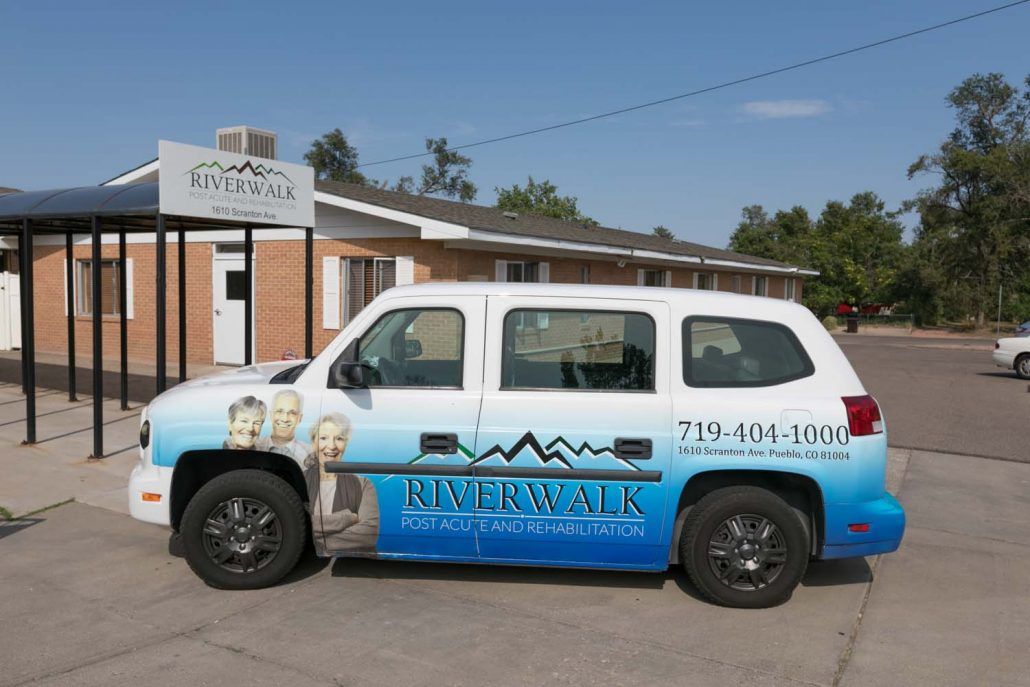
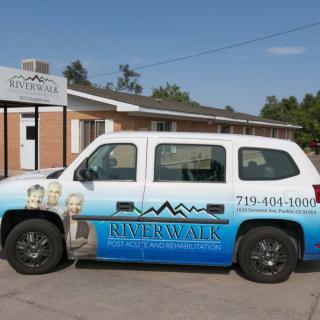
 Community operated transportation
 12-16 hour nursing
 24-hour call system
 Activities of daily living assistance
 Assistance with bathing
 Assistance with dressing
 Assistance with transfers
 Diabetes diet
 Medication management
 Mental wellness program
 Special dietary restrictions
 Concierge services
 Planned day trips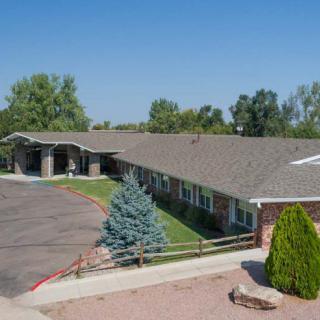


 Managing Nursing Home Expenses After Medicare Coverage Ends
 Is a Geriatric Care Manager the Right Choice for Your Family?
 Compassionate Conversations: How to Comfort Someone Who Is Grieving