For more information about senior living options: (866) 208-4318
3.9 from 110 reviews
5 stars
66
4 stars
16
3 stars
4
2 stars
0
1 stars
24
Overall Review of Rehabilitation And Nursing Center Of The Rockies
common2 reviews mention this
Staff compassion stands out
Residents and families repeatedly describe staff as caring and attentive.
Many reviewers talk about staff members taking time with residents and treating them with kindness, patience, and respect. A number of families also mention that staff show genuine concern and help them feel confident their loved one is being cared for. Even among more critical reviews, the strongest complaints tend to focus on specific service breakdowns rather than a complete lack of effort across the board.
common2 reviews mention this
Communication with families
Families often mention being kept in the loop about care.
Several reviewers say the team calls or updates them when something changes, including medication updates and other day-to-day developments. Some mention regular contact such as weekly updates or check-ins that make it easier to follow what is happening. A smaller set of reviews raises the opposite concern—difficulty reaching the facility by phone or not hearing back promptly.
common2 reviews mention this
Activities bring daily engagement
Many residents are described as staying active through organized activities.
Reviewers frequently point to activities as a bright spot, describing residents participating in scheduled programming and day-to-day engagement. Some mention resident involvement in activities and programs, and others talk about how staff work to keep residents involved based on ability. A few mixed reviews still acknowledge activities while criticizing other parts of the stay.
common2 reviews mention this
Food quality is mixed
Dining receives both praise and complaints from reviewers.
Some families and residents describe the food positively, including comments about meals being good or the food being awesome. Others report dissatisfaction, including complaints that food could be better. The community is also described as offering restaurant-style dining, with diets and special restrictions referenced across the dining details.
caveat2 reviews mention this
Facility condition is a concern
Several reviews mention an older or poorly maintained facility.
A recurring caveat is that the building feels dated and, in some cases, reviewers describe cleanliness or upkeep issues. Some comments focus on the physical environment being less appealing, while others describe specific problems like unpleasant smells or cleanliness lapses. A few reviews counter this by saying the facility is clean or safe, but the negative condition comments appear often enough to stand out.
caveat2 reviews mention this
Care staffing and response varies
Some reviewers report slow response or inconsistent hands-on care.
While many reviews describe excellent nursing and therapy support, several critical reviews raise concerns about response times, supervision, or follow-through on care needs. Some accounts mention problems getting help when needed or staff not addressing concerns promptly, especially around complex care. Other reviewers describe consistent monitoring and call-backs, so experiences appear uneven across reviews.
How we summarize
Counts show how many written reviews mention each theme; a review can touch several themes, and only frequently mentioned themes are displayed.
Features
Housing
96 resident community capacity
Types of Care
Skilled Nursing Facility
Amenities
Air-conditioning
Beauty salon
Cable or satellite TV
Computer center
Dining room
Fitness room
Fully furnished
Gaming room
Garden
Housekeeping services
Kitchenette
Move-in coordination
Outdoor space
Private bathrooms
Restaurant-style dining
Small library
Telephone
Wellness center
Wi-Fi/high-speed internet available
Transportation
Community operated transportation
Transportation arrangement
Transportation arrangement (non-medical)
Transportation to doctors appointments
Care Services
12-16 hour nursing
24-hour call system
24-hour supervision
Activities of daily living assistance
Assistance with bathing
Assistance with dressing
Assistance with transfers
Diabetes diet
High acuity care
Meal preparation and service
Medication management
Mental wellness program
Special dietary restrictions
Dining
Diabetes diet
Meals provided
Special dietary restrictions
Activities
Community-sponsored activities
Concierge services
Fitness programs
Planned day trips
Resident-run activities
Scheduled daily activities
Nearby Places of Interest
This area of Fort Collins, Colorado offers a convenient and diverse range of amenities for seniors looking to settle down. With multiple physicians, pharmacies, and hospitals within close proximity, residents can easily access healthcare services. The presence of parks such as City Park and Horsetooth Reservoir provides opportunities for leisurely walks and outdoor activities. Additionally, there are a variety of restaurants and cafes nearby where seniors can enjoy dining out or meeting friends for a meal. Places of worship are also available for those seeking spiritual fulfillment. Overall, this neighborhood offers a well-rounded community with accessibility to essential services and recreational opportunities.
Physicians
Alpine Allergy Clinic (0.2 miles)
Foot Surgery Center of Northern Colorado (0.2 miles)
Alpine Ear, Nose and Throat, PC (0.2 miles)
UCHealth Neonatal Intensive Care Unit - Poudre Valley Hospital (0.2 miles)
Fort Collins Skin Clinic (0.2 miles)
UCHealth Radiology - Poudre Valley Hospital (0.2 miles)
UCHealth Rehabilitation Unit - Poudre Valley Hospital (0.2 miles)
Pharmacies
Poudre Valley Hospital Outpatient Pharmacy (0.2 miles)
Walgreens (0.4 miles)
Walmart Pharmacy (0.9 miles)
P R Pharmaceuticals (1 miles)
Joy Organics (1.5 miles)
Quintiles (2.1 miles)
Indica Rx (2.2 miles)
Restaurants
Culver's (0.2 miles)
Rally King Brewing (0.5 miles)
Charco Broiler (0.7 miles)
Carl's Jr. (0.9 miles)
Funkwerks (0.9 miles)
Back Porch Cafe (1.1 miles)
Burger King (1.2 miles)
Hospitals
Prospect Medical Plaza (0.4 miles)
Centre Avenue (2.3 miles)
Parks
City Park (0.6 miles)
Horsetooth Reservoir (2.2 miles)
Farm At Lee Martinez Park (2.2 miles)
Cafes
Starbucks (1.3 miles)
Lima Coffee Roasters (1.4 miles)
The Little Bird Bakeshop (1.5 miles)
Silver Grill Cafe (1.6 miles)
Wolverine Farm Publick House (1.6 miles)
Cuppy's Coffee (2.1 miles)
Places of Worship
Church of Jesus Christ of Latter Day Saints (1.9 miles)
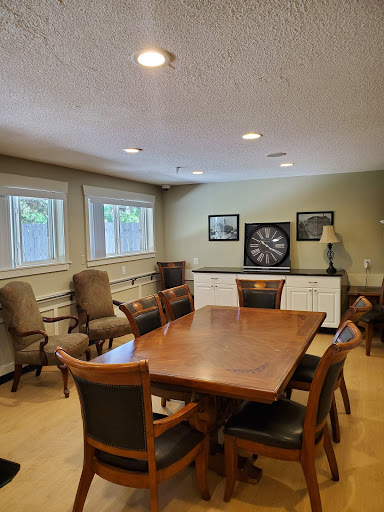
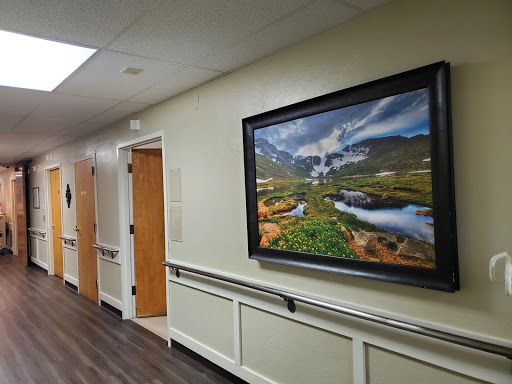
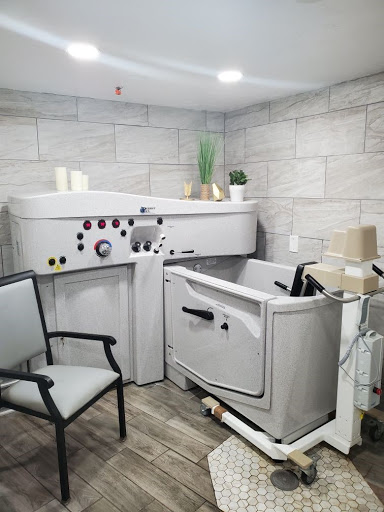
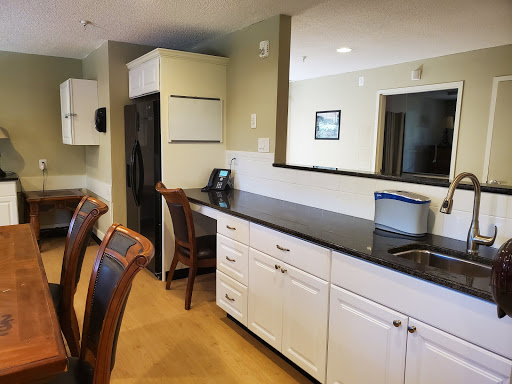
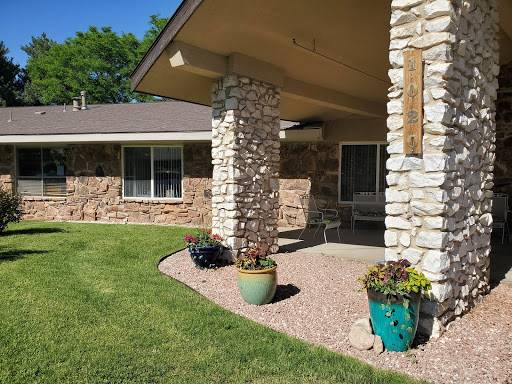
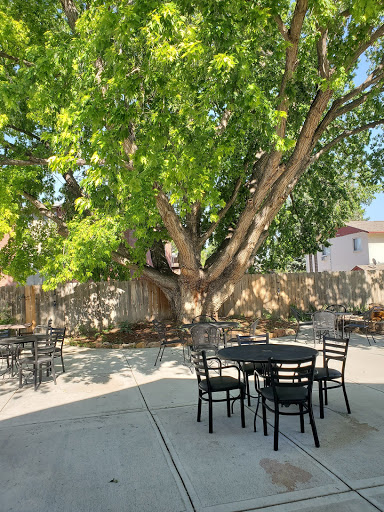
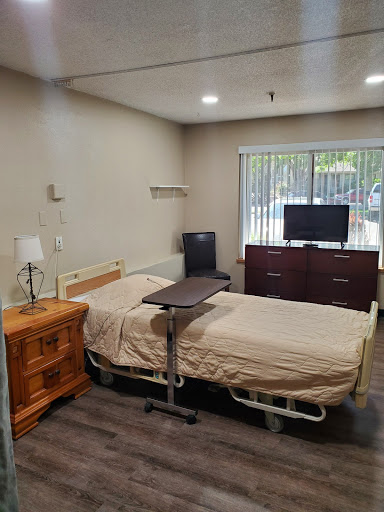
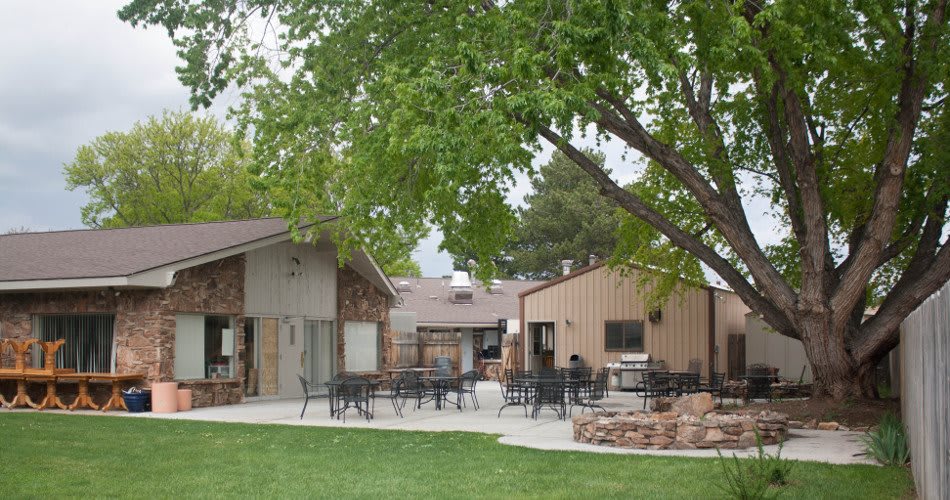
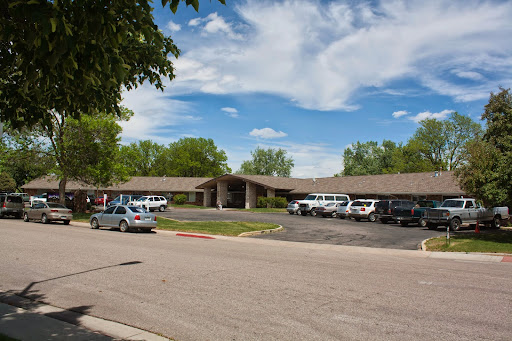
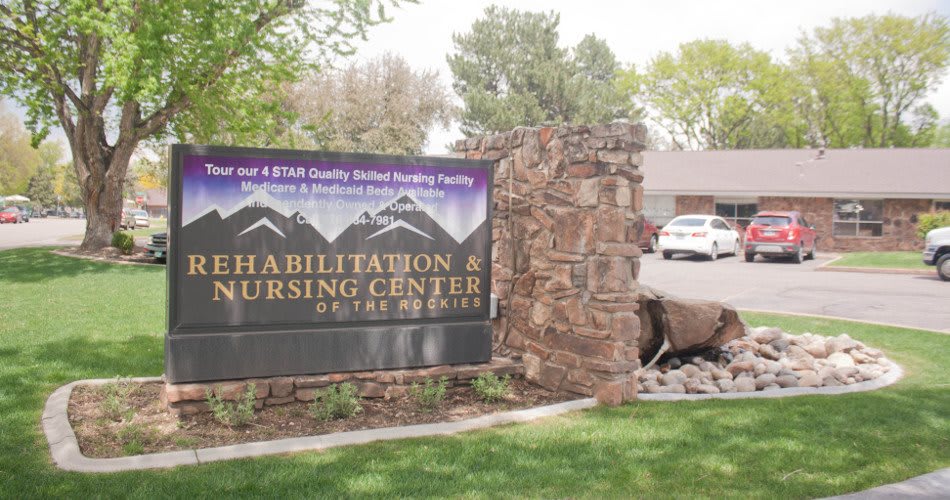
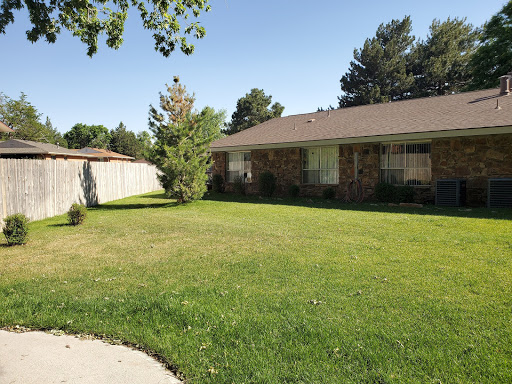
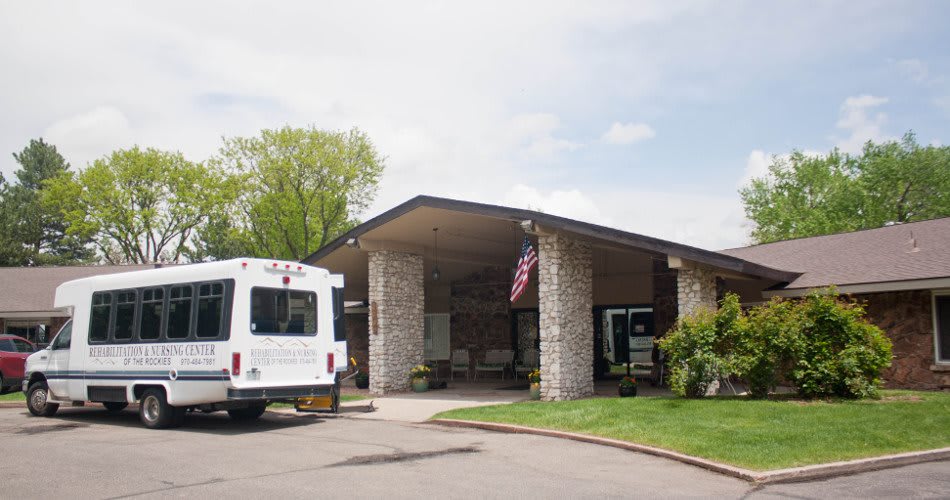
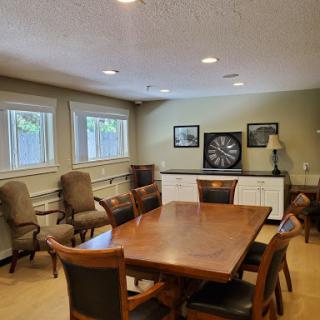
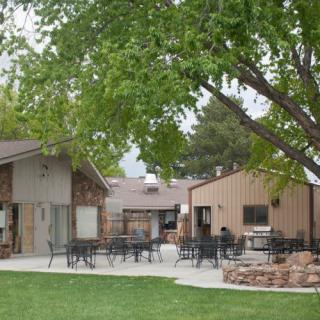
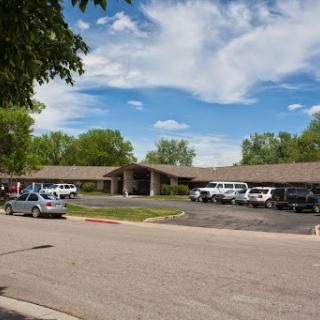
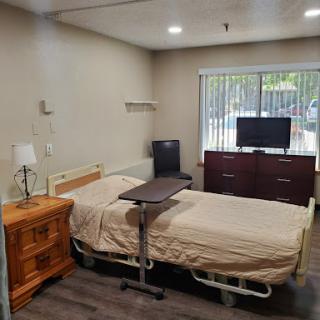
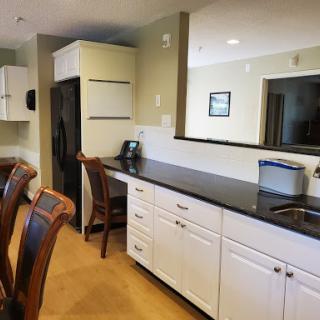
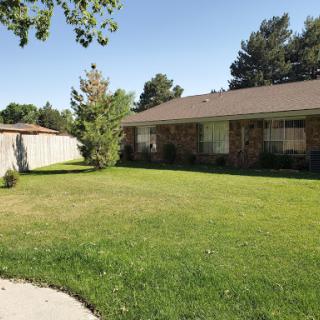
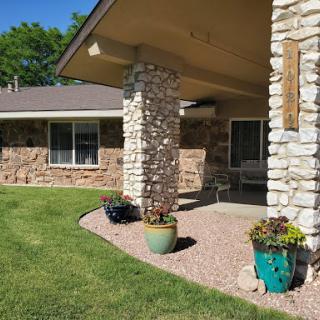
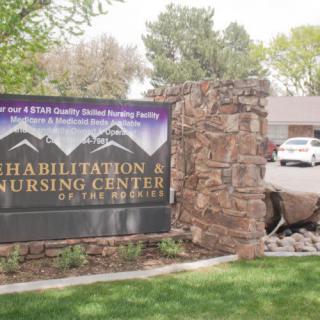
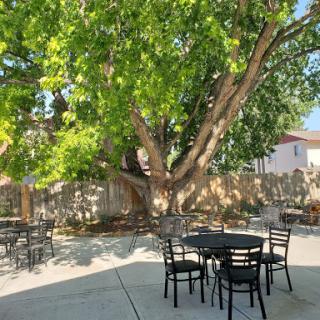
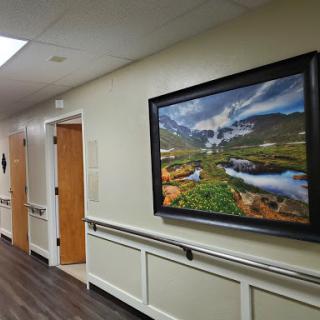
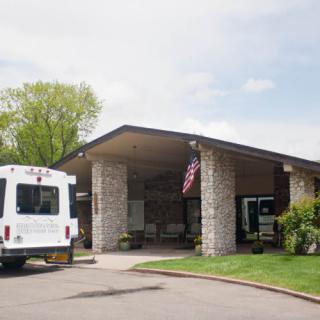
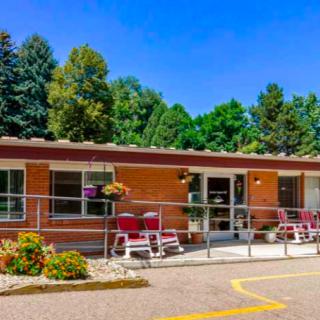
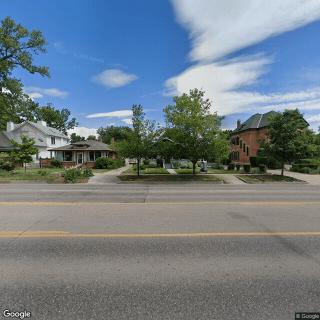
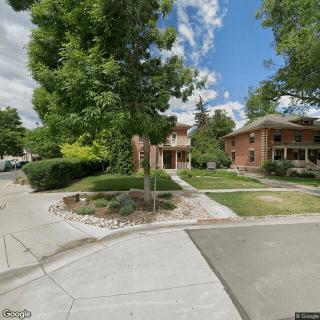
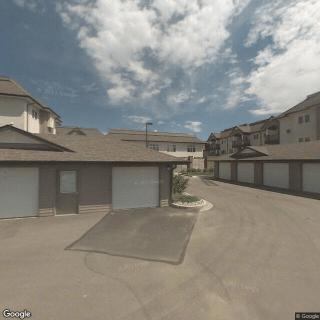
Rehabilitation And Nursing Center Of The Rockies on seniors.fyi includes 13 photos including images showing landscaping, trees, building, interior, outdoor, patio, windows, entrance, and more.
Nearby Communities
Fort Collins Health Care Center
Fort Collins, CO
3.4 from 53 reviews
Caring therapy and nursing staff; affordable pricing.
Care & Rehabilitation for Ft. Collins
Fort Collins, CO
Comprehensive dementia and skilled nursing care with 24/7 supervision, ADL support, medication management, and engaging activities.
Spring Creek Health Care Center
Fort Collins, CO
3.4 from 9 reviews
$2,500 to $3,000 / month
Caring staff and clean, comfortable rooms.
Right at Home Northern Colorado
Fort Collins, CO
4.3 from 24 reviews
Compassionate, well-trained caregivers with strong dementia care.
Holiday Parkwood Estates
Fort Collins, CO
4.1 from 100 reviews
$2,199 to $4,019 / month
Friendly staff in a clean, active community with restaurant-style dining.
Consultants for Aging Families
Fort Collins, CO
High-quality care with diabetes management and engaging activities; convenient access to nearby amenities.
Worthington
Fort Collins, CO
1 from 2 reviews
$2,300 / month
Strong care budget and responsiveness to resident feedback.
The Winslow
Fort Collins, CO
4.7 from 30 reviews
Excellent access to nearby cafes, parks, healthcare, restaurants, and entertainment.
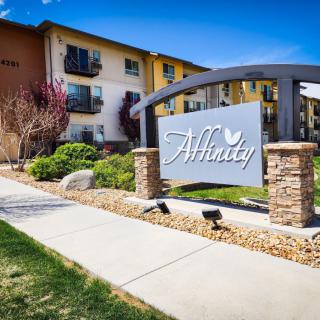
Affinity at Fort Collins
Fort Collins, CO
4.5 from 80 reviews
$1,680 to $2,200 / month
Safe, friendly environment with abundant activities and all-inclusive utilities.
Palliative care enhances the quality of life for seriously ill patients by providing comprehensive support at home through a multidisciplinary team, addressing various needs and prioritizing comfort over curative treatments. While it offers personalized care and involves family in decision-making, challenges like caregiver stress and logistical issues persist, with growing demand prompting advancements in technology and healthcare policies to improve access.
Palliative home care focuses on improving the quality of life for individuals with serious illnesses by providing comfort, symptom management, and emotional support in their own homes. This approach includes personalized care plans, regular assessments, and resources for family caregivers, all while prioritizing person-centered treatment that aligns with patients' goals.
Skilled nursing facilities (SNFs) provide high-level medical care and rehabilitation for short-term recovery, typically covered by Medicare after hospitalization, while nursing homes focus on ongoing custodial care for chronic conditions, mainly funded by Medicaid or private payments. The staffing and regulatory structures differ significantly between the two, necessitating clarity for families in choosing appropriate long-term care options.
Rehabilitation And Nursing Center Of The Rockies photos
×
Interior
Building
Trees
Windows
Dining
Landscaping
Garden
Entrance
Outdoor
Hallway
Flag
Interior
Dining, Kitchen, Appliances, and Open Space
Landscaping
Windows
Building
Trees
Garden and Exterior
Television
Outdoor
Entrance
Patio
Outdoor Seating
Flag
Parking and Road
Hallway and Doors
Grass
Meeting Room
Nursing Home
Get PricingAsk A QuestionSchedule A TourContact Senior Advisor
By clicking submit, you agree to our Partner's Terms of Use. You
also consent to receive calls and texts, which may be autodialed, from our Partner. Your consent is not a condition to
using our Partner's service. Please visit our Partner's Privacy Policy for information about their privacy practices.

 96 resident community capacity
 Skilled Nursing Facility
 Air-conditioning
 Beauty salon
 Cable or satellite TV
 Computer center
 Dining room
 Fitness room
 Fully furnished
 Gaming room
 Garden
 Housekeeping services
 Kitchenette
 Move-in coordination
 Outdoor space
 Private bathrooms
 Restaurant-style dining
 Small library
 Telephone
 Wellness center
 Wi-Fi/high-speed internet available
 Community operated transportation
 12-16 hour nursing
 24-hour call system
 Activities of daily living assistance
 Assistance with bathing
 Assistance with dressing
 Assistance with transfers
 Diabetes diet
 High acuity care
 Medication management
 Mental wellness program
 Special dietary restrictions
 Concierge services
 Planned day trips
 Caring therapy and nursing staff; affordable pricing.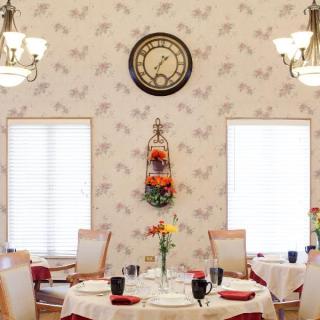


 Exploring Palliative Care in the Home: A Comprehensive Overview
 Comprehensive Insights into Palliative Home Care: What It Is and What to Expect
 Skilled Nursing Facilities vs. Nursing Homes: Making Sense of the Differences